Backpack Supply Chain Management Guide: From Raw Materials to Finished Product
Published by the Junyuan Bags editorial team | Last updated January 2025 | Reading time: 15 minutes


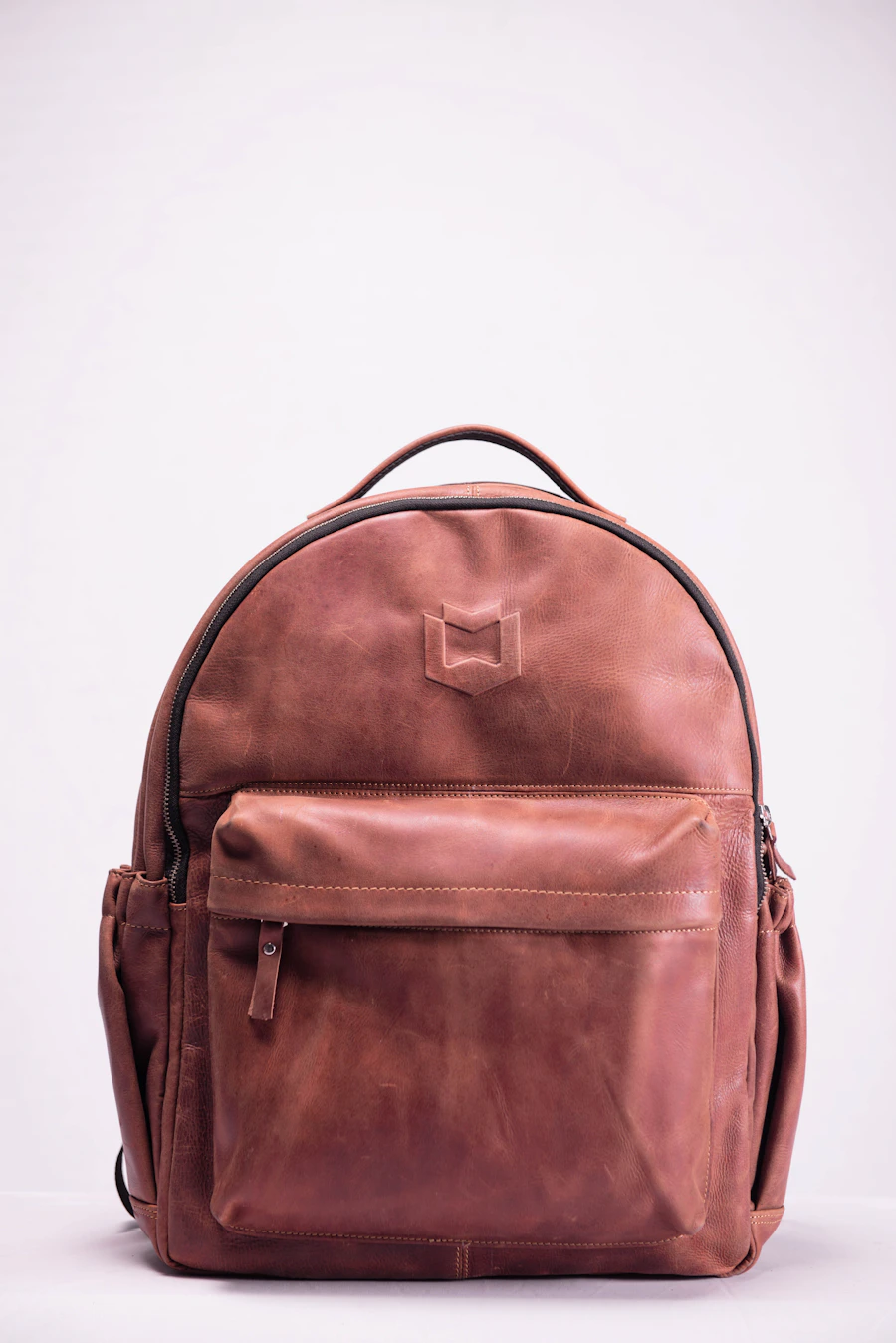

Effective supply chain management is the foundation of successful backpack manufacturing, determining cost efficiency, quality consistency, delivery reliability, and the ability to respond to market changes. From raw material sourcing through component manufacturing, assembly, and distribution to the final customer, every link in the backpack supply chain presents both opportunities for optimization and risks that must be managed. For brands sourcing backpacks from manufacturers like Junyuan Bags, understanding supply chain dynamics provides the context for making informed sourcing decisions and building strong manufacturing partnerships.
At Junyuan Bags, we have built our 15,000 square meter factory in Quanzhou with comprehensive supply chain management systems that ensure consistent material availability, quality control, and delivery performance. Our procurement team manages relationships with over 85 certified material and component suppliers across fabric mills, hardware manufacturers, thread suppliers, and packaging providers. Our eight production lines operate with material inventory systems that maintain 15 to 30 days of buffer stock for critical materials, preventing production delays from supply disruptions. With BSCI certification, ISO 9001:2015 quality management, and over 20 years of supply chain experience, we provide the reliability and transparency that brands need for successful product launches and ongoing supply.
The Backpack Supply Chain: From Raw Materials to Consumer
Understanding the complete backpack supply chain reveals the complexity of getting a quality product to market and the critical control points where supply chain management creates value.
Upstream Supply Chain: Raw Materials and Components
The backpack supply chain begins with raw material production including polyester and nylon polymer production, cotton farming, and metal ore extraction for hardware. These raw materials flow to intermediate processors including fiber extrusion plants, fabric mills, thread manufacturers, hardware producers, and chemical suppliers. At Junyuan Bags, we work with Tier 1 suppliers (direct material providers) who manage their own upstream supply chains, ensuring that our materials meet specification without requiring us to manage hundreds of raw material sources directly.
Manufacturing Stage: Component Preparation and Assembly
The manufacturing stage encompasses component preparation including fabric cutting, hardware preparation, foam cutting, and webbing cutting, followed by assembly where panels are sewn together, hardware is attached, and finishing operations including cleaning, inspection, and packaging are completed. Our 15,000 square meter facility manages this entire manufacturing stage with integrated production planning that coordinates material flow from cutting through packing, ensuring that every production line has the materials and components needed to meet production schedules.
Downstream Supply Chain: Distribution and Retail
The downstream supply chain includes quality verification and release, export documentation and customs clearance, international transportation (typically ocean freight from China to destination markets), warehousing and distribution, and retail delivery or direct-to-consumer fulfillment. Our logistics team manages the export phase, coordinating with freight forwarders, customs brokers, and insurance providers to ensure that finished backpacks reach our brand partners safely and efficiently.
Material Sourcing Strategies
Material sourcing strategy determines cost, quality, and supply risk for backpack manufacturing, requiring careful balance between cost optimization and supply security.
Supplier Selection Criteria
Supplier selection for backpack materials should evaluate multiple criteria including quality consistency (verified through test reports and historical performance data), certification status (GOTS, GRS, BSCI, OEKO-TEX as appropriate), capacity and lead time capability, financial stability and business continuity risk, location and logistics efficiency, and environmental and social compliance. Our procurement team evaluates every supplier against these criteria using a weighted scoring system that prioritizes quality and reliability while considering cost and efficiency factors.
Dual Sourcing and Risk Mitigation
Single-source materials create supply risk that can disrupt production when suppliers face capacity constraints, quality issues, or business interruptions. Effective supply chain management includes dual sourcing for critical materials, where two qualified suppliers are maintained for each critical component. This approach increases administrative complexity and may sacrifice volume-based pricing, but provides insurance against supply disruption that justifies the cost through production continuity. Our factory maintains qualified backup suppliers for all critical materials including shell fabrics, hardware, and webbing.
Long-Term Partnership Agreements
Strategic material sourcing relationships extend beyond transactional purchasing to long-term partnership agreements that align supplier and manufacturer incentives. Volume commitments in exchange for price stability, joint quality improvement programs, shared demand forecasting data, and collaborative new product development create value for both parties. Our relationships with key suppliers include multi-year volume commitments that provide price stability for our brand partners while ensuring supplier investment in capacity and quality improvement.
Production Planning and Scheduling
Effective production planning converts demand forecasts and confirmed orders into detailed production schedules that optimize efficiency while meeting delivery commitments.
Material Requirements Planning
Material requirements planning (MRP) systems calculate the quantities of each material and component needed to fulfill production schedules, accounting for current inventory, lead times, and safety stock requirements. Our factory's MRP system generates material purchase requirements automatically when production orders are confirmed, ensuring that materials are ordered in time to support production schedules without excessive inventory carrying costs. The system maintains 15 to 30 days of buffer stock for critical materials, providing coverage for both demand variability and supply lead time uncertainty.
Production Scheduling Optimization
Production scheduling balances multiple objectives including meeting delivery commitments, maximizing production line utilization, minimizing changeover time between products, and optimizing workforce scheduling. Our production planning team uses priority-based scheduling that prioritizes orders by delivery date while grouping similar products to minimize changeover time. The eight production lines are assigned to product groups based on capability and setup requirements, maximizing line efficiency while maintaining the flexibility to accommodate rush orders and schedule changes.
Quality Control Across the Supply Chain
Quality control in supply chain management extends beyond the factory floor to encompass material suppliers, in-process inspection, and finished product verification.
Incoming Material Inspection
Every material batch received from suppliers undergoes incoming inspection to verify that it meets specification before use in production. Inspection protocols vary by material type and supplier history, ranging from simple visual inspection for well-established materials from reliable suppliers to comprehensive testing including physical property testing, color consistency verification, and chemical composition analysis for critical materials. Our quality control team rejects any material that does not meet specification, triggering corrective action with the supplier to prevent recurrence.
Supplier Quality Management
Ongoing supplier quality management includes regular performance reviews, periodic facility audits, corrective action tracking for quality issues, and continuous improvement programs. Our supplier scorecard tracks quality (defect rates), delivery (on-time performance), cost (price competitiveness), and responsiveness (communication and issue resolution). Suppliers with consistently excellent performance receive preferred status including larger order volumes and early access to new product opportunities. Suppliers with persistent performance issues are placed on corrective action plans with clear improvement targets and timelines.
Logistics and Transportation Management
Logistics management coordinates the physical movement of materials into the factory and finished products out to brand partners.
Inbound Logistics Optimization
Inbound logistics optimization consolidates material shipments to reduce transportation costs while maintaining supply continuity. Our procurement team coordinates with suppliers to consolidate small orders into weekly or bi-weekly shipments, reducing per-unit transportation costs by 20 to 30 percent compared to individual order shipments. Supplier-managed inventory programs where suppliers maintain stock at our factory for just-in-time delivery further reduce our inventory requirements and logistics costs.
Export and Freight Management
Export logistics management coordinates the movement of finished backpacks from our Quanzhou factory to destination markets worldwide. Our logistics team works with freight forwarders to select optimal routing and carrier combinations for each destination, balancing cost, transit time, and reliability. We maintain relationships with multiple carriers across ocean and air freight to ensure capacity availability during peak seasons and to provide alternative routing when disruptions occur.
Supply Chain Transparency and Traceability
Supply chain transparency and traceability have become essential requirements for brands and retailers, driven by consumer expectations, regulatory requirements, and sustainability commitments.
Traceability Systems and Documentation
Effective traceability requires systems that can track materials and components from their source through to finished product delivery. Our factory maintains lot-based traceability that links every finished backpack to the material batches used in its construction. When quality issues arise, this traceability enables targeted recalls that affect only products from the affected material lots rather than requiring blanket recalls of all products. Our traceability documentation meets the requirements of EU Ecodesign regulations and major retailer traceability standards.
Sustainability Transparency
Brands increasingly need supply chain transparency data for sustainability reporting, ESG disclosure, and consumer communication. Our factory provides comprehensive supply chain data including material certifications (GRS, GOTS, OEKO-TEX), carbon footprint data for our manufacturing operations, water and energy consumption metrics, and waste generation and diversion data. This data supports our brand partners' sustainability reporting and enables credible sustainability claims in their consumer communications.
Partnering with a Supply Chain-Transparent Backpack Manufacturer
At Junyuan Bags, our comprehensive supply chain management capabilities span material sourcing, production planning, quality control, logistics, and traceability across our 15,000 square meter factory in Quanzhou. Our 200-plus craftspeople across eight production lines operate within supply chain systems that have been refined over more than 20 years of operation. With BSCI certification, ISO 9001:2015 quality management, and documented traceability systems, we provide the supply chain reliability and transparency that modern brands require.
Whether you need standard backpack products with reliable supply chain management, OEM or ODM manufacturing with complete supply chain integration, or custom backpack products with full traceability documentation, our supply chain expertise delivers. Contact us at service@junyuanbags.com or WhatsApp +8617750020688 to discuss your supply chain requirements.
Frequently Asked Questions
What is the typical lead time for backpack manufacturing from a Chinese factory?
Typical backpack manufacturing lead times from order confirmation to shipment range from 4 to 8 weeks for standard products and 8 to 12 weeks for new custom designs requiring pattern development and sample approval. The lead time includes material procurement (1-3 weeks depending on material availability), cutting and component preparation (3-5 days), assembly and finishing (2-3 weeks), and quality inspection and packaging (3-5 days). Rush orders with premium pricing can sometimes be accommodated in 2-3 weeks for simple products using in-stock materials. Our factory's material inventory system maintains buffer stock of common materials, enabling faster turnaround for standard product orders.
How do backpack factories manage supply chain risks?
Backpack factories manage supply chain risks through multiple strategies: dual sourcing for critical materials (maintaining qualified backup suppliers for all key components), safety stock inventory for critical materials (our factory maintains 15-30 days of buffer stock), long-term supplier partnership agreements that ensure priority treatment during tight supply conditions, supplier diversification across multiple geographic regions and supplier bases, and continuous monitoring of supplier financial health and business continuity. Our factory also maintains production line flexibility that enables rapid reallocation of capacity if one supplier fails to deliver.
What traceability documentation should backpack brands require from their manufacturers?
Backpack brands should require: material certifications for all sustainability claims (GRS for recycled content, GOTS for organic cotton, OEKO-TEX for chemical safety), production records including operator identification and quality inspection results, lot-based traceability linking finished products to material batch numbers, carbon footprint data for manufacturing operations (Scope 1 and 2 emissions), and facility certifications (BSCI, ISO 9001, ISO 14001 as applicable). Our factory provides all these documentation types as standard practice for our brand partners, supporting their sustainability reporting and regulatory compliance.
How does Junyuan Bags handle supply chain disruptions?
Our supply chain management includes proactive disruption monitoring that identifies potential issues before they impact production. We maintain safety stock for critical materials, qualified backup suppliers for key components, and production line flexibility that enables rapid reallocation. When disruptions occur, our procurement team activates alternative sourcing immediately, while our production planning team adjusts schedules to accommodate material delays. We communicate proactively with brand partners about any delivery impacts, providing realistic revised timelines and working to recover delays through accelerated production where possible.
What is the minimum order quantity for backpack manufacturing at Junyuan Bags?
Our minimum order quantity is 300 pieces per SKU for standard backpack products. This MOQ reflects the setup costs of pattern preparation, material procurement, and production line changeover that are amortized across the production run. Larger orders benefit from lower per-unit pricing through better material utilization and reduced setup cost per unit. We also accommodate smaller orders for sample development and testing, with sample pricing negotiated based on specific requirements. For brands starting with MOQ orders and planning to scale to larger volumes, we offer growth pricing programs that reward increasing order sizes.
Ready to Source Sustainable and Tech-Integrated Backpacks?
Partner with a factory that combines eco-conscious manufacturing with cutting-edge technology. Our 15,000 sqm facility in Quanzhou delivers innovation at scale.
Email: service@junyuanbags.com
WhatsApp: +8617750020688
MOQ 300pcs | BSCI & ISO 9001:2015 Certified | Est. 2004
Junyuan Bags | 15,000 sqm Factory | 200+ Craftspeople | 8 Production Lines
C201-207 Huachuang Park, Quanzhou, Fujian, China
BSCI & ISO 9001:2015 Certified | <0.3% Defect Rate | MOQ 300pcs
Est. 2004 | service@junyuanbags.com | WhatsApp: +8617750020688