Backpack Solar Charging Features: Design, Manufacturing, and Performance Guide
Published by the Junyuan Bags editorial team | Last updated January 2025 | Reading time: 15 minutes
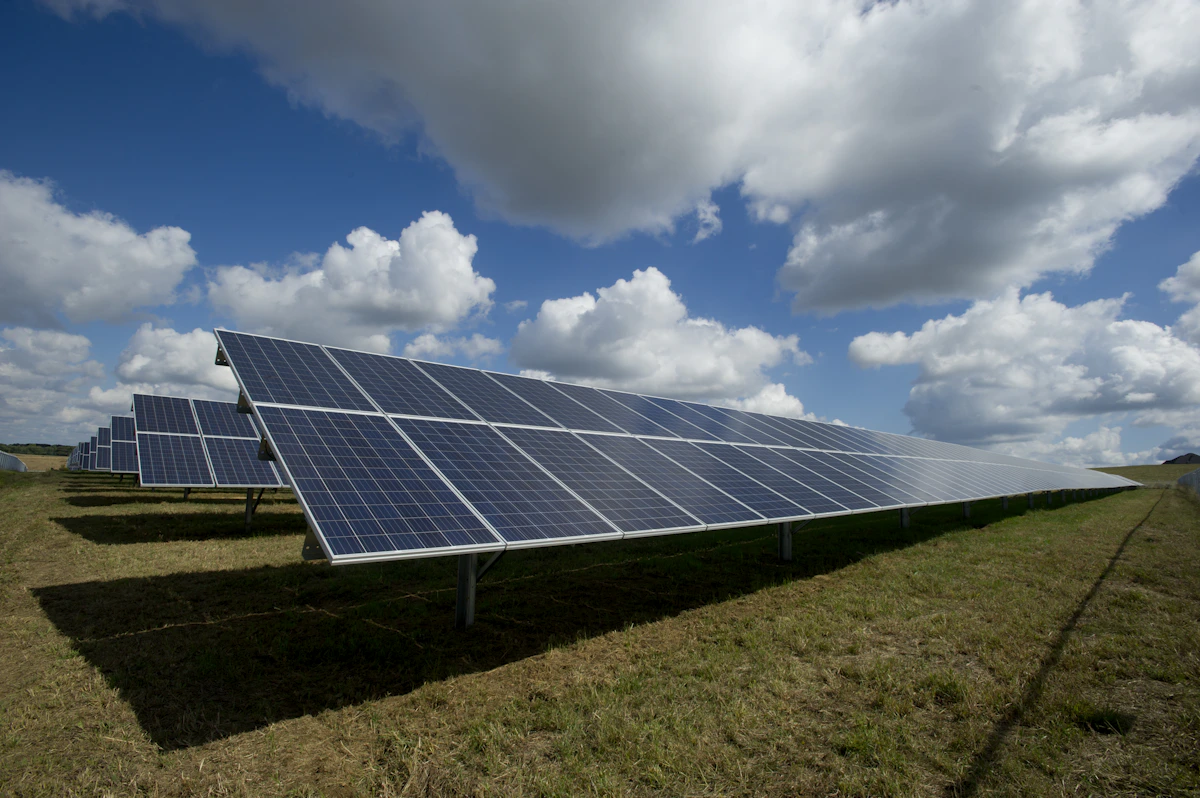


Solar charging technology has become one of the most recognized and valued features in modern backpack design, offering users the ability to charge devices anywhere sunlight is available. The solar backpack market reached 890 million USD in 2024, growing at 14.2 percent annually as consumers seek energy independence for outdoor adventures, travel, commuting, and emergency preparedness. For backpack manufacturers and brands, solar charging integration offers both product differentiation and alignment with sustainability values that resonate strongly with target consumers.
At Junyuan Bags, we have manufactured solar charging backpacks for multiple international brands since 2018, developing expertise in solar panel integration, battery management, and weatherproof construction that ensures reliable field performance. Our 15,000 square meter factory in Quanzhou handles the specialized assembly requirements of solar panels, charge controllers, and battery systems alongside traditional backpack manufacturing. Our 200-plus craftspeople across eight production lines are trained in solar system integration procedures that maintain both electronic reliability and backpack durability. Combined with our BSCI certification and ISO 9001:2015 quality management, we deliver solar backpacks that perform reliably in real-world conditions.
This guide covers every aspect of solar charging backpack manufacturing, from solar panel technology selection through system integration, performance optimization, quality control, and market positioning for brands developing solar backpack products.
Solar Panel Technology for Backpack Applications
Selecting the right solar panel technology is the most critical decision in solar backpack design, balancing power output, weight, flexibility, durability, and cost.
Monocrystalline Silicon Panels
Monocrystalline silicon panels offer the highest efficiency (20 to 24 percent) among commercially available solar technologies, generating more power per unit area. For backpack applications where surface area is limited, monocrystalline panels maximize power output from the available solar collection area. Modern monocrystalline cells are available in flexible laminated formats that conform to curved backpack surfaces while maintaining high efficiency. The primary trade-off is cost: monocrystalline panels cost 30 to 50 percent more per watt than polycrystalline alternatives.
Polycrystalline Silicon Panels
Polycrystalline silicon panels offer slightly lower efficiency (15 to 18 percent) at lower cost, making them suitable for applications where surface area is less constrained. For larger backpack designs with generous solar panel mounting areas, polycrystalline panels provide adequate power output at 20 to 30 percent lower cost than monocrystalline equivalents. The blue-tinted appearance of polycrystalline cells is sometimes considered less aesthetically appealing than the uniform black of monocrystalline cells.
Thin-Film and Flexible Solar Technologies
Thin-film technologies including amorphous silicon (a-Si), CIGS (copper indium gallium selenide), and perovskite cells offer exceptional flexibility and lightweight construction ideal for backpack integration. While efficiency is lower (8 to 14 percent for commercial thin-film), the ability to conform to curved surfaces, withstand flexing without damage, and reduce weight makes thin-film attractive for backpack applications where flexibility and integration are priorities over maximum power output.
System Design and Power Management
A solar charging backpack is more than a solar panel attached to a bag. Complete system design requires careful selection and integration of charge controllers, battery management systems, output regulation, and protection circuits.
Charge Controller Selection
Charge controllers regulate the power flow from solar panel to battery, preventing overcharging and optimizing energy harvest. Maximum Power Point Tracking (MPPT) controllers extract 15 to 30 percent more energy than simple Pulse Width Modulation (PWM) controllers by continuously adjusting the electrical operating point to match changing solar conditions. For backpack applications, MPPT controllers are preferred despite slightly higher cost because the energy harvest improvement directly translates to faster charging in real-world variable conditions.
Battery System Integration
Solar backpacks require battery systems that store harvested solar energy for device charging. Battery selection balances capacity, weight, safety, and charging speed. Lithium-polymer batteries in the 5,000 to 20,000 mAh range are most common, offering the best energy density for weight-conscious backpack applications. Battery management systems include overcharge protection, over-discharge protection, temperature monitoring, and short circuit protection. For airline compliance, battery capacity should remain below 100Wh (approximately 27,000 mAh at 3.7V) to avoid requiring special documentation.
Output Configuration
Output configuration determines how stored solar energy is delivered to user devices. Standard USB-A ports at 5V 2.1A serve most phone charging needs. USB-C Power Delivery ports at 5V to 20V support fast charging and laptop charging. Multiple output ports enable simultaneous charging of multiple devices. Wireless Qi charging pads offer cable-free convenience but with lower efficiency (70 to 80 percent versus 90 to 95 percent for wired). Most solar backpacks combine USB-C output with at least one USB-A port for maximum device compatibility.
Manufacturing Considerations for Solar Backpacks
Solar panel integration into backpack manufacturing requires specific processes and quality controls that differ from conventional backpack production.
Panel Mounting and Weatherproofing
Solar panels must be mounted securely to withstand the physical demands of backpack use while maintaining optimal solar exposure. Mounting methods include laminated integration within the backpack fabric structure, removable panels with quick-disconnect connectors, and fold-out panels that deploy when positioned for charging. All panel connections must be weatherproof sealed to IPX5 minimum rating, protecting against rain and splashing water. Cable exits from panel to internal electronics use waterproof grommets or sealed conduit.
Wiring and Connection Systems
Internal wiring must be flexible enough to withstand repeated backpack flexing without conductor fatigue or insulation damage. Silicone-insulated flexible wire in appropriate gauge for current carrying capacity provides the flexibility and durability needed. All connections use crimped connectors rather than soldered joints, as crimped connections withstand vibration and flexing better than solder joints. Cable routing follows protected internal channels that prevent snagging and protect wires from abrasion against backpack contents.
Quality Testing for Solar Systems
Every solar backpack undergoes comprehensive testing including solar panel output verification under standardized light conditions, charge controller function verification, battery capacity and safety circuit testing, output port voltage and current verification, waterproof integrity testing of all sealed connections, and flex testing of all cable connections. Test results are documented for each unit, providing traceability from finished product through all electronic components to supplier batch records.
Performance Expectations and Real-World Results
Solar backpack performance varies significantly based on panel size, sunlight conditions, and usage patterns. Setting realistic expectations through honest performance communication builds consumer trust and reduces returns.
Power Output Under Various Conditions
| Condition | 7W Panel Output | 10W Panel Output | 15W Panel Output |
|---|---|---|---|
| Direct sunlight (noon, clear) | 6.5-7.0W | 9.5-10W | 14-15W |
| Partial cloud | 3.5-5.0W | 5.0-7.0W | 7.0-10W |
| Overcast | 0.7-1.5W | 1.0-2.0W | 1.5-3.0W |
| Morning/late afternoon sun | 2.0-4.0W | 3.0-5.5W | 4.5-8.0W |
| Through backpack fabric (indirect) | 0.3-0.7W | 0.5-1.0W | 0.7-1.5W |
Realistic Charging Scenarios
A 10-watt solar panel in good sunlight charges a 10,000 mAh battery from empty to full in approximately 5 to 6 hours. This provides enough energy to fully charge most smartphones 2 to 3 times. For typical commuter use with 2 hours of sunlight exposure daily, a 10W panel generates approximately 15 to 18 Wh per day, sufficient to maintain phone charge during regular commuting but not sufficient for rapid charging of larger devices like laptops. Honest communication about these capabilities prevents consumer disappointment and builds brand credibility.
Market Positioning and Consumer Communication
Solar backpacks serve distinct market segments with different feature priorities and performance expectations.
Outdoor and Adventure Segment
Outdoor users prioritize reliable charging in variable conditions, durability, and sufficient capacity for multi-day trips. Products feature 10 to 15W monocrystalline panels, 15,000 to 20,000 mAh batteries, rugged IPX6 weatherproof construction, and multiple output options. Price points range from 80 to 200 USD, with consumers accepting premium pricing for reliable off-grid charging capability.
Urban Commuter Segment
Commuters prioritize lightweight construction, aesthetic integration, and sufficient capacity for daily device maintenance. Products feature 5 to 10W thin-film panels integrated seamlessly into backpack surfaces, 5,000 to 10,000 mAh batteries, and clean aesthetic design. Price points range from 50 to 120 USD, with solar positioned as a convenient supplementary charging option rather than primary power source.
Partnering for Solar Backpack Manufacturing
Manufacturing solar backpacks requires partners with specific electronic integration expertise and solar system testing capabilities.
At Junyuan Bags, our solar backpack manufacturing capabilities span panel integration, battery system assembly, charge controller installation, and comprehensive testing across our 15,000 square meter factory in Quanzhou. We work with monocrystalline, polycrystalline, and thin-film panel technologies, integrating systems from 5W entry-level to 20W high-output configurations. Our 200-plus craftspeople across eight production lines ensure reliable assembly that maintains both electronic performance and backpack quality standards.
Whether you need outdoor solar backpacks for adventure applications, tech-integrated commuter bags with solar charging, or custom solar backpack products for your brand, our solar integration expertise delivers reliable performance. Contact us at service@junyuanbags.com or WhatsApp +8617750020688 to discuss your solar backpack requirements.
Industry Insights & Future Outlook
Solar charging integration in backpacks represents a convergence of the wearable technology and renewable energy markets that is gaining momentum as solar cell efficiency improves and consumer demand for off-grid power grows. The portable solar charger market, valued at approximately 780 million USD in 2024, is projected to reach 2.1 billion USD by 2030, with backpack-integrated systems representing the fastest-growing product category. This growth is supported by the increasing power demands of mobile devices, the expanding culture of outdoor adventure and digital nomadism, and growing awareness of the environmental benefits of solar-powered electronics.
Perovskite solar cells are poised to transform the solar backpack market by delivering efficiencies approaching 25 percent in flexible, lightweight formats that can be seamlessly integrated into backpack surfaces. Unlike traditional silicon cells that require rigid mounting and add significant weight, perovskite cells can be printed onto flexible substrates that conform to the curved surfaces of backpacks without compromising aesthetics or comfort. Several companies including Oxford PV and Saule Technologies are scaling perovskite production, with commercial availability of flexible perovskite modules for consumer products expected by 2026 to 2027. These cells could double the power output of current solar backpack designs without increasing panel area or weight.
The evolution of solar charging systems toward integrated energy management represents a significant product development opportunity. Next-generation solar backpacks are moving beyond simple panel-to-battery charging toward intelligent power management systems that coordinate solar input, battery storage, device charging, and power consumption to maximize available energy. These systems can learn user patterns, prioritize charging for devices based on usage schedules, and provide real-time energy budgeting information through smartphone apps. Such intelligent energy management can increase effective daily power output by 20 to 30 percent compared to unmanaged systems, making solar backpacks more practical for daily commuting use.
Sustainability considerations extend beyond the clean energy generation of solar charging to encompass the entire product system. Manufacturers are exploring biodegradable solar cell encapsulants, recycled battery materials, and modular designs that allow individual components to be replaced rather than discarding the entire system when one element fails. The development of dye-sensitized solar cells using natural pigments offers a path toward fully bio-based solar harvesting surfaces, though current efficiencies remain below practical thresholds for backpack applications. Research institutions are actively working to bridge this gap, with projections suggesting natural solar cells could reach 15 percent efficiency within a decade.
Market trends indicate that solar charging will transition from an adventure niche to an urban commuting feature as city dwellers seek sustainable alternatives to grid charging for their mobile devices. Manufacturers developing slim, aesthetically integrated solar designs optimized for urban environments, where partial shading and indirect light are common challenges, will capture the expanding addressable market for solar-powered backpacks.
Frequently Asked Questions
What wattage solar panel is best for backpack charging?
For backpack applications, 7 to 15 watts represents the optimal range balancing power output, weight, and surface area requirements. A 7W panel weighs approximately 200g and charges a phone 1.5 to 2 times per day in good sunlight. A 10W panel (300g) provides comfortable daily charging for most users, fully charging a phone in 3 to 4 hours of direct sunlight. A 15W panel (450g) serves multi-day outdoor trips where grid charging is unavailable. Panels above 20W add significant weight and bulk with diminishing returns for most backpack applications. Monocrystalline panels are preferred for their higher efficiency in the limited surface area available on backpacks.
How long does it take to charge a phone using a solar backpack?
Charging time depends on panel wattage, sunlight conditions, and phone battery capacity. With a 10W panel in direct sunlight, charging a standard 4,000 mAh phone from 20 to 80 percent takes approximately 2 to 3 hours. Under partial cloud conditions, the same charge takes 4 to 5 hours. Overcast conditions may take 8 to 10 hours or may not provide sufficient power for effective charging. Most solar backpacks charge through an intermediate battery system rather than directly, meaning the solar panel charges the internal battery which then charges the phone at standard USB charging speeds.
Are solar backpacks waterproof enough for outdoor use?
Quality solar backpacks should achieve IPX4 to IPX6 waterproof ratings, protecting the solar system against rain, splashing, and temporary immersion. Solar panels themselves are inherently weather-resistant with tempered glass or ETFE laminate surfaces. The critical waterproofing points are cable connections, panel-to-bag seals, and output port covers. Manufacturing must use waterproof connectors, sealed grommets for cable exits, and covered output ports with rubber seals. Testing includes spray testing at IPX5 (water jets from any direction) to verify seal integrity. Our solar backpacks achieve IPX5 rating as standard.
What is the lifespan of solar panels on backpacks?
Quality monocrystalline and polycrystalline solar panels maintain over 80 percent of original output after 20 to 25 years of standard use. However, backpack applications involve additional stresses including flexing, vibration, impact, and abrasion that reduce practical lifespan. Flexible monocrystalline panels in backpack applications typically maintain adequate performance for 5 to 8 years with regular use. Thin-film panels have shorter lifespans of 3 to 5 years due to lower durability of thin semiconductor layers. Panel degradation is gradual, with output declining approximately 0.5 to 1 percent per year under normal conditions.
How much does solar technology add to backpack manufacturing cost?
Solar technology adds 12 to 35 USD to backpack manufacturing cost depending on system specifications. A basic 5W solar system (panel plus charge controller plus 5000mAh battery) adds 12 to 18 USD. A mid-range 10W system with 10000mAh battery adds 18 to 25 USD. A high-output 15W system with 20000mAh battery and MPPT controller adds 25 to 35 USD. These costs enable retail price premiums of 25 to 40 percent over equivalent non-solar backpacks. The solar premium is justified by functional value (device charging anywhere) and sustainability positioning that resonates with target consumers.
Ready to Source Sustainable and Tech-Integrated Backpacks?
Partner with a factory that combines eco-conscious manufacturing with cutting-edge technology. Our 15,000 sqm facility in Quanzhou delivers innovation at scale.
Email: service@junyuanbags.com
WhatsApp: +8617750020688
MOQ 300pcs | BSCI & ISO 9001:2015 Certified | Est. 2004
Junyuan Bags | 15,000 sqm Factory | 200+ Craftspeople | 8 Production Lines
C201-207 Huachuang Park, Quanzhou, Fujian, China
BSCI & ISO 9001:2015 Certified | <0.3% Defect Rate | MOQ 300pcs
Est. 2004 | service@junyuanbags.com | WhatsApp: +8617750020688