Backpack Self-Healing Fabric Technology: The Future of Durable Bag Materials
Published by the Junyuan Bags editorial team | Last updated January 2025 | Reading time: 15 minutes
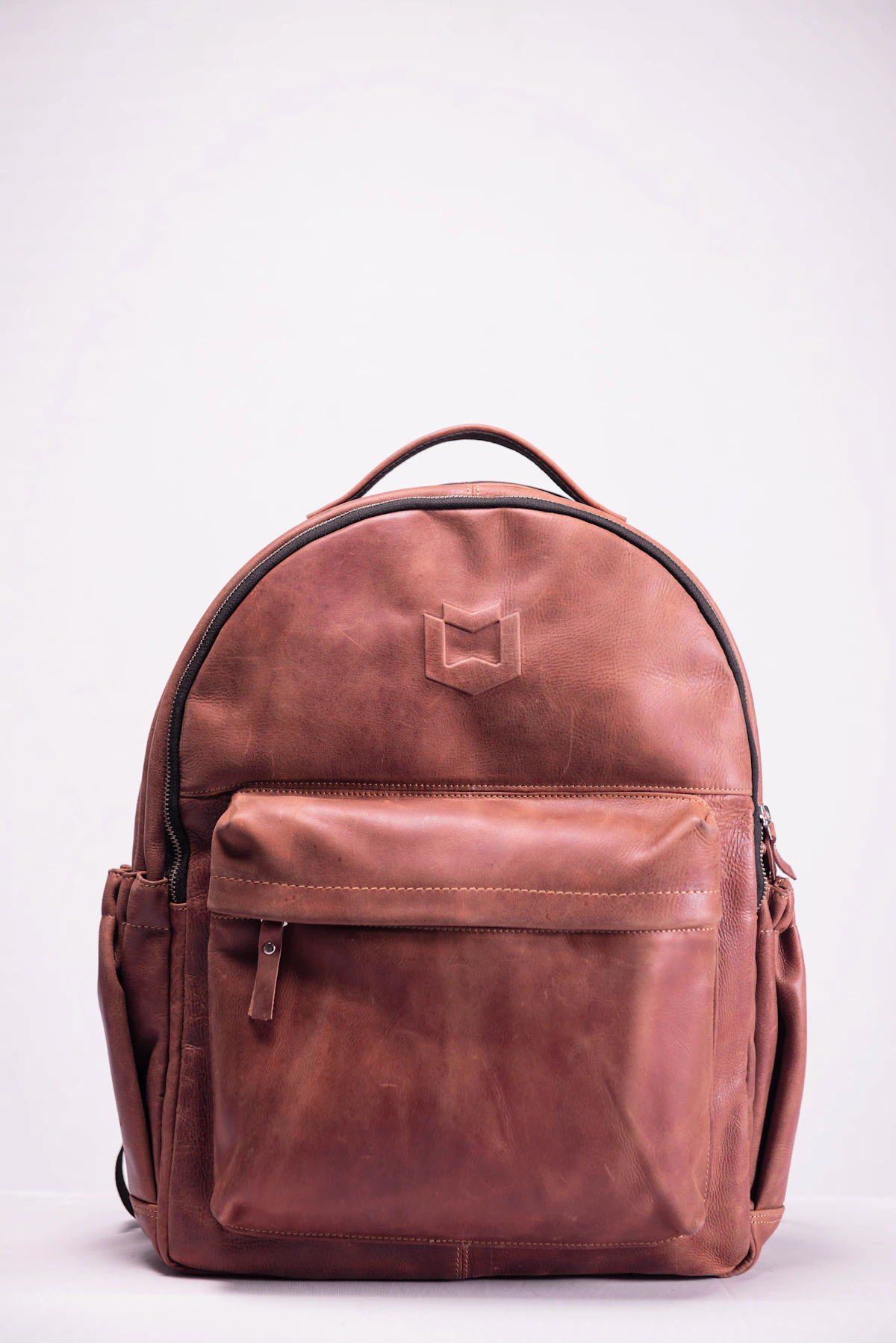

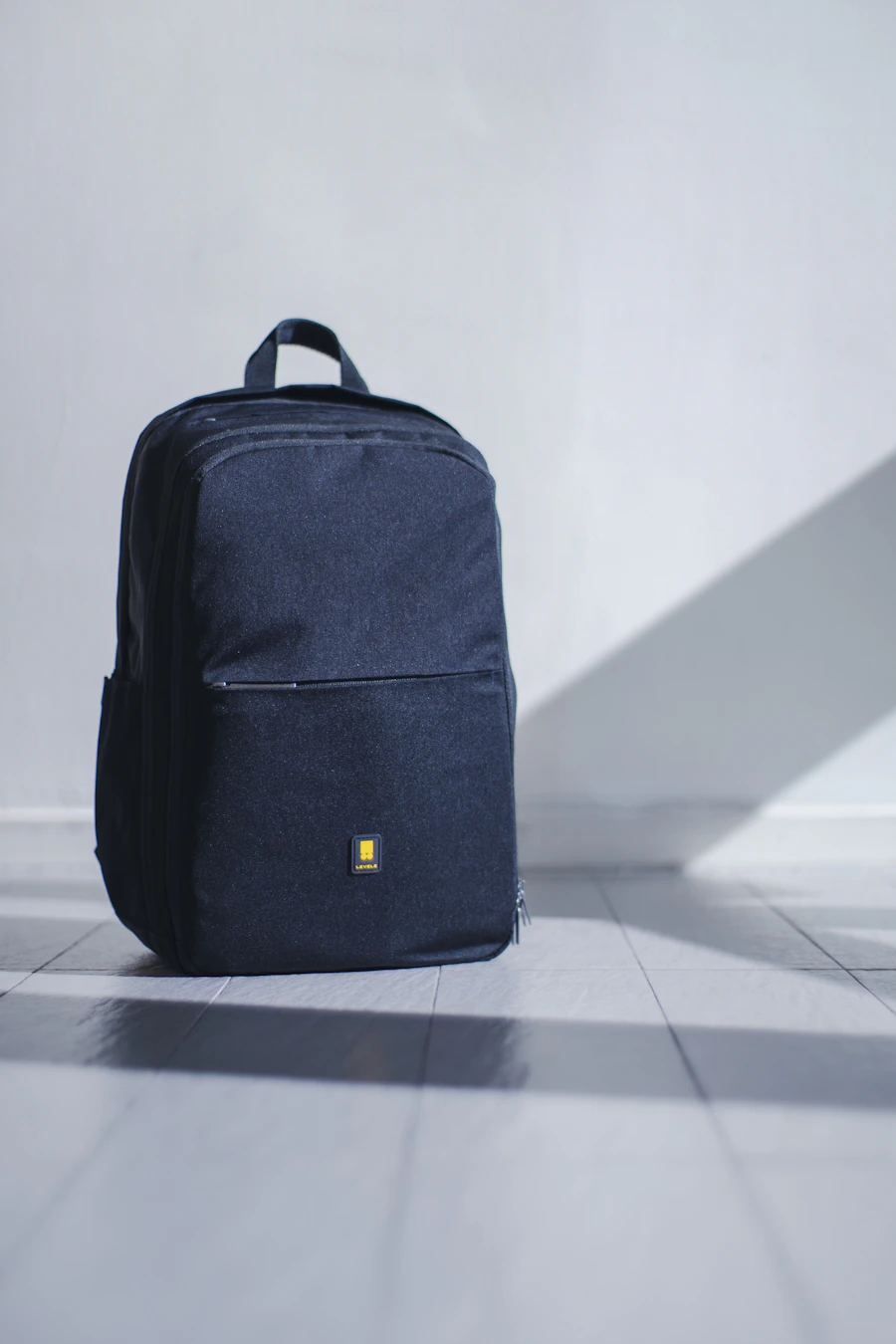

Self-healing fabric technology represents one of the most exciting frontiers in advanced backpack materials, offering the possibility of backpacks that repair their own minor damage without any intervention from the wearer. From polymer coatings that flow to fill scratches when heated to microencapsulated repair agents that are released when damage occurs, self-healing materials promise to dramatically extend backpack lifespan, reduce maintenance requirements, and address the universal problem of cosmetic damage that accumulates during daily use. While still emerging in commercial backpack applications, self-healing technology is moving rapidly from laboratory curiosity to production-ready manufacturing capability.
At Junyuan Bags, we actively monitor and evaluate self-healing fabric technologies, maintaining relationships with material suppliers who are bringing these innovations to commercial viability. Our product development team has tested multiple self-healing material systems in prototype backpack applications, developing practical understanding of how these materials perform in real-world conditions and what manufacturing adaptations they require. While self-healing backpacks are not yet in our standard production catalog, we are positioned to implement these technologies as they mature to commercial readiness. Our 15,000 square meter factory in Quanzhou with 200-plus craftspeople across eight production lines provides the manufacturing flexibility to incorporate self-healing materials as they become commercially viable.
The Science of Self-Healing Materials
Self-healing materials use multiple scientific mechanisms to achieve damage repair, each with distinct characteristics, activation requirements, and commercial maturity levels.
Microencapsulated Healing Agents
Microencapsulated systems embed tiny capsules containing healing agents (adhesives, catalysts, or monomers) within the coating or base material. When the material is scratched or cracked, the capsules rupture along the damage line, releasing the healing agent into the damage site. The healing agent fills the crack or scratch and hardens through chemical reaction (triggered by air exposure, moisture, or a catalyst also embedded in the material), effectively repairing the damage. Self-healing efficiency of 60 to 90 percent of original properties is achievable for minor scratches and abrasions, with the repair occurring automatically without any user intervention beyond normal use.
Thermally Reversible Polymer Networks
Thermally reversible polymer systems use chemical bonds that can break and re-form in response to temperature changes. At room temperature, the polymer network is rigid and stable. When heated (by applying an iron, hairdryer, or simply warm sunlight), the bonds become reversible, allowing the polymer to flow and fill scratches or small tears. Upon cooling, the network re-solidifies with the damage filled. These systems can heal the same damage multiple times as the reversible bonding mechanism can be activated repeatedly. The healing temperature (typically 60 to 80 degrees Celsius) must be achievable through practical means without damaging the backpack or its contents.
Intrinsic Self-Healing Polymers
Intrinsic self-healing polymers contain reversible bonding motifs (such as hydrogen bonds, ionic interactions, or supramolecular associations) built directly into the polymer chain structure. These materials inherently have the ability to re-form broken bonds without requiring external triggers, healing damage autonomously at room temperature. While the most elegant solution conceptually, intrinsic self-healing polymers typically have lower mechanical strength than conventional polymers, making them more suitable for coating applications than structural elements. Commercial intrinsic self-healing polymers are beginning to appear in consumer products as coating systems.
Commercial Self-Healing Technologies for Textiles
Several self-healing technologies have reached commercial availability for textile applications, enabling practical implementation in backpack products.
BASF and HeiQ Self-Healing Technologies
BASF's and HeiQ's self-healing coating technologies use microencapsulated agents released by abrasion or damage. These technologies are applied as fabric finishes that provide self-healing for minor scratches and abrasions in the coated fabric surface. Application as a fabric coating adds 0.80 to 1.50 USD per meter of fabric, making it cost-competitive with other premium fabric treatments. The healing occurs when the fabric is exposed to warmth (room temperature for some formulations, or gentle heat for others), making it practical for everyday use without special procedures.
Garware Technical Fibres and Advanced Self-Healing Coatings
Garware and other technical textile suppliers have developed self-healing coatings specifically formulated for outdoor and technical fabric applications. These coatings combine self-healing chemistry with water repellency, UV resistance, and abrasion resistance, providing comprehensive surface protection that extends beyond simple scratch repair. The coatings are compatible with standard fabric coating application methods (knife-over-roll, padding, spray), enabling integration into existing manufacturing processes without specialized equipment.
PolyU's Room-Temperature Self-Healing Technology
Researchers at The Hong Kong Polytechnic University have developed room-temperature self-healing fabric technologies using protein-based healing agents that are released on fabric damage and re-form cross-links at room temperature. While still transitioning from laboratory to commercial application, this technology offers the compelling promise of self-healing without any heat application or special procedures beyond normal fabric use and handling.
Manufacturing Applications for Backpack Products
Self-healing materials can be integrated into multiple backpack components to provide different protection benefits.
Shell Fabric Self-Healing Coatings
Applying self-healing coating to the outer shell fabric of a backpack provides protection against the scratches, scuffs, and abrasions that accumulate during daily use. A scratched or scuffed self-healing shell fabric repairs itself when exposed to warmth, restoring the fabric's appearance and surface integrity. For premium and luxury backpacks where appearance maintenance is important, self-healing shells extend the product's visual appeal and usable lifetime, supporting premium pricing and sustainability positioning. Our factory has tested self-healing fabric coatings and can implement them in our coating processes.
Waterproof Membrane Self-Healing
Applying self-healing technology to waterproof membranes addresses a critical vulnerability: even tiny punctures or tears in a waterproof membrane can compromise the entire membrane's water resistance. Self-healing membranes containing microencapsulated hydrophobic agents can repair minor punctures automatically, maintaining waterproof integrity throughout the backpack's lifetime. This technology is particularly valuable for outdoor backpacks where waterproof reliability is essential.
Hardware and Zipper Protection
Self-healing principles can extend to zipper tapes, hardware finishes, and protective coatings on metal components. Scratch-resistant self-healing coatings on zippers maintain smooth operation and appearance despite daily wear. Self-healing clear coats on hardware prevent scratching and maintain the polished appearance of metal fittings. While these applications are less mature than fabric self-healing, they represent promising directions for comprehensive self-healing backpack systems.
Performance Characteristics and Limitations
Understanding the capabilities and limitations of self-healing materials is essential for accurate product specification and consumer communication.
Healing Capability Scope
Self-healing materials can repair minor surface damage including superficial scratches, small abrasions, and minor scuffs. The specific healing capability depends on the damage type, size, and depth. Most commercial self-healing coatings heal scratches up to 0.5mm in width and surface-level damage up to 0.1mm in depth. Self-healing does not repair structural damage such as tears, cuts, punctures beyond the coating depth, or damage that exposes the underlying substrate. Consumer expectations must be managed to align with the actual capability: self-healing extends product life and maintains appearance but does not make products indestructible.
Healing Conditions and Timing
The conditions required for healing vary by technology. Room-temperature healing systems activate when the material is at rest at temperatures above 15 degrees Celsius, typically completing the healing process within 24 to 48 hours. Heat-activated systems require exposure to 50 to 80 degrees Celsius for 10 to 30 minutes (achievable with a warm iron on low setting or exposure to direct sunlight in warm conditions). Our factory can specify the optimal self-healing technology for your target market's climate conditions and consumer behavior patterns.
Durability of Self-Healing Effect
Self-healing effectiveness can diminish after repeated healing cycles as healing agent capsules are depleted or reversible bonds are permanently broken. Commercial self-healing coatings are rated for 50 to 200 healing cycles depending on the technology and damage severity. In practice, most users experience far fewer than 50 healing events during a product's lifetime, making the healing capacity effectively unlimited for normal use. Self-healing coatings also degrade naturally over time (typically maintaining 80 percent of effectiveness after 5 years of normal use), but this degradation rate is slower than conventional coatings, extending the product's effective appearance maintenance period.
Market Positioning and Consumer Communication
Self-healing technology offers compelling marketing opportunities while requiring careful communication about actual capabilities to prevent unrealistic expectations.
Sustainability Positioning
Self-healing materials align perfectly with sustainability messaging, extending product lifetime by reducing visible wear, decreasing maintenance requirements, and supporting the circular economy by keeping products in service longer. Products with self-healing technology can claim reduced environmental impact through extended product lifespan, contributing to brand sustainability positioning and ESG reporting goals.
Premium Product Differentiation
Self-healing technology provides strong differentiation for premium backpack positioning, communicating innovation, quality, and advanced materials that justify higher price points. Products featuring self-healing technology can command 10 to 20 percent price premiums over equivalent non-self-healing products, with the premium supporting both the material cost addition and the enhanced brand perception that innovative technology conveys.
Partnering for Self-Healing Backpack Manufacturing
At Junyuan Bags, we are positioned to implement self-healing fabric technologies as they reach commercial maturity. Our product development team has evaluated multiple self-healing material systems and understands the manufacturing requirements for incorporating these materials into backpack production. We work with leading self-healing coating suppliers to source the most effective and commercially viable technologies.
While self-healing backpack production is not yet part of our standard catalog, we welcome brands interested in pioneering self-healing backpack products to contact us to discuss their requirements. Our 15,000 square meter factory, 200-plus craftspeople, BSCI certification, and ISO 9001:2015 quality management provide the manufacturing foundation for bringing self-healing backpack products to market. Contact us at service@junyuanbags.com or WhatsApp +8617750020688 to discuss your self-healing backpack development requirements.
Industry Insights & Future Outlook
Self-healing fabric technology in backpacks represents one of the most promising innovations in textile science, with the potential to fundamentally alter the product lifecycle economics of bags and packs. The self-healing materials market, encompassing polymers, coatings, and textiles, is valued at approximately 4.2 billion USD in 2024 and is projected to grow at a compound annual rate of 10.6 percent through 2031. Backpack applications are identified as one of the earliest mass-market opportunities because the relatively small punctures and abrasions common in bag use fall squarely within the capability range of current self-healing technologies.
Research institutions worldwide are advancing self-healing fabric capabilities beyond current commercial limits. The University of Southern Mississippi has developed polyurethane elastomers that heal cuts up to 5 millimeters wide within 30 minutes at room temperature, requiring no external heat or chemical catalysts. Teams at the University of California Riverside have demonstrated fabric coatings incorporating microvascular networks that deliver healing agents to damage sites automatically, enabling repeated healing at the same location without degradation of performance. These laboratory breakthroughs suggest that commercial self-healing backpack fabrics with significantly improved capabilities will reach the market within three to five years.
The integration of self-healing properties with other functional fabric treatments creates opportunities for multi-functional textile systems. Combining self-healing with water repellency, UV resistance, and antimicrobial protection in a single fabric treatment would address the four most common degradation mechanisms in backpack materials simultaneously. Early-stage research into hybrid nano-coatings that provide self-healing alongside these additional functions is showing promising results, though the challenge of maintaining all functions through repeated healing cycles remains an active area of development. Manufacturers participating in collaborative research programs with material science institutions will gain early access to these next-generation multi-functional fabrics.
From a sustainability perspective, self-healing fabrics offer perhaps the most direct path to extending product lifetimes in the backpack industry. A backpack that can autonomously repair minor damage avoids the most common failure points that lead consumers to discard otherwise functional products. Life cycle assessment models suggest that widespread adoption of self-healing fabrics could extend average backpack usable life by 30 to 50 percent, directly reducing the volume of textile waste generated by the industry. This sustainability benefit aligns with growing brand commitments to circular economy principles and provides compelling marketing narratives for environmentally conscious consumers.
Industry experts predict that self-healing fabric technology will begin appearing in premium backpack lines within two to three years, initially as protective coatings applied to high-wear areas before expanding to full-fabric integration. Manufacturers developing the manufacturing processes, quality testing protocols, and supply chain relationships for self-healing textiles today will establish the technical foundation needed to lead this transformative product category.
Frequently Asked Questions
What is self-healing fabric technology and how does it work?
Self-healing fabric technology enables materials to repair minor damage without user intervention. Three main mechanisms exist: microencapsulated healing agents (tiny capsules embedded in the coating rupture when scratched, releasing adhesive that fills and repairs the damage), thermally reversible polymers (polymers that become fluid when heated, flowing to fill scratches before re-solidifying upon cooling), and intrinsic self-healing polymers (polymers with reversible chemical bonds that re-form automatically at room temperature after being broken). Commercial self-healing coatings primarily use the microencapsulated approach, healing minor scratches when exposed to warmth.
What types of damage can self-healing backpacks repair?
Self-healing backpacks can repair minor surface scratches, superficial scuffs, small abrasions, and light surface damage in the coating layer. Healing capability is typically limited to scratches up to 0.5mm wide and damage up to 0.1mm deep that remains within the self-healing coating layer. Self-healing does not repair structural damage including tears, cuts, punctures through the coating, or damage that penetrates to the underlying fabric. Managing consumer expectations about the scope of healing capability is essential for positive user experience.
How much does self-healing coating add to backpack manufacturing cost?
Self-healing fabric coating adds approximately 0.80 to 1.50 USD per meter of fabric, which translates to 1.50 to 4.00 USD per backpack unit depending on fabric area. For a complete backpack with self-healing shell fabric, total cost addition is 2.00 to 6.00 USD. These costs enable retail price premiums of 10 to 20 percent, which typically exceed the cost addition and provide positive margin contribution. The sustainability benefit of extended product lifetime also supports premium positioning in environmentally-conscious market segments.
How many times can a self-healing backpack heal itself?
Commercial self-healing coatings are rated for 50 to 200 healing cycles depending on the technology and damage severity. In practice, most users experience fewer than 20 healing events during a product's lifetime, making the healing capacity effectively unlimited for normal use. Self-healing effectiveness gradually diminishes as healing agents are depleted, but the degradation rate is much slower than conventional coatings, extending the product's appearance maintenance period by 2 to 3 times compared to non-self-healing equivalents.
Are self-healing backpacks available commercially?
Self-healing backpack products are beginning to appear commercially as the technology matures. Several brands have launched pilot products featuring self-healing fabric coatings, and material suppliers are scaling production to meet growing demand. Full commercial availability for mainstream backpack products is expected within the next 2 to 3 years as manufacturing costs decrease and supply chains mature. Our factory is positioned to implement self-healing technologies as they reach commercial readiness for our brand partners.
Ready to Source Sustainable and Tech-Integrated Backpacks?
Partner with a factory that combines eco-conscious manufacturing with cutting-edge technology. Our 15,000 sqm facility in Quanzhou delivers innovation at scale.
Email: service@junyuanbags.com
WhatsApp: +8617750020688
MOQ 300pcs | BSCI & ISO 9001:2015 Certified | Est. 2004
Junyuan Bags | 15,000 sqm Factory | 200+ Craftspeople | 8 Production Lines
C201-207 Huachuang Park, Quanzhou, Fujian, China
BSCI & ISO 9001:2015 Certified | <0.3% Defect Rate | MOQ 300pcs
Est. 2004 | service@junyuanbags.com | WhatsApp: +8617750020688