Backpack Recycled Nylon Manufacturing: Complete Guide to ECONYL and rPA Production
Published by the Junyuan Bags editorial team | Last updated January 2025 | Reading time: 15 minutes


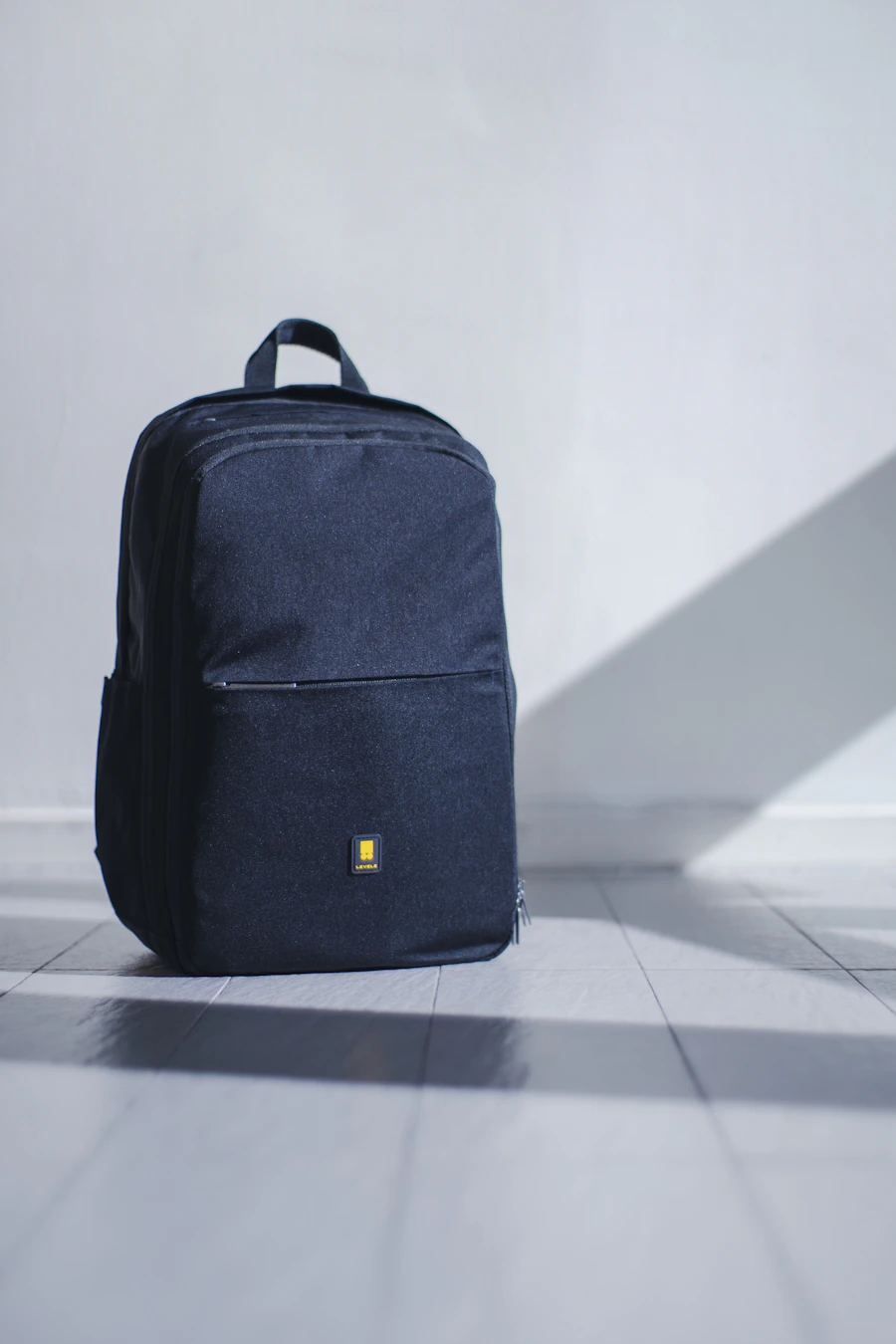

Recycled nylon has emerged as the premium sustainable material for performance backpack manufacturing, offering the technical properties that backpacks demand while dramatically reducing environmental impact compared to virgin nylon. The global recycled nylon market reached 1.8 billion USD in 2024, with the bags and accessories segment growing at 14.2 percent annually, according to a report by MarketsandMarkets. For backpack brands targeting the outdoor, travel, and technical segments, recycled nylon is becoming the material of choice for sustainability-conscious product development.
At Junyuan Bags, we have extensive experience manufacturing backpacks with recycled nylon fabrics including ECONYL regenerated nylon, recycled nylon 6 from industrial waste, and recycled nylon 66 from post-consumer sources. Our 15,000 square meter factory in Quanzhou processes recycled nylon in shell fabrics, linings, and webbing across multiple product lines for leading international brands. Our 200-plus craftspeople across eight production lines are trained in the specific handling requirements of recycled nylon fabrics, ensuring consistent quality that meets our sub-0.3 percent defect rate standard.
This guide covers the complete landscape of recycled nylon for backpack manufacturing, from raw material sourcing and production processes through performance characteristics, manufacturing best practices, and market positioning. Whether you are specifying recycled nylon for the first time or expanding your recycled nylon product range, this guide provides the technical and commercial framework you need.
Understanding Recycled Nylon: Types and Sources
Recycled nylon encompasses multiple material streams with different sources, properties, and applications in backpack manufacturing. Understanding these distinctions is essential for accurate material specification and credible sustainability claims.
Recycled Nylon 6 (rPA6)
Nylon 6, also known as polyamide 6 or PA6, is the most commonly recycled nylon type in backpack manufacturing. Recycled nylon 6 is produced from multiple waste streams including discarded fishing nets (the primary source for ECONYL), carpet waste, textile production scrap, and industrial nylon 6 waste. The recycling process involves collection, cleaning, depolymerization back to caprolactam monomer, repolymerization into virgin-quality nylon 6 polymer, and fiber extrusion. The result is nylon 6 fiber with identical performance properties to virgin nylon 6, certified by GRS for recycled content verification.
Recycled Nylon 66 (rPA66)
Nylon 66 offers higher heat resistance and slightly better mechanical properties than nylon 6, making it preferred for demanding technical applications. Recycled nylon 66 is less common than recycled nylon 6 because the recycling process is more complex, requiring separation of nylon 66 from nylon 6 and other contaminants. However, several suppliers now offer GRS-certified recycled nylon 66 derived from automotive industry waste and post-consumer textile recycling streams. Recycled nylon 66 is particularly relevant for outdoor and technical backpack applications where maximum durability is required.
ECONYL: The Leading Recycled Nylon Brand
ECONYL, produced by Aquafil, is the world's most recognized recycled nylon brand, made from 100 percent regenerated nylon 6 derived from fishing nets, fabric scraps from mills, carpet flooring, and industrial plastic. ECONYL fiber is chemically identical to virgin nylon 6, meaning it can be recycled, remade, and remolded infinitely without losing quality. The ECONYL regeneration process reduces global warming impact of nylon 6 by up to 90 percent compared to virgin nylon 6 produced from oil. Major backpack brands including Prada, Gucci, and multiple outdoor brands use ECONYL in their sustainable product lines.
Performance Comparison: Recycled vs Virgin Nylon
A common concern about recycled materials is whether they match the performance of virgin equivalents. For recycled nylon in backpack applications, the answer is a clear yes when working with certified regenerated nylon from established suppliers.
| Property | Virgin Nylon 6 | ECONYL Recycled Nylon 6 | Generic rPA6 |
|---|---|---|---|
| Tensile Strength (MPa) | 75-85 | 75-85 | 70-82 |
| Elongation at Break (%) | 200-300 | 200-300 | 180-280 |
| Abrasion Resistance | Excellent | Excellent | Very Good |
| UV Resistance | Good | Good | Good |
| Dyeability | Excellent | Excellent | Good |
| Cost per kg fiber | 3.5-4.5 USD | 5.0-7.0 USD | 4.0-5.5 USD |
| CO2e per kg | 7.2 kg | 3.2 kg CO2e | 3.5-4.5 kg CO2e |
Recycled Nylon Fabric Types for Backpack Manufacturing
Recycled nylon is available in the same fabric constructions as virgin nylon, providing flexibility in material selection for different backpack applications.
Recycled Nylon Ripstop
Ripstop construction with recycled nylon yarns provides excellent tear resistance for lightweight backpack applications. Available in deniers from 15D to 70D, recycled nylon ripstop fabrics weigh between 40 and 120 grams per square meter, making them ideal for ultralight backpacks, packable daypacks, and technical applications where weight savings are critical. The visible ripstop grid pattern adds aesthetic interest while serving its functional reinforcement purpose.
Recycled Nylon Ballistic and Cordura-Equivalent
For heavy-duty backpack applications, recycled nylon is available in ballistic weaves (1050D and 1680D) and Cordura-equivalent constructions that deliver the abrasion resistance and durability demanded by work, military, and extreme outdoor backpacks. Recycled nylon 1000D achieves comparable Taber abrasion resistance to virgin nylon equivalents, making it suitable for applications where backpack durability is paramount. Our factory produces recycled nylon heavy-duty backpacks that meet the same performance standards as conventional nylon products.
Recycled Nylon Taslan and Dobby Weaves
For lifestyle and business backpack applications, recycled nylon Taslan (air-textured for cotton-like hand feel) and dobby weave constructions offer refined aesthetics with sustainable credentials. These fabrics provide a premium look and feel that appeals to business and lifestyle consumers while delivering the performance advantages of nylon including lightweight construction, water resistance, and durability.
Environmental Impact of Recycled Nylon in Backpacks
The environmental case for recycled nylon in backpack manufacturing is compelling, with significant reductions across multiple impact categories compared to virgin nylon.
Carbon Footprint Reduction
Recycled nylon 6 reduces CO2 emissions by 55 percent compared to virgin nylon 6, from 7.2 kg CO2e per kilogram to approximately 3.2 kg CO2e per kilogram. For a typical backpack using 400 grams of nylon shell fabric, this translates to 1.6 kilograms of CO2 saved per unit. At scale, a brand producing 100,000 recycled nylon backpacks annually avoids approximately 160 tonnes of CO2 emissions compared to virgin nylon equivalents.
Waste Diversion and Resource Conservation
ECONYL's fishing net recovery program has diverted over 100,000 tonnes of abandoned fishing nets from oceans and waterways, addressing the critical problem of ghost fishing that kills marine life. Beyond fishing nets, recycled nylon production diverts carpet waste, textile scraps, and industrial nylon waste from landfill and incineration. The regeneration process uses 66 percent less non-renewable energy than virgin nylon production and significantly reduces water consumption and chemical usage in fiber production.
Manufacturing Best Practices for Recycled Nylon Backpacks
While recycled nylon performs identically to virgin nylon in most respects, certain manufacturing best practices ensure optimal results and maintain the integrity of recycled content certification.
GRS Certification Chain Management
Maintaining GRS certification throughout recycled nylon backpack production requires documented chain of custody from the nylon recycler through fiber spinner, fabric weaver, finisher, and final backpack manufacturer. Each entity must hold valid GRS certification and provide transaction certificates for each material batch. Our factory maintains GRS certification and complete documentation for all recycled nylon production runs, enabling our brand partners to make verified recycled content claims on their products.
Cutting and Sewing Considerations
Recycled nylon fabrics cut and sew similarly to virgin nylon equivalents, with identical requirements for sharp cutting tools, synthetic needles, and bonded polyester thread. The primary manufacturing consideration is contamination control: recycled nylon production areas must be kept separate from conventional nylon production to prevent cross-contamination that could compromise GRS certification claims. Our factory maintains dedicated production zones and equipment for recycled nylon products, ensuring certification integrity.
Finishing and Coating for Recycled Nylon
Recycled nylon accepts standard finishing treatments including water-based PU coatings, PFC-free DWR, and laminations with identical results to virgin nylon. Water-based coatings are particularly appropriate for recycled nylon backpacks because they align with the sustainability positioning of recycled materials. Our factory applies water-based waterproofing and PFC-free DWR finishes to recycled nylon backpack fabrics, delivering complete sustainable performance systems that combine recycled content with environmentally responsible finishing chemistry.
Cost Considerations for Recycled Nylon Backpacks
Recycled nylon commands a cost premium over virgin nylon, but the premium has decreased significantly as production scales and recycling technology improves.
Material Cost Analysis
ECONYL recycled nylon 6 typically costs 40 to 60 percent more than virgin nylon 6 at the fiber level, translating to a 20 to 35 percent cost premium at the fabric level after accounting for standard weaving and finishing costs. For a typical backpack using 400 grams of 420D nylon fabric, the material cost increase is approximately 1.50 to 3.00 USD per unit. Generic recycled nylon 6 (non-branded) reduces this premium to 15 to 25 percent while maintaining GRS certification and comparable performance.
Total Cost of Ownership
When the full commercial picture is considered, recycled nylon cost premiums are often offset by brand value creation, premium pricing power, and market access requirements. Many European retailers now require or prefer recycled content in textile products, making recycled nylon effectively necessary for market access. The typical retail price premium for recycled nylon backpacks ranges from 15 to 30 percent over conventional equivalents, providing margin enhancement that exceeds the material cost increase.
Partnering for Recycled Nylon Backpack Production
Manufacturing recycled nylon backpacks requires a partner with GRS certification, recycled material handling expertise, and the quality systems needed to deliver consistent results.
At Junyuan Bags, our GRS-certified recycled nylon capabilities span the full range of recycled nylon fabrics from lightweight ripstop to heavy-duty ballistic constructions. Our 15,000 square meter factory in Quanzhou maintains dedicated recycled nylon production areas, complete GRS chain-of-custody documentation, and 200-plus trained craftspeople across eight production lines who understand recycled nylon handling requirements. Our BSCI social compliance certification and ISO 9001:2015 quality management system provide the comprehensive credential package that brands need for responsible sourcing.
Whether you are developing outdoor backpack lines with ECONYL, creating heavy-duty backpack products with recycled nylon, or exploring custom recycled nylon collections, our team provides the technical expertise and certification compliance needed to succeed. Contact us at service@junyuanbags.com or WhatsApp +8617750020688 to discuss your recycled nylon backpack requirements.
Frequently Asked Questions
Is recycled nylon as strong and durable as virgin nylon for backpacks?
Yes, certified recycled nylon such as ECONYL has identical performance properties to virgin nylon 6. Tensile strength of 75-85 MPa, elongation at break of 200-300 percent, and abrasion resistance matching virgin nylon exactly. The regeneration process breaks nylon waste down to the caprolactam monomer and repolymerizes it, producing fiber that is chemically identical to virgin nylon. Backpacks made with recycled nylon perform identically to those made with virgin nylon in all mechanical tests and real-world use conditions.
What is ECONYL and why is it preferred for premium recycled nylon backpacks?
ECONYL is a branded regenerated nylon 6 produced by Aquafil from 100 percent waste materials including discarded fishing nets, carpet waste, textile scraps, and industrial nylon waste. It is preferred for premium recycled nylon backpacks because it offers complete traceability from waste source to finished fiber, brand recognition among sustainability-conscious consumers, identical performance to virgin nylon 6, infinite recyclability without quality loss, and up to 90 percent reduction in global warming impact compared to virgin nylon. Major luxury and outdoor brands specify ECONYL for their sustainable product lines.
How much more does recycled nylon cost compared to virgin nylon for backpack production?
ECONYL branded recycled nylon 6 costs 40 to 60 percent more than virgin nylon at the fiber level, translating to 20 to 35 percent higher fabric costs. For a typical backpack using 400g of nylon fabric, the material cost increase is approximately 1.50 to 3.00 USD per unit. Generic (non-branded) GRS-certified recycled nylon 6 reduces this premium to 15 to 25 percent. The cost premium is typically offset by retail price premiums of 15 to 30 percent for recycled nylon backpacks, plus enhanced brand value and market access benefits that provide additional commercial returns.
What certifications should I require from my recycled nylon backpack supplier?
Your recycled nylon backpack supplier should hold GRS (Global Recycled Standard) certification, which verifies recycled content through chain-of-custody documentation. Additionally, suppliers should provide transaction certificates (TCs) for each material batch, confirming the recycled content percentage and source. OEKO-TEX STANDARD 100 certification verifies chemical safety of the finished fabric. BSCI or equivalent social compliance certification addresses labor practices. For premium positioning, bluesign certification provides the most comprehensive environmental assurance for the entire production process.
Can recycled nylon be used for all types of backpacks from lightweight to heavy-duty?
Yes, recycled nylon is available in the full range of fabric constructions needed for all backpack types. Lightweight ripstop (15D-70D) serves ultralight and packable backpacks. Mid-weight dobby and Taslan weaves (200D-500D) work for everyday, business, and travel backpacks. Heavy-weight ballistic and Cordura-equivalent constructions (1000D-1680D) meet the durability requirements of work, military, and extreme outdoor backpacks. Recycled nylon accepts all standard coatings, laminations, and finishes, making it a complete substitute for virgin nylon across every backpack application category.
Ready to Source Sustainable and Tech-Integrated Backpacks?
Partner with a factory that combines eco-conscious manufacturing with cutting-edge technology. Our 15,000 sqm facility in Quanzhou delivers innovation at scale.
Email: service@junyuanbags.com
WhatsApp: +8617750020688
MOQ 300pcs | BSCI & ISO 9001:2015 Certified | Est. 2004
Junyuan Bags | 15,000 sqm Factory | 200+ Craftspeople | 8 Production Lines
C201-207 Huachuang Park, Quanzhou, Fujian, China
BSCI & ISO 9001:2015 Certified | <0.3% Defect Rate | MOQ 300pcs
Est. 2004 | service@junyuanbags.com | WhatsApp: +8617750020688