Backpack Nanotechnology Coatings: Superhydrophobic and Advanced Surface Treatments
Published by the Junyuan Bags editorial team | Last updated January 2025 | Reading time: 15 minutes


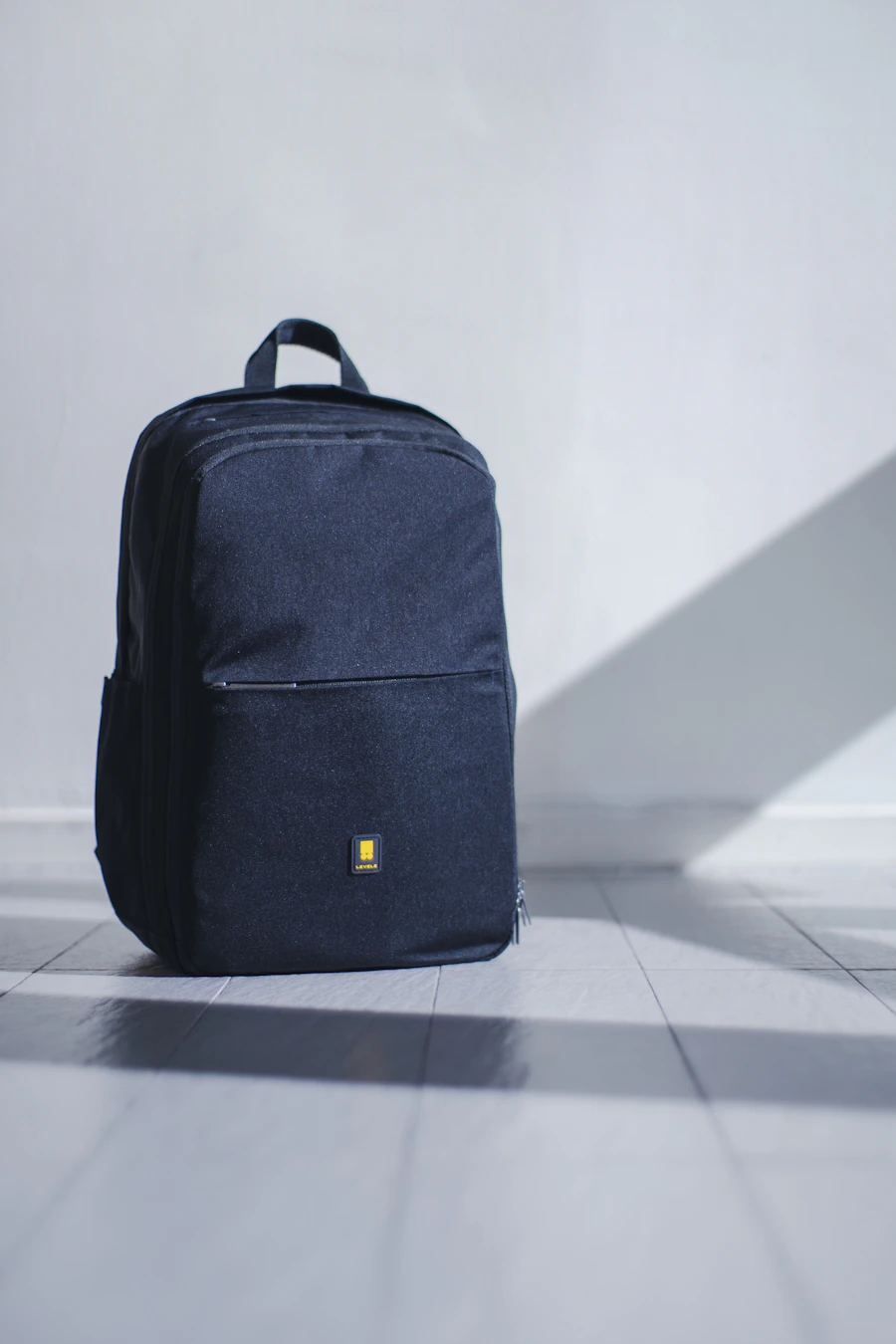

Nanotechnology coatings represent the frontier of surface treatment for backpack fabrics, offering performance characteristics that were previously impossible to achieve through conventional chemistry. From superhydrophobic lotus-effect coatings that cause water to bead and roll off surfaces to nano-scale reinforcement that increases abrasion resistance without adding weight, nanotechnology transforms ordinary backpack fabrics into high-performance materials with remarkable functional properties. For backpack manufacturers and brands, nanotechnology coatings offer compelling differentiation opportunities while aligning with sustainability goals through reduced chemical usage and extended product lifetime.
At Junyuan Bags, we apply nanotechnology coatings to backpack fabrics across multiple product lines, using nano-silica and nano-oxide formulations that enhance water repellency, stain resistance, UV protection, and durability. Our 15,000 square meter factory in Quanzhou maintains dedicated coating lines with the precise application equipment needed to achieve consistent nano-coating results. Our 200-plus craftspeople are trained in nano-coating application procedures that ensure uniform coverage and optimal performance. Combined with BSCI certification and ISO 9001:2015 quality management, we deliver nano-coated backpacks that perform consistently in real-world conditions.
The Science of Nanotechnology in Textile Coatings
Nanotechnology in textile coatings operates at the scale of individual molecules and particles, creating surface properties that emerge from nanoscale structures rather than bulk chemical composition.
Nanoscale Surface Structures
Nanotechnology coatings work by creating surface structures at the nanometer scale (one billionth of a meter) that alter the interaction between the surface and external substances. On a smooth surface, water makes contact with the entire surface area. On a nano-textured surface, water contacts only the tips of nano-structures, with air trapped in the valleys between. This dramatically reduces the contact area, causing water to bead and roll off rather than spreading. The same principle applies to dirt and oils, which also contact only the nano-structure tips and are removed when water beads and rolls away.
Nanoparticle Chemistry
Nanoparticles used in textile coatings include nano-silica (SiO2), nano-alumina (Al2O3), nano-titania (TiO2), nano-zinc oxide (ZnO), and carbon-based nanoparticles. Nano-silica creates superhydrophobic surfaces and enhances scratch resistance. Nano-alumina increases hardness and abrasion resistance. Nano-titania provides UV protection and photocatalytic self-cleaning properties. Nano-zinc oxide provides UV protection with the added benefit of antimicrobial properties. Each nanoparticle type contributes specific performance properties, and optimal nano-coating formulations combine multiple nanoparticle types for comprehensive performance enhancement.
The Lotus Effect and Superhydrophobicity
The lotus effect, named after the self-cleaning properties of lotus leaves, describes how nano-scale surface structures create superhydrophobic and self-cleaning surfaces. Lotus leaves have papillae (tiny bumps) at the nano-scale covered with hydrophobic wax crystals. Water droplets bead on these structures with contact angles exceeding 150 degrees, causing them to roll off and pick up dirt particles in their path. Replicating this structure in textile coatings creates self-cleaning surfaces where water droplets remove dust and contaminants as they roll across the surface, maintaining cleanliness without washing.
Types of Nanotechnology Coatings for Backpack Fabrics
Multiple nanotechnology coating approaches serve different performance requirements in backpack applications.
Nano-Silica Superhydrophobic Coatings
Nano-silica coatings create extremely water-repellent surfaces by building nano-scale silica structures on the fabric fiber surface. Contact angles of 150 to 160 degrees are achievable, compared to 90 to 110 degrees for conventional fluorocarbon DWR coatings. Water beads and rolls off these surfaces with minimal contact, carrying dirt with it. Nano-silica coatings are typically applied as aqueous dispersions that are cured at 120 to 150 degrees Celsius, making them compatible with standard fabric coating equipment. The coatings are PFC-free (containing no perfluorinated compounds), making them compliant with emerging PFAS restrictions.
Nano-Oxide UV-Protective Coatings
Nano-titania (TiO2) and nano-zinc oxide (ZnO) coatings provide UV protection by absorbing and scattering ultraviolet radiation. At the nano scale, these materials are transparent to visible light while being highly effective UV absorbers, maintaining the fabric's appearance while blocking 95 to 99 percent of UV radiation. Nano-ZnO offers the additional benefit of antimicrobial properties, inhibiting bacterial and fungal growth on the fabric surface. These coatings are particularly valuable for outdoor backpacks exposed to prolonged sun exposure where UV degradation of both fabric and contents is a concern.
Nano-Reinforcement for Durability
Nano-scale reinforcement coatings add hardness and abrasion resistance to fabric surfaces without significantly affecting flexibility or hand feel. Nano-alumina and nano-silica particles embedded in the coating matrix create scratch-resistant surfaces that maintain their appearance despite daily wear. These nano-reinforced coatings extend product lifetime by reducing visible wear, supporting both the economic and environmental case for premium backpack products.
Manufacturing Nanotechnology Coatings
Nanotechnology coating application requires specific equipment and procedures that ensure uniform coverage and proper curing.
Application Methods
Nanotechnology coatings are applied using standard fabric coating equipment including padding (foulard) systems, knife-over-roll coating, and spray application. The nanoparticle dispersion must be properly formulated to prevent particle aggregation, which would reduce effectiveness and create visible defects. Padding provides the most uniform application for lightweight fabrics, with wet pick-up controlled to achieve the target add-on percentage. Spray application is suitable for complex-shaped components where full immersion is impractical.
Curing and Fixation
Nanoparticle coatings must be properly cured to achieve optimal performance. Typical curing conditions are 120 to 150 degrees Celsius for 2 to 5 minutes, during which the nanoparticle layer bonds to the fabric surface and any binder system cross-links. Under-curing reduces coating adhesion and durability, while over-curing may damage nano-structures or cause discoloration. Our factory maintains precise temperature and speed controls on our coating line curing ovens to ensure consistent cure conditions across all nano-coated production runs.
Quality Control for Nanocoatings
Quality control for nanotechnology coatings includes contact angle measurement for hydrophobicity verification, spray rating testing for water repellency, FTIR spectroscopy for nanoparticle presence confirmation, abrasion testing for durability verification, and scanning electron microscopy for nano-structure visualization on production samples. These tests verify that the nanoscale properties are achieved and maintained through production and washing cycles.
Performance Characteristics and Durability
Understanding nano-coating performance and longevity enables accurate specification and consumer communication.
Water Repellency Performance
Nano-silica superhydrophobic coatings achieve water contact angles of 140 to 160 degrees, compared to 100 to 120 degrees for conventional DWR coatings. This translates to dramatically improved water beading, with water droplets rolling off the surface at inclinations of 5 to 10 degrees rather than 20 to 30 degrees for conventional coatings. The self-cleaning effect removes dirt as water rolls across the surface, maintaining cleanliness between washes. Initial performance can equal or exceed fluorocarbon DWR, with the key advantage being PFC-free chemistry that avoids environmental and regulatory concerns.
Durability and Wash Resistance
Nanotechnology coating durability depends on the specific formulation and application method. Properly formulated and applied nano-coatings maintain 80 to 90 percent of initial water repellency after 30 home washes, with some advanced formulations maintaining performance through 50+ washes. The primary durability mechanism is the covalent bonding of nanoparticles to the fiber surface, which resists removal during laundering. Our factory uses nano-coating formulations rated for 30+ wash cycles, matching typical consumer laundry patterns for backpack products.
Partnering for Nano-Coated Backpack Manufacturing
At Junyuan Bags, our nanotechnology coating capabilities span superhydrophobic nano-silica, UV-protective nano-oxides, and nano-reinforcement systems across our 15,000 square meter factory in Quanzhou. Our dedicated coating lines with precision application and curing equipment ensure consistent nano-coating performance across production runs. Our 200-plus craftspeople are trained in nano-coating procedures that maintain the nanoscale properties needed for optimal performance.
Whether you need outdoor backpacks with superhydrophobic nano-coating, travel backpacks with self-cleaning surfaces, or custom backpacks with advanced nanotechnology, our coating expertise delivers reliable performance. Contact us at service@junyuanbags.com or WhatsApp +8617750020688 to discuss your nanotechnology coating requirements.
Industry Insights & Future Outlook
The nanotechnology coatings market for backpacks and technical textiles is undergoing a transformational period. Valued at approximately 1.2 billion USD globally in 2024, the segment is projected to grow at 9.4 percent annually through 2030, driven by consumer demand for higher-performing, longer-lasting products and increasing availability of cost-effective nano-coating application methods. The shift from batch processing to continuous roll-to-roll nano-coating lines has reduced per-unit coating costs by 40 to 60 percent over the past five years, making nano-coated backpacks accessible across broader price ranges.
Several breakthrough developments are expanding the capabilities of nanotechnology in backpack manufacturing. Self-cleaning nano-coatings that combine photocatalytic titanium dioxide nanoparticles with hydrophobic silica are entering commercial production, enabling fabrics that break down organic stains when exposed to sunlight while repelling water and oil-based contaminants. These dual-action coatings eliminate the need for chemical cleaning in many scenarios, extending fabric appearance and function between washes while reducing the environmental impact of garment maintenance. Researchers at ETH Zurich have demonstrated coatings that combine UV-blocking, antimicrobial, and superhydrophobic properties in a single nanoscale layer under 200 nanometers thick, preserving the hand-feel and breathability of the base fabric.
The regulatory landscape for nanomaterials in consumer textiles is evolving rapidly. The European Commission's revised regulation on nanomaterials in consumer products, effective from 2026, requires manufacturers to demonstrate that nanoparticles used in textile coatings cannot migrate from the fabric surface during normal use and washing. This has accelerated the development of covalently-bonded nano-coatings where nanoparticles are chemically attached to fabric fibers rather than simply deposited on the surface, providing superior durability and addressing regulatory concerns about nanoparticle release. Companies investing in chemically-bonded nano-coating technologies now are building compliance infrastructure that will become mandatory for all textile exporters to the European market.
Sustainability implications of nanotechnology coatings present both opportunities and challenges. On the positive side, nano-coatings that extend fabric life by two to three times directly reduce the volume of textile waste entering landfills. Water-repellent nano-coatings can replace fluorocarbon-based DWR treatments that contain persistent PFAS chemicals, addressing one of the textile industry's most significant environmental liabilities. However, the environmental fate of nanoparticles released during washing remains an active area of research, and manufacturers must balance performance benefits with responsible material selection and transparent lifecycle assessment.
Industry observers expect that within the next three to five years, nano-coatings will be standard on mid-range and premium backpacks, with basic water and stain resistance becoming a consumer expectation rather than a premium feature. Manufacturers developing robust nano-coating expertise and supply chain relationships today will be well positioned to capture the growing demand for high-performance, sustainable backpack products.
Frequently Asked Questions
What are nanotechnology coatings and how do they work on backpack fabrics?
Nanotechnology coatings use nano-scale (one billionth of a meter) particles and structures to create surface properties that differ from conventional coatings. Nano-silica coatings create superhydrophobic lotus-effect surfaces where water droplets bead with 140-160 degree contact angles and roll off at 5-10 degree inclines, removing dirt in the process. Nano-oxide coatings (TiO2, ZnO) provide UV protection by absorbing radiation at the nano scale while remaining transparent to visible light. Nano-reinforcement particles (alumina, silica) increase surface hardness and abrasion resistance. These nano-scale properties emerge from surface structures that are invisible to the naked eye but fundamentally alter how the surface interacts with water, dirt, and light.
Are nanotechnology coatings safe and environmentally friendly?
Modern nanotechnology coatings are designed with safety and environmental responsibility in mind. Nano-silica coatings are PFC-free, avoiding the environmental and health concerns associated with perfluorinated compounds. Most nano-coatings are water-based rather than solvent-based, reducing VOC emissions. Nano-oxide UV filters (ZnO, TiO2) at the nano scale used in textile coatings have been evaluated by regulatory bodies and found safe for consumer use when properly formulated and fixed to the fabric. However, nano-coating manufacturing does require careful handling of nanoparticle dispersions to protect worker health, which reputable factories manage through proper PPE and handling procedures.
How durable are nanotechnology coatings on backpacks?
Properly applied nanotechnology coatings maintain 80-90 percent of initial water repellency after 30 home washes, with advanced formulations maintaining performance through 50+ washes. Durability depends on proper curing during application (ensuring nanoparticle bonding to the fiber surface), appropriate binder systems that resist wash removal, and fabric type compatibility. Our factory uses nano-coating formulations rated for 30+ wash cycles with documented wash durability testing on every production lot. Abrasion resistance from nano-reinforcement coatings is maintained through the product lifetime with no degradation mechanism.
What is the cost of nanotechnology coatings for backpack fabrics?
Nanotechnology coating adds approximately 0.50 to 2.00 USD per meter of fabric depending on the specific technology and performance level. For a standard backpack using 2-3 meters of fabric, the total nano-coating cost addition is 1.00 to 4.00 USD per unit. These costs enable retail price premiums of 10-20 percent, with the premium justified by enhanced performance, PFC-free compliance, and extended product lifetime. The sustainability benefit of reduced cleaning requirements (self-cleaning surfaces need less washing) also supports environmental positioning.
Can nanotechnology coatings replace traditional DWR treatments on backpacks?
Yes, nano-silica superhydrophobic coatings can replace traditional fluorocarbon DWR treatments while achieving equal or better initial water repellency. The key advantages are PFC-free chemistry (avoiding PFAS regulatory concerns) and equivalent or better initial performance. The primary consideration is wash durability: while advanced nano-coatings achieve 30+ wash durability, some fluorocarbon systems still offer higher wash resistance at the premium end. For most backpack applications where products are not washed frequently (unlike garments), nano-coatings provide excellent performance. Our factory offers both nano-coating and traditional DWR options, enabling specification based on your specific performance requirements and regulatory constraints.
Ready to Source Sustainable and Tech-Integrated Backpacks?
Partner with a factory that combines eco-conscious manufacturing with cutting-edge technology. Our 15,000 sqm facility in Quanzhou delivers innovation at scale.
Email: service@junyuanbags.com
WhatsApp: +8617750020688
MOQ 300pcs | BSCI & ISO 9001:2015 Certified | Est. 2004
Junyuan Bags | 15,000 sqm Factory | 200+ Craftspeople | 8 Production Lines
C201-207 Huachuang Park, Quanzhou, Fujian, China
BSCI & ISO 9001:2015 Certified | <0.3% Defect Rate | MOQ 300pcs
Est. 2004 | service@junyuanbags.com | WhatsApp: +8617750020688