Backpack LED Lighting Systems: Complete Guide to Safety Lighting Manufacturing
Published by the Junyuan Bags editorial team | Last updated January 2025 | Reading time: 15 minutes

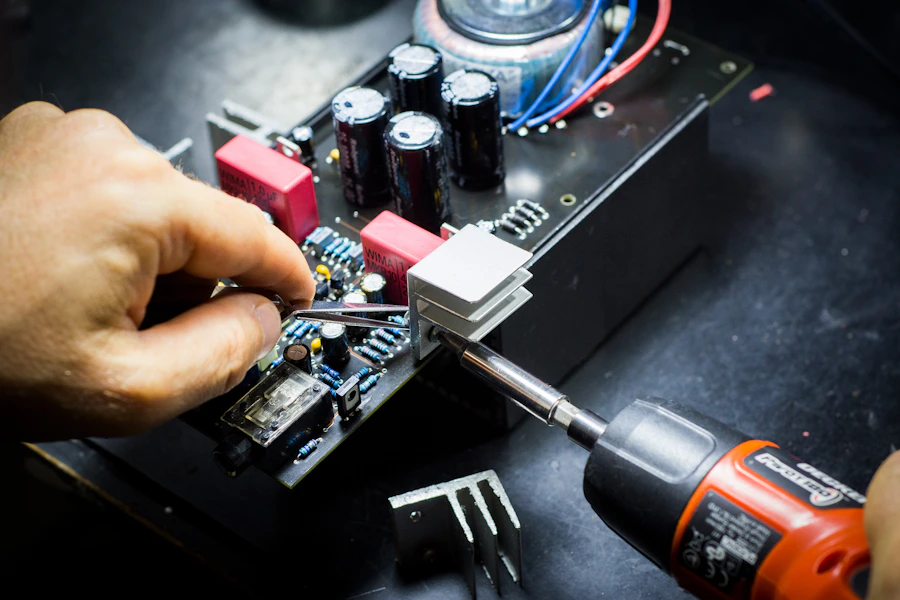

LED lighting systems have transformed backpack safety and visibility, offering cyclists, commuters, and outdoor enthusiasts enhanced visibility that reduces the risk of accidents in low-light conditions. From simple reflective strips to sophisticated reactive lighting systems that respond to movement, braking, and ambient light conditions, LED backpack lighting represents a growing product category driven by urban cycling safety concerns, personal security awareness, and the desire for distinctive aesthetic illumination. For backpack manufacturers and brands, LED lighting integration offers a compelling combination of functional safety benefit and visual differentiation that justifies premium positioning.
At Junyuan Bags, we manufacture LED lighting-integrated backpacks across multiple product lines, from basic rear-facing visibility lights for commuters to advanced reactive lighting systems with brake detection for cycling applications. Our 15,000 square meter factory in Quanzhou has developed specialized assembly procedures for LED systems including waterproof sealing, impact protection, power management, and integration with flexible fabric surfaces. Our 200-plus craftspeople across eight production lines are trained in LED component handling, soldering, and waterproofing techniques that ensure reliable long-term performance. Combined with BSCI certification and ISO 9001:2015 quality management, we deliver LED backpacks that perform dependably in real-world conditions.
LED Technology for Backpack Applications
Selecting the right LED technology for backpack integration requires balancing brightness, power consumption, durability, and cost across multiple LED types and configurations.
Standard LEDs for Visibility Lighting
Standard through-hole and surface-mount LEDs in red, white, and multicolor configurations provide visibility lighting for commuter and recreational backpacks. High-brightness LEDs (1,000 to 5,000 millicandela) at 5mm diameter provide excellent visibility at distances up to 200 meters in darkness. Standard configurations include rear-facing red lights for visibility to following traffic and 360-degree light strips for omnidirectional visibility. Power consumption of 0.1 to 0.5 watts per LED keeps battery requirements modest while providing adequate brightness for safety applications.
Reactive and Adaptive Lighting Systems
Advanced reactive lighting systems respond to user behavior and environmental conditions to optimize visibility. Brake detection systems use accelerometers to sense deceleration and intensify rear lighting, providing brake signal information to following traffic. Motion-reactive systems activate brighter illumination when movement is detected after periods of stillness. Ambient light sensors automatically adjust brightness based on surrounding light levels, conserving battery in well-lit environments while maximizing visibility in darkness. These intelligent systems require microcontroller-based control circuits, accelerometer sensors, and sophisticated power management that add 3 to 8 USD to manufacturing cost.
COB and Strip LEDs for Uniform Illumination
Chip-on-Board (COB) LEDs and flexible LED strips provide uniform illumination across larger surface areas than point-source LEDs. COB arrays pack multiple LED chips into a single module, creating bright, uniform light from a compact source. Flexible LED strips enable continuous light strips along backpack edges and panels, creating distinctive visual signatures. Both technologies require careful thermal management and waterproof sealing to ensure long-term reliability in the backpack use environment.
Power Systems for LED Backpack Lighting
LED backpack lighting requires appropriate power systems that balance brightness, battery life, weight, and cost considerations.
Battery Options and Capacity
Coin cell (CR2032) batteries serve basic LED backpacks with low power requirements (0.5 to 2 hours of continuous use), offering minimal cost and weight addition (2 to 5 grams). AAA or AA battery packs provide 10 to 50 hours of continuous lighting at moderate brightness, with accessible battery replacement. Rechargeable lithium-polymer batteries (1,000 to 3,000 mAh) offer the best balance of capacity, weight, and rechargeability for premium LED backpacks, providing 20 to 100 hours of continuous use per charge. Integration with USB charging systems enables convenient recharging from any USB power source.
Power Management and Efficiency
LED power management circuits include constant current regulation to maintain consistent brightness regardless of battery voltage, low-voltage cutoff to prevent battery damage, and multiple brightness modes for user-selectable settings. Efficiency optimization through pulse-width modulation (PWM) brightness control reduces power consumption by 30 to 50 percent compared to fixed-voltage operation while maintaining adequate brightness perception. Our factory designs LED power systems with efficiency as a primary consideration, maximizing battery life while providing the brightness levels needed for effective safety visibility.
Manufacturing Integration for LED Backpack Systems
LED lighting integration requires specific manufacturing processes that ensure waterproof integrity, impact resistance, and reliable electrical connections.
Waterproof Sealing and IP Ratings
LED systems in backpacks must achieve minimum IPX4 rating (protected against splashing water from any direction) for basic outdoor use, with premium cycling applications targeting IPX6 or IPX7 for complete water immersion protection. Waterproofing methods include silicone gasket sealing around LED modules, hot-bar sealing of LED strips between fabric layers, waterproof connectors for battery and switch connections, and conformal coating on circuit boards. Our factory tests every LED-integrated backpack to IPX4 or higher standards before shipment, using standardized spray testing procedures.
Impact and Flex Protection
LED systems must withstand the physical demands of backpack use including impact, vibration, flexing, and fabric stress. Protection measures include potting compound encapsulation of LED modules and circuit boards, foam padding behind LED strips to absorb impact, strain relief at all cable connections, and flexible circuit materials that flex with the backpack fabric without conductor fatigue. These protection measures add minimal cost while dramatically improving long-term durability and reliability.
Quality Testing Protocols
Every LED-integrated backpack undergoes functional testing including brightness measurement at specified distances, battery life verification under standard conditions, waterproof integrity testing, switch and control function verification, and flex testing to verify connection reliability after repeated backpack use. Test results are documented for each unit, maintaining our sub-0.3 percent defect rate standard across all LED-integrated production.
Market Applications for LED Backpack Lighting
LED backpack lighting serves multiple market segments with distinct feature requirements and price positioning.
Urban Cycling Safety Segment
Cycling commuters prioritize rear-facing brake lights, turn signals, and high-visibility patterns that communicate their position and intentions to following traffic. Products feature red rear lights with accelerometer-triggered brake detection, amber turn signal indicators activated by handlebar-mounted wireless controls, and high-brightness white front lights for path illumination. Price points range from 50 to 120 USD for basic systems to 150 to 250 USD for comprehensive smart lighting systems with wireless connectivity and app control.
Outdoor and Running Segment
Outdoor enthusiasts and runners prioritize lightweight, visible, hands-free lighting that enhances safety without adding significant weight or bulk. Products feature reflective elements combined with active LED illumination, omnidirectional visibility patterns, and long battery life for extended use. Price points range from 30 to 80 USD for basic illuminated running vests to 100 to 200 USD for advanced multi-mode outdoor packs.
Partnering for LED Backpack Manufacturing
At Junyuan Bags, our LED backpack manufacturing capabilities span from basic visibility lighting to advanced reactive systems with brake detection and app connectivity. Our 15,000 square meter factory in Quanzhou maintains specialized LED integration procedures, waterproof testing capabilities, and quality systems that ensure reliable performance. Our 200-plus craftspeople across eight production lines are trained in LED component handling, waterproof sealing, and quality verification that maintains our industry-leading defect rate standards.
Whether you need outdoor backpacks with safety lighting, tech backpacks with reactive LED systems, or custom illuminated backpack products for your brand, our LED integration expertise delivers reliable performance. Contact us at service@junyuanbags.com or WhatsApp +8617750020688 to discuss your LED backpack requirements.
Industry Insights & Future Outlook
The integration of LED lighting systems into backpacks and wearable gear represents a rapidly expanding market segment, projected to grow at an 11.2 percent CAGR through 2031. This growth is fueled by increasing urban cycling adoption, expanding outdoor recreation participation, and growing regulatory mandates for cyclist visibility in major European and Asian cities. The European Cyclists Federation reports that mandatory lighting requirements for cyclists have been adopted or are under consideration in over 30 countries, creating a strong demand driver for integrated LED backpack systems that combine illumination with hands-free convenience.
Technological innovation in this space is accelerating along multiple dimensions. Micro-LED technology, which delivers three to five times the luminous efficiency of conventional LEDs while consuming less power, is beginning to appear in premium backpack lighting systems. These next-generation light sources enable thinner, lighter, and more energy-efficient illumination that can run for 40 to 60 hours on a single charge of a compact battery pack. Flexible OLED panels are also entering the market, allowing manufacturers to embed seamless lighting surfaces directly into backpack fabric without the visible LED strips characteristic of first-generation designs.
The convergence of LED lighting with smart connectivity is creating entirely new product categories. Accelerometer-integrated lighting systems that automatically switch modes based on movement patterns, GPS-enabled rear lights that increase brightness when approaching intersections, and app-controlled customizable lighting patterns are already available in premium models. Industry analysts project that smart connected lighting will represent over 40 percent of LED backpack sales by 2028, as consumers increasingly expect their gear to integrate with their digital ecosystem. Bluetooth Low Energy connectivity enables firmware updates that can add new lighting modes and features after purchase, extending the product's useful capabilities over time.
Sustainability considerations are shaping the next generation of LED backpack designs. Manufacturers are transitioning from disposable coin cell batteries to integrated rechargeable systems powered by solar cells or kinetic energy harvesting. Some manufacturers are exploring biodegradable LED substrates and recyclable housing materials to reduce the environmental footprint of electronic components embedded in textile products. The EU's upcoming Ecodesign for Sustainable Products Regulation will likely introduce requirements for replaceable batteries and repairable electronic components in wearable lighting products, prompting manufacturers to design for disassembly from the outset.
Market experts anticipate that LED lighting integration will become a standard feature across all backpack categories within the next decade, much like USB charging ports transitioned from premium differentiator to baseline expectation. Early adopters who master the engineering challenges of waterproof, durable, and aesthetically integrated lighting systems will establish the design language and manufacturing processes that define the next generation of smart backpacks.
Frequently Asked Questions
What types of LED lighting are used in backpack applications?
Backpack LED lighting uses three main configurations: standard through-hole and surface-mount LEDs (1-5mm diameter) for point-source visibility lights providing 1,000-5,000 millicandela brightness; COB (Chip-on-Board) LED arrays for bright, uniform illumination from compact sources; and flexible LED strips for continuous light bars along backpack edges and panels. Colors include red for rear visibility, white for front illumination and general visibility, and multicolor RGB for customizable aesthetics. Power consumption ranges from 0.1 to 0.5 watts per LED, with total system power typically 0.5 to 3 watts.
How long do LED lights last in backpacks?
Quality LED systems in backpacks provide 25,000 to 50,000 hours of operating life for the LED components themselves, which at typical use patterns (2-4 hours per day) translates to 15 to 40 years of functional LED lifespan. The limiting factor is typically the battery, which provides 500 to 1,000 charge cycles for rechargeable systems. Waterproof sealing degradation over 3 to 5 years may also affect system reliability in demanding use conditions. Our factory uses high-quality LEDs rated for 50,000 hours minimum and waterproof systems that maintain integrity through 5+ years of normal use.
What IP waterproof rating do LED backpack lights need?
LED backpack lighting should achieve minimum IPX4 (protected against splashing water) for basic outdoor use. Premium cycling applications targeting IPX6 (protected against powerful water jets) or IPX7 (protected against temporary immersion) are recommended. IPX4 prevents failure during rain exposure, IPX6 ensures function during heavy rain and pressure washing, and IPX7 enables use in extreme conditions including temporary submersion. Our factory tests every LED-integrated backpack to its specified IP rating using standardized spray and immersion testing before shipment.
How much does LED lighting add to backpack manufacturing cost?
LED lighting adds 2 to 15 USD to backpack manufacturing cost depending on system complexity. Basic LED visibility lights with coin cell batteries add 2 to 4 USD. Standard LED strip lighting with AAA battery packs adds 4 to 7 USD. Reactive systems with accelerometer, microcontroller, and rechargeable batteries add 8 to 15 USD. Smart systems with wireless connectivity and app control add 12 to 20 USD. These costs enable retail price premiums of 15 to 30 percent, typically generating positive margins on LED backpack products.
Are LED lights on backpacks safe to use?
Yes, LED backpack lights are completely safe for normal use. LEDs operate at low voltage (3-5V), generate minimal heat, contain no hazardous materials, and meet applicable electrical safety standards. Key safety certifications include CE marking for EU compliance and FCC Part 15 for electromagnetic compatibility in the US. Battery safety is managed through UN38.3 transportation testing for lithium batteries and proper BMS protection in rechargeable systems. LEDs used in backpack lighting are classified as Eye Safety Category 0 or 1 under IEC 62471, presenting no eye safety risk.
Ready to Source Sustainable and Tech-Integrated Backpacks?
Partner with a factory that combines eco-conscious manufacturing with cutting-edge technology. Our 15,000 sqm facility in Quanzhou delivers innovation at scale.
Email: service@junyuanbags.com
WhatsApp: +8617750020688
MOQ 300pcs | BSCI & ISO 9001:2015 Certified | Est. 2004
Junyuan Bags | 15,000 sqm Factory | 200+ Craftspeople | 8 Production Lines
C201-207 Huachuang Park, Quanzhou, Fujian, China
BSCI & ISO 9001:2015 Certified | <0.3% Defect Rate | MOQ 300pcs
Est. 2004 | service@junyuanbags.com | WhatsApp: +8617750020688