Backpack Carbon Footprint Reduction: A Factory-Level Implementation Guide
Published by the Junyuan Bags editorial team | Last updated January 2025 | Reading time: 15 minutes
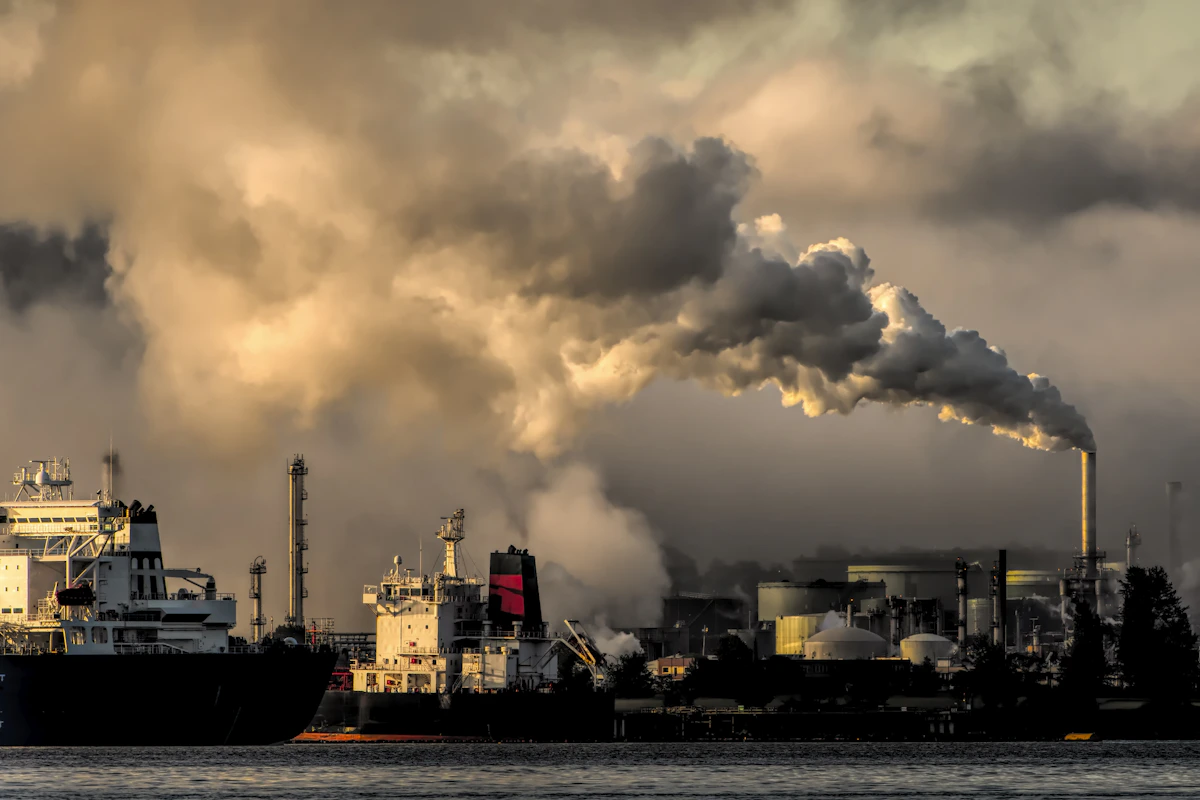

Carbon footprint reduction has become the defining environmental challenge for backpack manufacturing in 2025. With the global backpack industry producing over 1.2 billion units annually and generating an estimated 9.8 million tonnes of CO2 equivalent emissions, the pressure on manufacturers to measure, report, and reduce their carbon impact has never been greater. For B2B buyers, understanding your manufacturing partner's carbon management capabilities is essential for meeting Scope 3 emission reduction targets, complying with emerging carbon regulations, and satisfying increasingly demanding retail and consumer requirements.
At Junyuan Bags, we have undertaken a comprehensive carbon management program across our 15,000 square meter factory in Quanzhou, Fujian. Since beginning our carbon reduction journey in 2019, we have reduced our per-unit carbon emissions by 28 percent through a combination of energy efficiency improvements, renewable energy adoption, material optimization, and logistics restructuring. Our 200-plus craftspeople across eight production lines operate within a carbon-conscious framework that influences every decision from material selection to shipping method.
This guide provides a complete framework for understanding, measuring, and reducing the carbon footprint of backpack manufacturing. Drawing on our experience and industry best practices, it covers measurement methodologies, reduction strategies across Scope 1, 2, and 3 emissions, offsetting approaches, and the business case for carbon-conscious manufacturing.
Understanding Carbon Footprint in Backpack Manufacturing
A carbon footprint measures the total greenhouse gas emissions associated with a product, process, or organization, expressed in carbon dioxide equivalent (CO2e). For backpack manufacturing, carbon emissions occur at every stage from raw material extraction through production, transportation, use, and end-of-life disposal.
Defining the Carbon Boundaries
The Greenhouse Gas Protocol categorizes emissions into three scopes. Scope 1 covers direct emissions from owned or controlled sources such as factory boilers, company vehicles, and on-site generators. Scope 2 covers indirect emissions from purchased electricity, steam, heating, and cooling. Scope 3 encompasses all other indirect emissions in the value chain, including raw material production, business travel, employee commuting, product transportation, and end-of-life treatment.
Typical Carbon Profile of a Backpack
A standard polyester backpack weighing approximately 1.2 kilograms generates between 6.5 and 10.5 kilograms of CO2e over its lifecycle, depending on materials, manufacturing processes, and transportation distances. The material production phase typically accounts for 45 to 55 percent of total emissions, manufacturing accounts for 20 to 30 percent, transportation for 10 to 20 percent, and end-of-life for 5 to 10 percent.
| Lifecycle Stage | Typical CO2e (kg) | Percentage of Total | Key Emission Sources |
|---|---|---|---|
| Raw Material Production | 3.2 - 5.5 | 45-55% | Polymer production, fiber spinning |
| Manufacturing | 1.5 - 2.8 | 20-30% | Electricity, heating, sewing machines |
| Transportation | 0.7 - 1.8 | 10-20% | Ocean freight, trucking, air freight |
| End-of-Life | 0.3 - 0.8 | 5-10% | Landfill decomposition, incineration |
| Total per backpack | 6.5 - 10.5 | 100% |
Measuring Your Backpack Factory Carbon Footprint
Accurate carbon measurement is the foundation of effective reduction. Without reliable data, factories cannot identify their highest-impact emission sources, set meaningful reduction targets, or verify progress toward goals.
Step-by-Step Carbon Measurement Process
- Define organizational boundaries: Determine which facilities, operations, and emission sources are included in your carbon inventory.
- Identify emission sources: Catalog all activities that generate greenhouse gas emissions across Scope 1, 2, and 3.
- Collect activity data: Gather data on electricity consumption, fuel usage, material purchases, transportation volumes, and waste generation.
- Apply emission factors: Convert activity data to CO2e using recognized emission factors from the IPCC, national inventories, or industry-specific databases.
- Compile the inventory: Aggregate all emission sources into a comprehensive carbon inventory with clear documentation of data sources and calculation methods.
- Verify with third party: Engage an independent verifier to validate your carbon inventory for credibility and compliance with standards such as ISO 14064.
Tools and Standards for Carbon Accounting
Several established tools and standards support carbon footprint measurement in manufacturing. The GHG Protocol Product Standard provides the global framework for product-level carbon accounting. ISO 14064 offers requirements for organizational-level greenhouse gas quantification and reporting. Industry-specific tools such as the Higg Index from the Sustainable Apparel Coalition provide textile-sector-specific emission factors and calculation methodologies. For backpack manufacturers, combining the GHG Protocol framework with textile-specific emission factors from Higg or similar tools provides the most accurate and credible results.
Scope 1 and 2 Emission Reduction Strategies
Scope 1 and 2 emissions, which represent the factory's direct operational carbon footprint, offer the most immediate and controllable reduction opportunities for backpack manufacturers.
Energy Efficiency Improvements
Energy consumption is the largest source of Scope 1 and 2 emissions in backpack factories. Typical energy use includes electricity for sewing machines, cutting equipment, lighting, and climate control, plus natural gas or LPG for heating and boiler operations. Our factory has implemented a comprehensive energy efficiency program that has reduced per-unit energy consumption by 22 percent since 2019.
Key energy efficiency measures include replacing conventional sewing motors with servo motors that consume 60 to 70 percent less electricity, upgrading to LED lighting throughout the 15,000 square meter facility (reducing lighting energy by 45 percent), installing variable speed drives on cutting and pressing equipment, and implementing automated shutdown protocols for idle equipment. These measures collectively reduced our annual electricity consumption by 185,000 kilowatt-hours, equivalent to 112 tonnes of CO2.
Renewable Energy Adoption
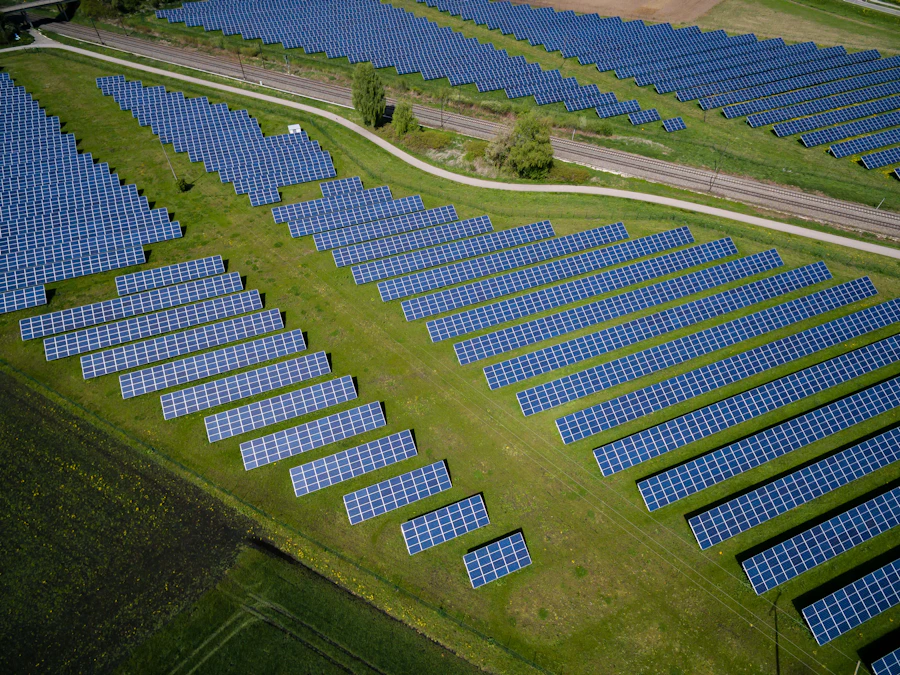
Transitioning to renewable electricity is the most impactful single action for reducing Scope 2 emissions. Our factory has installed a 280-kilowatt rooftop solar photovoltaic system that generates approximately 340,000 kilowatt-hours annually, covering roughly 35 percent of our electricity needs. The remaining electricity is sourced through renewable energy certificates (RECs) and green power purchase agreements, bringing our Scope 2 emissions reduction to 78 percent compared to a conventional grid electricity baseline.
Fleet and Logistics Optimization
Scope 1 emissions from company vehicles and on-site equipment can be reduced through fleet electrification, route optimization, and alternative fuel adoption. Our factory has transitioned its local delivery fleet to electric vehicles and optimized material collection routes to reduce vehicle kilometers by 30 percent. For on-site material handling, electric forklifts have replaced diesel-powered units, eliminating direct emissions from internal logistics operations.
Scope 3 Emission Reduction: The Material Challenge
For backpack manufacturers, Scope 3 emissions typically represent 60 to 75 percent of the total carbon footprint, with raw material production being the single largest source. Addressing Scope 3 requires strategic material selection, supplier engagement, and value chain collaboration.
Low-Carbon Material Selection
The choice of materials has the single largest impact on a backpack's carbon footprint. Recycled materials consistently outperform virgin equivalents in carbon terms: recycled polyester reduces emissions by 32 percent, recycled nylon by 55 percent, and recycled cotton by 45 percent compared to their virgin counterparts.
| Material | Virgin CO2e per kg | Recycled CO2e per kg | Reduction |
|---|---|---|---|
| Polyester (PET) | 5.5 kg CO2e | 3.7 kg CO2e | 32% |
| Nylon 6 | 7.2 kg CO2e | 3.2 kg CO2e | 55% |
| Cotton | 4.8 kg CO2e | 2.6 kg CO2e | 45% |
| EVA Foam | 3.9 kg CO2e | 2.8 kg CO2e | 28% |
| Leather (Bovine) | 17.0 kg CO2e | N/A (vegan alt) | Vegan alternatives: 70-90% less |
Supplier Engagement for Carbon Reduction
For emissions embedded in purchased materials and components, engaging suppliers in carbon reduction is essential. This includes requesting environmental product declarations (EPDs) from material suppliers, setting supplier carbon reduction expectations in procurement contracts, and collaborating on low-carbon material development. Our factory has established carbon reduction criteria in our supplier evaluation framework, prioritizing suppliers that demonstrate measurable carbon management programs and transparent emission reporting.
Transportation Emission Optimization
Transportation emissions for backpack manufacturing include inbound material logistics, factory-to-warehouse movements, and international shipping to customers. The most impactful strategies include prioritizing ocean freight over air freight (ocean emits 95 percent less CO2 per tonne-kilometer), consolidating shipments to maximize container utilization, optimizing factory location relative to material sources and customer ports, and transitioning last-mile delivery to electric or low-emission vehicles where possible.
Carbon-Neutral Backpack Manufacturing: Pathways and Practicalities
Carbon-neutral manufacturing means balancing remaining emissions with verified carbon removal or avoidance credits, resulting in a net-zero carbon footprint for the manufacturing process.
The Carbon Hierarchy: Reduce, Replace, Offset
Achieving carbon neutrality follows a clear hierarchy. First, reduce emissions through efficiency measures and operational improvements. Second, replace fossil fuel-based energy and processes with renewable alternatives. Third, offset remaining unavoidable emissions through verified carbon credits. This hierarchy ensures that offsets complement rather than substitute for genuine emission reduction efforts.
Carbon Offset Quality and Selection
Not all carbon offsets are equal. High-quality offsets meet strict criteria including additionality (the project would not have happened without offset revenue), permanence (the carbon reduction is permanent, not temporary), verification (independently verified against recognized standards such as VCS, Gold Standard, or Climate Action Reserve), and no leakage (emission reductions in one location do not increase emissions elsewhere). For backpack manufacturers, the most relevant offset project types include renewable energy development, forest conservation and reforestation, methane capture from waste, and clean cookstove distribution in developing communities.
Cost Implications of Carbon Neutrality
The cost of achieving carbon-neutral backpack manufacturing varies depending on the starting emission level and the ambition of reduction targets. For a typical backpack factory, reducing emissions by 40 to 60 percent through efficiency and renewables can be achieved at neutral or positive return on investment. Offsetting remaining emissions typically adds 0.05 to 0.15 USD per backpack unit, representing less than two percent of manufacturing cost. This modest investment delivers significant brand value and market differentiation that typically justifies the cost many times over.
Carbon Labeling and Consumer Communication
As carbon awareness grows among consumers, backpack brands are increasingly communicating carbon footprint data on product labels and marketing materials. This trend creates opportunities for manufacturers who can provide verified carbon data for their products.
Product Carbon Label Standards
Several labeling standards enable consistent communication of product carbon footprints. The Carbon Trust label, used in over 40 countries, displays the verified CO2e footprint of a product. PAS 2050 and ISO 14067 provide standardized methodologies for calculating product carbon footprints. For backpack manufacturers, achieving a verifiable product carbon footprint requires comprehensive data collection across the supply chain and independent verification of the calculation methodology and results.
Communicating Carbon Reduction Stories
Beyond numerical labels, brands communicate carbon reduction through storytelling that connects manufacturing practices to consumer values. Our factory supports brand partners with carbon data, manufacturing process documentation, and imagery that enables authentic sustainability communication. This includes verified per-unit carbon footprints, comparison data showing improvement over time, and narrative content about specific reduction initiatives and their impact.
Regulatory Landscape: Carbon Regulations Affecting Backpack Manufacturing
Carbon regulations are expanding globally, creating compliance requirements that directly affect backpack manufacturers and their customers.
European Union Carbon Border Adjustment Mechanism
The EU's Carbon Border Adjustment Mechanism (CBAM) initially covers iron, steel, aluminum, cement, fertilizers, and electricity, with potential expansion to textiles and consumer goods under discussion. If textile products become subject to CBAM, backpack manufacturers will need to report embedded carbon emissions and potentially purchase carbon certificates corresponding to the carbon cost that would have been incurred under EU ETS pricing.
Mandatory Carbon Reporting Requirements
Multiple jurisdictions now require large companies to report their carbon emissions, including Scope 3 emissions from their supply chains. The EU's Corporate Sustainability Reporting Directive (CSRD) requires companies above certain thresholds to report comprehensive sustainability data including carbon emissions. For backpack manufacturers, this means customers subject to these regulations will increasingly request carbon data from their suppliers, making carbon measurement and reporting a competitive requirement.
Carbon Taxes and Pricing Mechanisms
Carbon taxes and emissions trading systems are being implemented across Asia, with China's national ETS expanding its coverage. Manufacturers in jurisdictions with carbon pricing face direct financial costs for emissions, creating additional incentive for reduction. Our factory in Fujian province operates within China's evolving carbon market framework, and we are preparing for expanded coverage that may include light manufacturing sectors.
Building a Carbon Reduction Roadmap for Your Backpack Factory
Effective carbon reduction requires a structured roadmap with clear targets, milestones, and accountability mechanisms.
Setting Science-Based Targets
The Science Based Targets initiative (SBTi) provides a framework for setting emission reduction targets aligned with the Paris Agreement goal of limiting warming to 1.5 degrees Celsius. For backpack manufacturers, SBTi-aligned targets typically require 42 percent reduction in Scope 1 and 2 emissions by 2030 (compared to a base year) and 25 percent reduction in Scope 3 emissions over the same timeframe. While voluntary, SBTi targets are increasingly recognized as the gold standard for credible corporate climate commitment.
Implementation Priorities by Timeline
- Immediate (0-6 months): Conduct carbon baseline measurement, identify quick-win efficiency improvements, establish energy monitoring systems.
- Short-term (6-18 months): Implement energy efficiency measures, begin renewable energy transition, establish supplier engagement program.
- Medium-term (18-36 months): Complete renewable energy transition, launch low-carbon material programs, implement fleet electrification.
- Long-term (3-5 years): Achieve science-based targets, pursue carbon-neutral manufacturing certification, develop circular material systems.
Financing Carbon Reduction Investments
Carbon reduction investments can be financed through multiple mechanisms including direct capital expenditure, green loans and sustainability-linked financing, equipment leasing arrangements, energy service company (ESCO) contracts where savings fund the investment, and government grants and incentives for renewable energy and efficiency measures. Many carbon reduction measures deliver positive returns within three years, making them financially attractive even without considering their carbon benefits.
Partnering with a Carbon-Conscious Backpack Manufacturer
As brands face increasing pressure to reduce their Scope 3 emissions, the carbon management capabilities of their manufacturing partners become a strategic consideration. Selecting a factory with proven carbon reduction capabilities and transparent reporting practices directly supports your brand's climate commitments.
At Junyuan Bags, we provide comprehensive carbon data to our brand partners including per-unit carbon footprints, annual reduction progress reports, and renewable energy verification documentation. Our 15,000 square meter facility in Quanzhou, with over 200 craftspeople across eight production lines, has achieved a 28 percent reduction in per-unit carbon emissions since 2019, with a target of 50 percent reduction by 2030. We maintain BSCI social compliance certification and ISO 9001:2015 quality management, and our sub-0.3 percent defect rate ensures that sustainability never comes at the cost of quality.
For brands exploring waterproof fabric options with lower carbon footprints, developing sustainable business backpack lines, or building carbon-conscious custom collections, our team provides the data transparency and manufacturing flexibility needed to succeed. Contact us at service@junyuanbags.com or WhatsApp +8617750020688 to discuss your carbon reduction objectives and how we can support them.
Frequently Asked Questions
What is the average carbon footprint of manufacturing one backpack?
The average carbon footprint of manufacturing one standard polyester backpack ranges from 6.5 to 10.5 kilograms of CO2 equivalent over its full lifecycle. The manufacturing phase itself accounts for approximately 1.5 to 2.8 kilograms of CO2e, while raw material production contributes 3.2 to 5.5 kilograms. Using recycled materials can reduce this by 32 to 55 percent, and manufacturing efficiency improvements can reduce the production phase by 20 to 30 percent. At our factory, we have reduced per-unit emissions by 28 percent through combined efficiency and renewable energy measures.
How can backpack manufacturers reduce Scope 3 emissions?
Backpack manufacturers reduce Scope 3 emissions primarily through material selection (switching to recycled or bio-based materials), supplier engagement (requesting environmental product declarations and setting carbon criteria in procurement), transportation optimization (prioritizing ocean freight, consolidating shipments, optimizing routes), and end-of-life planning (designing for recyclability and supporting take-back programs). Scope 3 typically represents 60 to 75 percent of total emissions, making it the most impactful area for reduction but also the most challenging to manage.
What does carbon-neutral backpack manufacturing cost?
Achieving carbon-neutral backpack manufacturing involves three cost categories: efficiency investments (typically 15,000 to 50,000 USD with 2 to 4 year payback), renewable energy (solar installation of 80,000 to 200,000 USD with 5 to 8 year payback, or green electricity premiums of 5 to 15 percent), and carbon offsets for remaining emissions (0.05 to 0.15 USD per backpack unit). The total cost impact is typically 2 to 5 percent of manufacturing cost, which is often offset by brand value creation, premium pricing, and customer acquisition advantages.
Which certifications verify carbon footprint claims for backpacks?
Several certifications and standards verify carbon footprint claims. ISO 14064 verifies organizational greenhouse gas inventories. ISO 14067 and PAS 2050 provide frameworks for product-level carbon footprinting. The Carbon Trust label certifies and displays verified carbon footprints. The Science Based Targets initiative validates corporate reduction targets. For backpack-specific claims, combining product carbon footprint certification (ISO 14067) with independent verification from bodies like SGS or Bureau Veritas provides the most credible assurance for customers and consumers.
How does using recycled materials reduce backpack carbon footprint?
Recycled materials reduce carbon footprint by avoiding the emissions associated with virgin material production. Recycled polyester (rPET) reduces emissions by 32 percent compared to virgin polyester because it avoids petroleum extraction and polymerization. Recycled nylon reduces emissions by 55 percent because it avoids the energy-intensive caprolactam production process. Recycled cotton reduces emissions by 45 percent by avoiding land cultivation, irrigation, and ginning. For a standard backpack using 800 grams of recycled polyester shell fabric, this translates to approximately 1.4 kilograms of CO2 saved per unit.
Ready to Source Sustainable and Tech-Integrated Backpacks?
Partner with a factory that combines eco-conscious manufacturing with cutting-edge technology. Our 15,000 sqm facility in Quanzhou delivers innovation at scale.
Email: service@junyuanbags.com
WhatsApp: +8617750020688
MOQ 300pcs | BSCI & ISO 9001:2015 Certified | Est. 2004
Junyuan Bags | 15,000 sqm Factory | 200+ Craftspeople | 8 Production Lines
C201-207 Huachuang Park, Quanzhou, Fujian, China
BSCI & ISO 9001:2015 Certified | <0.3% Defect Rate | MOQ 300pcs
Est. 2004 | service@junyuanbags.com | WhatsApp: +8617750020688