Osprey vs Deuter Backpacks: Which System Suits British Hills and UK Walkers
For UK hill walking, buy on three numbers rather than on brand: torso length in centimetres, trail load in kilograms and litres. Get torso wrong by 5 cm and no suspension system rescues the fit. Get load right and you can carry 20-25% of body weight comfortably instead of 15%. A typical Lake District day needs 28-38 litres at 7-10 kg; a Coast to Coast or Pennine Way traverse needs 45-60 litres at 12-18 kg including food and water.
Both of the brands compared here build competent packs across those bands, and both sell into the UK at similar prices, roughly £90-£260 depending on volume and construction. The differences that matter are in how each handles the British combination of sustained rain, mud, rock and cold wind, plus how far each lets you adjust the harness after purchase. This guide works through those differences with numbers a walker can use, and closes with what UK retailers walking clubs should stock.
Choosing Between Them in One Pass
Start from the back system, because it drives everything else. One side is strongly associated with suspended mesh panels that hold the body of the pack away from your back, delivering airflow on climbs and suffering slightly on stability with awkward loads. The other is associated with closer-fitting padded contact systems with well-developed adjustment, which is why they are popular with anyone carrying heavy camera gear or awkward loads where rigidity matters more than ventilation. Neither is better in the abstract; they simply optimise for different outcomes. Distinguishing them takes ten minutes in a shop and saves ten uncomfortable years on the hill.
Then check torso adjustability. Some models ship in fixed back lengths and some use a sliding or hook-and-loop adjustment covering perhaps 8-10 cm of torso range. A UK retailer will often only stock one or two back lengths per model, so if you fall near the top of a size range you may have no way to try the correct fit. That single structural difference decides more purchases in this country than either brand's reputation, because most people buying a 50-litre pack have never had their torso measured and end up buying whatever is on the shelf. Measuring first costs two minutes and removes most of that risk entirely.
| Priority | Choose the mesh-led system | Choose the contact-led system |
|---|---|---|
| Summer climbs, heavy sweating | Yes | Acceptable |
| Winter, cold wind, steep ground | Less stable feel | Yes |
| Awkward or dense loads | Poorer load control | Yes |
| Long torso, hard to fit | Check size range | Check size range |
| Multi-day with heavy food carry | Works if well packed | Yes |
What the Back Systems Actually Do on a British Hill
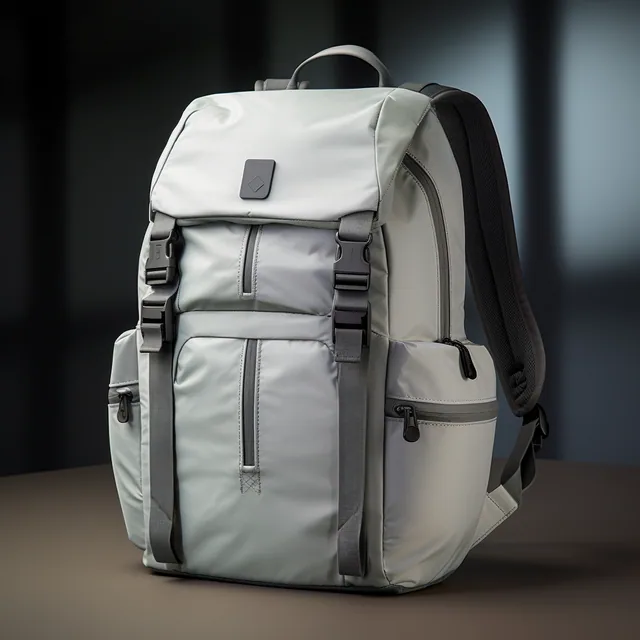
A suspended mesh panel works by tensioning a sheet of open weave between the lower back and the pack body, leaving an air gap typically 15-30 mm deep down the length of the spine. That gap measurably reduces wet patch area on steady uphill sections in warm conditions, which most walkers would describe as the single biggest comfort upgrade available. The trade-off is that the load sits a little further from your centre of gravity, so on scrambly ground or steep side-slopes the pack feels less planted, and very heavy loads can make the sheet creak or deform. On graded paths that trade-off is rarely felt, which explains the design's popularity.
Contact systems put foam and spacer fabric against the back, which keeps the load closer to the spine and gives better control when you are placing feet carefully or carrying dense kit. They are warmer, so expect a wetter shirt after a long climb in June, but they are also quieter, more durable against grit and more predictable when loaded badly. In UK conditions, where the average hill day mixes wind, drizzle and scrambling rather than pure heat, the argument for contact systems is stronger than marketing departments generally admit, and mesh systems are at their best between May and September on graded paths.
Torso Length, Sizing and Getting the Fit Right
Measure torso from the bony bump at the base of the neck, the seventh cervical vertebra, down the spine to the line between the top of the hip bones, the iliac crest, with the head tipped forward. Most UK men fall between 43 and 53 cm, which maps onto small, medium and large back lengths with roughly 4-5 cm between sizes. Anything beyond 53 cm usually needs a large or extra-large torso size, and anyone under 43 cm should look for women's-fit or compact-fit models rather than accepting a medium that puts the hip belt on their waist. Compact harnesses also carry narrower strap spacing, which suits shorter shoulders.
Fit is then verified under load rather than in a mirror. Pack 8-10 kg into the bag, put it on, tighten the hip belt so it sits on the iliac crest and takes roughly 70-80% of the weight, then pull the shoulder straps down and back until they meet the body with no gap. Load lifters should sit at roughly 45 degrees from horizontal. If the hip belt rides onto soft tissue after ten minutes, the torso is too short; if pressure lands on the shoulders, it is too long. Good technique matters because the safest handling principles in the HSE manual handling guidance apply just as much to a rucksack as to a workplace load.
- Torso is measured from the seventh cervical vertebra to the iliac crest, not from collar to waist.
- Hip belt should carry 70-80% of total weight, with shoulders stabilising rather than supporting.
- Under 43 cm torso: consider compact or women's-fit harnesses rather than accepting a medium.
- Always test with 8-10 kg in the bag; an empty pack hides every fitting fault.
- Load lifters at roughly 45 degrees give the best pull without lifting the hip belt off the crest.
How Much Weight Is Actually Reasonable
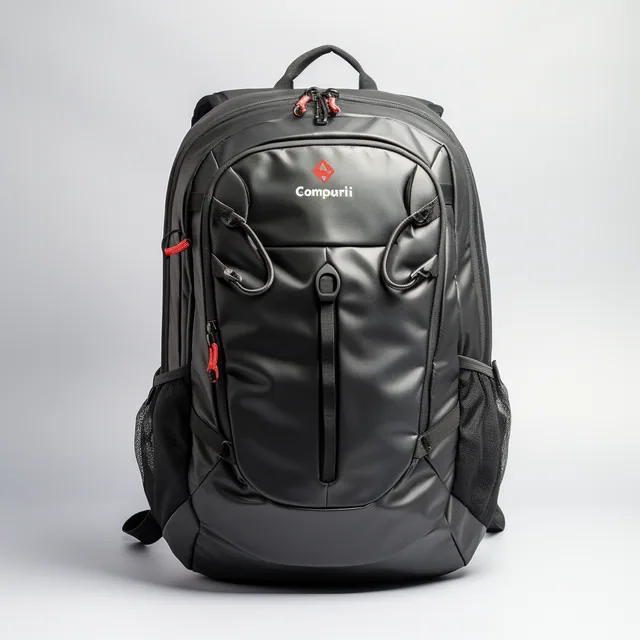
Use body weight as the denominator, not litres. A loaded pack at 15% of body weight is comfortable for most fit walkers over a full day, 20% is demanding but manageable for multi-day trips, and above 25% injury risk and enjoyment both decline sharply. For an 80 kg walker that means roughly 12 kg comfortable, 16 kg demanding and 20 kg the practical ceiling. Weigh the pack before leaving the car park; almost everyone overestimates their load by 1-3 kg, and most UK walking injuries reported to Mountain Rescue are fatigue-related slips rather than dramatic falls. Cutting two kilograms of unnecessary kit removes more risk than any extra safety gadget.
Weight then has to be placed deliberately. Heavy items belong against the back at roughly shoulder-blade height, medium items below them, and light bulky kit such as a sleeping bag at the very bottom. Anything that shifts as you walk, typically water bladders slopping or food sacks rolling, destabilises the load far more than its weight suggests. A 12 kg pack loaded correctly will feel lighter on a long ascent than a 10 kg pack loaded badly, which is why competent fitting at purchase and twenty minutes of packing discipline beat any amount of spending on lighter fabrics. Weigh each item once, write it down, and the running total becomes far easier to control.
Rain, Fabric Behaviour and Why UK Weather Decides Spec
British rain behaves differently from Alpine rain: it arrives sideways, lasts longer and is rarely cold enough to be ignored. Most walking packs use 100D to 420D nylon faces with a polyurethane or silicone-treated backing, giving hydrostatic performance somewhere around 1,000-1,500 mm before seams become the weak point rather than the fabric. In practice that buys 30-60 minutes of moderate rain before contents start to dampen, which is why a dedicated rain cover rated to the pack's litre band matters more than marketing numbers about the shell itself. Seams and hydration ports, not the face fabric, are usually where water eventually arrives.
Drying behaviour is the second UK-specific issue. Silicone-treated faces shed water better and dry faster, but they abrade sooner against grit; polyurethane-backed faces are tougher and cheaper, and they will eventually hydrolyse if stored damp for consecutive winters. Either way, dry the pack fully open and inverted after every wet trip, because trapped moisture is what destroys both coatings and foam. The atmospheric background behind those long wet spells and rapid cloud-base changes is explained reasonably accessibly in the NOAA weather and atmosphere teaching resources, which are worth a look before planning a long upland day. Cloud base and wind direction matter as much as distance when route-finding in poor visibility.
Features That Earn Their Weight on UK Trails
Some features pay for themselves quickly and others are decoration. A rain cover stowed in its own pocket, hip belt pockets large enough for a phone and a snack, a hydration sleeve routed to the shoulder, walking pole attachments that do not obstruct access, and compression straps that genuinely pull a half-empty load inward: all of these get used on most British walking days. Side-entry zips that allow access to the bottom of the pack without unpacking save real minutes every wet lunch stop, and lid compartments are worth having on anything over 40 litres. Everything else stays secondary to whether the pack carries its stated load comfortably.
Features that look useful and rarely are: chest-mounted whistle ports nobody uses in a real emergency, excessive daisy chains that catch on heather, and removable floating lids that convert to a summit pack but weigh 180-300 g for something carried twice a season. External mesh pockets are a genuine trade-off: excellent for drying wet gloves and maps, and excellent at catching on gate hinges and brambles. Weigh features against 200 g per item, because above 45 litres every additional 100 g of trim adds up across a full day of climbing. Judging each addition against kilometres walked is the only fair test of those features.
| Feature | Worth it | Why |
|---|---|---|
| Integrated rain cover | Yes | Buys an hour of dry contents from about 80-120 g |
| Hip belt pockets | Yes | Removes the need to stop for snacks or phone |
| Floating lid | Only above 45 litres | Adds 180-300 g for occasional use |
| Full external mesh pocket | Conditional | Dries kit, catches on gates and heather |
| Excessive daisy chain | No | Snag risk with little real carrying benefit |
Failure Points and Realistic Service Life
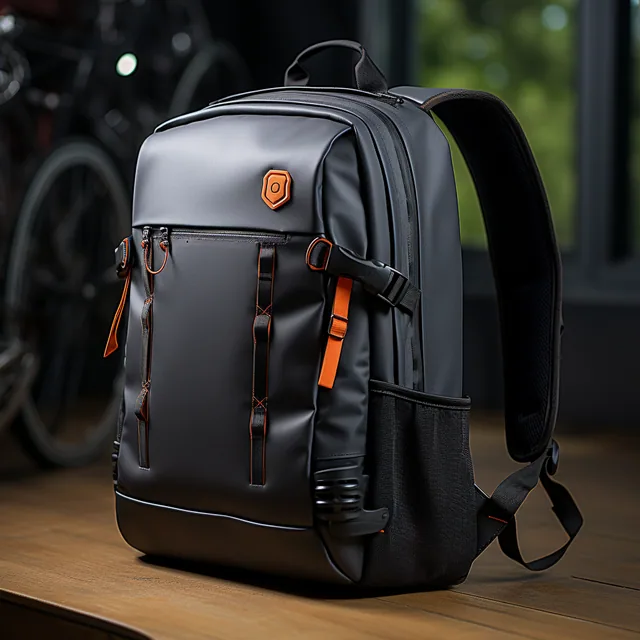
Walking packs fail in a predictable order on UK trails. Water bladder hangers and hydration port binding come first, usually within two seasons. Then external compression hardware, because grit and mud get into side-release buckles and eventually one cracks under a hard pull. Third is base fabric around the lower corners, particularly where sharp grit is ground in against rock or where the pack is habitually dropped rather than set down. Zips come later than most people expect, because on walking packs they are used far less often than on commuter bags. When a walking zip does fail, it is usually because grit was never rinsed out of the track.
Service life follows care more closely than purchase price. A mid-range 45-litre pack used 25-40 days a year and dried properly afterwards should give eight to twelve years of enjoyable service, with the harness foam being the eventual limiting component. The same pack stored damp in a garage will show flaked internal coatings by the fourth winter. Both of these brands operate repair routes through UK retailers, typically assessing within a week and completing structural work in two to six weeks, so keeping the receipt and the original hangtag is worth doing at purchase rather than at failure. A photographed receipt in the cloud outlasts any paper version kept in a damp rucksack.
Choosing by UK Trip Type Rather Than by Brand
Trip type dictates volume far more precisely than preference does. A Peak District or Snowdonia day needs 26-34 litres for shell jacket, warm layer, food, two litres of water and navigation kit, landing between 6 and 9 kg. A Lake District day with more vertical ascent and changeable weather sits comfortably at 30-38 litres. A three-day Coast to Coast or Pennine Way stage with camping needs 45-60 litres at 12-18 kg, and a winter Munro day with crampons, axe and spare insulation needs 40-50 litres even though it lasts only eight hours. Winter insulation and steel on the feet are what push that volume upwards.
Then decide the suspension: for the day volumes above, either system works and fit dominates; for the multi-day loads, a closer-fitting contact system usually gives better control with a heavy food bag high in the pack. If you plan to use one pack for everything, 45 litres is the honest compromise, accepting that it will feel slightly large on a summer day and slightly small in winter. Buying two packs is genuinely cheaper over fifteen years than repeatedly replacing one that is permanently wrong for the majority of your trips. Storage space is cheap, whereas a shoulder injury or a ruined season is not.
- Mistake one: buying on looks without measuring torso length, which no harness can compensate for.
- Mistake two: choosing volume by catalogue photograph rather than by weighing a real kit load at home.
- Mistake three: ignoring whether the hip belt actually lands on the iliac crest once loaded.
- Mistake four: assuming a rain cover is included; always check whether it is in the box or an accessory.
- Mistake five: storing the pack damp after wet trips, which ends more packs than miles do.
Stock Planning for UK Retailers and Walking Clubs
Independent UK outdoor shops generally do best with a tight ladder rather than a wide one: strong depth in 30-36 litres for day walking, a credible step at 45-55 litres for trails and Duke of Edinburgh expeditions, and one or two flagship options above that. Carry two back lengths where the model offers them, because returning customers overwhelmingly report fit as the deciding factor, and a well-fitted mid-price pack outsells a badly fitted premium one. Staff able to take a torso measurement convert noticeably better than any discount ever will. Keep a tape measure clipped to the pack wall at torso height.
Groups and corporate walking programmes work differently, since logo placement and consistent colourways matter more than precise back-system choice. For that kind of order, QUANZHOU JUNYUAN BAGS coordinates programmes as a sourcing and programme-management partner established in 2014, working across 4,950 square metres of SGS-verified production floor space with 137 colleagues and seven production lines. Standard terms are a minimum order quantity of 500 pcs per style and colourway, sampling in 6-10 working days and 12-15 working days where construction is complex, bulk production in 35-50 days, inspection at AQL 2.5 under ISO 2859-1, FOB Xiamen terms and payment on T/T 30/70.
Ask for the stated back-system type, rain cover availability, fabric denier and coating, hip belt construction and the measured torso range in centimetres. Those five items predict real-world satisfaction far better than litre counts, and they are all checkable at sample stage rather than after shipment.
Frequently Asked Questions
Which is better for Lake District day walks, Osprey or Deuter?
Fit beats badge on the fells. A Lake District day normally needs 30-38 litres at 7-10 kg, which both handle comfortably. Choose the suspended mesh route for summer climbing if you sweat heavily, and the closer contact route for scrambly ground, winter conditions or dense loads. Measure torso first, then confirm the hip belt lands on the iliac crest when carrying roughly 8 kg of test weight in store.
What size backpack do I need for the Coast to Coast walk?
For the self-supported version with camping, plan 45-60 litres carrying 12-18 kg including food and up to 2 litres of water. For a luggage-transfer version carrying only day kit, 30-36 litres at 6-9 kg is more comfortable. Either way keep total load under about 20% of body weight, which for an 80 kg walker means roughly 16 kg including water, since fatigue-related slips cause most reported incidents.
Are suspended mesh back systems any good in cold British weather?
They work, but they are at their best between roughly May and September on graded paths. A mesh panel holds the load 15-30 mm further from the spine, which feels less planted on steep or scrambly ground and lets cold wind through the gap. For winter walking, Munro days and anything involving scrambling, a contact system with good foam is generally the safer and more comfortable choice.
How heavy is too heavy for a backpack on a UK hill day?
Use body weight ratios: about 15% is comfortable for a full day, 20% is demanding but acceptable on multi-day trips, and beyond 25% enjoyment and safety fall away quickly. For an 80 kg walker that is roughly 12 kg comfortable, 16 kg demanding, 20 kg ceiling. Weigh the loaded pack before leaving the car park, since most people underestimate their true load by 1-3 kg.
How do I measure torso length for a walking backpack at home?
Tip your head forward, find the bony bump at the base of the neck, then run a flexible tape down the spine to the line level with the tops of your hip bones. Most UK men measure 43-53 cm, with about 4-5 cm between back-length sizes. Under 43 cm look for compact or women's-fit harnesses; above 53 cm you need long-back sizes. Always confirm by loading 8-10 kg and walking around.
Do hiking backpacks come with rain covers in the UK?
Often yes on mid to large trekking models, and often no on lighter day packs, where it is sold separately at around £12-£25. Check whether it is in the bag rather than assuming. Covers are sized by litre band, so a cover for a 35-litre pack will not fit bulging contents on a 55-litre one. A liner or dry bags inside add about 80-150 g and give redundancy if a cover tears on rock.
How long does a walking backpack last with regular use in the UK?
Expect eight to twelve years from a mid-range pack walked 25-40 days a year and dried properly afterwards, with harness foam and coating condition setting the limit rather than the shell fabric. Stored damp, the same pack can show flaked internal lining within four winters. The usual first failures are hydration hangers, external buckles and lower corner abrasion, all cheap to repair if addressed early.
Should I buy one pack for everything or two for different trips?
Two, if your walking genuinely spans day walks and camping trips. A single 45-litre compromise pack will feel large on summer days and tight in winter with crampons, axe and spare insulation. Two well-chosen packs used for fifteen years cost less per season than repeatedly replacing one that is wrong for most of your outings, and each stays in better condition because neither takes all the abuse.
Which brand offers better warranty support for UK buyers?
Both support claims through UK retailers rather than requiring direct contact, which speeds assessment considerably. Expect review within about a week and structural repairs taking two to six weeks including postage. Keep the purchase receipt and note failure details with photographs before sending anything in. Differences between the two are smaller than most buyers expect; the real variable is whether the retailer handles the paperwork competently.
What is the best backpack volume for a Duke of Edinburgh expedition?
For bronze and silver expeditions, 50-65 litres carrying 12-16 kg is typical, since sleeping bag, mat, tent share and two days of food have to fit inside rather than hanging outside. Group kit such as the tent and stove should be split deliberately. Check the expedition provider's own guidance first, since some centres set maximum as well as minimum litre sizes for their kit lists.
Can walking clubs order their own branded packs in bulk?
Yes, though it is a development exercise rather than a quick print job. Custom programmes normally start at a minimum order quantity of 500 pcs per style and colourway, with sampling taking 6-10 working days or 12-15 for complex builds and bulk running 35-50 days. Inspection sits at AQL 2.5 under ISO 2859-1, with FOB Xiamen shipment and T/T 30/70 payment, so plan roughly three months from approval to delivery.
Specifying Walking Packs for British Conditions
British hill walking rewards specification over styling: a measured torso range, a hip belt that genuinely transfers load, a coating chosen for how it ages in damp storage rather than for how it beads in a showroom, and a rain cover that is included rather than optional. Get those four right and the badge barely matters.
QUANZHOU JUNYUAN BAGS supports walking-pack programmes along exactly those lines, coordinating development from a base established in 2014 with 4,950 square metres of SGS-verified production floor space, 137 colleagues and seven production lines. Terms are a minimum order quantity of 500 pcs per style and colourway, sampling in 6-10 working days, complex builds in 12-15, bulk in 35-50 days, inspection at AQL 2.5 under ISO 2859-1, FOB Xiamen and T/T 30/70.
Email: service@junyuanbags.com
WhatsApp: +86 177 5002 0688