Haglofs vs Fjallraven Backpacks: A UK Buyer and Range-Planning Comparison
For UK buyers the choice usually resolves in one line: Fjallraven sells heritage and everyday carry, Haglofs sells technical load carriage. A Fjallraven Kanken sits at about 16 litres and around the £80-£110 mark with webbing straps and a stiff panel, while Haglofs day packs of 20-35 litres typically run £90-£180 with padded harnesses, ventilated back panels and heavier deniers. If your load is under 6 kg and mostly flat, the difference barely shows; above 10 kg or in sustained British rain, it does.
This comparison is written for two readers at once: an informed UK consumer weighing one purchase, and a buyer or developer planning a range. It covers fabric philosophy rather than fabric marketing, harness architecture, where each brand actually fails in a wet climate, price ladders and discount discipline, and finally what a private-label programme can borrow. Where numbers matter we give them in litres, kilograms and pounds, because adjectives do not survive a British winter.
Why These Two Swedish Brands Get Compared
Both brands come out of Sweden, both are sold at similar price points on the same UK outdoor retailers' shelves, and both trade on restraint rather than loud branding, which makes them look interchangeable in a photograph. They are not. Fjallraven was founded in 1960 and built its reputation on Arctic-gear heritage; the Kanken school pack launched in 1978 and became a design object rather than a technical product. Haglofs traces back to 1914 and spent its life making technical clothing and load-carrying equipment for serious mountain use, which is a different design brief entirely, even though the two names end up next to each other on the same UK shop floor.
The practical consequence is that the two ranges are chosen for very different reasons. Fjallraven sells volume in the 13-20 litre everyday band where the aesthetic matters more than the harness, and it is one of the few outdoor labels whose bags are carried for their own sake in cities that rarely see a hill. Haglofs sells into trekkers, hikers and anyone carrying a genuinely heavy load, where the evaluation criteria are strap geometry, hip-belt transfer and how the fabric behaves after three days of rain. A UK retailer planning a wall of stock should understand that only one of those two brands reliably brings the outdoor customer back for a second bag.
| Dimension | Fjallraven | Haglofs |
|---|---|---|
| Core identity | Heritage everyday carry | Technical load carriage |
| Volume sweet spot | 13-20 litres | 24-45 litres |
| Typical UK retail | £80-£160 | £90-£220 |
| Harness style | Webbing or light padding | Padded, ventilated, hip belt |
| Repeat purchase driver | Colour and occasion | Fit and function |
Fabric Philosophy: One Proprietary Shell Against Technical Nylons
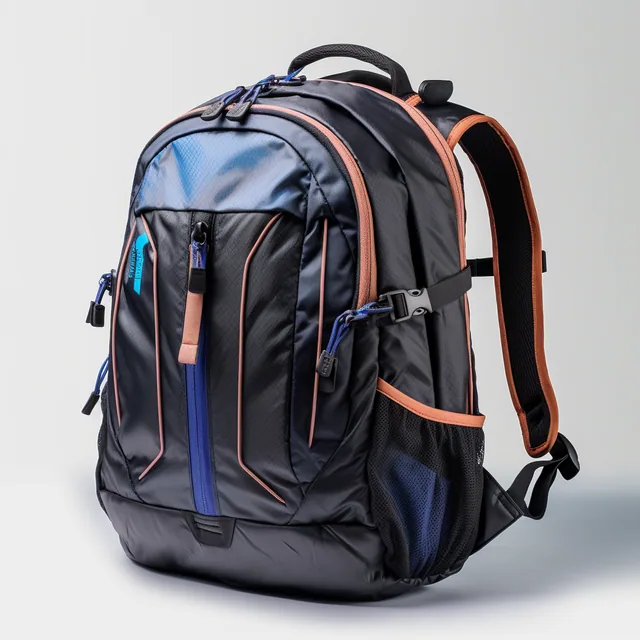
Fjallraven's signature material is Vinylon F, a vinyl-coated polyester rather than the nylon ripstop most outdoor brands use. It behaves differently in ways UK users notice immediately: it swells slightly when wet, which tightens the weave and reduces water penetration without relying on a sprayed durable water repellent finish, and it dries slowly because the coating holds moisture at the surface. It creases, it softens with age, and it is genuinely pleasant to handle. Against that, technical nylons used by Haglofs rely on a combination of thread density, polyurethane backing and a DWR treatment to achieve similar protection at roughly 30-40% less fabric weight.
The durable water repellent question is now the most important technical difference, because chemistry regulation has forced the whole industry to reformulate. Older fluorinated finishes gave excellent beading and oil resistance, but modern alternatives are built around different polymer families, with the health and persistence concerns around the original compounds set out in the US EPA's page on per- and polyfluoroalkyl substances. In practice modern non-fluorinated finishes bead well when new and lose performance after 20-40 wash cycles or a season of grit, which means either brand needs reproofing spray once or twice a year in the UK. Vinylon's advantage is that it degrades more gracefully: it keeps shedding water when its finish is tired, because the coating itself does most of the work.
Harness Architecture and Real Load Limits
Harness design is where a shopper can make a genuinely expensive mistake. The classic Kanken uses a simple webbing strap with a thin padded sleeve, 25 mm wide, over a removable foam seat pad that doubles as light back support. It is comfortable to about 6-7 kg and tolerable to 9 kg on a short walk, but above that the webbing concentrates pressure on the trapezius and the pack has no hip belt to move load onto the pelvis. That is a deliberate design decision from 1978, not a defect, and it suits students carrying two books and a laptop far better than it suits a grown adult carrying groceries uphill.
Haglofs packs in the 24-45 litre class typically use S-shaped padded straps of 45-60 mm with dual-density foam, an adjustable load lifter and a real hip belt with 12-20 mm of padding, which is what allows 12-15 kg to be carried for six hours without neck pain. If you want a rough rule: strap width in millimetres multiplied by two is close to the comfortable load in kilograms, assuming a proper hip belt. A straight webbing strap with no hip belt sits around 6-8 kg regardless of how much the brand charges. Nobody should choose between these two brands on looks alone if the pack will regularly carry more than 10 kg, whatever it costs.
Under 6 kg: either brand works, choose on aesthetic. 8-12 kg: padded harness with load lifters becomes non-negotiable. Above 12 kg: only a pack with a structured hip belt and a frame sheet should be considered, and the torso length has to match the wearer.
Volume Line-Up and What Those Litres Buy You
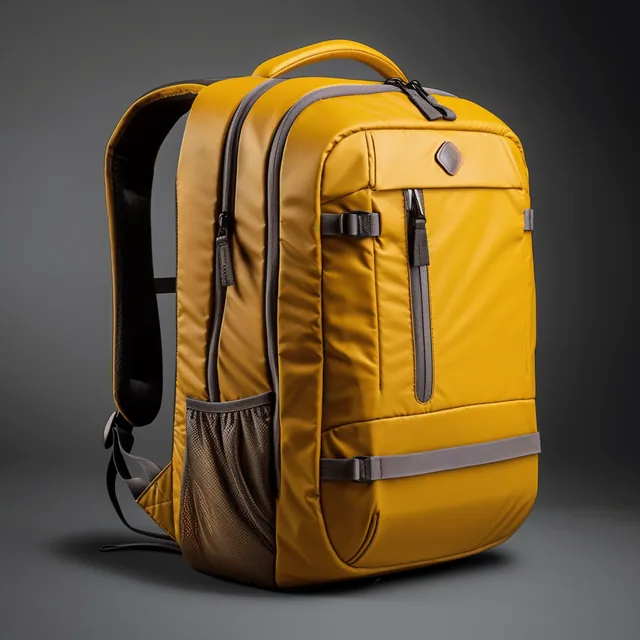
Volume is quoted inconsistently across the industry, so treat litres as a comparative figure within one brand rather than across two. Fjallraven covers the everyday band densely: around 13-16 litres for school and city packs, 20-25 litres for a commute with a laptop and lunch, then a few larger travel and trekking pieces above 40 litres that sell in far smaller numbers. The brand's UK demand curve peaks somewhere near 16 litres, which is considerably smaller than the UK commuter average and explains why so many owners report the pack being just slightly too small for a laptop plus gym kit plus a packed lunch.
Haglofs concentrates in a different place. The core of the range is 22-35 litre day packs with hydration compatibility, walking pole attachments and rain covers, supported by 45-75 litre multi-day packs with proper frame sheets. For a UK range planner that difference is commercially meaningful: the functional band sells to customers who already own two bags and know what they are missing, whereas the heritage band sells to customers entering the category. If you are building a first private-label assortment, sampling both bands at once tells you within one season which customer you actually have, before capital is committed to a deeper buy.
| Use case | Volume | What it carries |
|---|---|---|
| City or school carry | 13-16 litres | Laptop to 13 inch, notebook, water bottle |
| Office commute | 20-25 litres | Laptop to 15 inch, lunch, waterproof, shoes |
| Hill day in the UK | 24-32 litres | Layers, food, 2 litre water, shell jacket |
| Multi-day trekking | 45-65 litres | Sleep system, cooking kit, clothing for three days |
Where Each Brand Actually Fails in British Weather
Failure patterns are more useful than durability claims, and they cluster differently. On everyday packs from either brand the first thing to go is usually the zip hardware rather than the shell: a #5 or #8 coil chain filled with grit wears its slider, then separates behind it, typically after 18-30 months of daily commuting. The second common failure is strap root stitching lifting where webbing meets the body, especially if the pack is habitually slung over one shoulder. Third is coating delamination inside the main compartment, which shows as black flakes and is far more common on older stock than on anything bought recently.
Where the two do differ is how they respond to being put away wet, which in the UK means most of the time between October and March. Vinylon F tolerates damp storage better than a PU-backed nylon, because the vinyl coating is less prone to hydrolysis, so an older Fjallraven can survive years in a porch while a technical nylon develops a flaking liner in its third winter. Conversely, technical packs win on structural longevity of soft parts: dual-density foam in a padded harness resists compression set far better than the thin foam used in an everyday panel, which keeps the load sitting correctly for years rather than months.
Price Ladders, Discount Discipline and Counterfeit Pressure
Both brands sit in the upper-middle of the UK market, roughly £80-£220 for the core of both ranges, and both depend on tight price discipline to hold that position. Fjallraven is generally the more protected proposition: it restricts discounting more aggressively, which supports full-price sell-through but leaves very little margin for retailers who buy in October and hope to clear in January. Haglofs discounts more freely through seasonal events, giving a retailer a workable 20-30% promotional band while occasionally undermining the premium perception of the badge. Either way, a £12 difference can decide whether a listing converts, so everyday-icon pricing should be defended carefully and technical packs should be left room to breathe.
The other commercial reality is counterfeiting. The everyday icon-style pack is one of the most counterfeited bag designs in the UK, with listings appearing at £25-£45 against a genuine £85-£110 retail. The usual tells are inconsistent stitch density, a wrong-weight zip chain and artwork whose proportions are slightly off, and the commercial consequence for a legitimate retailer is that the genuine item has to be merchandised with clear provenance rather than left to compete on price. If you plan your own everyday icon, assume your best-selling colourway will be copied within two seasons and build a brand asset that is expensive to reproduce accurately.
What a Private-Label Range Can Borrow From Both
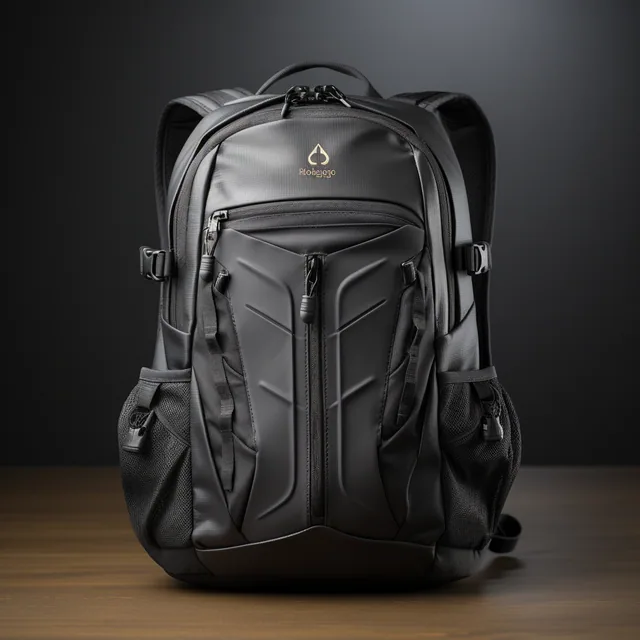
Three transferable lessons come out of this comparison. First, pick a fabric system and commit to it rather than buying whatever is cheapest that month; consistency of hand feel is what makes a range recognisable. Second, match harness spec to intended load honestly, because an uncomfortable pack generates a return within weeks and a review that lasts years. Third, decide which side of the line you are on - occasion carry or function carry - and resist diluting a range with products that belong to the other side. A 16-litre icon and a 45-litre trekking pack can exist in one catalogue, but they cannot share the same page count.
For UK buyers developing that sort of range, QUANZHOU JUNYUAN BAGS operates as a sourcing and programme-management partner established in 2014, coordinating 4,950 square metres of SGS-verified production floor space with 137 colleagues and seven production lines. The standard commercial frame is a minimum order quantity of 500 pcs per style and colourway. Sampling runs 6-10 working days, and 12-15 working days where tooling or complex multi-panel construction is involved. Bulk production takes 35-50 days. Inspection is set at AQL 2.5 under ISO 2859-1, with terms at FOB Xiamen and payment at T/T 30/70, and UK importers should also read the guidance on placing manufactured goods on the market in Great Britain before the first shipment lands.
A Decision Matrix for UK Buyers
For a single purchase, choose on load first and aesthetic second. Under 6 kg carried mostly around town or campus either brand performs well, and the Fjallraven route will probably be the one you keep longer because it ages visually and resists damp storage. Between 8 and 12 kg with any real walking, only the technical route makes sense: a padded harness, load lifters and a hip belt, with a rain cover if the shell has no serious water resistance. Above 12 kg stop comparing lifestyle packs altogether and start measuring torso length, because fit matters more than either badge.
For a buyer planning a range the matrix looks slightly different. Stock the heritage format where footfall comes from gifting, students and city dwellers, since those units are simple to merchandise and easy to photograph. Stock the technical format where you have staff who can fit a pack properly, because torso length and hip-belt sizing are the two things that determine whether those units come back. A sensible first season splits roughly 60/40 towards whichever your customer base already asks for, then reallocates after the first full quarter of returns data rather than continuing on intuition, because return reasons reveal far more about fit and expectation than any sales report does.
- Load under 6 kg: choose on look and longevity of the shell, not on harness specification.
- Load 8-12 kg: padded harness with load lifters and a hip belt is the minimum acceptable specification.
- Load above 12 kg: torso length and frame construction dominate every brand consideration.
- Retail split for a first season should follow existing footfall, then be re-set from real returns data.
- Assume any successful icon colourway will be copied within about two seasons.
Sustainability claims, repairability and end of life
Both brands publish material and repair information, and the substance behind it matters more than the headline. Recycled polyester content is now close to standard across the category, so percentage claims should be read alongside durability, because a recycled face fabric with a short service life is a worse outcome than a virgin one that lasts nine years. Repairability is the more meaningful metric: a pack whose hip belt unbolts, whose buckles are industry-standard and whose zip sliders can be replaced without unpicking binding will stay in service far longer than one whose parts are bonded permanently into the structure.
End-of-life matters most to the brands rather than to owners, but it affects product decisions either way. A single-polymer shell with a removable polyethylene frame sheet can be separated and recycled; a laminated multi-material panel with glued foam generally cannot. UK buyers planning their own programme should ask for a materials declaration at sampling stage rather than at shipment, since it is the point at which both repairability and recyclability can still be changed at no cost. That single question, asked early, tends to separate credible development partners from ones working only from a customer's logo file, and it leaves a document trail that supports any later recycled-content claim instead of an unverifiable assertion.
Frequently Asked Questions
Is Fjallraven better than Haglofs for everyday use in the UK?
For everyday carry under 6 kg, Fjallraven generally suits the use better. Its 13-16 litre packs weigh less, resist damp storage and keep looking acceptable after years of abuse, which matters when the pack lives in a porch or under a desk. Haglofs wins once daily load passes about 8 kg or involves real walking, thanks to padded harnesses, hip belts and better venting. Expect to pay £80-£160 for the former and £90-£220 for the latter.
What is Vinylon F and is it actually waterproof?
Vinylon F is a vinyl-coated polyester rather than a nylon ripstop. It swells slightly when wet, tightening the weave and slowing water penetration, so it performs reasonably without relying on a sprayed finish. It is best described as highly water-resistant rather than waterproof: plan for about 30-60 minutes of steady rain before contents need protection, and add a cover for longer exposure. Its real advantage is ageing: the coating keeps working long after a DWR treatment has worn off.
Can a 16-litre Kanken-style pack carry a 15-inch laptop?
Physically usually yes, comfortably no. A 15-inch laptop needs roughly 360 x 250 mm of internal space, which fits inside a 16-litre shell, but combined with a charger, lunch, a water bottle and a waterproof jacket the pack quickly reaches 5-7 kg. At that weight a straight webbing strap without a hip belt starts concentrating pressure at the neck. Sleeve dimensions written into the spec sheet matter more than the litre figure printed on the tag.
Which brand lasts longer for daily commuting in the UK?
Structurally Haglofs tends to last longer because dual-density harness foam resists compression far better than thin everyday padding. The shell story is closer: Vinylon resists damp-storage hydrolysis better than PU-backed nylon, so it often survives longer in porches and garages. In both cases the zip slider fails before the fabric does, usually after 18-30 months of daily use, and replacing it costs around £5-£12 rather than the whole pack.
Are these backpack brands made with PFC-free water repellent finishes now?
Yes, essentially the whole outdoor category has moved away from long-chain fluorinated finishes because of persistence and toxicity concerns documented around PFAS chemistry. Modern finishes bead well when new and typically need renewing after roughly 20-40 washes or one hard season. Practically, plan to reproof once or twice a year in the UK, at about £6-£10 per can, and pay attention to high-wear zones such as the base and the shoulder contact areas rather than spraying evenly everywhere.
Why do prices for these packs vary so much between UK retailers?
Variation usually reflects import route, currency hedging and whether the seller is an authorised stockist rather than the brand's own policy. Genuine UK retail for the everyday icon sits around £80-£110; anything at £25-£45 is almost certainly counterfeit, particularly on marketplaces. Authorised stockists usually hold within about 10% of the recommended figure, while grey imports may undercut by 15-25% but often arrive without valid warranty support for the UK and with different care labelling.
How do I spot a fake Fjallraven pack in the UK?
Check four things. Stitch density: fakes often run 4-5 stitches per centimetre against a neater 6-8 on genuine items. Zip weight: a light #5 chain where a heavier chain belongs is a strong tell. Artwork proportion and font spacing are usually slightly off. Finally, labels: genuine UK stock carries full fibre composition, care symbols and importer details, while counterfeits frequently omit the importer line. Buying from an authorised stockist removes essentially all of this risk for a £15-£25 premium.
Which of the two is better for hill days in the Lake District?
Haglofs, comfortably. A Lake District day typically needs 24-32 litres, 2 litres of water, spare layers, food and a shell jacket, totalling 6-9 kg over rough ground. That requires a padded harness, load lifters and often a hip belt, none of which the everyday heritage pack offers. Add a rain cover rated for the pack volume, since British showers arrive fast, and check that the hip belt actually sits on the iliac crest rather than on soft tissue.
Do these brands offer repairs rather than replacements?
Both operate repair-first policies on manufacturing faults, generally assessed against a dated proof of purchase, and both will replace only when repair is impractical. Normal wear - abrasion at base corners, flattened foam, worn zip slider - is usually repairable at the owner's cost. Turnaround of 2-6 weeks is typical through a retailer. Keeping the receipt matters, because most claims are processed through the retailer rather than directly, and pixelated photographs slow the assessment.
What volumes should a UK retailer stock for a first season?
Anchor on three sizes rather than a full ladder: 16 litres for gift and city demand, 24-28 litres for commute and day walks, and 45-55 litres for trekking if your catchment supports it. Expect roughly 60-70% of unit volume to come from the smallest size in mixed retail, but the largest size often delivers 25-35% of value. Re-order cycles of 35-50 days from approval mean the second drop must be committed before the first season data is complete.
What is the minimum order quantity for own-brand versions of these styles?
For custom development alongside standard programmes the minimum order quantity is 500 pcs per style and colourway. Sampling takes 6-10 working days, extending to 12-15 working days for complex constructions, and bulk production runs 35-50 days after approval. Inspection is performed at AQL 2.5 under ISO 2859-1, with shipments on FOB Xiamen terms and payment structured as T/T 30/70, which most UK importers build into their seasonal cash-flow planning.
Developing Your Own Everyday or Technical Range
The gap between a £30 everyday pack and a £120 one is rarely the fabric bill. It is the discipline of matching harness to load, keeping one fabric story across a range, and specifying parts that can be replaced rather than bonded in. Those decisions are cheap at the tech-pack stage and effectively irreversible once tooling is cut.
QUANZHOU JUNYUAN BAGS supports that specification work from a base established in 2014, with 4,950 square metres of SGS-verified production floor space, 137 colleagues and seven production lines. Programmes run at a minimum order quantity of 500 pcs per style and colourway, samples in 6-10 working days, bulk in 35-50 days, inspection at AQL 2.5 under ISO 2859-1, FOB Xiamen and T/T 30/70 terms.
Email: service@junyuanbags.com
WhatsApp: +86 177 5002 0688