Essential Features for a Gym Backpack
Not all gym backpacks are created equal. The difference between a frustrating daily carry and a seamless gym-to-office experience comes down to the features a backpack includes — or fails to include. This guide breaks down every feature that matters and explains exactly why each one makes a real difference in your daily fitness routine.
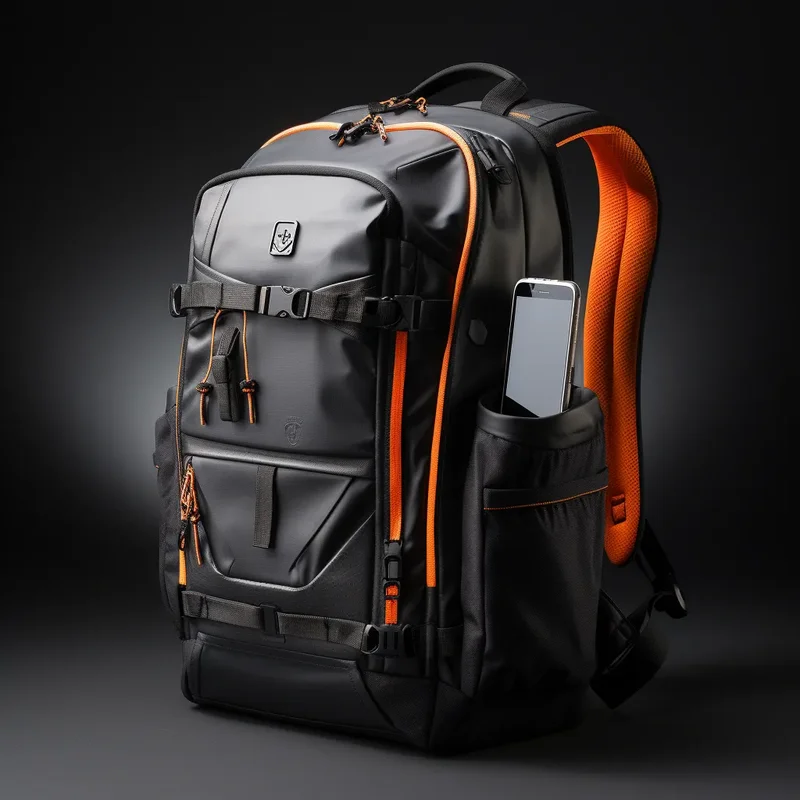
Why Features Matter in a Gym Backpack
A gym backpack is not simply a regular backpack with a sporty logo. The environments it operates in — sweaty changing rooms, rain-soaked commutes, crowded trains, shared office spaces — demand specific design solutions that ordinary backpacks simply do not address.
When you evaluate gym backpacks, each feature serves a clear purpose: keeping gear fresh, protecting electronics, organising your belongings efficiently, and ensuring comfort during your commute. Understanding why each feature matters helps you make an informed purchasing decision and avoid paying for gimmicks you will never use.
Let us examine every essential feature in detail, ranked by importance for the average gym-goer.
1. Ventilated Shoe Compartment
What It Is
A dedicated section, typically at the base or side of the backpack, designed to store training shoes separately from other contents. Quality models include mesh ventilation panels that allow airflow to reduce moisture build-up.
Why It Matters
Training shoes accumulate significant moisture and bacteria during every workout. Stuffing them into the same compartment as your clean clothes, laptop, or post-workout meal is a recipe for odour transfer and bacterial cross-contamination.
A ventilated shoe compartment keeps shoes isolated while allowing airflow to accelerate drying. This reduces the bacterial growth that causes the characteristic gym-shoe smell, extends the life of your footwear, and keeps everything else in your backpack fresh.
What to Look For
- Separate external zippered access (so you do not need to open the main compartment)
- Mesh ventilation panels on at least two sides
- Capacity for at least one pair of training shoes (US 10-14 depending on model)
- Removable divider or insert that can be cleaned easily
- Water-resistant lining to handle residual moisture
2. Wet-Dry Separation
What It Is
A waterproof-lined pocket or compartment that physically separates wet or sweaty items from dry belongings. This is typically a dedicated section lined with TPU (thermoplastic polyurethane) or similar waterproof material.
Why It Matters
After an intense training session, your clothes, towel, and possibly your shoes are damp. Without wet-dry separation, this moisture transfers to your clean clothes, electronics, and any food you are carrying. Within hours, your entire backpack develops an unpleasant damp smell.
Wet-dry separation solves this by containing moisture within a sealed, waterproof zone. You can pack sweaty gym clothes immediately after your session without worrying about contamination. Your laptop stays dry, your clean clothes for the evening stay fresh, and your backpack does not develop a permanent damp odour.
What to Look For
- TPU or PVC-lined internal pocket with sealed seams
- Minimum capacity for a full set of gym clothes and a small towel
- Separate zippered closure (not just an internal divider)
- Drainage grommets or ventilation holes at the base for drying
3. Padded Laptop Sleeve
What It Is
A dedicated, padded compartment designed to protect a laptop computer. Typically located against the back panel (closest to your spine for best weight distribution), it features foam padding on all sides and a secure closure.
Why It Matters
For gym-goers who go from office to gym and back, a laptop sleeve eliminates the need to carry a separate work bag. Your laptop stays protected from gym equipment impact, moisture from wet clothes, and the general bumps of commuting.
The back-panel placement is deliberate — it positions the laptop's weight close to your body's centre of gravity, reducing strain during carrying. It also makes the laptop accessible at security checkpoints without unpacking your entire bag.
What to Look For
- Padding of at least 10mm on all sides
- Compatibility with your laptop size (commonly 13-inch, 15.6-inch, or 16-inch)
- Top or side access zip that does not require opening the main compartment
- Fleece or soft-touch lining to prevent screen scratches
- Elastic or Velcro strap at the top to secure the laptop and prevent sliding
4. Water Bottle Pocket
What It Is
An external pocket, typically on one or both sides of the backpack, designed to hold a water bottle or shaker in an upright position. Usually made from elasticised mesh or neoprene material.
Why It Matters
Hydration is fundamental to fitness performance and recovery. Your gym backpack needs to carry a water bottle or protein shaker without it leaking into your other belongings or taking up valuable internal space.
An external water bottle pocket keeps the bottle upright and accessible, prevents leaks from reaching your gear, and frees up internal capacity for clothing and equipment. It also allows you to see at a glance whether you have remembered to pack your bottle.
What to Look For
- Depth sufficient to hold a standard 750ml bottle without it falling out
- Elasticised top or drawcord to secure the bottle during movement
- Drainage hole at the base to prevent leaked water from pooling
- Reinforced stitching to handle the weight of a full bottle over time
- Positioned within easy reach without removing the backpack
5. Padded, Ergonomic Shoulder Straps
What It Is
Contoured shoulder straps with foam padding, mesh ventilation backing, and adjustable length. Premium models feature S-curve or anatomical shaping that follows the natural line of your shoulder.
Why It Matters
Gym backpacks are often heavier than regular backpacks due to shoes, wet towels, metal water bottles, and dense workout gear. Poorly designed straps concentrate pressure on narrow points of your shoulders, causing pain, numbness, and long-term discomfort.
Padded, contoured straps distribute this weight across a larger surface area, reducing pressure points. Mesh backing promotes airflow between the strap and your skin, reducing sweat build-up during warm commutes. Adjustable length ensures the backpack sits at the correct height on your back for optimal weight distribution.
What to Look For
- Minimum 10mm padding, with thicker padding (15-20mm) for loads above 8kg
- S-curve or anatomical contour shape
- Breathable mesh or channelled foam backing
- Sternum strap to prevent strap slippage and improve weight distribution
- Adjustable length with durable buckles (not cheap plastic sliders)
- Attachment point at the base to prevent strap twisting
6. Anti-Odour Lining
What It Is
Interior fabric treated with anti-microbial or odour-neutralising technology. Common treatments include silver-ion technology, activated carbon layers, or proprietary anti-bacterial coatings.
Why It Matters
A gym backpack exists in a uniquely hostile olfactory environment. Damp shoes, sweaty clothes, protein shakers, and humid changing rooms all contribute to bacterial growth inside your bag. Over time, untreated fabric absorbs these odours permanently.
Anti-odour lining actively inhibits bacterial growth or neutralises odour molecules, keeping your backpack smelling fresh even after months of daily use. This is not merely a comfort feature — it is a hygiene feature. Bacterial build-up inside your bag can cause skin irritation and infections.
What to Look For
- Silver-ion or zinc-based anti-microbial treatment (most effective and longest lasting)
- Activated carbon or charcoal-lined sections for odour absorption
- Treatment that is integrated into the fabric, not a spray-on that wears off
- Machine-washable or wipe-clean interior for periodic deep cleaning
7. Optimal Capacity (20-35 Litres)
What It Is
The total internal volume of the backpack, measured in litres. For gym use, the sweet spot falls between 20 and 35 litres — enough to carry all essential gear without becoming unwieldy.
Why It Matters
Too small (under 20 litres), and you cannot fit shoes alongside clothes, a towel, toiletries, and a water bottle. Too large (over 40 litres), and the backpack becomes bulky on public transport, takes up excessive gym locker space, and tempts you to carry unnecessary items.
The 20-35 litre range provides the ideal balance. It accommodates a complete gym kit while maintaining a sleek profile that works in office environments and on crowded trains. Most gym backpacks in this range include intelligent organisation that maximises usable space within the total volume.
What to Look For
- Total capacity in the 25-35 litre range for the most versatile option
- Expandable designs that add 5-10 litres when needed for weekend trips
- Intelligent compartmentalisation that makes every litre count
- External compression straps to reduce bulk when carrying lighter loads
8. Durable, Water-Resistant Materials
What It Is
High-denier polyester or nylon fabric with a water-resistant coating (DWR — Durable Water Repellent) that protects contents from rain, spills, and moisture from wet gym environments.
Why It Matters
Gym backpacks face conditions that regular bags rarely encounter: rain during outdoor commutes, splashes from wet changing room floors, leaked water bottles, and condensation from damp workout gear. Without water-resistant materials, these exposures damage electronics, saturate clean clothes, and degrade the bag itself.
High-denier fabric (600D polyester or higher) resists tearing and abrasion from daily use, gym bench scraping, and overstuffing. Water-resistant coatings keep the contents dry even in unexpected rain, and they make the bag easy to wipe clean after inevitable spills and splashes.
What to Look For
- 600D polyester minimum; 900D or 1000D for maximum durability
- DWR (Durable Water Repellent) coating on exterior fabric
- Tarpaulin or TPU-coated base panel for wet surface resistance
- YKK or equivalent quality zippers with water-resistant flaps
- Reinforced, bar-tacked stitching at all stress points
- Abrasion-resistant base material for gym floor contact
Essential Features Comparison Table
| Feature | Priority Level | Impact on Daily Use | Common in Budget Models? |
|---|---|---|---|
| Ventilated Shoe Compartment | Critical | Prevents odour cross-contamination | Rarely |
| Wet-Dry Separation | Critical | Keeps clean items dry and fresh | Rarely |
| Padded Laptop Sleeve | High | Enables gym-to-office versatility | Sometimes |
| Water Bottle Pocket | High | Hydration accessibility and leak protection | Yes |
| Padded Ergonomic Straps | Critical | Comfort during commute with heavy loads | Basic version only |
| Anti-Odour Lining | Medium-High | Long-term freshness and hygiene | Rarely |
| Optimal Capacity (20-35L) | Critical | Balances carry volume with portability | Yes |
| Durable Water-Resistant Materials | Critical | Protects contents and extends bag lifespan | Basic version only |
Features That Are Nice to Have (But Not Essential)
Beyond the eight essential features, some gym backpacks include additional elements that enhance convenience but are not deal-breakers:
- USB charging port: An external USB port connected to an internal cable that routes to a power bank. Useful if you regularly need to charge your phone, but you must supply your own power bank.
- Luggage pass-through strap: A rear panel that slides over suitcase handles for airport travel. Useful if you frequently travel with your gym bag.
- Reflective elements: Reflective strips or logos for visibility during early morning or evening commutes. Important for cyclists and runners.
- External bungee cords: Useful for attaching a yoga mat, foam roller, or jacket to the outside of the backpack.
- Quick-access top pocket: A fleece-lined pocket at the top for phone, sunglasses, or keys that you need to grab quickly.
- Hidden security pocket: A rear-facing pocket against your back that is inaccessible when wearing the backpack — useful for wallet and passport.
How to Prioritise Features Based on Your Routine
Not every gym-goer needs every feature equally. Here is how to prioritise based on your specific situation:
Daily Gym-Goer (4+ sessions per week)
Prioritise anti-odour lining, ventilated shoe compartment, and wet-dry separation above all else. Daily use amplifies the impact of hygiene features. Durability becomes critical — invest in higher-denier materials.
Gym-to-Office Commuter
The laptop sleeve and professional aesthetics become top priorities. You need a backpack that transitions seamlessly between environments. Look for understated colourways and clean lines alongside essential gym features.
Cyclist or Public Transport Commuter
Padded straps, sternum strap, water-resistant materials, and reflective elements move to the top of the list. The backpack must stay comfortable during active commuting and protect your gear from weather.
Weekend Warrior (1-2 sessions per week)
Capacity and versatility are your priorities. A slightly larger bag (30-35 litres) that works for both gym sessions and weekend day trips offers the best value for lower-frequency use.
Pro tip: Never sacrifice the ventilated shoe compartment or wet-dry separation to save money. These two features have the greatest impact on daily satisfaction and long-term hygiene. A backpack without them will frustrate you every single session.
The Cost of Missing Features
It is worth understanding the real cost of choosing a gym backpack that lacks essential features:
- No shoe compartment: You will need to carry separate shoe bags or wrap shoes in plastic, adding friction to every session. Your other gear will absorb shoe odour over time.
- No wet-dry separation: Damp clothes will soak into everything else. Your laptop, clean clothes, and food will all suffer. You may need to carry plastic bags for isolation.
- No laptop sleeve: You will need a separate work bag or risk damaging your laptop by carrying it unprotected alongside gym equipment.
- Poor straps: Shoulder pain, neck stiffness, and back discomfort will develop over weeks of commuting with a heavy, poorly supported load.
- Low-quality materials: Zippers will fail, seams will split, and the bag will show wear within months rather than years.
Investing in a backpack with all eight essential features typically costs £50-£100. The cost of replacing a failed cheap bag, plus the frustration of daily compromises, far exceeds this initial investment.
Final Recommendations
When evaluating gym backpacks, use the eight essential features as your checklist. A backpack that includes all of them — ventilated shoe compartment, wet-dry separation, padded laptop sleeve, water bottle pocket, ergonomic straps, anti-odour lining, optimal capacity, and durable water-resistant materials — will serve you reliably for years and make every gym session smoother.
Prioritise hygiene features (shoe compartment, wet-dry separation, anti-odour lining) and comfort features (ergonomic straps, proper capacity) above aesthetic extras. These are the features that determine whether your gym backpack becomes a trusted daily companion or a source of constant frustration.
Frequently Asked Questions
What is the most important feature in a gym backpack?
The ventilated shoe compartment is the single most impactful feature. It prevents shoe odour from contaminating your clean clothes and electronics, allows shoes to air out between sessions, and keeps your backpack fresh over the long term. Combined with wet-dry separation, these two features transform your daily gym carry experience.
How much should I spend on a gym backpack with good features?
Expect to spend between £50 and £100 for a gym backpack that includes all eight essential features. Budget models (£20-£40) typically include basic straps and water bottle pockets but lack shoe compartments, wet-dry separation, and anti-odour lining. Premium models (£100-£150) add advanced materials, extended warranties, and innovative organisation systems.
Do I need a wet-dry separation pocket?
If you train intensely enough to produce sweaty clothes (which is most gym-goers), yes. A wet-dry separation pocket prevents damp clothes from soaking your laptop, clean items, and food. It also prevents your backpack from developing a permanent damp smell. It is one of the most impactful features for daily gym use.
What capacity should a gym backpack be?
For most gym-goers, 25 to 35 litres provides the ideal balance. This accommodates shoes, a full change of clothes, toiletries, a towel, a water bottle, and optionally a laptop. Below 20 litres forces you to leave essential items behind; above 40 litres becomes bulky for commuting and gym locker storage.
Is anti-odour lining worth paying extra for?
Absolutely, especially if you train three or more times per week. Anti-odour treatments using silver-ion or zinc-based technology actively inhibit the bacteria that cause smells. Unlike spray-on deodorisers that wear off within days, integrated fabric treatments last for the lifetime of the backpack. The difference in long-term freshness is substantial.
How long should a quality gym backpack last?
A well-constructed gym backpack made from 600D polyester or higher, with quality zippers and reinforced stress points, should last three to five years with daily use. Premium models with higher-denier materials and lifetime warranties can last significantly longer. If your backpack shows wear within months, the materials or construction were insufficient.
Can a gym backpack replace my everyday backpack?
Yes, and this is one of the strongest arguments for investing in a quality gym backpack. Models with laptop sleeves and understated designs work seamlessly in office, university, and social settings. By carrying a single bag for gym and daily life, you reduce the number of bags you own and always have your gym gear with you.
What material is best for a gym backpack?
600D polyester with a DWR (Durable Water Repellent) coating is the ideal balance of durability, weight, water resistance, and value. For heavier-duty use, look for 900D or 1000D polyester. Nylon is lighter but less abrasion-resistant. The base should feature a TPU or tarpaulin coating for wet surface resistance.
Compare Gym Backpack Options
Now that you know what features matter, see how different gym backpacks compare in capacity, comfort, and real-world performance for your training routine.
Backpack vs. Duffel Comparison →