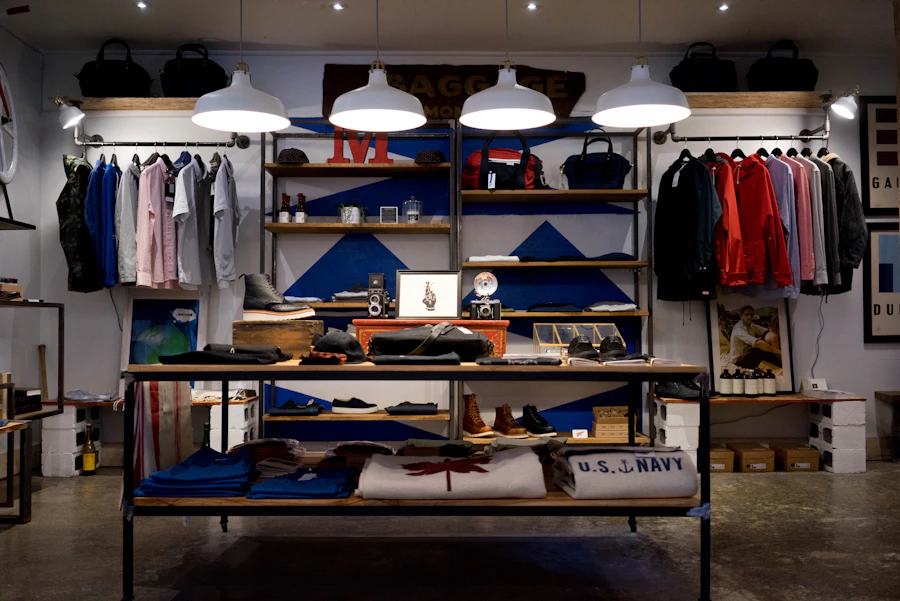
Despite the growth of e-commerce, physical retail remains a crucial channel for backpack sales. Customers value the ability to touch materials, test zippers, feel weight distribution, and assess size in person before committing to a purchase. For backpack brands and retailers, effective in-store display and merchandising strategies convert foot traffic into sales, communicate product value, and create memorable shopping experiences that build brand loyalty. The retail environment offers unique advantages that digital channels cannot replicate, making merchandising excellence a competitive necessity.
At Junyuan Bags, our 20 years of manufacturing experience since 2004 has given us deep insight into how backpack design decisions impact retail presentation. Our 15,000 square meter facility in Quanzhou produces backpacks that are designed not just for functionality and durability but for visual impact on retail shelves and displays. Understanding the intersection of manufacturing, design, and retail merchandising enables us to advise our B2B partners on creating products that sell themselves when customers encounter them in physical retail environments.
The Psychology of Backpack Retail Presentation
Understanding how customers perceive and evaluate backpacks in retail environments informs every merchandising decision. Visual perception, tactile engagement, and contextual presentation all influence the customer's assessment of quality, value, and suitability.
Visual Hierarchy and Attention Capture
In a retail environment competing for customer attention, backpack displays must create immediate visual impact that draws customers from the aisle into engagement. This requires understanding visual hierarchy principles: larger elements attract attention first, followed by contrast, color saturation, and movement. A wall of identically presented backpacks creates visual monotony that customers' brains filter out. Strategic variation in height, angle, lighting, and grouping creates visual rhythm that maintains customer attention and encourages exploration.
The Role of Touch in Purchase Decisions
Backpack purchases are highly tactile. Customers need to feel the fabric weight and texture, test zipper smoothness, assess padding comfort, and evaluate overall construction quality through physical interaction. Display strategies must facilitate this tactile engagement by positioning products at accessible heights, keeping zippers and compartments open for exploration, and providing clear invitation to interact. Products featuring premium materials like ballistic nylon or Cordura fabrics benefit enormously from touch engagement, as the quality difference is immediately apparent through physical contact.
Wall Display Systems for Backpack Retail
Wall displays are the primary presentation method for backpacks in most retail environments. They maximize product visibility within limited floor space and create the visual impact of a comprehensive product range. Designing effective wall displays requires consideration of sight lines, accessibility, product grouping, and visual merchandising principles.
Height and Sight Line Optimization
Products positioned at eye level sell significantly better than those positioned above or below the natural sight line. For backpack displays, this means the most important products, highest-margin items, and newest arrivals should occupy the prime eye-level zone. Products below knee level and above head height serve secondary roles, housing clearance items or complementary accessories. Adjustable fixture systems enable seasonal reconfiguration to keep displays fresh and optimize product positioning based on sales performance data.
Category Grouping and Brand Zoning
Organizing backpacks by category and brand creates logical shopping journeys that reduce customer decision fatigue. A customer looking for a business backpack should be able to find all relevant options in one zone without navigating through outdoor backpacks or casual models. Clear signage identifying each zone, combined with consistent visual treatment within zones, enables efficient browsing and comparison. For multi-brand retailers, dedicated brand zones with distinctive visual identity communicate brand positioning and help customers navigate by brand preference.

In-Store Product Preparation and Presentation
How individual backpacks are prepared for display significantly impacts customer perception and purchase likelihood. Proper preparation transforms a backpack from a packaged product into an aspirational object that customers want to own.
Stuffing and Shape Maintenance
Backpacks displayed empty appear flat, lifeless, and low-value. Properly stuffed backpacks maintain their intended three-dimensional shape, communicate capacity, and create visual appeal that drives customer engagement. Internal stuffing should use lightweight materials that maintain shape without adding excessive weight to display fixtures. The amount and distribution of stuffing should represent realistic use scenarios: a business backpack stuffed to suggest laptop and documents, a travel backpack filled to demonstrate clothing capacity, and a casual backpack shaped to convey everyday essentials.
Strap Management and Silhouette Optimization
Shoulder straps, sternum straps, and load lifters should be neatly adjusted and positioned to create the most appealing silhouette. Straps hanging loosely create visual clutter and suggest poor quality. Tucking excess strap length, adjusting padding to sit flat against the wall mount, and positioning buckles symmetrically all contribute to a polished presentation. For tech backpacks with sleek, minimalist designs, careful strap management is particularly important to maintain the clean aesthetic that defines the product category.
Feature Accessibility and Interactive Display
Customers want to explore backpack features before purchasing. Displays should facilitate this exploration by keeping main compartments partially accessible, positioning information cards near relevant features, and creating opportunities for customers to experience organizational systems, laptop sleeve fit, and accessibility features. For products featuring waterproof fabric technology, interactive displays that demonstrate water resistance using sample fabric swatches create memorable product education moments that drive purchase confidence.
Signage and Product Communication
Effective signage communicates product information that visual presentation alone cannot convey. Price, materials, features, brand story, and use-case recommendations all benefit from clear, well-designed signage that supports the visual merchandise without overwhelming it.
Feature Callout and Material Education
Many customers do not understand the significance of materials like ballistic nylon, Cordura, or specialized waterproof membranes. Signage that educates customers about material properties and their practical benefits creates perceived value that justifies premium pricing. Comparison charts showing the performance differences between ballistic nylon and Cordura fabrics, or explaining how waterproof fabric technology protects contents, empower customers to make informed decisions and appreciate quality differences between price points.
Lifestyle and Use-Case Communication
Signage that communicates recommended use scenarios helps customers identify the right product for their needs without requiring extensive sales staff interaction. Icons, brief descriptions, and lifestyle imagery showing the backpack in context guide customers toward appropriate selections. A sign reading "Designed for Daily Commute: Padded Laptop Compartment, Quick-Access Organization, Professional Aesthetic" immediately communicates the value proposition of a business backpack to the right customer segment.
Lighting Strategies for Backpack Displays
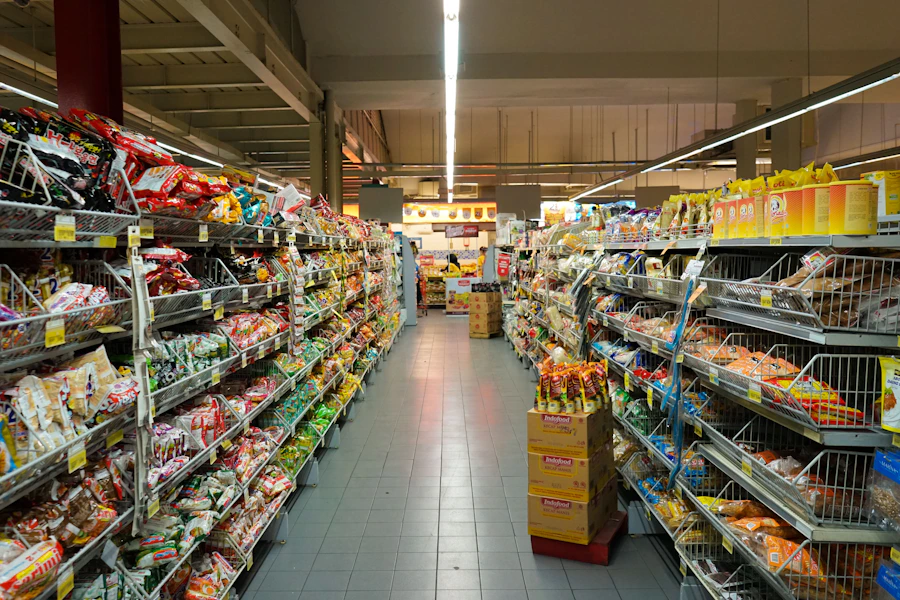
Lighting profoundly influences how customers perceive product quality, color accuracy, and overall appeal. Well-designed lighting highlights product features, creates atmosphere, and guides customer attention to priority products and promotions.
Ambient and Accent Lighting Balance
Effective backpack display lighting combines ambient illumination for overall visibility with targeted accent lighting that creates drama and draws attention to featured products. Track lighting systems with adjustable heads provide the flexibility to highlight specific products or display zones. Warm lighting creates a premium atmosphere suitable for luxury backpack presentations, while cooler, brighter lighting suits performance-oriented categories like outdoor backpacks where technical features benefit from clear visibility.
Color Rendering and Material Representation
High color rendering index lighting ensures that backpack colors are represented accurately and attractively. Poor lighting that distorts colors creates customer disappointment when products are viewed in different lighting conditions after purchase. For products featuring complex material combinations, such as the contrast between matte ballistic nylon and textured Cordura panels, quality lighting reveals the subtle material differences that communicate premium construction and justify price differentiation.
Seasonal Merchandising and Display Rotation
Regular display rotation keeps retail environments fresh, creates reasons for repeat visits, and ensures that product presentation aligns with seasonal customer needs and buying patterns.
Seasonal Transition Strategies
Backpack retail follows distinct seasonal patterns. Back-to-school season demands prominent display of organizational and student-oriented models. Holiday seasons highlight gift-worthy options with premium packaging and presentation. Summer drives travel backpack and outdoor backpack prominence. Each seasonal transition should involve complete display refreshes that communicate freshness and relevance. Planning seasonal displays three to four months in advance ensures that product availability, signage, and fixtures are prepared for timely execution.
Promotional Display Integration
Promotional periods require display adaptations that communicate value without undermining brand positioning. End-cap displays, dedicated promotion zones, and clear value communication signage create promotional visibility while maintaining overall store aesthetic standards. Bundle displays that pair backpacks with accessories increase average transaction values while providing customers with complete solutions. During promotional periods, maintaining visual quality standards prevents the perception that discounted products are inferior or outdated.
Packaging and Unboxing Experience in Retail
When backpacks are sold in packaging rather than displayed unpacked, the packaging itself becomes a critical merchandising element. Window boxes, hang tags, protective sleeves, and branded wrapping all contribute to the retail presentation and post-purchase experience.
Retail-Ready Packaging Design
Packaging designed for retail display must balance product protection with visual appeal and information communication. Window boxes that allow customers to see and partially touch the product while maintaining protection perform better than opaque boxes. Clear hang tags with high-quality photography, feature callouts, and material information serve as compact sales tools. For luxury backpacks, premium packaging with magnetic closures, dust bags, and branded tissue paper justifies premium pricing and creates a memorable purchase moment.
Post-Purchase Packaging Experience
The unboxing experience after purchase influences customer satisfaction, social media sharing, and brand perception. Including branded materials, care instructions, warranty information, and a personal touch like a thank-you card transforms a simple product delivery into a brand experience. This post-purchase experience drives online reviews, social media content, and word-of-mouth recommendations that benefit both the retailer and the brand. Working with manufacturers who understand retail packaging requirements ensures that every element of the customer experience is optimized.
Staff Training and Product Knowledge
Even the most beautifully merchandised display benefits from knowledgeable staff who can guide customer decisions, answer technical questions, and make personalized recommendations. Staff training is an integral component of retail merchandising strategy.
Product Feature and Benefit Training
Retail staff should understand not just what features a backpack has but why those features matter to customers. Training should cover material properties and their practical implications, organizational features and their real-world use cases, comfort and ergonomic design elements, and care and maintenance guidance. When a customer asks about the difference between two business backpacks, the staff member should be able to explain how ballistic nylon versus Cordura construction affects durability, weight, and appearance over time.
Brand Story and Manufacturing Heritage
Staff who can communicate brand stories and manufacturing heritage create emotional connections that differentiate products from commodity alternatives. Knowledge about a brand's manufacturing facility, quality certifications, design philosophy, and sustainability commitments provides conversation starters that enrich the customer interaction. Our manufacturing heritage at Junyuan Bags, established in 2004 with BSCI and ISO 9001:2015 certifications, provides compelling brand stories that our partners' retail staff can share with customers to build confidence and justify premium positioning.
Measuring Merchandising Effectiveness
Data-driven evaluation of merchandising strategies enables continuous optimization and justifies investment in display improvements. Retailers should track metrics that connect display decisions to sales outcomes.
Sales Metrics and Display Performance
Tracking sales by display position, category zone, and promotional period reveals which merchandising strategies drive the strongest results. Products that sell well despite secondary display positions may benefit from premium positioning, while products that underperform in prime positions may need display or messaging adjustments. Regular analysis of these metrics, combined with customer traffic patterns and dwell time observations, provides the insights needed for evidence-based display optimization.
Customer Feedback and Observation
Observing how customers interact with displays provides qualitative insights that quantitative metrics cannot capture. Note which products customers touch most frequently, where they pause or appear confused, what questions they ask, and which displays generate the most engagement. This observational data, combined with direct customer feedback and sales staff insights, creates a comprehensive understanding of merchandising effectiveness that drives targeted improvements.
Digital Integration in Physical Backpack Retail
The boundary between physical and digital retail continues to blur, creating opportunities for backpack retailers to enhance in-store experiences with technology that bridges the gap between physical product evaluation and digital information access.
Digital Signage and Interactive Displays
Digital screens integrated into backpack displays provide dynamic content that static signage cannot match. Video content showing backpacks in real-world use scenarios, interactive product comparison tools, and material education presentations create engaging experiences that hold customer attention longer than traditional signage. Digital displays can be updated remotely and seasonally without physical signage changes, reducing operational costs while maintaining fresh, relevant content. For tech backpacks with electronic features, digital demonstrations showing USB charging integration, anti-theft mechanisms, or modular organization systems communicate functional value more effectively than static descriptions.
Augmented Reality and Virtual Try-On
Emerging AR technologies enable customers to visualize how backpacks look when worn without physically trying on every model. Smart mirrors or tablet-based AR applications overlay backpack images onto customer reflections, enabling rapid comparison of multiple models and colorways. While still emerging, these technologies reduce fitting room congestion, accelerate the decision process, and create memorable experiences that differentiate the retail environment from online-only competitors. Retailers who experiment with these technologies position themselves as innovation leaders while gathering valuable data about customer preferences based on which virtual products generate the most engagement.
Omnichannel Integration Strategies
Connecting in-store retail experiences with digital channels creates seamless customer journeys that leverage the strengths of each channel. QR codes on display signage that link to detailed online product pages, in-store tablets that check real-time inventory availability for different colors or sizes, and buy-online-pickup-in-store capabilities all bridge the physical-digital divide. Customers who experience integrated omnichannel retail develop stronger brand relationships because the brand meets their needs regardless of which channel they choose. Backpack brands that provide retailers with digital assets, product data feeds, and integrated inventory systems enable these omnichannel experiences that drive both in-store and online sales performance.
Competitive Differentiation Through Retail Experience
In a market where backpack products can appear superficially similar to customers, the retail experience itself becomes a powerful differentiator. Brands and retailers that create distinctive, memorable in-store experiences build competitive advantages that cannot be replicated through online channels alone.
Experiential Retail Concepts
Experiential retail transforms the backpack shopping trip from a transactional necessity into an engaging brand experience. Pop-up installations that simulate travel scenarios, weight-testing stations where customers feel the ergonomic difference between designs, material comparison walls where hands-on touch reveals quality differences between ballistic nylon and standard nylon fabrics, and customization workshops where customers personalize their purchases all create memorable interactions that build brand affinity and generate social media content. These experiences justify premium positioning and create emotional connections that pure product quality cannot achieve alone.
Staff-Led Personal Shopping Services
Premium backpack retailers are introducing personal shopping services where knowledgeable staff guide customers through curated product selections based on their specific needs, lifestyle, and preferences. This service model, borrowed from luxury fashion retail, creates high-touch experiences that generate strong customer loyalty and premium willingness. Staff trained in backpack category expertise, material science, and ergonomic fitting provide consultation services that online channels cannot replicate. A customer who receives personalized guidance selecting the right business backpack for their specific commute and device requirements develops trust and loyalty that extends well beyond the initial purchase.
Community Events and In-Store Programming
Retail locations that host community events around backpack-relevant themes create destination experiences that drive foot traffic and build brand community. Travel preparation workshops, outdoor adventure planning sessions, professional productivity seminars, and gear care clinics all bring target customers into the retail environment in non-transactional contexts. These events generate authentic engagement with products in relevant contexts while building community connections that translate into long-term brand loyalty and repeat purchases. Manufacturers who support these events with product expertise, educational content, and exclusive preview access strengthen their retail partnerships and brand presence simultaneously.
Need Backpacks Optimized for Retail Display Success?
Junyuan Bags creates products that sell themselves on shelf. 15,000 sqm facility, 200+ skilled craftspeople, 8 production lines.
MOQ from 300 pieces. BSCI & ISO 9001:2015 certified. Less than 0.3% defect rate. Full retail packaging support included.
Email: service@junyuanbags.com
WhatsApp: +86 177 5002 0688
Visit: C201-207 Huachuang Park, Quanzhou, Fujian, China
These experiential retail strategies represent the future of physical backpack commerce. As online channels handle routine transactions efficiently, physical retail must offer experiences that cannot be replicated digitally. Brands and retailers who embrace this reality by investing in experiential design, staff expertise, and community programming create compelling destinations that drive sales while building the emotional brand connections that sustain long-term commercial success in an increasingly competitive marketplace.
Frequently Asked Questions
How should backpacks be displayed in retail stores for maximum sales?
Backpacks should be displayed at eye level with the front face forward, fully stuffed to show their natural shape and capacity. Group by category and color, use vertical wall displays for maximum visibility, and include interactive elements where customers can open and explore compartments.
What is the best store layout for selling backpacks?
The most effective layout creates a journey through backpack categories: entrance displays for featured products, dedicated brand zones, a comparison area for decision-making, and a try-on station with mirrors. This flow guides customers from awareness through consideration to purchase.
How can backpack brands support retailers with display materials?
Brands support retailers through branded display fixtures, point-of-sale signage, product information cards, branded packaging, and seasonal display guidelines. Junyuan Bags provides comprehensive retail support materials for products featuring ballistic nylon, Cordura, and waterproof fabrics.
What role does packaging play in backpack retail merchandising?
Packaging serves as a silent salesman. Premium packaging with magnetic closures and branded inserts creates an unboxing experience that justifies premium pricing. Clear hang tags with feature callouts and material information communicate value without sales staff assistance.
How do seasonal changes affect backpack retail display strategies?
Seasonal changes drive display rotations aligned with customer needs. Back-to-school features organizational backpacks. Holiday seasons highlight luxury options. Summer showcases travel and outdoor models. Each seasonal transition presents an opportunity to refresh displays and drive renewed interest.