The backpack industry has evolved far beyond simple manufacturing and distribution. In today's competitive landscape, the brands that thrive are those that recognize after-sales service as a strategic pillar, not an afterthought. With consumers increasingly vocal about their experiences on social media and review platforms, every post-purchase interaction shapes brand perception and influences future buying decisions. At Junyuan Bags, our 20 years of manufacturing experience since 2004 has taught us that exceptional after-sales service is as critical as the quality of the backpack itself.
Our 15,000 square meter facility in Quanzhou, Fujian, houses over 200 skilled craftspeople across eight production lines, producing backpacks with a defect rate consistently below 0.3 percent. But even with such rigorous quality standards, we understand that after-sales service is where lasting customer relationships are forged. This comprehensive guide explores the strategies that backpack brands and manufacturers should implement to build loyalty, reduce churn, and create sustainable competitive advantages.

Why After-Sales Service Matters in the Backpack Industry
The backpack market is projected to reach significant growth milestones by 2030, driven by increasing demand for functional, durable, and stylish carry solutions. With this growth comes intensified competition, making customer retention a paramount concern. After-sales service directly impacts three critical business metrics: customer lifetime value, brand reputation, and word-of-mouth marketing.
When a customer purchases a backpack, they are investing in a product that will accompany them through daily commutes, business travel, outdoor adventures, and countless other scenarios. The expectation of longevity creates a natural need for post-purchase support. Brands that fail to provide this support lose not only the individual customer but also the potential referrals that customer would have generated. Research indicates that acquiring a new customer costs five to twenty-five times more than retaining an existing one, making after-sales service an economic imperative.
The Financial Impact of Poor After-Sales Support
Consider the cascading financial effects of inadequate after-sales support. A single dissatisfied customer with a defective backpack zipper will share their experience with an average of nine to fifteen people. In the digital age, this amplifies through online reviews, social media posts, and forum discussions. The revenue impact extends far beyond the original sale price, potentially deterring hundreds of prospective customers from making a purchase. Conversely, a customer whose warranty claim is handled swiftly and courteously becomes a brand advocate, generating positive word-of-mouth that no advertising budget can replicate.
Industry Benchmarks for After-Sales Performance
Leading backpack manufacturers benchmark their after-sales performance across several key indicators: first response time, resolution time, customer satisfaction scores, net promoter scores, and warranty claim rates. At Junyuan Bags, we maintain comprehensive tracking across all these metrics, ensuring that our B2B partners receive data-driven insights into product performance and customer satisfaction trends. Our BSCI and ISO 9001:2015 certifications reflect our commitment to systematic quality management that extends through the entire product lifecycle.
Designing an Effective Warranty Program
A well-structured warranty program serves as the foundation of any after-sales service strategy. For backpack brands, the warranty must balance customer protection with business sustainability. The key lies in clearly defining coverage terms, processing timelines, and resolution options while maintaining a customer-friendly approach that minimizes friction.
Tiered Warranty Structures
The most effective warranty programs employ tiered structures that align coverage with product positioning. Entry-level backpacks typically carry one-year warranties covering manufacturing defects, while mid-range products offer two to three years of comprehensive coverage. Premium and luxury backpacks, such as those in our luxury backpack collection, may extend warranty periods to five years or even lifetime coverage for specific components.
Tiered warranties create clear value differentiation across product lines and provide customers with transparent expectations. Each tier should specify covered components, excluded scenarios, claim procedures, and resolution timelines. For business backpacks, which face demanding daily use in corporate environments, warranty terms should specifically address high-stress areas such as laptop compartments, handle attachments, and shoulder strap padding.
Processing Efficiency and Transparency
The warranty claim process should be streamlined and transparent. Customers should be able to initiate claims through multiple channels, including email, online forms, and messaging platforms. Each claim should receive a unique tracking number, with regular status updates provided automatically. At Junyuan Bags, our warranty processing system enables B2B partners to track claims in real time, ensuring that end customers receive timely resolutions. Our target is to process standard warranty claims within five business days from receipt of the returned product.
Building a Repair Network That Scales
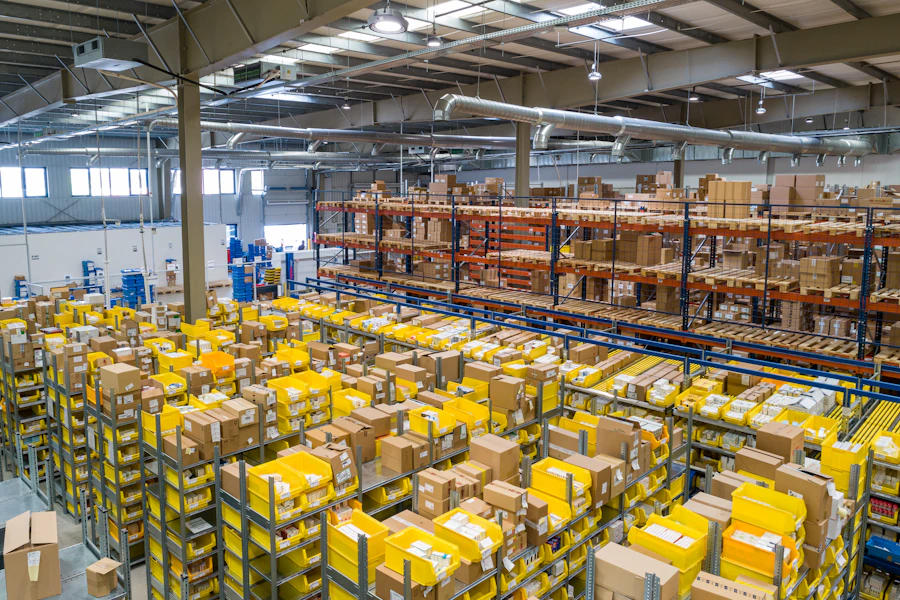
For backpack brands operating across multiple markets, establishing a scalable repair network is essential. This network must balance cost efficiency with geographic accessibility, ensuring that customers can access repair services without prohibitive shipping costs or extended wait times.
Centralized vs. Distributed Repair Models
Brands must choose between centralized repair facilities and distributed service points. Centralized models offer consistency and lower overhead but may create logistical challenges for customers far from the facility. Distributed models, through partnerships with local repair shops or authorized service centers, improve accessibility but require rigorous training and quality standards to maintain service consistency.
A hybrid approach often works best. Manufacturers can maintain centralized facilities for complex repairs and warranty assessments while authorizing local service providers for straightforward fixes such as zipper replacements, buckle repairs, and stitching reinforcements. This model reduces shipping costs and turnaround times while maintaining quality standards through certified technician programs.
Partnering with Manufacturers for Repair Support
Brands that work closely with their manufacturing partners gain significant advantages in repair operations. At Junyuan Bags, we support our B2B partners by providing spare parts, repair materials, and technical guidance. Our eight production lines enable us to produce replacement components efficiently, while our deep knowledge of every product we manufacture ensures that repairs match original specifications exactly. This partnership approach extends to our B2B manufacturing programs, where repair support is integrated into the service agreement from the outset.
Customer Support Channels and Response Strategies
The modern customer expects to reach support through their preferred channel, whether that is email, phone, live chat, social media, or messaging apps. Backpack brands must maintain a presence across multiple channels while ensuring consistent service quality regardless of the entry point.
Multi-Channel Support Architecture
An effective multi-channel support architecture begins with a centralized knowledge base that feeds consistent information to all channels. This ensures that a customer reaching out via WhatsApp receives the same accurate information as one contacting through email. The knowledge base should include product care guides, common troubleshooting steps, warranty terms, and frequently asked questions specific to each product category, from travel backpacks to tech-focused models.
Response Time Benchmarks
Industry benchmarks for customer support response times vary by channel. Email inquiries should receive initial responses within 24 hours. Live chat and messaging platforms should target response times under five minutes during business hours. Social media mentions and reviews warrant acknowledgment within four hours, even if a complete resolution requires additional investigation. These benchmarks apply equally to B2B communications, where business backpack partners expect responsive account management.
Proactive Communication and Customer Education
The best after-sales service prevents problems before they occur. Proactive communication strategies educate customers on proper product use and care, reducing the incidence of damage and warranty claims while building trust and demonstrating brand commitment.
Product Care Guides and Maintenance Tips
Every backpack should be accompanied by a comprehensive care guide that covers cleaning instructions, storage recommendations, and usage tips specific to the materials and construction. For example, backpacks featuring waterproof fabric technology require specific cleaning agents and techniques to maintain their water-resistant properties. Similarly, products made with ballistic nylon or Cordura fabrics benefit from care instructions tailored to these durable materials.
Digital care guides accessible through QR codes printed on product labels provide customers with instant access to video tutorials, maintenance schedules, and troubleshooting resources. This approach reduces support ticket volumes while empowering customers to handle minor issues independently.
Post-Purchase Follow-Up Sequences
Structured follow-up communications after purchase demonstrate ongoing brand commitment. A well-designed sequence might include a thank-you message upon delivery, a care guide one week after purchase, a check-in email at 30 days asking about the customer's experience, and periodic maintenance reminders at six-month intervals. These touchpoints provide opportunities to identify and address issues early, before they escalate into formal complaints or negative reviews.

Leveraging Data to Improve After-Sales Outcomes
Data analytics transforms after-sales service from a cost center into a strategic asset. By systematically analyzing warranty claims, support interactions, and customer feedback, brands can identify patterns, predict issues, and drive continuous product improvement.
Warranty Claim Analysis and Trend Identification
Every warranty claim contains valuable information about product performance, material durability, and manufacturing consistency. Systematic analysis of claim data reveals patterns that might otherwise go unnoticed. For instance, if zipper failures cluster around a specific production batch, the issue can be traced to a component supplier problem and addressed before affecting additional units. Junyuan Bags maintains comprehensive defect tracking across all eight production lines, enabling us to maintain our industry-leading sub-0.3 percent defect rate and provide our partners with detailed quality reports.
Customer Feedback Integration into Product Development
After-sales interactions generate rich qualitative data about how customers actually use products in real-world conditions. This feedback should flow directly into product development cycles. When customers report that casual backpack shoulder straps cause discomfort after extended wear, the design team can explore ergonomic improvements. When outdoor backpack users report water ingress at seam points, the engineering team can refine seam sealing processes. This closed-loop feedback system drives continuous improvement and reduces future warranty claims.
After-Sales Service for B2B Partners
Business-to-business relationships in the backpack industry require specialized after-sales approaches that address the unique needs of retailers, distributors, and brand partners. B2B after-sales service encompasses warranty management, inventory support, training programs, and strategic partnership development.
Dedicated Account Management
B2B partners benefit from dedicated account managers who understand their specific product lines, market positioning, and customer demographics. These managers serve as single points of contact for warranty escalations, bulk replacement requests, and quality investigations. At Junyuan Bags, our account management team provides partners with quarterly quality reports, trend analysis, and proactive recommendations for product improvements based on aggregated field data.
Training and Knowledge Transfer
Equipping retail partners with product knowledge enables them to provide better first-line support to end customers. Training programs covering product features, material properties, common issues, and resolution procedures empower retail staff to handle routine inquiries without escalation. Junyuan Bags offers comprehensive training resources for our partners, covering everything from the differences between ballistic nylon and Cordura materials to proper care instructions for waterproof fabrics.
The Role of Technology in Modern After-Sales Service
Technology enables backpack brands to deliver after-sales service at scale without sacrificing quality or personalization. From automated warranty processing to AI-powered customer support, technology solutions are transforming the after-sales landscape.
Warranty Management Systems
Modern warranty management platforms automate claim intake, eligibility verification, repair scheduling, and status tracking. These systems reduce processing times, minimize human error, and provide customers with real-time visibility into their claim status. Integration with inventory management systems ensures that replacement parts are allocated efficiently, reducing delays caused by stock shortages.
AI and Automation in Customer Support
Artificial intelligence enhances after-sales support through intelligent routing, automated responses to common queries, and predictive issue identification. Chatbots can handle routine inquiries about warranty terms, care instructions, and tracking information, freeing human agents to focus on complex cases that require judgment and empathy. Importantly, AI systems should always provide seamless handoff to human agents when conversations become complex or emotionally charged.
Measuring After-Sales Service Success
Effective measurement requires a balanced scorecard approach that tracks financial, operational, and customer experience metrics. Key performance indicators should include warranty claim rates, first-contact resolution rates, average resolution times, customer satisfaction scores, net promoter scores, and repeat purchase rates among customers who have used after-sales services.
Connecting After-Sales Metrics to Business Outcomes
The ultimate measure of after-sales service effectiveness is its impact on business outcomes. Brands should track the correlation between after-sales satisfaction scores and customer lifetime value, the relationship between warranty claim resolution times and repeat purchase rates, and the influence of positive after-sales experiences on referral generation. These analyses demonstrate the return on investment in after-sales service capabilities and guide resource allocation decisions.

Building an After-Sales Culture Within Your Organization
Sustainable after-sales excellence requires organizational commitment that extends beyond dedicated service teams. Every department, from design and manufacturing to marketing and sales, must understand how their decisions impact the post-purchase customer experience.
Cross-Functional Alignment
Design teams should consider serviceability when developing new products, ensuring that commonly replaced components such as zippers, buckles, and strap attachments can be serviced without replacing the entire product. Manufacturing teams must maintain the quality standards that minimize warranty claims. Marketing teams should set accurate expectations about product capabilities and warranty coverage. Sales teams should communicate warranty terms clearly and position after-sales service as a differentiator rather than a cost.
Continuous Improvement Through Employee Engagement
Frontline service teams interact directly with customers every day, accumulating invaluable insights about product performance and customer expectations. Creating formal channels for these teams to share feedback with product development, manufacturing, and leadership ensures that after-sales intelligence drives strategic decision-making. At our 15,000 square meter facility with over 200 craftspeople, we maintain this connection through regular cross-departmental quality reviews and improvement workshops.
International After-Sales Service Considerations
Backpack brands operating across multiple countries face unique after-sales service challenges that demand careful planning and localized strategies. Different markets have varying consumer protection regulations, warranty expectations, and service channel preferences that must be addressed in any comprehensive after-sales strategy.
Regulatory Compliance Across Markets
Consumer protection laws differ significantly between markets. The European Union provides strong consumer warranty rights under the Consumer Sales and Guarantees Directive, requiring minimum two-year coverage for products sold within member states. The United Kingdom maintains similar protections post-Brexit under the Consumer Rights Act 2015. In contrast, warranty obligations in the United States vary by state, with no federal requirement for specific warranty periods. Manufacturers serving multiple markets must design warranty programs that comply with the most stringent applicable regulations while remaining commercially sustainable. Our BSCI certification helps demonstrate the ethical manufacturing standards that European markets increasingly require as part of product compliance.
Logistics and Reverse Supply Chain Management
International warranty service requires efficient reverse logistics networks that move defective products from customers to repair facilities and return repaired or replacement products promptly. Customs documentation, import duties on returned goods, and international shipping costs all add complexity and expense to cross-border warranty fulfillment. Brands that establish regional repair hubs in key markets reduce shipping distances and costs while improving service speed. Manufacturers in strategic locations like Quanzhou, Fujian, with established international shipping infrastructure, enable efficient reverse logistics for brands serving Asian, European, and North American markets from centralized facilities.
Cultural Expectations and Communication Styles
Customer service expectations vary dramatically across cultures. Japanese consumers expect meticulous attention to detail and formal communication. American customers prioritize speed and convenience. European customers value thoroughness and transparency. After-sales service programs must accommodate these cultural differences through localized communication templates, appropriately trained service staff, and culturally sensitive resolution approaches. A warranty interaction that satisfies an American customer with its speed might frustrate a German customer who expects detailed written explanations of the defect cause and corrective actions taken.
Ready to Start Your Next Backpack Project?
Junyuan Bags — 20 years of manufacturing excellence. 15,000 sqm facility, 200+ skilled craftspeople, 8 production lines.
MOQ from 300 pieces. BSCI & ISO 9001:2015 certified. Less than 0.3% defect rate.
Email: service@junyuanbags.com
WhatsApp: +86 177 5002 0688
Visit: C201-207 Huachuang Park, Quanzhou, Fujian, China
Warranty Registration and Customer Data Capture
Warranty registration serves dual purposes: it activates customer protection while capturing valuable customer data that enables targeted retention communications. Brands that make registration simple, through QR codes on product labels or email follow-ups after purchase, achieve higher registration rates that build their customer database. This database enables post-purchase care communications, loyalty program enrollment, and personalized product recommendations that drive repeat purchases. The registration process itself should be frictionless, requiring minimal information while capturing enough data to enable meaningful customer segmentation and communication personalization.
The most sophisticated after-sales strategies recognize that every customer touchpoint after the initial purchase represents an opportunity to strengthen the relationship or inadvertently weaken it. From the moment a customer receives their backpack through years of daily use, the brand's commitment to support, quality communication, and genuine care determines whether that customer becomes a lifelong advocate or a cautionary tale shared across social media platforms. Investing in comprehensive after-sales infrastructure is not merely an operational expense but a strategic investment in brand equity and sustainable competitive advantage that compounds in value over time.
Frequently Asked Questions
What should a backpack after-sales service include?
A comprehensive after-sales service for backpacks should include warranty claims processing, repair or replacement programs, customer support via multiple channels, care guides, and proactive follow-up communications. Leading manufacturers like Junyuan Bags provide less than 0.3% defect rates, reducing the volume of after-sales issues significantly.
How does after-sales service affect customer retention in the backpack industry?
Studies show that effective after-sales service can increase customer retention by 25 to 50 percent. In the backpack industry, where products face daily wear and tear, customers who receive quick repair or replacement support are significantly more likely to repurchase from the same brand.
What is the typical warranty period for quality backpacks?
Quality backpack manufacturers typically offer warranties ranging from one to five years, with premium brands extending lifetime coverage. The warranty should cover manufacturing defects including stitching failures, zipper malfunctions, and material splitting under normal use conditions.
How can backpack manufacturers reduce warranty claims?
Manufacturers reduce warranty claims through rigorous quality control at every production stage, using durable materials like ballistic nylon and YKK zippers, implementing standardized testing protocols, and maintaining defect rates below 0.3 percent through systematic process improvements.
What role does after-sales service play in B2B backpack partnerships?
In B2B partnerships, after-sales service is a critical differentiator. Brands that offer responsive warranty processing, easy replacement logistics, and dedicated account management build stronger relationships with retail partners and enjoy higher reorder rates.