Best Digital Nomad Backpacks for Remote Work in 2026
What Makes a Backpack Suitable for Digital Nomads?
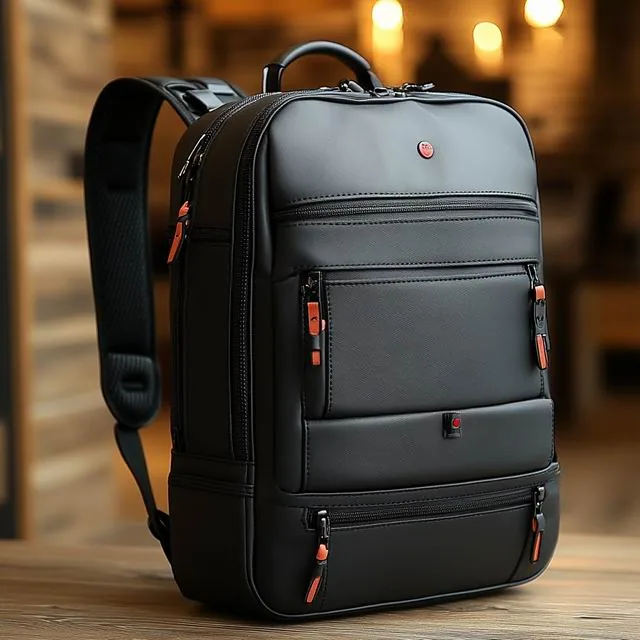
A digital nomad backpack is not the same as a general travel backpack. While both need to carry clothing, toiletries, and personal items, the digital nomad backpack has one additional and non-negotiable requirement: it must protect, organise, and provide fast access to your work technology. Your laptop is your office, your livelihood, and your connection to the world. The bag you carry it in matters more than any other choice in your travel setup.
When we evaluated backpacks for this guide, we focused on four criteria that are unique to the digital nomad use case:
- Laptop protection: Does the bag accommodate 15-inch or 16-inch laptops? Is the sleeve padded and suspended to protect against drops and impacts? Can you access your laptop without opening the main compartment?
- Tech organisation: Is there a dedicated tech admin panel for cables, chargers, adapters, and peripherals? Can you keep your tech gear separate from clothing and toiletries?
- Cafe-friendly access: Can you pull out your laptop and set up a workspace in a cafe, co-working space, or airport lounge quickly and efficiently? Does the bag open in a way that makes this easy rather than fiddly?
- Power pass-through: Can you route a charging cable from a power bank in your bag to your laptop or phone without opening the bag? This feature is increasingly important for nomads who work from locations with unreliable power outlets.
With these criteria in mind, we selected six backpacks that excel in the digital nomad context. Each brings a different strength to the table, from camera-friendly modularity to enterprise-grade laptop protection.
Quick Comparison Table
| Backpack | Capacity | Laptop Fit | Tech Organisation | Weight | Price (GBP) | Best For |
|---|---|---|---|---|---|---|
| Bellroy Transit | 28L | 16 inch | Excellent | 1.3 kg | 220-250 | Everyday versatility |
| Cotopaxi Allpa 35L | 35L | 15 inch | Good | 1.5 kg | 170-200 | Colour + durability |
| Thule Subterra 30L | 30L | 15 inch | Excellent | 1.1 kg | 140-170 | Laptop protection |
| WANDRD PRVKE 31L | 31L | 15 inch | Very Good | 1.6 kg | 180-210 | Camera + tech combo |
| Nomatic McKinnon 35L | 35L | 16 inch | Outstanding | 2.0 kg | 280-310 | Maximum organisation |
| Incase Icon 2.0 | 26L | 16 inch | Excellent | 1.2 kg | 160-190 | Urban professional |
1. Bellroy Transit Backpack
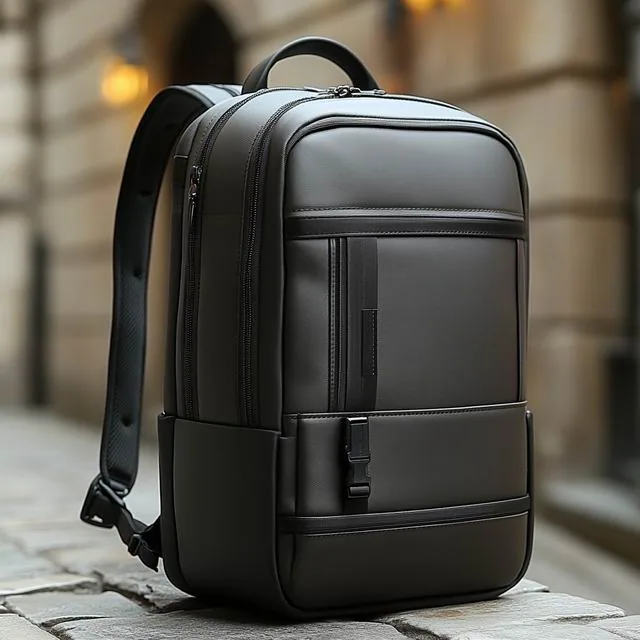
Bellroy Transit Backpack
The Bellroy Transit Backpack strikes a rare balance between a professional work bag and a capable travel carry. At 28 litres, it sits in the "daily carry" category but provides enough space for a weekend trip. Its laptop compartment accommodates 16-inch laptops with generous padding, and the internal organisation is thoughtful without being overwhelming. The bag's clean aesthetic works equally well in a co-working space, a client meeting, or a cafe. Bellroy's commitment to sustainable materials adds an ethical dimension that many nomads appreciate.
| Spec | Detail |
|---|---|
| Capacity | 28L |
| Dimensions | 52 x 32 x 20 cm |
| Weight | 1.3 kg |
| Material | Recycled woven fabric, water-resistant |
| Laptop sleeve | Padded, suspended, fits up to 16 inch with room to spare |
| Tech organisation | Dedicated admin panel, cable routing, pen slots, accessory pockets |
| Access | Clamshell main + front panel + laptop back panel |
| Power pass-through | Internal cable routing for power bank |
| Warranty | 3-year warranty |
Pros
- Accommodates 16-inch laptops comfortably
- Clean, professional aesthetic
- Recycled sustainable materials
- Excellent tech organisation without bulk
- Lightweight at 1.3 kg
- Internal cable routing for power bank
Cons
- 28L may be too small for extended trips
- Only 3-year warranty (shorter than competitors)
- No hip belt or sternum strap
- Limited external attachment points
2. Cotopaxi Allpa 35L
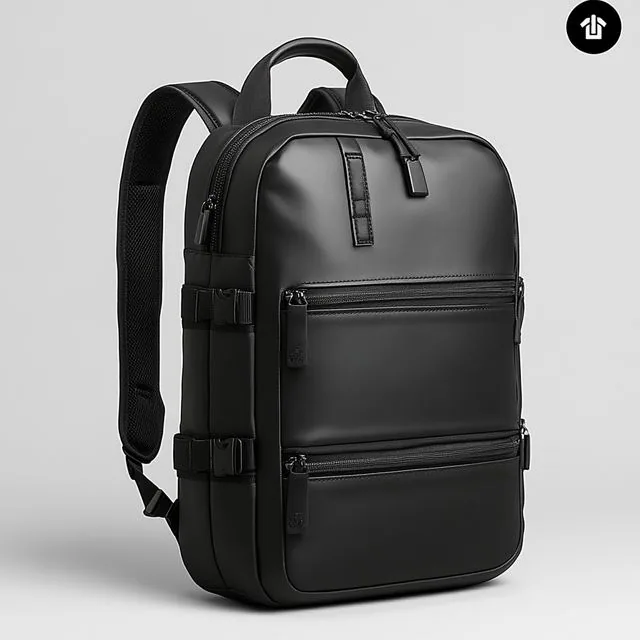
Cotopaxi Allpa 35L
The Cotopaxi Allpa 35L stands out visually with its bold colour-blocking designs, but it is much more than a style statement. Built with TPU-coated ballistic nylon, it is one of the most water-resistant and durable bags in this comparison. The clamshell opening reveals a mesh-lined main compartment with a zippered divider panel, and the front panel provides quick access to tech items. The bag is a favourite among digital nomads who travel in colourful destinations and want their gear to match their adventurous spirit.
| Spec | Detail |
|---|---|
| Capacity | 35L |
| Dimensions | 52 x 33 x 22 cm |
| Weight | 1.5 kg |
| Material | TPU-coated ballistic nylon |
| Laptop sleeve | Padded, fits up to 15 inch (16 inch tight fit) |
| Tech organisation | Front zip pocket with mesh organiser, internal admin panel |
| Access | Clamshell main + front panel |
| Power pass-through | No dedicated pass-through |
| Warranty | Lifetime |
Pros
- Distinctive bold colour designs
- TPU-coated ballistic nylon is extremely durable and water-resistant
- Clamshell opening with zippered divider
- 35L capacity for multi-day trips
- Cotopaxi's social mission (Del Dia collection funds community programmes)
Cons
- Laptop sleeve fits 15 inch; 16 inch is tight
- No dedicated power pass-through
- Tech organisation is adequate but not class-leading
- Some find the colour designs too bold for professional settings
3. Thule Subterra 30L
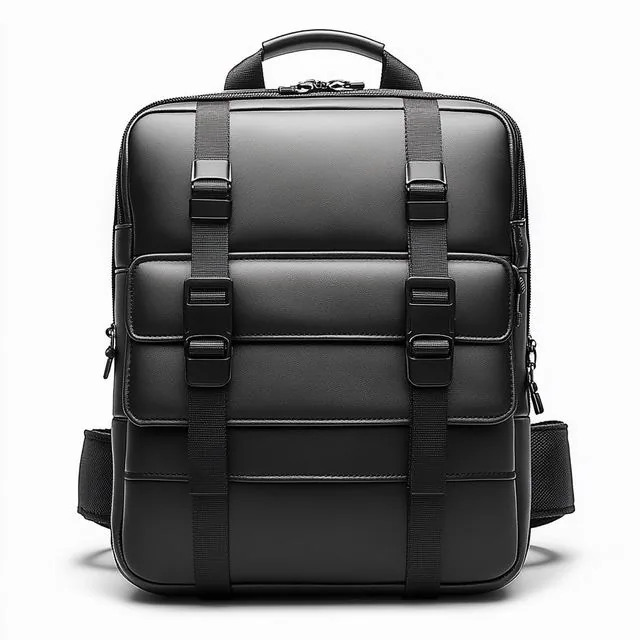
Thule Subterra 30L
Thule is a Swedish company with decades of experience in protective carrying solutions, and the Subterra 30L reflects that heritage. The laptop compartment features a dedicated, padded sleeve with a SoftTouch lining that protects your laptop's finish from scratches. The SafeEdge construction reinforces the corners where impacts are most likely. At 1.1 kg, it is the lightest bag in this comparison, making it ideal for nomads who prioritise laptop protection without sacrificing weight. The 30-litre capacity sits in the "daily carry plus travel" sweet spot.
| Spec | Detail |
|---|---|
| Capacity | 30L |
| Dimensions | 49 x 31 x 20 cm |
| Weight | 1.1 kg |
| Material | Nylon, water-resistant DWR finish |
| Laptop sleeve | Padded with SoftTouch lining, fits up to 15 inch; SafeEdge corner protection |
| Tech organisation | Dedicated tech pocket with elastic loops, admin organiser, tablet sleeve |
| Access | Clamshell main + rear laptop panel |
| Power pass-through | Internal cable routing pocket |
| Warranty | Limited lifetime |
Pros
- Best-in-class laptop protection with SafeEdge construction
- Lightest bag in comparison at 1.1 kg
- Internal cable routing for power bank
- Clean, professional Scandinavian design
- Excellent build quality
Cons
- 30L may be tight for extended trips
- Limited to 15-inch laptops; no 16-inch option
- Fewer external pockets than some competitors
- No hip belt
4. WANDRD PRVKE 31L
WANDRD PRVKE 31L
The WANDRD PRVKE 31L is the go-to choice for digital nomads who are also content creators. Originally designed as a camera bag, it has been adopted by the nomad community for its unique roll-top design that adds expandable capacity, its weatherproof construction, and its ability to carry both camera gear and laptop tech in dedicated, protected compartments. The side-access panel allows quick retrieval of camera equipment, while the rear laptop compartment keeps your work machine secure and separate.
| Spec | Detail |
|---|---|
| Capacity | 31L (roll-top can expand to 33L) |
| Dimensions | 53 x 33 x 18 cm |
| Weight | 1.6 kg |
| Material | Tarpaulin (waterproof), 1680D ballistic nylon base |
| Laptop sleeve | Padded, fits up to 15 inch, separate from main compartment |
| Tech organisation | Front admin panel, side camera access, internal pockets |
| Access | Roll-top + side panel + rear laptop panel |
| Power pass-through | No dedicated pass-through |
| Warranty | Lifetime |
Pros
- Roll-top expandable capacity
- Waterproof tarpaulin construction
- Side access for quick camera or item retrieval
- Separate laptop compartment from main storage
- Excellent for content creators
- Distinctive, rugged aesthetic
Cons
- 1.6 kg is heavier than lighter options
- Limited to 15-inch laptops
- No dedicated power pass-through
- Camera-specific design may not suit non-photographers
- Roll-top is less convenient than zippers for quick access
5. Nomatic McKinnon 35L
Nomatic McKinnon 35L
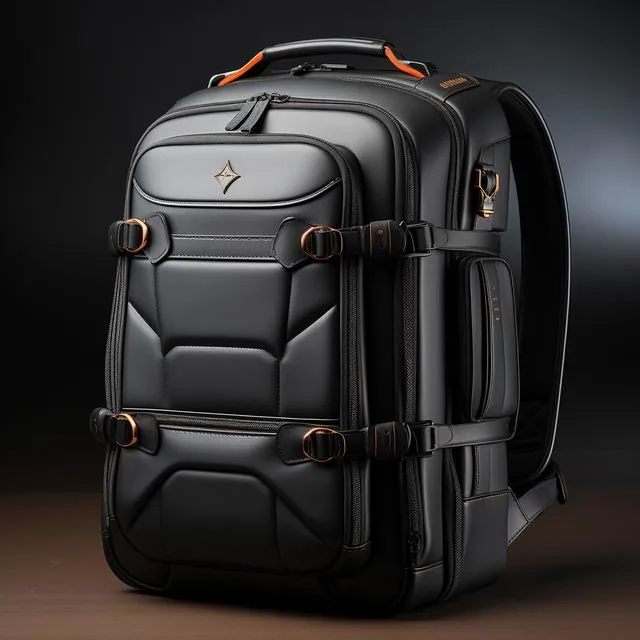
Designed in collaboration with travel photographer Peter McKinnon, the Nomatic McKinnon 35L is the most tech-organised backpack on this list. It features a dedicated tech compartment with modular dividers, a suspended laptop sleeve that fits up to 16-inch laptops, and the same systematic organisation approach that defines all Nomatic products. The clamshell opening provides full access to both the main compartment and the tech section, making it easy to set up a mobile workstation in seconds. The build quality is premium, with weatherproof materials and robust zippers throughout.
| Spec | Detail |
|---|---|
| Capacity | 35L |
| Dimensions | 55 x 35 x 18 cm |
| Weight | 2.0 kg |
| Material | Tarpaulin, water-resistant with YKK Aquaguard zippers |
| Laptop sleeve | Suspended, padded, fits up to 16 inch |
| Tech organisation | Dedicated tech compartment with modular dividers, admin panel |
| Access | Clamshell main + rear tech panel |
| Power pass-through | Internal routing channels |
| Warranty | Lifetime |
Pros
- Best tech organisation in this comparison
- Fits 16-inch laptops with suspended protection
- Weatherproof tarpaulin with YKK Aquaguard zippers
- Internal routing channels for power cables
- Dedicated tech compartment separate from main storage
- 35L capacity for travel plus tech
Cons
- Heaviest bag at 2.0 kg
- Premium pricing at top of range
- Complex organisation may overwhelm some users
- 18 cm depth is thin for bulky clothing packing
6. Incase Icon 2.0
Incase Icon 2.0
The Incase Icon 2.0 is designed for the urban digital nomad who moves between cafes, co-working spaces, client meetings, and transit. At 26 litres, it is the smallest bag in this comparison, but it packs an exceptional amount of organisation into a compact form. The suspended laptop sleeve with faux-fur lining accommodates 16-inch laptops with generous padding. The PowerPocket system provides a dedicated, padded space for a portable battery with internal cable routing to your devices. The clean, minimalist aesthetic is designed for city environments and professional settings.
| Spec | Detail |
|---|---|
| Capacity | 26L |
| Dimensions | 49 x 31 x 18 cm |
| Weight | 1.2 kg |
| Material | 840D nylon, water-resistant |
| Laptop sleeve | Suspended with faux-fur lining, fits up to 16 inch |
| Tech organisation | PowerPocket for battery, admin panel, cable management system |
| Access | Clamshell + front quick-access pocket |
| Power pass-through | Yes, via PowerPocket with internal routing |
| Warranty | Limited lifetime |
Pros
- PowerPocket system with dedicated battery pocket and cable routing
- Accommodates 16-inch laptops with premium faux-fur lining
- Compact 26L is ideal for daily carry
- Lightweight at 1.2 kg
- Clean, professional urban aesthetic
- Excellent cable management system
Cons
- 26L is too small for multi-day travel without additional luggage
- Not designed as a travel backpack; best as a daily work bag
- Limited organisation for clothing if used for travel
- No hip belt or sternum strap
Key Features That Matter Most for Digital Nomads
Laptop Protection
Your laptop is your most important asset. The ideal laptop compartment should be: suspended (not resting on the bottom of the bag, so it is protected when the bag is set down), padded (minimum 10 mm of foam), sized correctly (a loose laptop bounces around; a tight fit is safer), and accessible from the back panel (so you can remove it without opening the main compartment). The Thule Subterra and Incase Icon 2.0 lead in this category with their premium suspension systems and corner protection.
Tech Organisation
The best tech organisation keeps every cable, adapter, and accessory visible and accessible without rummaging. Look for a dedicated admin panel with elastic loops, mesh pockets, and labelled compartments. The Nomatic McKinnon and Bellroy Transit offer the best tech organisation in this comparison. A separate tech compartment (rather than tech pockets inside the main compartment) is preferable because it allows you to access your tech without disturbing your clothing.
Cafe-Friendly Access
In a cafe or co-working space, you need to pull out your laptop, set it on the table, and start working in under 30 seconds. This requires: a back-panel laptop access point (not buried in the main compartment), a bag that stands upright when set down (so you can access the laptop panel), and a laptop sleeve that does not require removing other items first. Bags with rear laptop panels (Thule, Incase, WANDRD) excel at cafe-friendly access.
Power Pass-Through
The ability to route a charging cable from a power bank inside your bag to your device without opening the bag is a game-changer for nomads who work from locations with unreliable power. This feature involves a dedicated battery pocket with a cable routing channel that exits near the shoulder strap, where your device is likely to be. The Incase Icon 2.0 leads with its PowerPocket system, and the Bellroy Transit and Nomatic McKinnon also offer internal cable routing.
Ergonomic Considerations for Long Work Sessions Any power bank you carry should meet recognised electrical safety expectations, and IEC publishes the international standards covering portable battery and charger safety for travel use.
>Digital nomads who work from cafes and co-working spaces for four to eight hours daily face unique ergonomic challenges that go beyond the backpack itself. The backpack you choose affects how easily you can set up an ergonomic workspace in temporary locations.
A backpack with rear-panel laptop access allows you to place the bag on the desk, open the back panel, and prop your laptop on the desk surface without removing it from the bag entirely. This setup is faster and more secure than digging through the main compartment. The Thule Subterra and Incase Icon 2.0 excel at this workflow. Posture at a cafe table matters as much as the bag itself, and HSE manual handling guidance covers workstation setup and the risks of sustained poor posture.
For nomads who work extended hours, the ability to elevate your laptop screen is critical for preventing neck strain. If your backpack has a dedicated laptop compartment, you can use the bag itself as a laptop stand by placing it on the desk and propping your laptop against the back of the bag. Some nomads carry a lightweight foldable laptop stand (200 to 300 grams) that, combined with a separate Bluetooth keyboard, creates a fully ergonomic workstation from any cafe table.
Seasonal and Climate Considerations
Digital nomads often travel across different climates, and your backpack needs to perform in varying conditions. A waterproof or water-resistant bag is essential for nomads who frequently work in tropical or rainy environments. The WANDRD PRVKE with its tarpaulin construction and the Cotopaxi Allpa with its TPU-coated ballistic nylon offer the best weather protection in this comparison.
For nomads who work in hot climates, the back panel ventilation of the backpack matters significantly. Mesh-backed panels with airflow channels reduce heat buildup between the bag and your back. The Osprey and Bellroy bags offer the best ventilation in this regard. For cold climates, the bag material becomes less critical, and you should prioritise capacity for carrying additional layers and gear alongside your tech setup.
Security Features for Nomads
Working in public spaces introduces security considerations that are unique to the digital nomad lifestyle. Beyond the physical security of your laptop and tech gear, consider the privacy of your screen and the safety of your data. A backpack with lockable zippers provides a basic level of theft prevention when you need to step away from your workspace briefly. RFID-blocking pockets, available in some premium bags, protect contactless cards and passports from unauthorised scanning in crowded environments.
How to Choose the Right One
| Your Priority | Choose This |
|---|---|
| Best all-round for daily nomad life | Bellroy Transit Backpack |
| Best laptop protection and lightest | Thule Subterra 30L |
| Best for content creators (camera + laptop) | WANDRD PRVKE 31L |
| Maximum tech organisation | Nomatic McKinnon 35L |
| Best power management system | Incase Icon 2.0 |
| Best durability and visual style | Cotopaxi Allpa 35L |
| Best for 16-inch laptop users | Bellroy Transit or Incase Icon 2.0 or Nomatic McKinnon |
| Best for travel + work combined | Nomatic McKinnon 35L or Cotopaxi Allpa 35L |
| Best value for money | Thule Subterra 30L |
Consider your specific workflow. If you work primarily from cafes and co-working spaces, cafe-friendly access and laptop protection should be your top priorities (Thule, Incase). If you travel between cities weekly and need both travel capacity and tech organisation, choose a larger bag (Nomatic McKinnon, Cotopaxi). If your day bag needs to double as your travel bag, choose a mid-size option with expandability (Bellroy Transit).
Frequently Asked Questions
What is the best backpack for a digital nomad in 2026?
The best backpack depends on your workflow. For daily cafe and co-working use, the Bellroy Transit Backpack offers the best balance of 16-inch laptop fit, tech organisation, and professional aesthetics. For maximum laptop protection at the lightest weight, the Thule Subterra 30L is outstanding. For travel plus work combined, the Nomatic McKinnon 35L provides the most comprehensive tech organisation with travel capacity.
Do I need a backpack with power pass-through?
Power pass-through is a convenience feature rather than a necessity. It is most useful if you work from locations with unreliable power (co-working spaces where outlets are shared, outdoor locations, transport). If you always work from locations with reliable power access, you can skip this feature and save money. However, it is increasingly common in 2026 backpacks and adds minimal cost or weight when included.
Can I use a 26-litre backpack for one-bag travel?
A 26-litre backpack like the Incase Icon 2.0 is best suited as a daily carry bag rather than a travel bag. It can handle overnight trips with minimalist packing, but for multi-day trips you will need to combine it with additional luggage or accept very tight packing. For true one-bag travel, 30 to 40 litres is the recommended range.
How important is 16-inch laptop compatibility?
If you have a 16-inch laptop, this is the single most important criterion. Many travel backpacks max out at 15 inches, which means your laptop either will not fit or will strain the zippers. In this comparison, the Bellroy Transit, Nomatic McKinnon, and Incase Icon 2.0 all accommodate 16-inch laptops comfortably. The Cotopaxi, Thule, and WANDRD options are limited to 15 inches or are a very tight fit.
What is the lightest digital nomad backpack?
The Thule Subterra 30L at 1.1 kg is the lightest option, followed by the Incase Icon 2.0 at 1.2 kg and the Bellroy Transit at 1.3 kg. All three are excellent choices if weight is your priority. For context, every kilogram you save in bag weight is a kilogram you can use for tech gear and clothing.
Which backpack is best for cafe working?
For cafe working, you need quick laptop access and a bag that stands upright. The Thule Subterra and Incase Icon 2.0 are the best for cafe use, with rear-panel laptop access and a standing design. The Bellroy Transit also works well. Avoid bags that require opening the main compartment to access the laptop, as this exposes all your belongings in a public space.
Do I need a separate daypack and travel bag?
It depends on your bag size. A 35L bag like the Cotopaxi Allpa or Nomatic McKinnon is large enough for travel but too bulky for comfortable daily use. A 28-30L bag like the Bellroy Transit or Thule Subterra can serve as both, though it may be tight for extended trips. The most common solution is a 35L travel bag plus a small foldable daypack that adds under 150 grams to your carry.
What size backpack do digital nomads need for one-bag travel?
Most digital nomads need 28 to 35 litres for genuine one-bag travel. That range fits a 16-inch laptop, 2 weeks of clothing rolled into packing cubes, a wash kit and chargers at roughly 8 to 11 kg total. Below 26 litres you will be doing laundry twice a week; above 40 litres you breach Ryanair and easyJet cabin limits and pay checked-bag fees.
How do digital nomads protect a laptop from theft while travelling?
Use a pack with a hidden back-panel laptop sleeve and lockable zips. A rear sleeve sits against your back, so a slash-and-run theft is far harder than with a front pocket. Add a 3-digit TSA lock on the main compartment and keep the laptop in a slim sleeve inside it. In busy UK stations, wear the bag on your front, never leave it on a cafe chair, and back up files nightly.
Which backpack is best for nomads who hike on weekends?
The WANDRD PRVKE 31 L is the best choice for nomads who hike at weekends. It carries 31 litres at 1.6 kg with a roll-top that expands for extra layers, a weather-resistant tarpaulin shell and clips for trekking poles, while the side access keeps a camera cube reachable. The interior stays clean enough for a Monday morning client call in a Manchester co-working space.
Is a 35-litre backpack too big for European budget airlines?
A 35-litre backpack is borderline for European budget airlines. Ryanair's free personal bag must fit 40 x 20 x 25 cm, so a 35 L pack will not qualify; you need the paid 10 kg priority bag at 55 x 40 x 20 cm, which costs roughly GBP 6 to GBP 38 depending on route. easyJet's free allowance is 45 x 36 x 20 cm. Always compress straps and check your pack's real dimensions before booking.
Can a nomad backpack hold a camera cube and a laptop?
Yes, if you plan the layout. A 6 to 9 litre camera cube takes about 30 percent of a 30-litre pack, leaving room for a 16-inch laptop in the rear sleeve, a packing cube of clothing and a wash kit. Put the camera cube at the bottom for stability and keep the laptop behind it against the back panel to protect the screen from impact, a layout many UK one-bag travellers rely on.
Should digital nomads choose clamshell or top-loading backpacks?
Clamshell wins for nomads. A 180-degree zip lets you open the pack flat on a hotel bed and find any item in about 5 seconds, and security staff can screen it without unpacking everything. Top loaders are lighter and more weatherproof, but you will dig through your kit daily. Most dedicated nomad packs, including the Bellroy Transit and Nomatic McKinnon, use clamshell for exactly this reason, and UK remote workers notice the difference daily.
Why do travel backpacks use 210D and 400D recycled fabrics?
Because 210D and 400D recycled nylon hit the sweet spot between weight and abrasion resistance. A 210D lining saves roughly 120 g versus 420D across a 30-litre pack, while a 400D shell resists scuffs from airport conveyor belts without adding bulk. Recycled versions use post-industrial waste and cut energy use by around 50 percent compared with virgin nylon, which matters to UK buyers tracking carbon.
Do nomad backpacks need hip belts for city travel?
Not usually, but a removable hip belt helps. On city pavements with a 9 kg load, a padded belt shifts about 20 percent of the weight off your shoulders and steadies the pack on stairs. For airport walks of 15 minutes or more it is worth clipping on. Most nomads who hike at weekends should keep a 40 mm webbing belt in the top pocket for UK trail days.
How much should a digital nomad backpack weigh when empty?
Aim for 1.1 to 1.6 kg empty. The Thule Subterra 30 L sits near the bottom at about 1.1 kg, while the Nomatic McKinnon 35 L reaches 2.0 kg because of its frame and included cubes. That 900 g difference is roughly 10 percent of a typical airline's 10 kg cabin allowance, worth the trade only if you carry heavy camera or drone kit on UK and European hops.
What backpack features help nomads working from UK cafes?
A flat-opening lid, a stable base and a hidden tracker pocket matter most. Choose a pack that stands upright on a cafe table without tipping, with a quick-access front pocket for a pass, cards and a 65 W charger. A luggage pass-through sleeve helps on the train to Brighton. Matte, dark colours draw less attention in a crowded UK cafe at lunchtime.
Should digital nomads buy packing cubes for a travel backpack?
Yes, packing cubes typically free up 20 to 30 percent more usable space. Rolling clothing into a medium cube of about 4.5 litres compresses 7 days of outfits into roughly 18 litres, versus 25 litres folded loosely. Use one cube per category, keep a separate cube for laundry, and choose mesh-topped cubes so you can see contents without unpacking the whole bag in a UK hostel.
Build Your Complete Digital Nomad Setup
Explore our related guides to optimise your remote work travel system.
Digital Nomad Backpack Essentials | Best One-Bag Travel Backpacks | Complete One-Bag Travel Guide