Best Backpacks for Metal Detecting in the UK: Carry Limits, Drainage and Fit
A metal detecting pack should be slim, drainable and worn high: aim for 28-34 litres, no deeper than 200 mm, with a drained external spade sleeve, strap length counting internal space rather than litres, and starting-shift load under 7 kg. Unlike walking kit, this pack has to survive being worn for four hours of continuous arm work and set down repeatedly in wet clay.
The rest of this guide explains why those numbers differ so sharply from hill walking: the coil-arm swing that makes bulky packs unusable, the contaminated group categories that should never share a compartment, how to carry steel safely across permission land, and the legal context around reporting finds. It closes with the same brief written as a private-label specification developed alongside QUANZHOU JUNYUAN BAGS.
A Carrying Problem That Is Not a Walking Problem
Detectorists do not cover distance so much as they work ground. A typical session involves three to six hours of slow, repeated sweeps over one or two fields, punctuated by digs and recovery from kneeling. In contrast with walking, where distance rewards volume, here the limiting factor is interference: any pack that fouls the shoulder, restricts the sweep of either arm or swings forward every time you crouch to dig will be removed within the hour and left in the hedge. A pack abandoned in the hedge defeats its own purpose, since carrying everything is what lets you work a large permission efficiently.
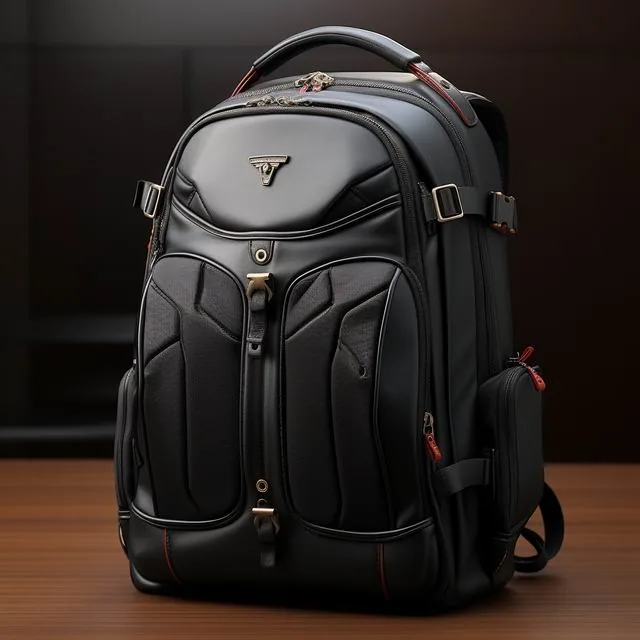
The second difference is contamination. Everything that goes into the bag comes from soil - dirt-encrusted gloves, a wet finds pouch, root-filled clay clods, and often a muddy trowel or spade. Those items cannot safely share space with food, water or electronics. The functional requirement, therefore, is separation and drainage rather than clever compartment counts: a clean zone, a dirty zone with its own drainage path, and a base that can be hosed out at the end of the session. Think of it as a field tool rather than a walking pack: separation, drainage and wipe-clean surfaces outrank any clever pocket layout.
- Interference, not distance, decides usable size: keep depth under 200 mm.
- Plan two zones: a clean zone for food and electronics, a drained dirty zone for soil contact items.
- Expect to crouch dozens of times, so the pack must not swing forward.
- Assume the base will be hosed down after every session in wet months.
What Actually Goes In: Sizing by Length, Not Litres
Capacity figures mislead because detector gear is long and awkward rather than bulky. A collapsed detector shaft typically measures 600-750 mm, a spade blade and handle 550-700 mm depending on the model, and a kneeling pad around 450 mm across. Those dimensions, not litre capacity, decide whether the kit fits: check the internal height first, because a 34 litre pack with a 520 mm interior will refuse far more than a 28 litre model built taller and slimmer. Manufacturers rarely publish interior height, which is the strongest argument for taking a tape measure into the shop. Interior dimensions are rarely advertised, yet they decide almost everything about usability in this hobby.
Most detectors will not fit inside safely anyway. Carrying one dismantled, with the control box protected and the shaft along the body or lashed externally, keeps weight central and stops the coil taking the strain against pack fabric. Use that logic to size the pack for the rest of the kit: spare coil, spade, finds pouch, pinpointer, water, food, gloves and weather layers typically totalling 25-32 litres, with the long items either lashed outside or carried in a separate sleeve. Distance matters as well, because steel carried a metre from your spine feels considerably heavier than the same kilograms packed close.
| Item | Typical size | Best carried |
|---|---|---|
| Detector shaft, collapsed | 600-750 mm | Inside if internal height allows, else lashed centrally |
| Spade or trowel | 550-700 mm | Drained external sleeve, blade down |
| Spare search coil | 280-380 mm diameter | Flat against the back panel in a sleeve |
| Kneeling pad | 400-450 mm | Strapped to the base or lid |
| Finds pouch and pinpointer | 150-250 mm | Belt-mounted, not in the pack |
| Water and food | 1-2 litres | Clean zone, sealed bags |
Carrying Steel: Spades, Trowels and Sharp Edges
A spade is the single most destructive item you will carry. Its blade arrives caked in clay, carries grit into any fabric it touches and cannot be stored horizontally without smearing soil across everything. The right answer is a dedicated external sleeve: reinforced base, drain grommet at the bottom, blade pointed downwards and the handle retained at the top with a strap or shock cord so it cannot work loose when you cross a ditch or climb a gate. Retention should be adjustable, since blade widths vary noticeably between full digging spades and narrow transplanting spades. A hard plastic blade guard costs very little and protects both fabric and the person behind you.
Where that sleeve sits matters. Mounting it low and to one side keeps the centre of gravity central and stops the handle catching your head when you lean forward to dig, but the sleeve must not hang below the base panel, or it will drag through mud each time the pack is set down. If you must improvise, wrap the blade in a thick plastic bag first and never place it against the back panel; a blade edge working against cloth for a season will cut through far sooner than owners expect. A reinforced sleeve with a drain hole costs little and usually pays for itself within a single season.
- Reinforced, drained sleeve with the blade carried downwards.
- Handle retained at the top so nothing can lever loose.
- Sleeve bottom must clear the base panel to avoid dragging in mud.
- Wrap blades before improvised carry; never store steel against the back panel.
Fit While Swinging: Why Slim and High Beats Large
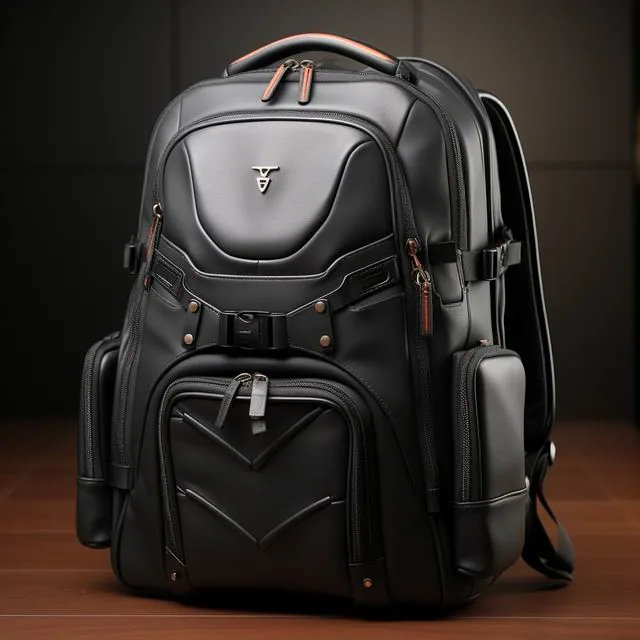
Detecting loads the body unevenly. The detector arm works continuously while the other hand stabilises the pack and retrieves tools, and that asymmetric pattern punishes loose harnesses quickly. Three adjustments help: set the pack high so its base sits above the belt line, keep depth under 200 mm so neither shoulder pad is contacted by the sweeping arm, and tighten the chest strap higher than you would for walking, around 30-40 mm below the collarbone, so the straps cannot migrate outward during a long swing. Padding matters too: very soft, wide straps tend to roll at the shoulder once a detector has been swung continuously for an hour.
The forward-swing problem deserves its own attention. Every dig involves a full crouch, and a pack whose contents have settled low will pivot forward off your shoulders as you bend, hitting the back of your head and dragging you down. Load dense items high and close to the panel, keep total weight at the beginning of a session below about 7 kg, and re-check the hip belt after the first hour. A modest, tightly packed 28 litre bag performs far better here than a half-full 40 litre one. Keep water low and central rather than high, which contradicts conventional packing advice but holds the load steady every time you crouch.
Put the pack on loaded, then swing your detector arm through twenty full sweeps and drop into a crouch five times. If either shoulder pad moves or the pack tips forward at the crouch, redistribute weight upward, shorten the shoulder straps by 20-30 mm and re-tighten the chest strap. Those three adjustments solve most interference complaints without buying anything.
Mud, Soil and What Actually Kills These Packs
Walking packs fail at seams and buckles; detecting packs fail through contamination. Grit works into zip coil and abrades the slider body, wet clay left in seam channels feeds mildew through the week, and soil held against coating breaks down polyurethane backings faster than sunlight does. Coated, tightly woven base fabrics therefore matter more than denier figures, and any closure sitting low on the pack should have a cover rather than relying on the coil alone. Dried soil also hardens around buckles, which is why simple open-frame buckles outperform enclosed designs on this kind of ground. A covered garage costs a few grams and keeps grit out of the slider body for years.
Design details either help or make this worse. Velcro fastenings clog with fine soil within a season, so prefer buckles and tuck closures on anything exposed. Open mesh pockets hold damp soil against fabric, while solid pockets with drain grommets flush clean. Internally, choose light-coloured linings because they make contamination visible, and insist the lining be removable or at least washable. At the end of every session, hose the base, open all pockets and dry the pack fully before storage. Store the pack dry and open rather than compressed, because mildew along seam tape is the most frequent complaint among high-mileage detectorists.
- Hose the base and lower panels after each session; do not let clay dry into seams.
- Avoid Velcro on exposed closures; it fills with fine soil and stops gripping.
- Choose drain grommets over mesh in pockets that see soil contact.
- Dry fully with everything open before storing, or mildew will follow.
Separating Finds From Water, Food and Electronics
Finds handling is a discipline in its own right. Recovered items come out of damp soil, often with an active corrosion process starting within hours, and should never travel in the same compartment as lunch, drinking water or spare batteries. The practical arrangement is a rigid or semi-rigid finds box carried inside its own compartment, with pinpointer and digging tools holstered separately so that contaminated equipment has a dedicated home rather than sharing any space with clean kit. A rigid box matters because soft pouches let small objects work into seams, where they eventually puncture the lining from the inside.
Group separation should be written into the packing order. Keep a clean top compartment for food and first aid, a middle zone for electronics including spare cells and headphones, and a bottom zone where anything with soil contact lives inside a wipeable liner. Sharp objects and old iron in particular belong in the bottom zone, as nails and fragment edges puncture soft linings. A small roll of self-adhesive fabric tape in the repair pocket deals with most punctures before they become serious. Label sealed bags with location as you go, since a find without provenance loses most of its research value.
Digging Loads: Manual Handling on Clay Ground
Detecting involves far more lifting than people expect. A spade plus wet clay can easily add 4-6 kg to a single lift on heavy ground, and repeated bending, kneeling and twisting on uneven plough - often in the cold when muscles are stiff - is a recognised recipe for back injury. Basic precautions apply: widen your stance before lifting, keep the load close, avoid twisting while loaded, and set the spade down rather than carrying it loaded across the field repeatedly. Those precautions matter most in the final hour, when fatigue and cold combine and technique reliably starts to slip.
Those precautions are not merely common sense; they mirror the general approach to manual handling risk set out by the Health and Safety Executive in its guidance on musculoskeletal disorders, which covers repetitive lifting, awkward postures and cold working conditions. For anyone detecting regularly, the pack should be part of the solution rather than part of the problem: load it to a weight you can lift onto one knee without strain, and treat sessions longer than five hours as a reason to schedule rest rather than push through. Sessions also go better with a small folding mat kept deliberately for the purpose rather than improvised from whatever is nearest.
- Keep total pack weight under 7 kg at the start of a session.
- Lift with a wide stance, load close, and never twist while loaded.
- Set the spade down rather than carrying it loaded across the field.
- Take breaks; repetitive digging is cumulative work, not a single effort.
Permission, Recording and Reporting Finds
Detecting is lawful but conditional. Landowner permission is required before searching, and permission conditions frequently extend to how gates are left, whether land may be searched while stocked and what happens to finds recovered. Codes of practice also encourage careful back-filling and leaving ground as found, which is where the choice of equipment becomes a courtesy issue: a pack that can carry a small mat and a trowel makes clean recovery practical rather than theoretical. Carrying a mat, gloves and a small brush signals care to the landowner, which is a practical argument for dedicated pockets rather than one open cavity.
Finds themselves carry legal duties. Items that qualify as treasure under the Treasure Act must be reported to the coroner for the district in which they were found, within fourteen days of discovery or of identification; everything else is voluntary to record, though recording is strongly encouraged because it builds the archaeological picture. Official figures on reported treasure cases are published periodically by government - see the most recent statistical release on reported treasure finds - which gives a sense of how much material is recovered each year and why accurate location recording matters. Keep a notebook and pencil for grid references rather than relying on a phone with wet hands.
- Always obtain landowner permission before searching, and respect any conditions attached.
- Back-fill carefully and leave ground and gates as found.
- Report treasure items to the district coroner within fourteen days.
- Record non-treasure finds with accurate locations; it adds genuine research value.
Detectorist Spec Sheet
Because interference and contamination decide everything here, this spec sheet looks different from the standard hiking list. Check internal heights with a tape measure, check lining colour before buying, and ask whether the base can be hosed out - those three answers predict the ownership experience better than any feature count. Where the brief below conflicts with the shop display, favour the slimmer, simpler option. Buyers in this hobby compare internal dimensions and drainage far more closely than colour or branding, so those two features belong at the head of any specification rather than in a footnote. Published dimensions also reduce returns, which retailers notice quickly in a specialist niche.
| Parameter | Target for detecting |
|---|---|
| Volume | 28-34 L, taller and slimmer rather than wider and deeper |
| Depth at back panel | 200 mm or less to clear the sweeping arm |
| Internal height | Minimum 550 mm for a collapsed shaft |
| Start-of-session weight | Under 7 kg including water and tools |
| Base | Coated, wipe-clean, hoseable, seam clear of wear line |
| Closures | Buckles and tuck straps rather than exposed Velcro |
| Pockets | Solid with drain grommets; light-coloured removable liner |
| External carry | Drained spade sleeve clearing the base panel |
Two exclusions are worth making explicit. Reject any pack whose main compartment opens only from the front with a deep tunnel layout, because retrieving anything soil-covered at the bottom means emptying the whole bag in a field. Reject soft, unstructured bases: a pack that cannot stand up on its own will tip into wet clay at least once per session, which is precisely how fragile items and electronics get broken. The second exclusion follows from the first: a pack that cannot be hosed out at the end of a session is retired long before the fabric actually wears through. Both exclusions cost nothing to check at the point of purchase.
Developing a Detectorist Range
This is a specialist niche with informed buyers, so specifications are scrutinised hard: published internal dimensions sell better than published litre counts. Order volume begins at 500 pcs per style and colourway, and the construction details that matter most here - drained spade sleeves, wipe-clean linings, reinforced lower pockets - are add-on operations that should be defined in the first tech pack rather than retrofitted. Standard sampling takes 6-10 working days; allow 12-15 working days if a bespoke sleeve moulding or custom lining welding is required. Samples here are usually reviewed by experienced users, so first impressions at prototype stage often decide whether a specialist range is reordered.
Once the gold seal is signed, bulk runs 35-50 days on FOB Xiamen terms with T/T 30/70 payment. Inspection follows AQL 2.5 under ISO 2859-1, and for this category it pays to add checks on drain grommets, sleeve drainage and base seam sealing, since those are the features customers will actually test in week one. QUANZHOU JUNYUAN BAGS has handled specialist ranges in this way since 2014, coordinating across 4,950 m2 of SGS-verified production floor space staffed by 137 colleagues on 7 production lines. Repeat business in this category tends to be steady rather than seasonal, which suits smaller, well-defined production runs.
Frequently Asked Questions
What size backpack do I need for metal detecting?
Between 28 and 34 litres, prioritising height over depth. A collapsed detector shaft is 600-750 mm long, so check internal height rather than litre capacity. Depth matters just as much: keep the pack under 200 mm thick so your sweeping arm clears both shoulder pads, and expect total start weight below 7 kg once water and tools are aboard. Measure internal height in the shop, because litre figures on their own rarely predict whether anything fits.
Why does my backpack swing forward when I kneel to dig?
Because the contents have settled low and away from your spine, so the load pivots off your shoulders as you crouch. Load dense items high and against the panel, shorten the shoulder straps by 20-30 mm to raise the whole pack, and set the chest strap around 30-40 mm below the collarbone. Re-check the hip belt after the first hour of a session, not only at the start.
How should I carry a spade in or on my backpack?
In a dedicated drained external sleeve, blade downwards, handle retained at the top so it cannot lever loose. Wrap the blade if improvising and never place it against the back panel, as the edge will cut through cloth within a season. Make sure the sleeve clears the base panel, otherwise it drags through mud every time the pack is set down in a wet field.
Can I put my finds in the same compartment as my lunch?
No. Recovered metal arrives damp from soil with corrosion already starting, and it should travel in its own rigid box inside a separate compartment. Keep a clean top zone for food and first aid, a middle zone for electronics and batteries, and a bottom zone with a wipeable liner for anything that has touched soil. Mixed compartments are how people end up swallowing contaminated water.
How much should my detecting pack weigh?
Keep the start-of-session total under 7 kg including water and tools. Wet clay adds weight as the day goes on, and the repeated digging, kneeling and twisting already loads your back heavily. Manual handling guidance from HSE applies the same principles here: lift with a wide stance, keep loads close, avoid twisting while loaded and take regular breaks rather than working through fatigue.
What is the best way to clean a detecting backpack?
Hose the base and lower panels at the end of each session while they are still wet, open every pocket, and dry thoroughly before storing. Grit in zip coil and clay in seam channels do far more damage than surface dirt. Avoid power washers close to seams, which drive water into coatings, and prefer a light brush for dried-on soil rather than aggressive scrubbing.
Should I choose mesh or solid pockets for detecting kit?
Solid pockets with drain grommets. Open mesh holds damp soil against fabric and cloggs within weeks on clay ground, while grommets let water flush straight through. Solid panels also protect what is carried from grit kicked up during digging. Reserve mesh for items that genuinely need airflow, like a damp rain jacket, rather than for tools or finds. Check that any grommet drains downwards rather than straight into a seam channel where grit collects.
Is Velcro a problem on a detecting bag?
Yes, especially on exposed closures. Fine soil fills the hook side within a season and the fastening stops gripping, usually at the worst moment over a wet field. Prefer buckles, tuck straps or covered zips for anything that sits below the lid line. Where Velcro already exists, clean it with a stiff brush and warm water after muddy sessions and accept gradual loss of grip over time.
Do I need permission before metal detecting on private land?
Yes, always, and on the terms the landowner sets. Conditions often cover which fields may be searched, whether stock must be absent, how gates are left and what happens to finds. Written permission is preferable to a verbal arrangement, particularly if you will be returning to the same permission over several seasons. Treat back-filling and leaving ground level as part of the agreement rather than optional good practice.
What are my legal duties if I find something significant?
Items that qualify as treasure must be reported to the coroner for the district where they were found, within fourteen days of discovery or of the point you realised what it was. Non-treasure finds can be recorded voluntarily, and doing so with accurate grid references adds real research value. Do not clean or treat finds aggressively before reporting; leave soil attached where possible.
Is it better to carry the detector inside the pack or assembled?
Assembled and in hand is usual while travelling short distances across a permission. For longer walks to site, carry it dismantled with the control box protected and the shaft centrally lashed or inside if the internal height allows. Never let the coil take strain against pack fabric, and avoid laying it across the top where it levers against the lid seam. A padded control-box cover is worth carrying for longer approaches across rough or overgrown ground.
What should a private-label detecting pack cost to develop?
Costs track operations rather than capacity. Drained sleeves, wipeable linings and reinforced lower pockets are additions, so define them in the first tech pack. Minimum is 500 pcs per style and colourway, sampling takes 6-10 working days or 12-15 for bespoke mouldings, bulk runs 35-50 days FOB Xiamen on T/T 30/70, inspected to AQL 2.5 under ISO 2859-1. Tooling and lining choices usually move the unit cost more than raw capacity ever does.
Brief a Pack for Working Detectors
Detecting buyers judge on measurable details: internal height over 550 mm, depth under 200 mm, a drained sleeve and a hoseable base. Send the kit list your customers carry and the price band you need, and those requirements can be turned into a realistic spec and trim schedule rather than a generic hiking pack with a new label.
QUANZHOU JUNYUAN BAGS coordinates development from first tech pack to bulk inspection, sampling in 6-10 working days and 12-15 for complex builds, minimum 500 pcs per style and colourway, with production of 35-50 days, FOB Xiamen and T/T 30/70 terms.
Email: service@junyuanbags.com
WhatsApp: +86 177 5002 0688