Backpack vs. Duffel for the Gym: Which Carries More?
Choosing between a backpack and a duffel for gym use goes far beyond a simple size comparison. This in-depth guide tests both options across capacity, organisation, commute comfort, versatility, and real-world scenarios to help you determine which carry style genuinely suits your training lifestyle.
Setting the Stage: Why This Comparison Still Matters
The backpack versus duffel debate for gym carry has been running for over a decade, yet it remains one of the most common questions fitness enthusiasts ask before making a purchase. The reason is straightforward: both options have legitimate strengths, and the wrong choice can create daily friction that affects your motivation to train consistently.
A carry solution that makes you dread the commute to the gym, that fails to keep your gear organised, or that cannot transition from the gym floor to the office is a solution that works against your fitness goals. This guide provides the definitive comparison you need to make the right decision.
Understanding the Contenders
The Gym Backpack
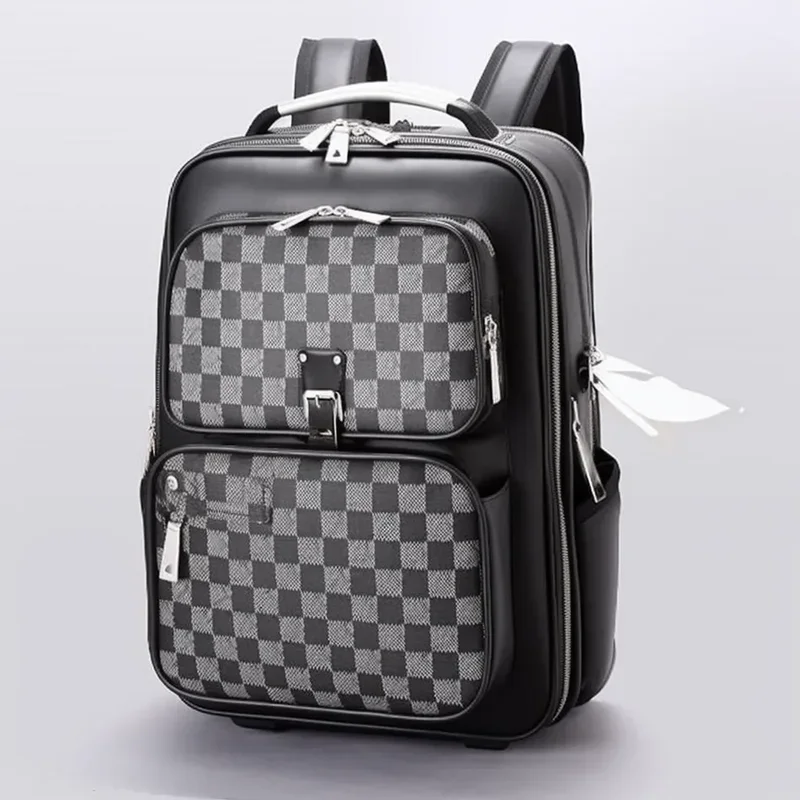
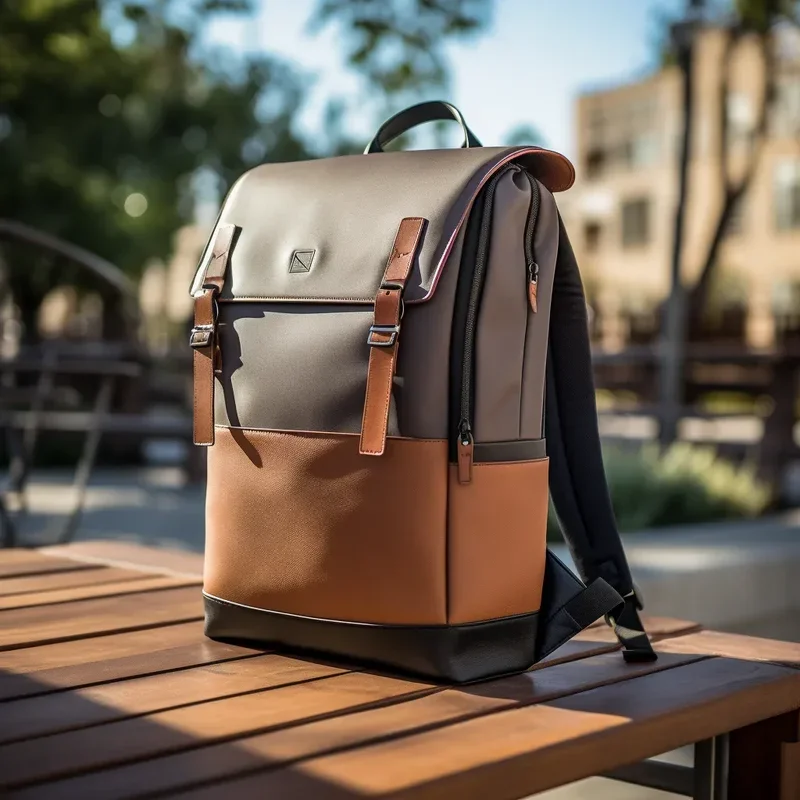
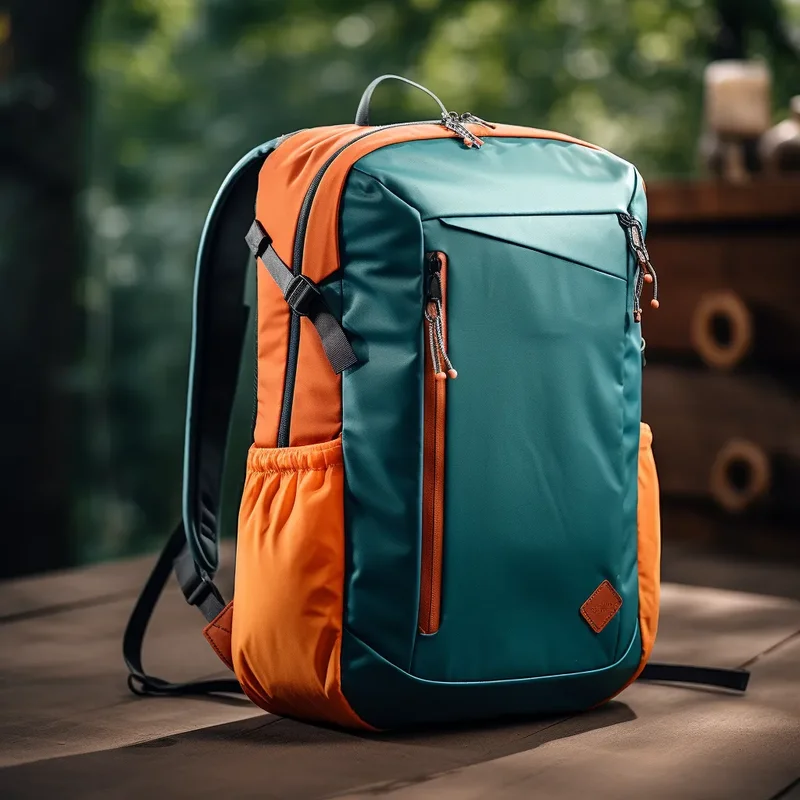
A gym backpack is a purpose-built bag worn on both shoulders, featuring vertical organisation with multiple compartments. Modern gym backpacks incorporate fitness-specific elements like ventilated shoe compartments, wet-dry separation, laptop sleeves, and anti-odour linings. They range from 20 to 40 litres in capacity, with some convertible models reaching 45 litres.
The Gym Duffel
A gym duffel is a horizontal carry bag designed for hand or single-shoulder transport. It typically features a large main compartment with a wide clamshell or top-zip opening, and minimal internal organisation. Duffels range from 25 to 65 litres, with team sport variants reaching 80 litres or more.
Capacity Comparison: The Numbers
This is where the comparison gets interesting. Raw volume tells only part of the story — usable capacity, accessible space, and organisation efficiency all affect how much gear you can actually carry effectively.
| Bag Type | Typical Volume | Usable Space | Organisation Efficiency | Effective Carry (What Fits Practically) |
|---|---|---|---|---|
| Small Backpack (20-25L) | 20-25L | High — compartmentalised | Excellent | Shoes, clothes, towel, water bottle, toiletries |
| Medium Backpack (25-35L) | 25-35L | High — dedicated zones | Excellent | Above + laptop, extra layers, supplements, lock |
| Large Backpack (35-40L) | 35-40L | Medium-High | Very Good | Above + weekend clothing, bulkier equipment |
| Small Duffel (25-35L) | 25-35L | Medium — single cavity | Low-Medium | Shoes, clothes, towel, toiletries (poorly separated) |
| Medium Duffel (35-50L) | 35-50L | Medium — limited dividers | Low | Above + multiple outfits, bulkier gear |
| Large Duffel (50-65L+) | 50-65L+ | Medium-Low — cavernous | Very Low | Team sports kit, multi-day gear, bulky equipment |
Key insight: A 30-litre gym backpack often carries more useful gear than a 40-litre duffel because its compartmentalised design eliminates wasted space. Every section has a purpose, and you are not digging through a cavernous single compartment to find what you need.
The Usable Capacity Paradox
Here is something that surprises many people: raw volume does not equal usable capacity. A 45-litre duffel with a single large compartment often feels harder to pack efficiently than a 30-litre backpack with dedicated shoe, wet clothes, laptop, and accessory compartments.
With a duffel, items shift, tumble, and compress against each other. Shoes press against your clean clothes. Your laptop (if unprotected) slides to the bottom. Small items disappear into the black hole at the base. You end up with unused space in awkward gaps because rigid items like water bottles and shoes create dead zones.
With a gym backpack, each item has its designated space. Shoes go in the ventilated shoe compartment. Wet clothes go in the waterproof pocket. Laptop stays in the padded sleeve. Water bottle sits in the external pocket. The remaining main compartment holds clothes, towel, and accessories in an organised, accessible arrangement. Every litre of capacity is usable.
Organisation and Accessibility
Gym Backpack Organisation
Gym backpacks excel in organisation through compartmentalisation:
- Dedicated shoe compartment: Separate external access, ventilated, keeps shoes away from clean items
- Wet-dry separation: Waterproof-lined pocket prevents moisture transfer
- Laptop sleeve: Padded, back-panel placement for protection and weight distribution
- Quick-access top pocket: Phone, keys, wallet, transit card — accessible without opening the main compartment
- Internal mesh pockets: Small items like gym lock, resistance bands, earphones
- External water bottle pocket: Keeps upright, prevents leaks into main compartment
- Pen/tool loops: Some models include pen holders, carabiner clips, and key leashes
The organisation system means you can pack methodically and find everything instantly. No digging. No cross-contamination. No forgotten items hiding at the bottom.
Gym Duffel Organisation
Most duffels offer minimal organisation:
- One large main compartment: Everything goes in together
- One or two end pockets: Small zippered pockets on the ends for minor items
- Maybe an internal mesh pocket: Some models include a single mesh divider
- External side pocket: Rare; found on some premium models
The duffel's organisation approach works if you pack using separate packing cubes or zip-lock bags for different item categories. Without these additional accessories, however, everything mixes together.
Accessibility Comparison
Duffels have a clear advantage in raw access speed. The wide clamshell opening exposes the entire contents at once — ideal if you want to see everything laid out or need to grab items quickly without carefully arranging them.
Gym backpacks require more deliberate access through multiple zippers and compartments. However, this deliberate access has an advantage: you always know exactly where each item is. Opening the right compartment reveals the right item immediately. With a duffel, you see everything but still need to move items aside to reach what is underneath.
Comfort During Commute
This is where the difference becomes most pronounced, especially for anyone who walks, cycles, or takes public transport to the gym.
Backpack Commute Comfort
Gym backpacks distribute weight across both shoulders, the upper back, and (with a sternum or waist strap) the hips. This balanced distribution means:
- No single-shoulder strain, even with loads of 10kg or more
- Hands completely free for cycling, holding handrails, or using a phone
- Stable load that does not swing during movement
- Padded straps and mesh back panels reduce pressure and sweat
- Centre of gravity close to your body for better balance
For cycling specifically, a gym backpack is the only practical option. A duffel cannot be carried hands-free on a bike, and a single-shoulder duffel carry creates dangerous instability during pedalling and turning.
Duffel Commute Comfort
Duffels create several comfort challenges during active commutes:
- Hand carry: Strains grip, wrist, and forearm with loads over 5kg. Impractical for more than a few minutes of walking.
- Shoulder strap: Creates uneven weight distribution, pulling your torso to one side. The strap digs into your shoulder and slips repeatedly.
- Swinging motion: On crowded trains or buses, a duffel swings into other passengers and takes up significant space.
- Cycling: Virtually impossible to carry safely on a bicycle unless using a front basket or rear rack (which duffels are not designed for).
The Walking Test
As a practical comparison, consider this scenario: carrying 8kg of gym gear (shoes, clothes, towel, water bottle, lock, toiletries) for a 15-minute walk.
With a gym backpack, you barely notice the weight. The padded straps distribute it evenly, the load sits close to your back, and your arms swing naturally. You arrive at the gym without fatigue or strain.
With a duffel by hand, your grip fatigues within five minutes. Switching hands every few minutes becomes annoying. By the 10-minute mark, your forearm muscles are noticeably fatigued, and you may need to stop and rest.
With a duffel on one shoulder, the uneven load creates a pulling sensation on one side of your neck and upper back. The strap slides off your shoulder repeatedly, requiring constant readjustment. You arrive at the gym with one shoulder feeling stiff and sore.
Versatility: Gym-to-Office, Gym-to-Travel
In modern life, versatility is increasingly valuable. The fewer bags you need to own and manage, the simpler your daily routine becomes.
Gym-to-Office Transition
This is the scenario where gym backpacks decisively outperform duffels. A gym backpack with a laptop sleeve and clean design transitions seamlessly from gym to office to after-work social engagement. You carry one bag all day.
A duffel, by contrast, announces itself as a gym bag wherever you take it. Its athletic aesthetic, lack of laptop protection, and horizontal shape make it out of place in professional settings. You either carry a separate work bag (adding complexity) or accept that your appearance at the office looks like you rolled up from a training session.
Gym-to-Travel Transition
For weekend trips and overnight travel, gym backpacks in the 30-35 litre range work effectively as carry-on luggage. They comply with airline cabin bag size restrictions, their organisation system works just as well for travel gear as for gym gear, and the backpack carry method is ideal for navigating airports and public transport at your destination.
Large duffels (50L+) can function as weekend bags and offer more packing space, but they lack the carry-on compliance, laptop protection, and hands-free convenience that make backpacks more practical for modern travel.
Gym-to-Social Transition
If you go directly from the gym to a social engagement — meeting friends, a date, or a casual dinner — a gym backpack that looks presentable works well. You simply change at the gym, put on your going-out clothes, and head off with a single bag that does not look out of place.
A duffel in a social setting almost always looks like you just came from the gym. Even if you have changed, the bag itself signals "gym" and undermines the transition to a social context.
Real-World Testing Scenarios
To move beyond theory, here are six real-world scenarios and how each carry option performs:
Scenario 1: The Office Commuter (Gym Before Work)
Gear needed: Gym shoes, training clothes, towel, toiletries, water bottle, lock, plus laptop and work clothes for later.
Backpack: Fits everything with dedicated compartments. Laptop stays protected in sleeve. Wet gym clothes go in waterproof pocket. Clean work clothes stay dry and unwrinkled. Arrive at office, change, and start work with no hassle.
Duffel: Laptop has no dedicated protection — risk of damage from gym equipment. Wet gym clothes mix with clean work clothes. Need to arrive early enough to sort through everything before changing. Awkward carry on public transport.
Winner: Gym backpack, clearly.
Scenario 2: The Bodybuilder (Heavy Gear Day)
Gear needed: Two pairs of shoes, lifting belt, wrist wraps, knee sleeves, two sets of training clothes, large shaker, post-workout meal in container, towel, toiletries, gym lock.
Backpack: A 35-40 litre model can fit most of this, but bulky items like lifting belts and knee sleeves fill the main compartment quickly. May need to clip external items.
Duffel: A 45-50 litre duffel swallows all of this with room to spare. The cavernous main compartment handles bulky equipment easily. However, finding small items like wrist wraps requires digging.
Winner: Duffel, for pure capacity. But consider a large gym backpack if the commute involves any walking.
Scenario 3: The Cyclist Commuter
Gear needed: Standard gym kit plus cycling helmet (worn or strapped to bag).
Backpack: Worn on both shoulders, hands free for cycling. Stable during pedalling and cornering. Can attach helmet to exterior bungee or straps. Sweat from cycling is managed by mesh back panel.
Duffel: Cannot be carried safely on a bicycle. Would need a front basket or rear pannier system, which duffels are not designed for.
Winner: Gym backpack, no contest.
Scenario 4: The Team Sports Player
Gear needed: Boots, training shoes, kit, shin pads, gum shield, towel, large water bottle, tape, strapping, pump for football, wet weather gear.
Backpack: Limited by maximum capacity of 40 litres. Cannot accommodate all team sports gear plus bulky items like footballs or multiple pairs of boots.
Duffel: A 50-65 litre duffel handles team sports gear easily. The wide opening allows you to see and access all equipment quickly during match preparation.
Winner: Duffel, for maximum capacity in team sports contexts.
Scenario 5: The Weekend Traveller (Gym + Trip)
Gear needed: Gym kit for hotel gym, plus two days of casual clothes, toiletries, chargers, book, sunglasses.
Backpack: A 30-35 litre backpack handles this perfectly. Meets airline carry-on size requirements. Organisation keeps gym and travel items separated. Hands-free carry through airport and public transport.
Duffel: A 40-50 litre duffel offers more packing space but exceeds many airline carry-on limits. Hand carry becomes tiring in airports. No laptop or electronics protection.
Winner: Gym backpack, for carry-on compliance and travel versatility.
Scenario 6: The Budget-Conscious Student
Gear needed: Basic gym kit plus textbooks, laptop, lunch, water bottle.
Backpack: Carries gym and study gear in one bag. Laptop protection included. Cost: £40-£80.
Duffel: Carries gym gear cheaply but cannot protect a laptop. Student still needs a separate bag for study materials. Combined cost of cheap duffel (£15-£25) plus a work bag (£30-£50) equals or exceeds a single quality gym backpack.
Winner: Gym backpack, for overall value when accounting for total bag needs.
Decision Flowchart: Which Should You Choose?
Use this step-by-step flowchart to determine which carry style suits your specific situation:
Step-by-Step Decision Guide
Step 1: Do you commute to the gym by walking, cycling, or public transport?
If YES → A gym backpack is strongly recommended. The hands-free, ergonomic carry is essential for active commuting. Move to Step 2 for model selection.
If NO (you drive directly) → Either option works. Move to Step 2 to determine other factors.
Step 2: Do you go from the gym to work, university, or social engagements?
If YES → A gym backpack with laptop sleeve and professional appearance is the better choice. It transitions seamlessly between contexts.
If NO (gym and return home only) → A duffel remains viable. Move to Step 3.
Step 3: Do you carry bulky or oversized equipment (lifting belt, knee sleeves, multiple shoes, team sports gear)?
If YES → A large duffel (50L+) provides the capacity needed for bulky equipment. Or consider an extra-large gym backpack (35-40L) with external attachment points.
If NO → A medium gym backpack (25-35L) handles standard gym gear perfectly. Move to Step 4.
Step 4: Is budget your primary constraint (under £30)?
If YES → A basic duffel offers adequate function at the lowest price. Upgrade to a gym backpack when budget allows.
If NO → Invest in a quality gym backpack (£50-£100) that includes ventilated shoe compartment, wet-dry separation, laptop sleeve, and anti-odour lining. This delivers the best long-term value for daily gym use.
Long-Term Value Analysis
Beyond the initial purchase price, consider the long-term value equation:
Gym Backpack Long-Term Value
- Replaces the need for a separate work bag (saving £30-£80)
- Replaces the need for a separate travel day bag (saving £25-£60)
- Lasts 3-5 years with daily use (quality models)
- Protects expensive electronics from gym-related damage
- Reduces wear and tear on clothing through proper wet-dry separation
Gym Duffel Long-Term Value
- Lower initial cost (£15-£40 for basic models)
- Still requires additional bags for work and travel
- Lasts 1-3 years depending on quality and usage intensity
- No electronics protection, increasing risk of device damage
- May need replacement sooner due to strap and handle failure under heavy loads
Total cost of ownership: When you add up the cost of all bags needed to cover gym, work, and travel scenarios, a quality gym backpack often costs less overall than buying a duffel plus additional specialised bags.
The Hybrid Option: Convertible Gym Bags
For those who cannot decide, a hybrid category has emerged: convertible gym bags that function as both duffel and backpack. These feature hideaway backpack straps that tuck away when you want duffel-style carry, and deploy when you need hands-free backpack mode.
Convertible bags offer flexibility but with compromises. The backpack straps are typically thinner and less padded than dedicated gym backpack straps. The organisation system sits between duffel minimalism and backpack compartmentalisation. They are a reasonable option for gym-goers whose needs vary significantly day to day.
Final Verdict
For the vast majority of gym-goers in 2025, a quality gym backpack in the 25-35 litre range delivers superior value, comfort, organisation, and versatility compared to a traditional duffel bag. The gym backpack wins decisively in every scenario involving active commuting, gym-to-office transitions, travel, or daily organisation.
The duffel retains a clear advantage only in three specific contexts: team sports with large volumes of equipment, powerlifting with extensive bulky gear, and situations where budget is the absolute primary constraint and the user drives directly to the gym.
For everyone else, the gym backpack is the smarter, more comfortable, and more versatile choice.
Frequently Asked Questions
Can a gym backpack hold as much as a duffel?
In raw volume, large duffels (50-65L) hold more than gym backpacks (20-40L). However, a 30-litre gym backpack often carries more usable gear than a 40-litre duffel because its compartmentalised design eliminates wasted space. For standard gym sessions (shoes, clothes, towel, toiletries, water bottle), a 25-35 litre backpack carries everything you need.
Is a gym backpack better for commuting?
Unequivocally yes. Gym backpacks distribute weight across both shoulders for comfortable carrying, keep your hands free for cycling or holding handrails, and remain stable during movement. Duffels create single-shoulder strain, require hand carrying, and swing uncomfortably on public transport.
What size gym backpack should I get for the gym?
For standard gym sessions, 25 to 35 litres is ideal. This accommodates shoes, a full change of clothes, a towel, toiletries, a water bottle, and optionally a laptop. If you carry bulky equipment like lifting belts or knee sleeves, consider a 35 to 40 litre model.
Are duffel bags better for bodybuilders?
For bodybuilders who carry extensive gear (multiple shoes, lifting belt, wrist wraps, knee sleeves, large shakers, meals), a large duffel offers the capacity advantage. However, if the commute involves any walking or cycling, a large gym backpack (35-40L) is still preferable for comfort. Some bodybuilders use a backpack for the commute and a duffel kept at the gym for additional storage.
Can I use a gym backpack as a carry-on for flights?
Most gym backpacks in the 25-35 litre range comply with airline carry-on size restrictions (typically 55cm x 40cm x 20cm). They work well as a single carry-on for weekend trips, especially if they feature a clamshell opening design that makes security screening easier.
What is a convertible gym bag?
A convertible gym bag features hideaway backpack straps that tuck away for duffel-style carry and deploy for backpack mode. It offers flexibility for gym-goers whose needs vary, but typically compromises on both backpack comfort (thinner straps) and duffel capacity (less efficient use of internal space).
How much weight can a gym backpack comfortably carry?
A well-designed gym backpack with padded, contoured straps and a sternum strap can comfortably carry 8-12kg. This covers a complete gym kit including shoes, clothes, towel, toiletries, a metal water bottle, and a laptop. Beyond 12kg, look for models with waist straps to transfer additional weight to the hips.
Deep Dive Into Gym Backpack Features
Now that you understand how backpacks and duffels compare, explore the specific features that make gym backpacks stand out and learn what to look for in your ideal model.
Essential Gym Backpack Features →