TSA-Approved Locks for Travel Backpacks: Fit, Geometry and Real Limits
A TSA-approved lock only works on a backpack when three dimensions line up: the shackle passes through the zip puller eyelet or lock loop, there is enough clearance for the shackle to rotate and close, and the zip chain behind it cannot be prised open with a ballpoint pen. Miss any one of those and the lock is decoration, because the weakest point is almost always the bag rather than the padlock. The majority of travel lock returns are geometry failures rather than security failures, and they are entirely predictable from a tape measure.
This guide treats compatibility as a specification problem instead of a product round-up, covering shackle diameters, eyelet clearances, lock loop construction and the screening reality on UK and European routes. For context, programmes developed under the QUANZHOU JUNYUAN BAGS name run from 500 pcs per style and colourway, with sampling in 6-10 working days and bulk production in 35-50 days, so hardware decisions belong in the tech pack rather than at the packing bench.
What 'TSA-Approved' Actually Means
The phrase refers to a lock that a master key held by the US Transportation Security Administration can open, so that screeners can inspect a bag without cutting the lock off. The scheme is administered by Travel Sentry, a private licensing body, and the mark to look for is the small red diamond stamped on the lock body. No public body certifies these locks, and approval says nothing about pick resistance, shackle strength or whether the mechanism survives a wet winter in a station car park. It is an access arrangement rather than a tested security grade, and UK buyers routinely over-estimate what it delivers on non-US routes.
The genuinely useful part of the system is physical rather than procedural. Because licensees build to a common keyway, most travel locks converge on a shackle diameter of 3.0-4.5 mm and a body thickness under 15 mm, which is what makes cross-brand compatibility possible at all. A backpack designed around a 3.5 mm shackle and a 6 x 9 mm clear eyelet will accept almost every combination lock on the British high street. That predictability matters more to a product team than the logo, because a lock loop specified today will still fit accessories sold several seasons later, and because it removes the need to supply a lock with every bag.
- The red diamond is a licensing mark issued by Travel Sentry, not a laboratory rating.
- Master keys exist for US checkpoints only; no equivalent scheme covers UK, EU or Asian screening.
- Standardised shackle sizing is the practical benefit, and it is what makes bag-side loops future-proof.
- A lock that cannot be opened on request will be cut, and the bag will be searched regardless.
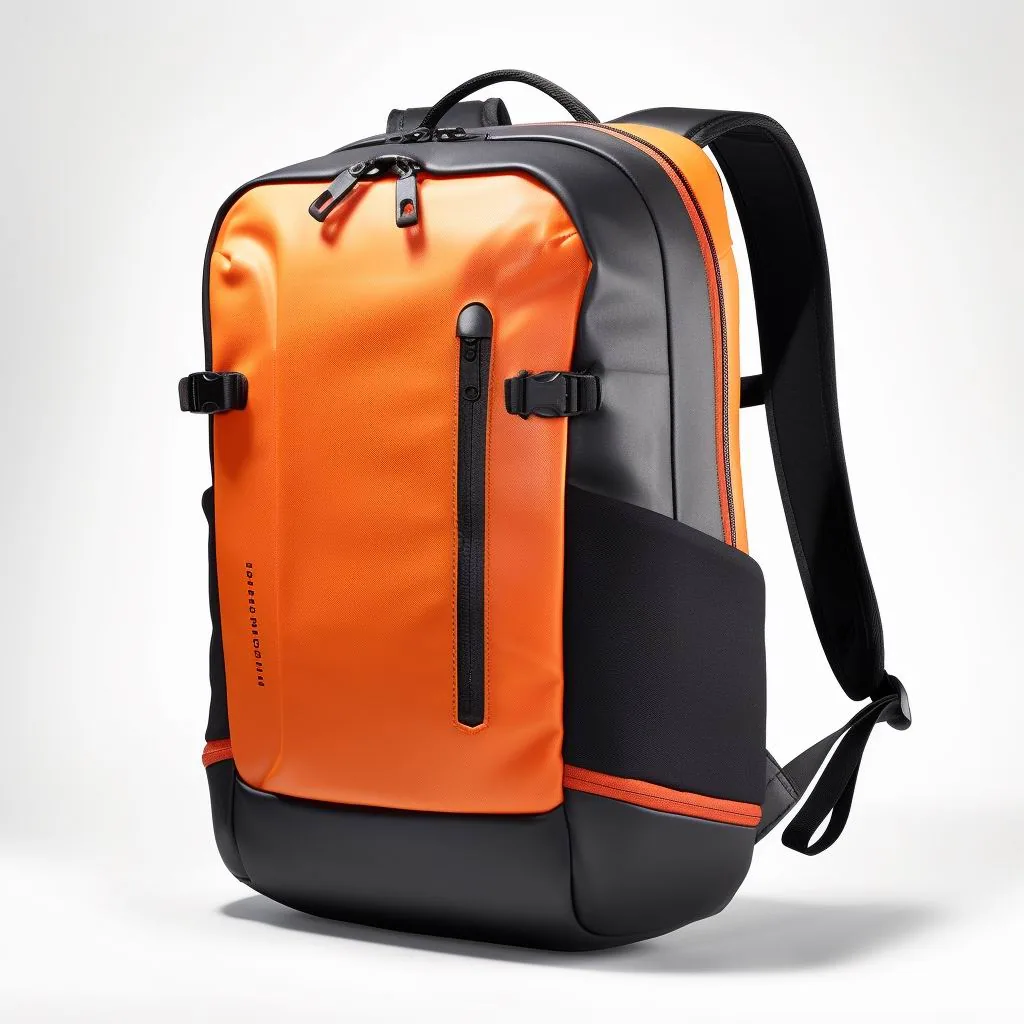
Shackle Diameter and Zip Eyelet Geometry
Nearly every travel padlock sold for luggage uses a hardened steel shackle between 3.0 mm and 4.5 mm in diameter, with 3.5 mm the common default. Cable-shackle locks substitute 1.5-2.5 mm braided steel, which threads through awkward angles but is far easier to cut with pocket shears. The matching dimension on the bag is the clear opening inside the zip puller eyelet or the webbing loop, and it must be measured as the hole rather than the metal frame around it, because a frame that looks generous frequently leaves barely 5 mm of usable clearance once plating and paint are accounted for.
Two failures dominate the returns pile. The first is a shackle that passes through the eyelet but cannot rotate, so the lock body sits at an angle and the hasp will not seat. The second is a shackle that fits with so much slack that the lock can be lifted and twisted, opening a gap wide enough for a thin tool to reach the chain. A working rule for product teams is a clear opening between 1.5 and 2.0 times the shackle diameter, which gives 5.2 mm to 7.0 mm for a 3.5 mm shackle and leaves the lock snug enough that it cannot be levered.
| Component | Common size | Compatibility note |
|---|---|---|
| Lock shackle | 3.0-4.5 mm diameter | Fits most #5 and #8 closed-eyelet pullers |
| Zip puller eyelet | 6 x 9 mm to 8 x 14 mm | Measure the clear opening, not the outer frame |
| Lock loop webbing | 15-20 mm flat polyester | Needs roughly twice the shackle width to rotate freely |
| Cable shackle | 1.5-2.5 mm braided | Threads angled loops, but cuttable in seconds |
Lock Loops and D-Rings: Building the Attachment Point
Backpacks with a genuinely lockable compartment rarely rely on the puller eyelet alone, because a stamped eyelet is thin and tears under a levering load. A loop folded from 15-20 mm webbing and bar-tacked over 20 mm carries a 3.5 mm shackle comfortably and spreads the load into the panel rather than into four stitches. Loops narrower than 12 mm bunch under the shackle and tear out at the stitch line after a few hundred pulls, which is why so many pre-production samples fail a simple 200 N tug test even though they look tidy on a sample card. A folded loop also spreads the shackle load across 20 mm of panel rather than across four stitches.
Placement matters as much as strength. A loop set 8-12 mm away from the zip tape lets the lock body lie flat against the panel instead of standing proud where it catches on shoulder straps, cafe chairs and conveyor belts, and a body that stands proud is also easier to snap off. The loop should also be oriented so the shackle passes in the same direction the zip travels, meaning any prying force acts along the chain rather than across the elements. Where a main compartment uses a double puller, a second loop 20-30 mm along the tape gives a locking option on either side of the bag.
- Webbing: 15-20 mm flat polyester in 600D or 900D, with a 20 mm bar-tack at each end.
- Stand-off: 8-12 mm between loop and zip tape keeps the lock body flat and snag-free.
- Pull test: 200 N held for 10 seconds, with no stitch elongation above 2 mm.
- Second loop: worth specifying on double-puller main zips, 20-30 mm from the first.
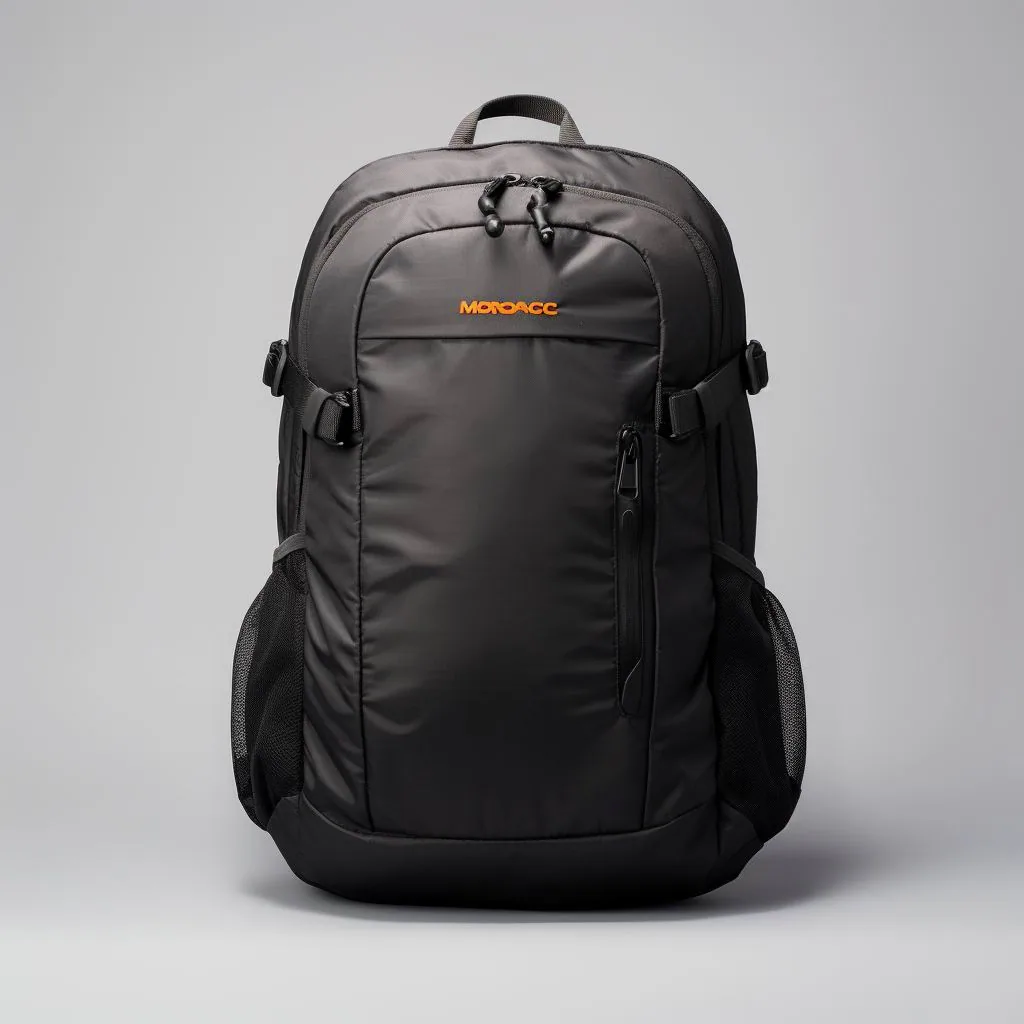
Zip Chain and Puller Types That Accept a Lock
Zipper strength is measured under ASTM D2061, which loads the chain in the cross direction and records the force at which the elements separate. A number 5 coil zip is the practical floor for a lockable compartment, and number 8 or number 10 coil is what most travel bags above 40 litres should carry, because the chain has to resist a lever as well as a pull. Locking a number 3 pocket zip achieves almost nothing, since that chain can be split with a 2 mm blade no matter what hangs on the puller. That single substitution is the difference between a lockable bag and a bag that merely looks lockable.
Puller style decides whether a lock fits at all. A flat stamped puller with a closed eyelet accepts a shackle; a moulded cord pull with a 4 mm hole does not, and no amount of forcing will change that. Reversed-coil zips, where the chain sits on the inside of the tape, resist the ballpoint-pen attack because the elements are not exposed from the outside, and they are the default on better anti-theft designs. Hidden garages that tuck the puller under a fabric flap reduce the attack surface without changing the fit of the lock in any way. Both upgrades cost pennies per unit and remove the two complaints that dominate product reviews.
Specify the puller, not just the chain. A number 8 coil fitted with a 4 mm cord pull cannot be locked, and discovering that after the first bulk run pushes the whole order back by the full 35-50 day production window.
Combination, Key and Cable Locks Compared
Three formats dominate the shelf. A three-dial combination lock weighs 30-45 g and needs no key, but dials drift in a pocket and a forgotten code ends the trip. A keyed padlock weighs 25-40 g and is quicker to open at a checkpoint, at the cost of carrying a 20 mm key that will eventually go through a wash. A cable lock at 55-90 g threads through loops a rigid shackle cannot reach, but a 2 mm cable parts in under five seconds against pocket shears, so it suits awkward geometry rather than genuine deterrence. Weight is therefore only half the decision; the other half is how the lock behaves when the bag is set down hard.
| Format | Weight | Shackle | Best fit |
|---|---|---|---|
| Three-dial combination | 30-45 g | 3.0-4.0 mm | Main compartment, occasional trips |
| Four-dial combination | 45-60 g | 3.5-4.5 mm | Frequent flyers and shared bags |
| Keyed padlock | 25-40 g | 3.5-4.5 mm | Daily checkpoints, single user |
| Cable shackle | 55-90 g | 1.5-2.5 mm | Awkward loops, low-risk screening |
| Integrated zip lock | 10-20 g | Built in | Secondary pockets, not main security |
On a backpack rather than a suitcase, weight and snag profile matter more than raw strength. A 60 g lock swinging from a side loop hits door frames and chair backs, rattles on cobbles and abrades the panel it hangs against, which is why dangling hardware is one of the first things to fail on a long trip. Integrated locks built into the puller remove the moving mass entirely, but they rarely carry a master keyway, so they suit a secondary pocket rather than the main compartment on a US-bound trip where inspection access is the whole point of the scheme.
UK and EU Screening: What Happens to a Locked Bag
The master key arrangement is American, and British travellers often discover this the hard way. At UK airports, screeners can ask a passenger to open a bag, and a bag that cannot be opened will not travel; the current position on hand luggage and security checks is published on GOV.UK. Large electronics such as laptops and tablets generally have to come out of the bag and go into a tray on their own, which is worth remembering before locking a dedicated device compartment that will slow every checkpoint. The same applies at ferry terminals and at Eurostar, where a bag that cannot be opened will simply be left behind.
Across European hubs the pattern is similar: staff can cut a lock if they need access, and replacement costs are not automatically recoverable from the airline or the airport. EU passenger rights cover delays, cancellations and denied boarding rather than cut luggage hardware, as set out in the European Commission guidance on air passenger rights. A lock is best understood as a deterrent against an opportunistic hand in a hostel dorm or an overhead bin, and not as protection against a determined search. Treat any lock as a delay measured in seconds rather than a barrier measured in minutes, and pack accordingly.
- US routes: master key access applies, so a licensed lock usually survives inspection intact.
- UK and EU routes: expect to open on request, and expect electronics out of the bag.
- Hostels, trains and left-luggage: a lock stops an opportunistic hand, not a blade.
- Valuables: medication, documents and cash belong in a pocket that stays on the person.
Corrosion and Cycle Testing for Lock Hardware
Lock bodies are usually zinc alloy or brass with a plated steel shackle, and on a travel bag the dominant failure mode is corrosion from salt air, rain and sweat rather than forced entry. Salt spray exposure is standardised in ASTM B117, and a reasonable acceptance level for hardware sold on a UK travel bag is 24 hours of exposure with no red rust on the shackle and no seizure of the dial or keyway, checked again after a further 24 hours of drying. A lock that has seized is worse than no lock at all, because it traps the bag shut at the worst possible moment.
Cycle testing is the second half of the picture. A dial mechanism should survive 1,000 open-and-close cycles without the dials loosening or the code drifting, and a keyed lock should survive 500 insertions with the key still turning smoothly under a light load. Our production partners run both checks on incoming hardware at goods-in rather than waiting for finished packs, because a seized lock found at final inspection means reworking an assembled batch that has already consumed its 35-50 day slot and cannot be repeated inside the shipping window. Hardware checks at goods-in take minutes per batch and remove an entire class of complaint at source.
- Salt spray: 24 hours to ASTM B117, no red rust and no seized mechanism.
- Dial cycles: 1,000 open-close operations with no drift in the set code.
- Key cycles: 500 insertions with smooth rotation under light torque.
- Shackle pull: 300 N axial load without permanent deformation.
Inspecting Lock Compatibility in Production
Fit is a dimensional defect, and dimensional defects are exactly what acceptance sampling is designed to catch before a container leaves the port. Our inspection protocol uses AQL 2.5 under ISO 2859-1, which sets sample size and acceptance number against batch quantity. A lock loop placed 3 mm out of position is a major defect rather than a minor one, because the accessory simply will not fit and the end user will treat the whole bag as faulty rather than as slightly imperfect. Sampling to a published standard also settles a dispute with a supplier in one sentence, because the acceptance number was agreed in advance.
Two gauges make the check objective. A go/no-go pin set at 3.5 mm and 4.5 mm verifies shackle clearance in seconds, and a 200 N spring gauge verifies loop strength in ten seconds per unit on the sample. Both are cheap, both live in a sampling room, and both remove the argument about whether a loop looks strong enough to pass. Logging the readings per batch also produces a trend line, which is what catches a slow drift in loop placement before a container ships, and it gives the brand a documented position if a complaint arrives months later. Trend data is also the cheapest insurance against a repeat order arriving worse than the first one did.
- Go/no-go pins at 3.5 mm and 4.5 mm for shackle clearance checks.
- Spring gauge at 200 N for 10 seconds on at least 10 per cent of the sample.
- Classify loop position errors as major defects, not minor ones.
- Record measurements per batch so placement drift is visible before shipment.
Writing the Lock Line on a Tech Pack
A tech pack line that reads 'lockable zip' is not a specification, and it is the single most common cause of a travel bag arriving with a compartment that no lock will fit. It should name the zip gauge, the puller type and its clear eyelet, the loop webbing width, the bar-tack dimensions, the required clear opening and the pull-test load. That level of detail takes ten minutes to write, and it removes any scope for a sample room to substitute a cheaper puller that quietly destroys compatibility. It also gives the buying team a single line to argue from when a sample arrives with the wrong puller fitted.
Where the lock itself is part of the brand programme, the same discipline applies to the accessory: shackle diameter, body finish, dial count, marking method and retail packaging all need stating, because a red diamond licence covers the mechanism and not the way a brand is applied to it. QUANZHOU JUNYUAN BAGS develops these programmes from 500 pcs per style and colourway, with a 6-10 working day sampling window that extends to 12-15 working days where a moulded or integrated lock housing forms part of the build. Packaging, marking and accessory quantities all scale from the same 500 pcs minimum per style and colourway.
Number 8 reversed coil zip, closed-eyelet flat puller, 15 mm webbing loop with a 20 mm bar-tack, 6 mm minimum clear opening, 200 N pull test recorded per batch.
Frequently Asked Questions
What does TSA-approved mean on a backpack lock?
It means the lock uses a keyway that a master key held by the US Transportation Security Administration can open, so screeners can inspect a bag without cutting the lock off. The mark is licensed by Travel Sentry and shown as a small red diamond on the body. It is an access arrangement rather than a tested security rating, and it says nothing at all about shackle strength, pick resistance or corrosion.
Can UK airport security open a TSA lock?
Not with a master key, because the scheme is American. At UK airports staff will ask you to open the bag, and if it cannot be opened they may cut the lock or refuse the bag. Keep the code somewhere other than on the lock, and expect larger electronics such as laptops and tablets to come out of the bag into a tray.
What shackle diameter fits most backpack zip pullers?
Between 3.0 mm and 4.5 mm, with 3.5 mm the safest default for a new bag design. The bag-side dimension is the clear opening of the puller eyelet, which should be 1.5 to 2.0 times the shackle diameter, giving roughly 5.2 mm to 7.0 mm of usable clearance. Measure the hole itself rather than the metal frame around it. Cable shackles at 1.5-2.5 mm need a smaller opening, but they are cut in seconds.
Do I actually need a lockable zip on a travel backpack?
It depends where the bag sits unattended. For overhead bins, trains and hostel dorms a lock deters an opportunistic hand and costs very little. For checked hold baggage it adds almost nothing, because anyone with time and privacy can cut the panel with a blade. Spend the money instead on a lock loop and a number 8 coil zip. Fit a lock loop and a decent chain before spending £20 on a padlock.
Are cable locks better than rigid shackle locks for backpacks?
Cable locks thread through awkward loops and weigh 55-90 g, but a 2 mm braided cable is cut in under five seconds with pocket shears. A rigid 3.5-4.5 mm shackle is harder to defeat and lighter at 25-45 g. Choose cable only where the loop geometry genuinely will not accept a rigid shackle. Weigh the lock before buying; anything above 60 g will swing against the panel.
Can I lock a backpack left in a hostel or left-luggage room?
You can, and it is worth doing, but treat the lock as a delay rather than a barrier. It stops someone reaching in for a wallet in thirty seconds, and it does not stop a knife. Keep passports, medication and cards in a money belt or a pocket that stays on your person throughout the day. A lock also signals that the bag has been thought about, which deters the casual hand.
How strong should a lock loop on a backpack be?
A loop folded from 15-20 mm webbing with a 20 mm bar-tack should hold 200 N for ten seconds without stitch elongation above 2 mm. Loops under 12 mm wide bunch under the shackle and tear out at the stitch line. Ask for the pull-test figure in the tech pack rather than trusting a photograph or a sample card. Re-test after washing, because detergent and heat relax both webbing and thread.
What zip size should a lockable compartment use?
Number 5 coil is the minimum and number 8 is the sensible default for any main compartment that will be locked. Locking a number 3 zip is pointless because the chain can be split with a 2 mm blade regardless of the lock. Reversed coil construction hides the elements from the outside and resists the pen attack. Number 10 coil suits bags above 40 litres, where the chain carries more leverage.
Do combination locks fail in cold or wet weather?
Moisture and salt are the main risks rather than cold temperatures. Look for hardware tested to 24 hours of salt spray under ASTM B117 with no red rust and no seizure of the dial. Rinse a lock that has been in sea air, dry it thoroughly, and work the dials every few weeks so the mechanism does not bind. A seized lock is worse than none, because it traps the bag shut at the worst moment.
How do I stop a padlock scratching or abrading a backpack?
Choose a lock with a coated shackle, or slide a short length of 10 mm heat-shrink over the shackle where it contacts webbing. Keep total lock weight under 45 g so it does not swing, and specify a loop stand-off of 8-12 mm so the body lies flat against the panel instead of standing proud and catching. Check the shackle coating after a season; once it wears through, rust transfers to the fabric.
Will a TSA lock stop airport baggage theft?
It reduces casual theft, because the bag takes longer to open than an unlocked one and most opportunists move on to an easier target. It will not stop anyone determined, and it gives no protection at all against a bag being taken whole. Insure high-value contents and carry them in the cabin instead. Photograph the contents before checking a bag, so any claim has evidence behind it.
Planning a Lockable Travel Range?
We develop lockable travel backpack programmes for UK brands from 500 pcs per style and colourway, with sampling in 6-10 working days and bulk production in 35-50 days.
Every shipment is inspected to AQL 2.5 under ISO 2859-1, quoted FOB Xiamen and paid by T/T 30/70. Send a tech pack or a reference bag and our production team will come back with a hardware proposal covering zip gauge, puller type, loop placement and test loads. QUANZHOU JUNYUAN BAGS has coordinated programmes of this kind since 2014, working across a 4,950 m² SGS-verified production floor space with 137 colleagues and 7 production lines.
Email: service@junyuanbags.com
WhatsApp: +86 177 5002 0688