Backpack Sample Approval: The 20-Point Checklist UK Buyers Actually Use
Approving a backpack sample properly takes around 45 to 60 minutes with a written checklist, and it is the cheapest quality control you will ever buy. Most bulk disputes trace back to three sample-stage misses: a substituted buckle or slider, a fabric lot with a stiffer hand-feel than the swatch you approved, and a stitch density that silently dropped. All three survive a casual desk review. None of them survive a line-by-line check against a signed specification with tolerances and photographs.
This guide sets out twenty grouped checks covering fabric and colour, hardware and trims, construction and seams, loaded fit, laboratory performance and paperwork, plus the decision rules that turn a list of observations into an actual signature. It is written for UK brands and buying groups running repeatable programmes where the same style returns every season. QUANZHOU JUNYUAN BAGS works to a 6 to 10 working day sampling cycle on standard builds, extending to 12 to 15 working days where moulded backs or bonded panels raise complexity.
Why Sample Approval Goes Wrong in Bag Programmes
The most expensive word in sample approval is fine. When a reviewer writes that a sample looks fine, nobody downstream knows what was actually checked, and three months later there is no record to compare the shipment against. Problems follow a narrow pattern. Fabric gets approved by eye when it should be approved by denier, GSM and coating weight. Hardware gets approved by appearance when the failure mode is break strength or corrosion. Fit gets approved with an empty bag when the actual return driver is a loaded bag at hour three of a working shift. Written records are what let a second buyer approve next season without guessing.
The arithmetic is simple enough to settle the argument in any meeting. On an opening order of 500 pcs per style and colourway, a 6% fault or return rate at £45 retail removes £1,350 of gross margin before you add return freight, pick-and-pack labour and the retailer chargeback that usually follows. A second sampling round costs perhaps £120 in courier charges and three working days. That ratio is why disciplined buyers insist on two physical gold seals and a written sign-off sheet rather than an email confirmation. That insurance costs far less than a rejected shipment sitting unpaid in a third-party warehouse.
- Fabric approved by look instead of by measured specification
- Hardware swapped for a cheaper, visually identical part
- Fit assessed empty rather than at realistic working load
- No retained reference unit to resolve later disputes
- Verbal changes agreed at shows and never written into the spec
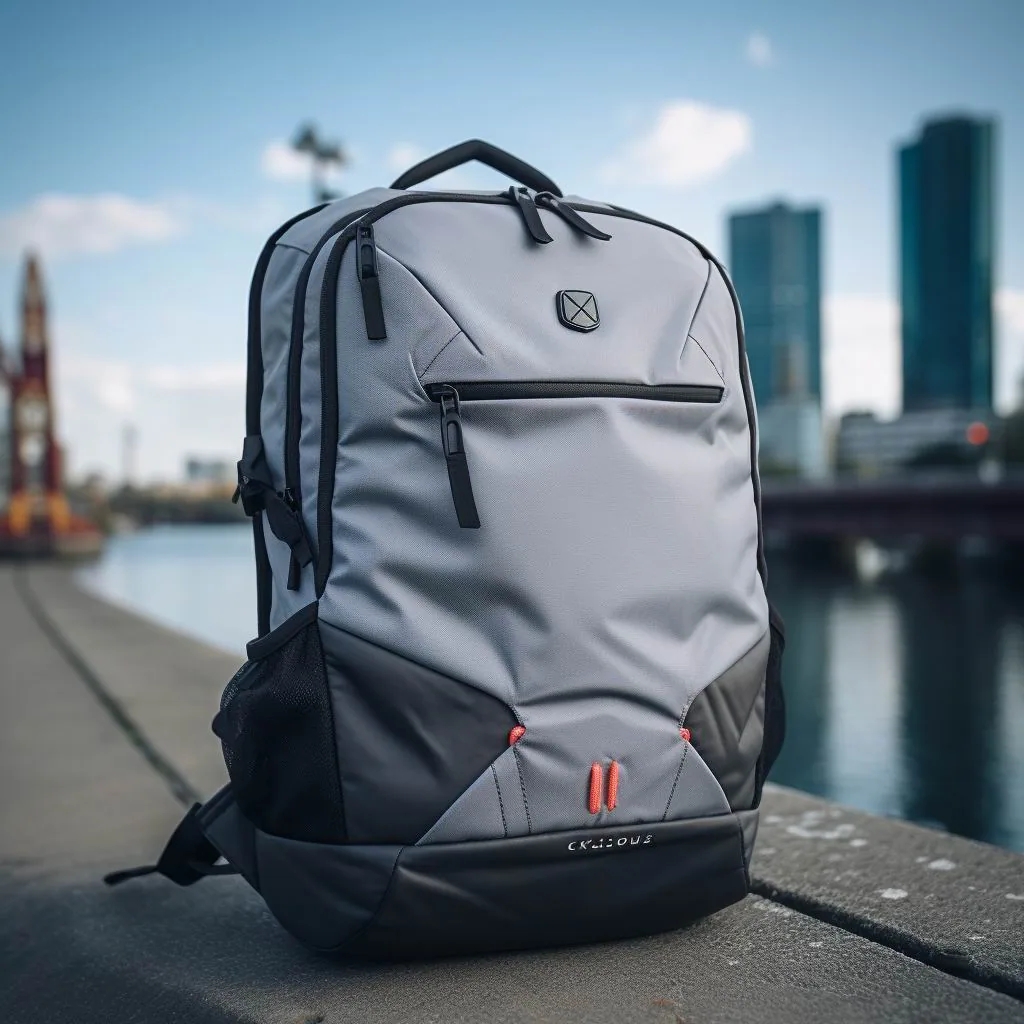
The Three Gates: Proto, Salesman and PP Sample
Treat sample approval as three gates rather than one event. A proto sample answers whether the build works at all; it may use substitute fabric, a hand-cut foam panel and temporary hardware, and that is acceptable provided every substitution is listed on the accompanying sheet. The salesman sample answers whether you can sell it, and by that stage the construction should carry the exact face fabric, the colourway you intend to ship and the branding method earmarked for production rather than a heat-transfer stand-in. Ask which items are temporary, write them down with their supplier codes, and re-check that list when the following round arrives.
The pre-production sample, usually abbreviated to PP, answers whether bulk will look like this. It should come out of the intended fabric lot, be assembled on the planned line with the planned jigs, and be packed in the retail packaging that will actually ship. Allow 6 to 10 working days per round for standard builds and 12 to 15 working days where a moulded back panel, roll-top geometry or bonded construction slows the first assembly down. Rushing the PP gate is how consistency problems enter a programme permanently. Pushing for that uniformity before the pattern is settled is how re-tooling costs quietly enter the unit price.
| Gate | Question answered | Must be production-exact | Round time |
|---|---|---|---|
| Proto sample | Does the design work? | Pattern, proportions, structure | 6-10 working days |
| Salesman sample | Will it sell? | Face fabric, colourway, branding | 6-10 working days |
| PP / gold seal | Will bulk match this? | Everything, including packaging | 12-15 working days if complex |
Fabric, Colour and Hand-Feel Checks
Start with the measurable facts rather than the look. Verify denier against the purchase order, because a 600D fabric that arrives at 560D will abrade earlier and take a coating less evenly. Weigh the fabric against its GSM target using a swing-arm cutter and a scale accurate to 0.01 g, allowing no more than ±5%. Then measure coating backing thickness with a micrometer instead of trusting the mill label; a 0.15 mm PU backing behaves very differently from 0.08 mm once the pack is folded, sat on, or left in a cold van overnight. A 5% shortfall in GSM usually means a weaker yarn rather than a looser weave.
Colour should be judged under D65 lighting against your reference and recorded as a grey-scale rating, never agreed under warehouse fluorescent tubes. Ask for a ΔE figure below 1.0 for main panels and pay particular attention to dark colourways by running a rubbing check. Abrasion is where most specification drift eventually surfaces, so reference ISO 12947 abrasion testing in the written spec and require a cycle count rather than a bare pass comment. Retain one A4 swatch per colourway in a sealed bag with lot number and date. Re-approval costs more in freight and delay than any discount a mill offers for substituting another lot.
- Confirm denier, weave and GSM against the purchase order figures
- Measure coating backing thickness with a micrometer, not by label
- Judge colour under D65 lighting and record a grey-scale rating
- Rub-test dark colourways for crocking before any bulk commitment
- Seal and file a labelled A4 swatch from every approved lot
Hardware, Zips and Trim Verification
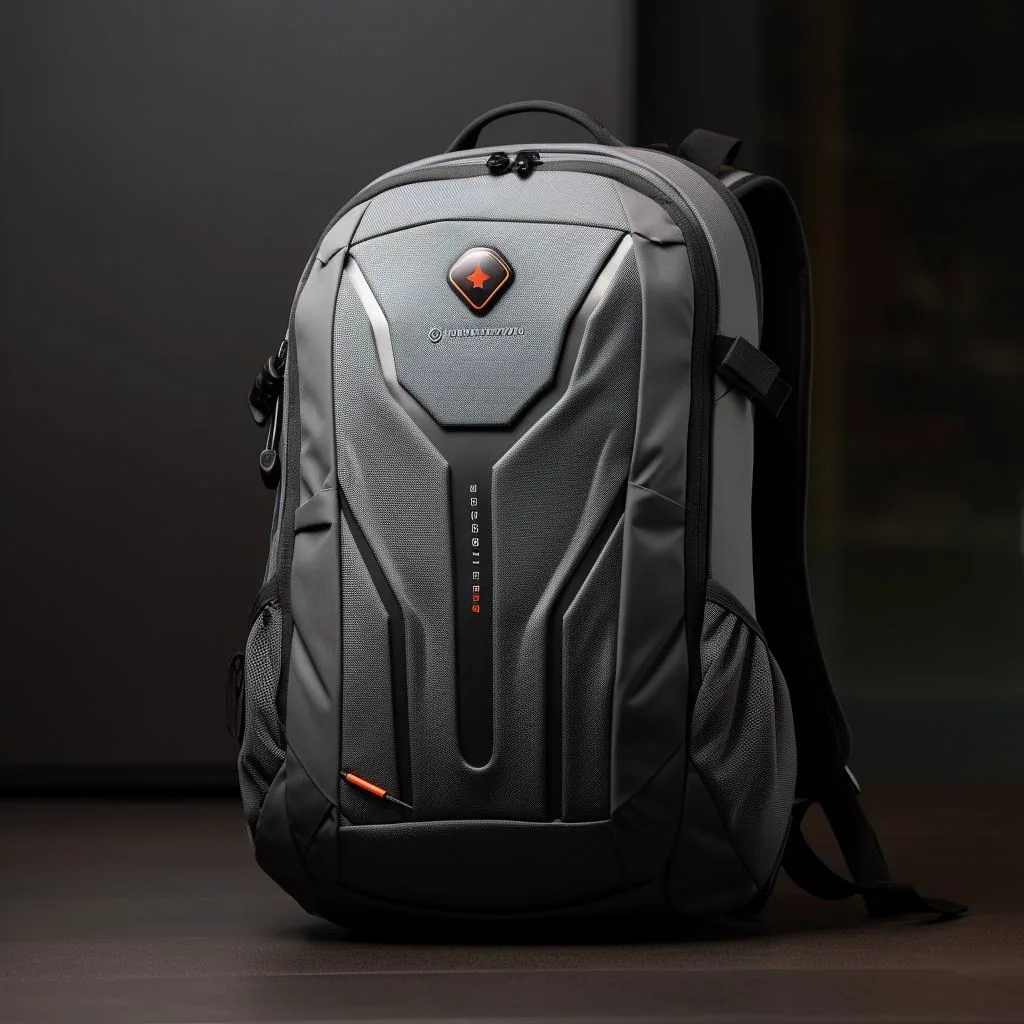
Hardware substitution is the single most common silent change in bag programmes, because buckles, sliders and cord ends look near-identical and cost a few pence less to buy in. Record each component with a supplier code and finish code, photograph it at close range against a ruler, and file the image beside your sign-off sheet. Then specify the things that actually vary: zip chain gauge, usually #8 or #10 for a main opening, whether the chain is reverse-coil for a flatter face, slider type, and the plating or anodising finish on the puller. Substitution here barely moves unit price, which is precisely why it survives so long unnoticed.
Test rather than look. Write pull performance targets in numbers: a 25 mm acetal side-release buckle should hold comfortably above 60 kgf in-line, and the webbing it grips should be the part that fails first. For load-bearing webbing, state a minimum breaking strain and verify it with ASTM webbing tensile testing rather than accepting a supplier certificate at face value. Finish with a 24 hour salt spray result for any plated part on packs sold into coastal, marine or heavy winter-use markets. Winter grit and coastal air expose thin plating within a season of genuine use, and those complaints arrive long after the goods were paid for.
Log chain gauge, slider model, finish code, pull strength target and salt spray hours for every metal or plated component. One photograph per part against a ruler ends most later arguments.
Construction, Seams and Stitch Density
Turn the bag inside out before judging anything else. Count stitch density at three separate points: a straight run, a tight curve and a stress point. Record it in stitches per centimetre rather than per inch to avoid conversion arguments, since most shell work sits at 3 to 4 per cm. Look for bar-tacks or box stitches at every strap root, carry handle join and hip belt attachment, and confirm the thread is bonded nylon at a Tex size matched to the fabric weight rather than whatever was loaded on the machine that morning. Counts taken around a curve almost always differ from those on a straight run.
Seam allowance should be 10 mm minimum along load paths, and every raw edge needs binding or overlocking. On water-resistant builds, establish early whether the plan is seam taping or a drop liner, because a simply sewn seam leaves thousands of needle holes that no coating will hide. Finish with a practical test: hang 15 kg from the harness for 60 seconds and inspect every joint afterwards. Failures rarely appear in the middle of a stitch line; they appear at the point where the stitch line stops. Photographing each joint before and after the pull takes two minutes and settles any later argument about whether the damage pre-dated packing.
- 3-4 stitches per cm on shell seams, recorded not estimated
- Bar-tack at every strap root, handle join and belt attachment
- Minimum 10 mm seam allowance on load-bearing paths
- All raw edges bound or overlocked before final assembly
- 60 second static load test at 15 kg before any signature
Carry Comfort: Testing Fit on Real Bodies
Approve fit loaded, never empty. Fill to the realistic working weight for the intended use case, which means 8 to 10 kg for a commuter or office bag and 12 to 15 kg for trade and technical builds. Use dense filler such as sealed sandbags or weighted blocks instead of clothing, because clothing settles, shifts during the test and flatters every harness. Test on at least three torso lengths too, typically 43 cm, 48 cm and 53 cm measured from C7 to the iliac crest, since a harness that suits one body type hides pressure points on another. Add a fourth wearer where a style targets a wide size range rather than one narrow customer profile.
Run a 30 minute walk test and then look at what the body tells you. Redness across the top of the trapezius means the load lifters are doing no work. Marks at the front of the shoulder mean the strap curve is wrong for that chest width. A pack that swings side to side on stairs needs a sternum strap and probably a hip belt as well. Record strap width, padding thickness and where the top of the panel sits relative to the wearer's shoulder line, then compare those figures against the approved tech pack. Those recorded measurements then become the fit benchmark for every repeat run of the same style.
Performance Testing Before You Sign Off
A sample that survives your desk can still fail a retailer's technical audit. Book laboratory testing for the markets you actually sell into before you sign. A baseline package for a UK-bound pack usually covers colourfastness to rubbing and to light, abrasion resistance, tensile and tear strength, and either zip reciprocation or slider pull life, with extra safety screening added for any children's range. AATCC test methods answer most colourfastness and appearance-retention questions and are widely accepted by UK retailers. Asking which standards your retailer accepts before booking avoids paying for the same work twice and shortens their technical file review.
Budget using realistic numbers. Individual tests commonly land between £60 and £180 depending on whether you need expedited turnaround, and most third-party laboratories quote 5 to 8 working days for a standard package. Chemical screening against the REACH restricted substance list, covering azo dyes, nickel release and phthalates, adds cost but protects you from a forced withdrawal later. Always test the pre-production sample rather than an earlier proto, and file the report with the approval paperwork so it can be reissued to a retailer on request. Filing the report beside the sign-off sheet means the technical file is already assembled the first time a stockist requests it.
Documentation: Matching Sample to Spec Sheet
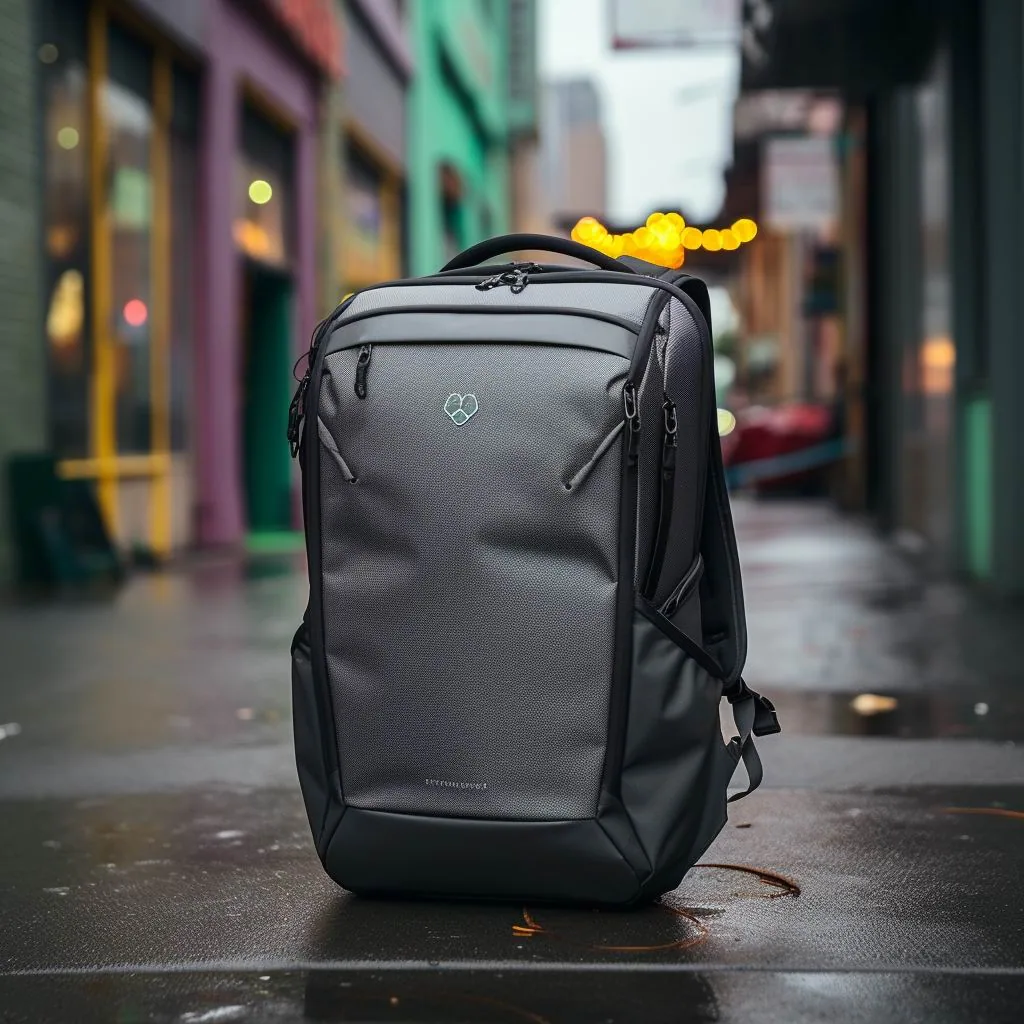
Every approval should end with a written sheet that somebody else could pick up six months later and understand without a phone call. It needs the style number, revision letter, colourway codes, date, a full measurement sheet with tolerances, the BOM carrying component codes, photographs of front, back, base and interior, and an explicit list of everything that deviates from the original tech pack. Tolerances matter more than most buyers expect: agree ±5 mm on linear dimensions under 300 mm and ±10 mm above that threshold. Without agreed figures, every later conversation becomes a matter of opinion rather than a matter of record.
Version control is where programmes quietly lose money. Number every revision and make sure the physical sample carries that number too, whether through a sewn label, a printed code on the retail tag or a dated photograph of both together. When a change is agreed verbally at a show or during a call, write it into the specification within 24 hours and issue the next revision letter. Anything left unwritten simply will not appear in bulk, and there will be no record to argue from. Signed copies should sit with both parties, so neither side argues from a version the other never actually saw.
- Style number, revision letter and dated approval signature
- Measurement sheet with agreed numeric tolerances
- BOM listing supplier and finish codes for every component
- Photographs of four exterior faces plus the interior
- Explicit note of every deviation from the original tech pack
Decision Rules: Accept, Revise or Reject
Classify your findings so that the decision stops being emotional. Critical findings make the bag unsafe, illegal or unsellable: a buckle below load rating, a chemical result outside limits, a sharp edge on accessible metal. Major findings are what a customer notices and returns: colour outside tolerance, a missing bar-tack, misaligned print, a zip that catches. Minor findings are cosmetic issues a customer may see but would probably not bother returning, such as a slightly uneven topstitch line inside a pocket. Sorting findings this way also stops one cosmetic issue blocking an acceptable sample, and stops a serious one hiding behind six small complaints.
The rule worth adopting is uncomplicated. Any critical finding blocks approval outright regardless of how strong the rest of the sample is. Any major finding in a random pull of the sample set blocks approval too. Minor findings are logged with a named corrective action and a date, and do not stop the programme. What must never happen is approving on the basis that something will be sorted in production; sorting happens in writing, carries a revision letter, and is confirmed on a further sample. Each revision spends courier time and schedule slack, so make every round count instead of collecting them.
- Sort every observation into critical, major or minor
- Reject on any critical finding, without exception
- Reject on any major finding within the reviewed set
- Log minor findings with owner, action and completion date
- Never carry a verbal correction into bulk production
After Approval: Gold Seal, Grading and Bulk
Once a sample passes, seal it. Produce two identical gold seal units: one returns to the production team, one stays with the brand owner or their UK office. Each should be signed, dated, boxed and protected from daylight, and neither should ever be pulled out as a showroom or showpiece sample. On larger programmes add a third for the inspecting office. Bulk has to match that gold seal within the agreed tolerances, and every later dispute is resolved against the physical reference rather than a photograph taken at the time. Seals boxed flat in low light stay usable for several seasons; units hung on a showroom hook do not.
Bulk then settles into its own rhythm: 35 to 50 days from approval depending on fabric lead time and how the line is loaded, with inspection running to AQL 2.5 under ISO 2859-1. Shipments normally move FOB Xiamen on T/T 30/70 terms, which means the deposit clears before work starts and the balance before release of documents. Worth noting that dampness, crushed cartons and scuffed outer boxes recorded at delivery are packaging failures rather than product failures, another reason the PP sample should already have been packed retail-ready. Both are far cheaper to prevent at carton specification stage than to argue about once unloading has finished.
Frequently Asked Questions
How long should a backpack sample approval take?
For one style and colourway, plan 45 to 60 minutes with a written checklist, plus 3 to 5 working days if you book laboratory tests. Round trips add time: 6 to 10 working days for standard builds and 12 to 15 where the structure is complex. Most delay comes from rewriting the specification after the review rather than from reviewing itself, so prepare the revised tech pack before your sign-off meeting.
What is a gold seal sample and why do I need two?
A gold seal is the approved reference unit that bulk must match. Produce at least two identical pieces from the PP run: one goes back to the production team, one stays with the brand owner or their UK office. Both are signed, dated and boxed, and neither is ever used as a showroom sample. When a shipment is disputed, inspection compares bulk units against the seal within agreed tolerances rather than against a photograph or a memory.
What stitch density should a backpack have?
Most shells sit at 3 to 4 stitches per centimetre, roughly 8 to 10 per inch, and the figure should be recorded in stitches per centimetre to end conversion arguments. More stitches look flatter but perforate coated fabric, so very dense seams can leak. Check the count at three points: a straight run, a tight curve, and a stress point such as a strap root, which should carry a bar-tack or box stitch as well.
Should I approve the sample before or after laboratory testing?
Test before signing, and always against the pre-production sample rather than an earlier proto. Standard packages take 5 to 8 working days and single tests often cost £60 to £180, so book the work when you request the PP sample to avoid idle time. Put REACH chemical screening for azo dyes, nickel release and phthalates into the same submission, because a late failure forces another full round.
How many faults should block a sample approval?
Use three classes. Any critical finding, such as a buckle below load rating, a sharp edge or a chemical failure, blocks approval outright. Any major finding within the reviewed set also blocks it, because major means the customer notices and returns the bag. Minor cosmetic findings can be logged with a corrective date. Never carry a verbal promise into bulk: write the change, issue the next revision letter, and approve the revised sample.
What is the difference between a proto sample and a PP sample?
A proto answers whether the design works, and may use substitute fabric, hand-cut foam and temporary hardware as long as all of it is listed. A pre-production sample answers whether bulk will match. It should be cut from the intended fabric lot, assembled with production jigs or on the planned line, and finished with the real branding and retail packaging. Approving bulk from a proto is the most common route to inconsistency.
How do I stop hardware substitution in bulk?
Record every part with supplier and finish codes in the tech pack, photograph each one against a ruler, and require written notice plus a fresh sample before anything changes. Check delivered goods against those photographs rather than against memory. Annex a physical buckle and slider to your gold seal file, and specify load ratings instead of brand names, because brands change product lines far more often than written specifications do.
What colour tolerance is acceptable on backpack fabric?
Most UK retailers accept ΔE below 1.0 for main panels judged against the reference under D65 lighting, with slightly looser tolerance for webbing, binding and lining where repeat runs are harder. Check dark colourways separately for rubbing, because crocking usually shows itself before a laboratory result arrives. Always approve under controlled lighting; fluorescent warehouse tubes hide blue shift and make greens read warmer than they truly are.
Can I approve a backpack sample from photographs?
Only for repeat runs of an unchanged style where you already hold the gold seal and simply need lot confirmation. Photographs cannot show stitch density, seam allowance, foam compression or zip smoothness, and they hide hand-feel differences entirely. If budget forces remote working, request a live video walk-through with a ruler held to camera and ask for a shipped duplicate as well, retaining one reference unit from every production lot.
How much does third-party backpack testing cost in the UK?
Expect £60 to £180 for a single test depending on whether expedited turnaround is needed, and roughly £400 to £700 for a baseline package covering colourfastness, abrasion, strength and zip performance. Chemical screening adds several hundred pounds on top. Most laboratories quote 5 to 8 working days for standard work. Volume matters too: submitting eight styles together is usually cheaper per line than eight separate requests.
What should be written on a sample approval sheet?
Style number, revision letter, colourway codes, date, a measurement sheet with numeric tolerances, the BOM with component codes, photographs of the front, back, base and interior, and every deviation from the original tech pack. Write tolerances as figures rather than adjectives: ±5 mm below 300 mm, ±10 mm above. Add the named approver and the seal numbers used. Anything agreed verbally should be reissued as the next revision within 24 hours.
Turn This Checklist Into Your Own Scorecard
The twenty checks above work best once rewritten as a one-page scorecard you reuse every season: six blocks, twenty lines, a pass or fail column, a photograph reference number and a signed date. Scorecards shorten internal argument as well, because everyone discusses the same written line rather than their recollection of what the meeting agreed.
QUANZHOU JUNYUAN BAGS develops private-label and branded bag programmes for UK buyers from a site established in 2014, coordinating production across 7 production lines with 4,950 m² of SGS-verified production floor space and 137 colleagues. Sampling runs 6 to 10 working days on standard builds and 12 to 15 where construction is complex, with bulk at 35 to 50 days, minimum 500 pcs per style and colourway, FOB Xiamen, T/T 30/70.
Email: service@junyuanbags.com
WhatsApp: +86 177 5002 0688