Best Backpacks for UK Festival Camping: The Gate, the Walk-In and 96 Hours in a Field
A festival backpack is not a hiking pack and not a travel pack. It has to satisfy three jobs that pull in different directions: get through a security lane in under two minutes, carry four nights of kit from a car park that is typically 400 m to 1.2 km from the campsite, and then survive 96 hours in a field that may be dust in June and standing mud in July. Thirty to forty-five litres in the main pack, plus a packable day bag for the arena, is the combination that handles all three without compromise.
This guide starts at the gate, because a bag that fails there never gets used, then works through the walk-in, the mud system and the power arrangements that matter once cashless wristbands are the only way to pay. It closes with the theft pattern in tented campsites, the sleep kit people regret leaving behind, and the fabric and hardware specification for a pack that comes home covered in mud and gets hosed down rather than washed.
The Three Jobs a Festival Pack Has to Do
The first job is the gate. Security lanes at major UK festivals process thousands of people an hour, which means the bag is opened once, quickly, and anything that slows that process down works against you. Layout beats capacity here: a pack with one big cavity needs everything emptied, while a pack with a clear top pocket holding liquids, a front organiser for tickets and a separate base compartment for footwear gets through in one pass. The second job is the walk-in. Car parks at the larger UK sites sit 400 m to 1.2 km from the camping fields, and the walk is over grass, usually in one trip, with a tent, a sleep system and four days of clothing.
The third job is the one nobody plans for: the pack lives in a tent for four nights and gets used as a pillow, a seat, a bin liner and a doorstop. It sits on wet grass, takes spilled drinks, gets covered in dust or mud depending on the weather, and is then carried home and shoved in a cupboard until next year. A pack that survives this is specified differently from one designed for a day walk. Coated fabric that can be hosed off, a liner that can be removed and washed, and hardware that tolerates grit are the three things that decide whether the bag is still usable in year three rather than year one.
- Gate: one-pass layout beats extra capacity
- Walk-in: 400 m to 1.2 km, usually in a single trip
- Field: the pack becomes a pillow, a seat and a mud magnet
- Specify coated fabric that can be hosed off, not hand washed
Passing the Gate: What Security Actually Checks
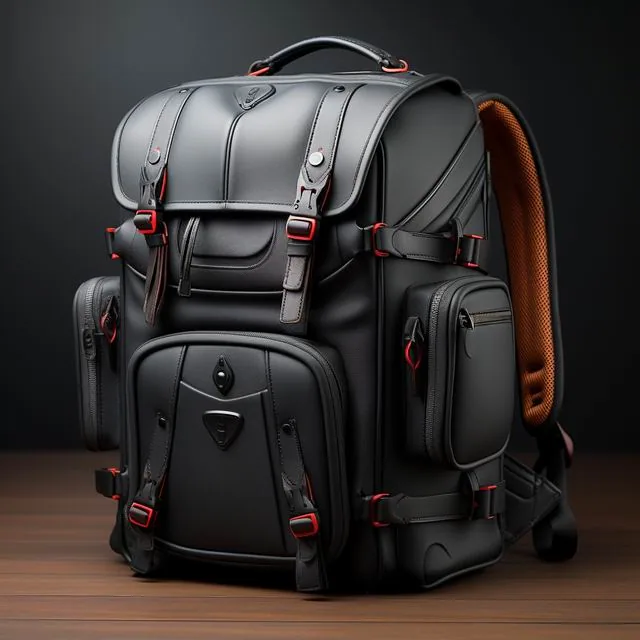
Festival security policies vary by site, so check the specific event before you travel, but the recurring rules are consistent enough to pack around. Glass is banned almost everywhere. Most major UK sites permit sealed, unopened soft drinks and water up to 500 ml, while some allow more and a few ban drinks entirely, so the safe default is empty reusable bottles filled at the on-site water points. Aerosols over 250 ml, anything with a naked flame, umbrellas with pointed tips, professional cameras with detachable lenses and drones appear on most prohibited lists. Bag searches are visual and tactile, and a bag that can be opened and re-closed in one movement gets processed fastest.
The practical layout puts the liquids and any aerosols in a top pocket that can be lifted out and shown, tickets and ID in a front organiser, and footwear or the sleep system in a separate base compartment so security does not have to see the bottom of the main cavity. Avoid packing anything sharp, including the tent pegs, in an outside pocket where a hand search will find it; pegs go in a hard case inside the main compartment. Keep the phone, wristband and a small amount of cash in a hip belt pouch or a body pouch rather than the lid pocket, because the arena is where the crowding happens and the lid pocket is the first place an opportunistic hand goes.
- Empty reusable bottles rather than sealed drinks; fill at water points
- Tent pegs in a hard case inside the main compartment, never an outside pocket
- Liquids and aerosols in a top pocket that lifts out in one movement
- Phone, wristband and cash in a hip belt or body pouch, not the lid
The Walk-In: Carrying Everything 400 m to 1.2 km
The walk-in is the heaviest carry of the weekend and the one that decides what you can bring. A typical four-night load is: a 2-3 person tent at 3-5 kg, a sleeping bag at 1.2-2 kg, a sleeping mat at 0.5-1 kg, four days of clothing at 2-3 kg, a wash kit at 0.5-1 kg, plus water at 2 kg and food. That is 10-14 kg before the pack itself, carried over grass in one trip. Backpacking it all is technically possible with a 65-litre pack but it is a poor plan, because the tent is awkwardly shaped and the pack then has no useful role for the rest of the weekend.
The better method is a two-item carry. Strap the tent and the sleeping mat to the outside of a 40-45 litre pack using the compression straps, or carry them in one hand with a handle, and keep the pack for clothing, wash kit, water and food at around 8-10 kg. That keeps the pack's centre of mass close to the back, which is what makes a grass carry with a soft surface survivable. Shoulder straps of 60-75 mm with 8-12 mm foam and a padded hip belt 40-70 mm wide are the minimum specification for a 10 kg carry, and a sternum strap stops the load shifting when the ground is uneven underfoot.
| Item | Weight | Where it goes |
|---|---|---|
| Tent, 2-3 person | 3-5 kg | Strapped outside or carried by handle |
| Sleeping bag and mat | 1.7-3.0 kg | Mat outside, bag in the base compartment |
| Clothing for 4 days | 2-3 kg | Main compartment |
| Water, 2 litres | 2.0 kg | Main compartment, close to the back |
| Wash kit and food | 1.0-2.0 kg | Top pocket and front organiser |
Volume: 30-45 Litres Plus a Packable Day Bag
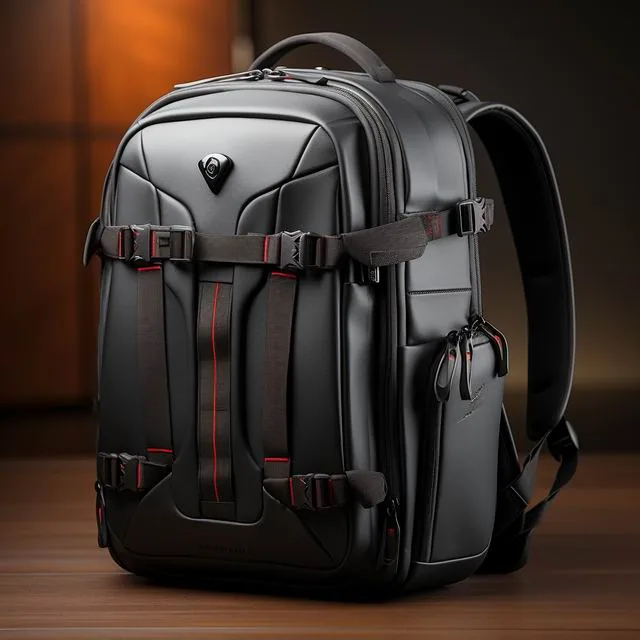
Thirty to forty-five litres in the main pack covers four nights when the tent travels outside it. Thirty litres works for a solo traveller with a compact one-person tent and a summer bag; forty-five litres is the choice for a couple sharing a larger tent where one person carries the shelter and the other carries the bedding. Above 45 litres the pack becomes difficult in the arena, and the arena is where you spend most of the weekend. The main pack's real job after the first hour is to be a secure, weatherproof wardrobe and storage unit that happens to be portable.
That is why the packable day bag matters so much. A 12-18 litre sack weighing 80-150 g folded carries a waterproof, a layer for the evening, a water bottle, the phone, a power bank and any purchases around the arena, and it folds into a jacket pocket when empty. It also solves the security problem: most sites ban large bags from arena areas, and a 45-litre pack is a large bag. Leaving the main pack secured in the tent and carrying the day sack is faster, more comfortable and less exposed to theft than dragging everything around the site for four days.
Most UK festivals restrict bags in arena and stage areas, commonly to around A4 size or roughly 20 litres. Check the specific site policy before travelling, and plan on the main pack staying in the tent after the first day.
The Mud System: Liners, Dry Bags and Bin Bags
British festivals in a wet year are defined by mud, and mud defeats backpacks in a specific way: it does not wash out of open-cell foam or of the webbing weave. The defence is layered. Inside the pack, a removable liner or a set of dry bags keeps clothing dry even if the shell is soaked; a 10-15 litre dry bag for clothing and a 4-6 litre one for electronics covers a four-day trip. Outside, keep the pack off the ground in the tent by hanging it from a guy line or putting it on a folded groundsheet rather than on the tent floor, where condensation and seepage collect first.
Footwear is the other half of the system. A separate base compartment of 8-12 litres, TPU or PU lined with a drain grommet, keeps muddy boots away from clean clothing and lets you hose the compartment out at the end of the weekend. If the pack has no such compartment, heavy-duty bin bags are the field expedient: one inside the pack as a liner, one for the boots, one to sit the pack on. Take spare bin bags. They weigh 20 g each, they become a seat, a poncho, a laundry bag and a rubbish bag, and they are the single most useful item at a festival after the tent itself.
- Line the pack with a bin bag or a dedicated liner before you leave home
- Use a 10-15 litre dry bag for clothing and a 4-6 litre one for electronics
- Hang the pack in the tent rather than leaving it on the floor
- Hose the base compartment out on the day you get home, not in October
Staying Powered and Cashless for Four Days
Most UK festivals have been cashless since the early 2020s, which simplifies packing in one way and complicates it in another. You carry less cash and more electronics, and the electronics all need charging from a power bank rather than a socket. A 10,000 mAh bank gives roughly two to three full phone charges; a 20,000 mAh bank gives four to six but weighs 350-450 g against 200-250 g. For a four-day festival with heavy camera and navigation use, 20,000 mAh shared between two people is usually the right balance, carried in the day bag during the day and in the pack at night.
Cold and wet accelerate battery drain, so keep the phone in an inside pocket close to the body rather than an outside mesh pocket where it gets rained on, and switch to aeroplane or low-power mode when signal is poor; a phone hunting for signal in a field with 60,000 other phones will lose 30-40 per cent of its charge in a few hours. Take a short 0.3-0.5 m USB-C cable rather than a 2 m one, since a long cable inside a day bag tangles and strains the connector. Lockers with charging are available at most major sites at roughly GBP 20-40 for the weekend, which is worth it if you are carrying a camera.
Anti-Theft in a Tented Campsite
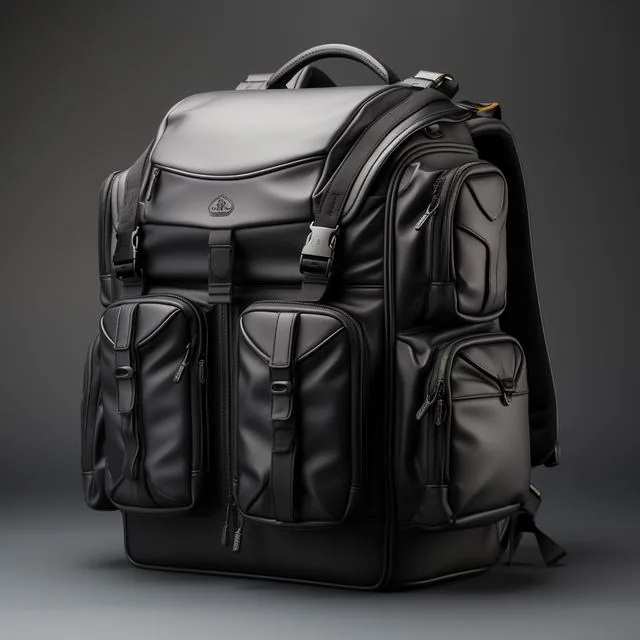
Tent theft at UK festivals is a known and quantified problem: the majority of incidents occur during the evening and early morning when the campsite empties into the arena, and the items taken are overwhelmingly phones, wallets and cash rather than camping equipment. A tent is a soft target by design, so the realistic objective is not to make the tent secure but to make sure nothing valuable is ever left inside it. Everything worth more than about GBP 50 goes into a body pouch or a belt wallet, or into a paid locker, whenever you leave the campsite for the arena.
Two habits do most of the work. First, keep the pack inside the sleeping area rather than the porch, and clip it to a tent loop with a small cable lock if the site has had problems. Second, split the risk: leave one card and some cash in a separate place from the phone, so a single loss does not end the weekend. Photograph the tent and its location, since campsites of 5,000-30,000 tents look identical at 01:00 in the rain, and a photo with a landmark is worth more than any description. Report losses to the site security point on the day, not after the weekend.
- Assume the tent is not secure; carry valuables on your body
- Theft peaks in the evening as campsites empty into the arena
- Clip the pack to a tent loop with a small cable lock overnight
- Split cards and cash between two locations, and photograph your tent
Sleep: The Pack as Pillow and the Kit You Regret Not Bringing
The pack's final job is to be a pillow, and it is genuinely good at it if you plan for it. A 40-litre pack stuffed with the spare clothing you are not wearing makes a pillow roughly 250 mm high, which suits a side sleeper on a 40-70 mm sleeping mat. Pack a dedicated stuff sack for the clothing you intend to use as a pillow so it does not get mixed with clean kit, and keep that sack at the top of the pack rather than buried. Earplugs rated to 25-30 dB and a proper eye mask are worth more than any other comfort item, because campsite noise routinely reaches 60-70 dB until 02:00.
The items people most often regret not bringing are mundane. Wet wipes, 1-2 packs, which substitute for a shower for four days. A head torch at 80-150 lumens, because finding a tent in the dark without one is genuinely difficult and a phone torch flattens the battery you need for the day. A small first aid kit with blister plasters, since the walk between campsite and arena adds up to 8-15 km over a weekend. A folding water carrier of 5-10 litres, because the queue at the water point is shorter at 07:00 than at midday. And a spare pair of dry socks kept sealed in a dry bag for the last morning.
Specifications and Promotional Pack Programmes
Promotional and merchandise packs are a major part of the festival category, and the specification that decides whether one survives the weekend is the coating and the base panel. A 600D polyester body with a polyurethane backing hoses clean; an uncoated canvas does not, and it stays damp long enough to mildew in a packed tent. Abrasion resistance should be measured to ISO 12947 at 20,000 cycles or more under 12 kPa, with tensile strength verified to ASTM D5034 at 600 N or above in the warp, because a branded pack that fails on day two generates a complaint rather than a repeat order.
Commercial terms for a programme of this type are a MOQ of 500 pcs per style and colourway, sampling in 6-10 working days for a standard build and 12-15 working days where the construction is complex, and bulk production of 35-50 days from approval, shipped FOB Xiamen on T/T 30/70 with inspection at AQL 2.5 under ISO 2859-1. QUANZHOU JUNYUAN BAGS, a sourcing and programme-management company established in 2014, coordinates programmes across a 4,950 m² SGS-verified production floor space with 137 colleagues and 7 production lines. For festival merchandise the two decisions that matter most are the branding method and whether the pack includes a wet compartment, since that single feature determines whether it gets used again.
Frequently Asked Questions
What size backpack do I need for a UK festival?
Thirty to forty-five litres for the main pack, with the tent strapped outside it, plus a 12-18 litre packable day bag for the arena. Thirty litres suits a solo traveller with a compact tent; forty-five suits a couple where one person carries the shelter. Most sites restrict bags in arena areas, so the day bag earns its place. Arena bag limits at most UK sites sit around 20 litres, which is why the second bag matters.
Can I take drinks into a UK festival?
Usually yes, within limits, but check the specific site policy before travelling. Most major UK festivals permit sealed, unopened soft drinks and water up to 500 ml and ban glass entirely; some allow more and a few ban drinks. The safe default is an empty reusable bottle filled at on-site water points, which are free at most sites. Water points are free at most major sites, so the reusable bottle pays for itself by the first afternoon.
How do I stop my backpack getting ruined by mud?
Layer it. Line the pack with a bin bag, use a 10-15 litre dry bag for clothing and a 4-6 litre one for electronics, and hang the pack inside the tent rather than leaving it on the tent floor. Mud does not wash out of open-cell foam or webbing weave, so keeping it off the pack beats cleaning it afterwards.
What power bank do I need for a four-day festival?
A 20,000 mAh bank shared between two people, weighing 350-450 g and giving four to six full phone charges. A 10,000 mAh unit at 200-250 g gives two to three. Cold, wet conditions and poor signal accelerate drain, so use low-power mode and keep the phone in an inside pocket close to the body rather than outside. Charging lockers cost roughly GBP 20-40 for the weekend and are worth it if you carry a camera.
How far is the walk from the car park to the campsite?
Typically 400 m to 1.2 km at major UK sites, over grass, usually in one trip. A four-night load runs 10-14 kg including a tent at 3-5 kg and a sleeping bag at 1.2-2 kg. Strap the tent outside the pack and keep the pack itself at 8-10 kg so the centre of mass stays close to your back. A folding trolley or sack truck turns the walk-in from two trips into one at most UK sites.
How do I stop my phone being stolen at a festival?
Carry it on your body in a belt wallet or body pouch rather than in a backpack lid pocket or in the tent. Tent theft peaks in the evening as campsites empty, and the items taken are phones, wallets and cash. Paid lockers with charging cost roughly GBP 20-40 for the weekend at most major UK sites. Report any loss to the site security point on the day, since recovery after the weekend is unlikely.
Can I take a large backpack into the festival arena?
Usually not. Most UK festivals restrict bag size in arena and stage areas, commonly to around A4 size or roughly 20 litres. Plan on leaving the main pack secured inside the tent and carrying a 12-18 litre packable day bag with a waterproof, a warm layer, water, the phone and a power bank instead. Check the specific site policy before travelling, since the permitted size varies by event and stage.
What should I pack for sleeping at a festival?
A sleeping bag, a mat of 40-70 mm, earplugs rated to 25-30 dB and a proper eye mask. Campsite noise routinely reaches 60-70 dB until 02:00. Stuff spare clothing into a dedicated sack to use as a pillow, which gives roughly 250 mm of height for a side sleeper, and keep dry socks sealed for the last morning. A 40-70 mm sleeping mat suits most people; below 25 mm the ground chill becomes the limiting factor.
What is the most useful thing to pack for a festival?
Heavy-duty bin bags. They weigh about 20 g each and become a pack liner, a boot bag, a seat, a poncho, a laundry bag and a rubbish bag. After the tent itself they are the item most festival-goers wish they had brought more of, particularly in a wet year when everything needs keeping off the ground. Take at least six, since they serve as a liner, a seat, a poncho and a rubbish bag over four days.
Should I take a backpack with a shoe compartment to a festival?
Yes, if it has a TPU or PU-lined base compartment of 8-12 litres with a drain grommet. Keeping muddy boots away from clean clothing is the single most useful feature on a wet weekend, and the compartment hoses out at the end. Without one, heavy-duty bin bags give most of the same separation for 20 g. Hose the compartment out on the day you get home, before the mud dries into the fabric weave.
How much does a four-night festival load weigh?
Roughly 10-14 kg in total: tent 3-5 kg, sleeping bag 1.2-2 kg, mat 0.5-1 kg, clothing 2-3 kg, wash kit and food 1-2 kg, water 2 kg. Strap the tent and mat outside the pack and keep the carried pack at 8-10 kg, which suits shoulder straps of 60-75 mm with a padded hip belt. Shoulder straps of 60-75 mm with 8-12 mm of foam suit that load across a 1.2 km grass carry.
What fabric specification suits a festival backpack?
A 600D polyester body with a polyurethane backing that hoses clean, abrasion tested to ISO 12947 at 20,000 cycles or more under 12 kPa, tensile strength to ASTM D5034 at 600 N or above, plus a TPU-lined wet compartment with a drain grommet and grit-tolerant reverse-coil zips with storm flaps. A coated base panel that hoses clean matters more than any other single feature at a wet festival.
Developing a Festival Pack for Your Range
Festival packs live or die on two specifications that never show up in a sample photograph: whether the coating hoses clean after four days in a field, and whether there is a lined wet compartment separating muddy boots from clean kit. Both belong in the tech pack before the first sampling round. Standard terms for a programme of this kind are a MOQ of 500 pcs per style and colourway, 6-10 working days for sampling (12-15 for complex builds), 35-50 days for bulk, inspection at AQL 2.5 under ISO 2859-1, FOB Xiamen and T/T 30/70.
QUANZHOU JUNYUAN BAGS, established in 2014, is a sourcing and programme-management company coordinating a 4,950 m² SGS-verified production floor space with 137 colleagues and 7 production lines. Our production team will review a tech pack or a reference sample and return costed options covering coating, wet compartment design and the branding method that survives a hosedown.
Email: service@junyuanbags.com
WhatsApp: +86 177 5002 0688