How to Choose the Right Bag for Every Occasion
Most men own the wrong bag for most of their activities. They carry a faded university backpack to client meetings, haul a leather briefcase to the gym, or lug a 65-litre hiking pack on a weekend city break. Each mismatch creates friction: the professional impression undermined by a student bag, the shoulder strain from an inappropriate briefcase, the impracticality of an oversized pack for urban exploration. Choosing the right bag for each occasion is not about owning a collection; it is about making deliberate decisions that match your bag to your activity, your body, and your personal style.
This guide provides a decision framework for selecting the ideal bag across every major occasion in a man's life. From the daily office commute to weekend hiking adventures, from business travel to formal events, each scenario has specific requirements that a well-chosen bag addresses completely. We also introduce the capsule bag concept: a minimal collection of three bags that covers virtually every situation without excess or redundancy.
The Occasion-First Approach: Before choosing any bag, identify the occasion. Then work backwards from the requirements of that occasion to find the bag that serves it best. This approach prevents buying a bag because it looks good online, only to discover it cannot hold what you need or looks out of place where you need to carry it.
The Decision Framework
Every bag choice comes down to four factors: what you need to carry, where you are going, how you are getting there, and how long you need to carry it. Answer these four questions and the right bag type becomes clear.
| Factor | Question to Ask | Impact on Bag Choice |
|---|---|---|
| Contents | What items must fit? | Determines minimum capacity and compartment layout |
| Destination | Where am I going? | Determines style, formality, and security needs |
| Transport | How am I getting there? | Determines comfort features and size constraints |
| Duration | How long will I carry it? | Determines weight distribution requirements |
Occasion 1: The Office
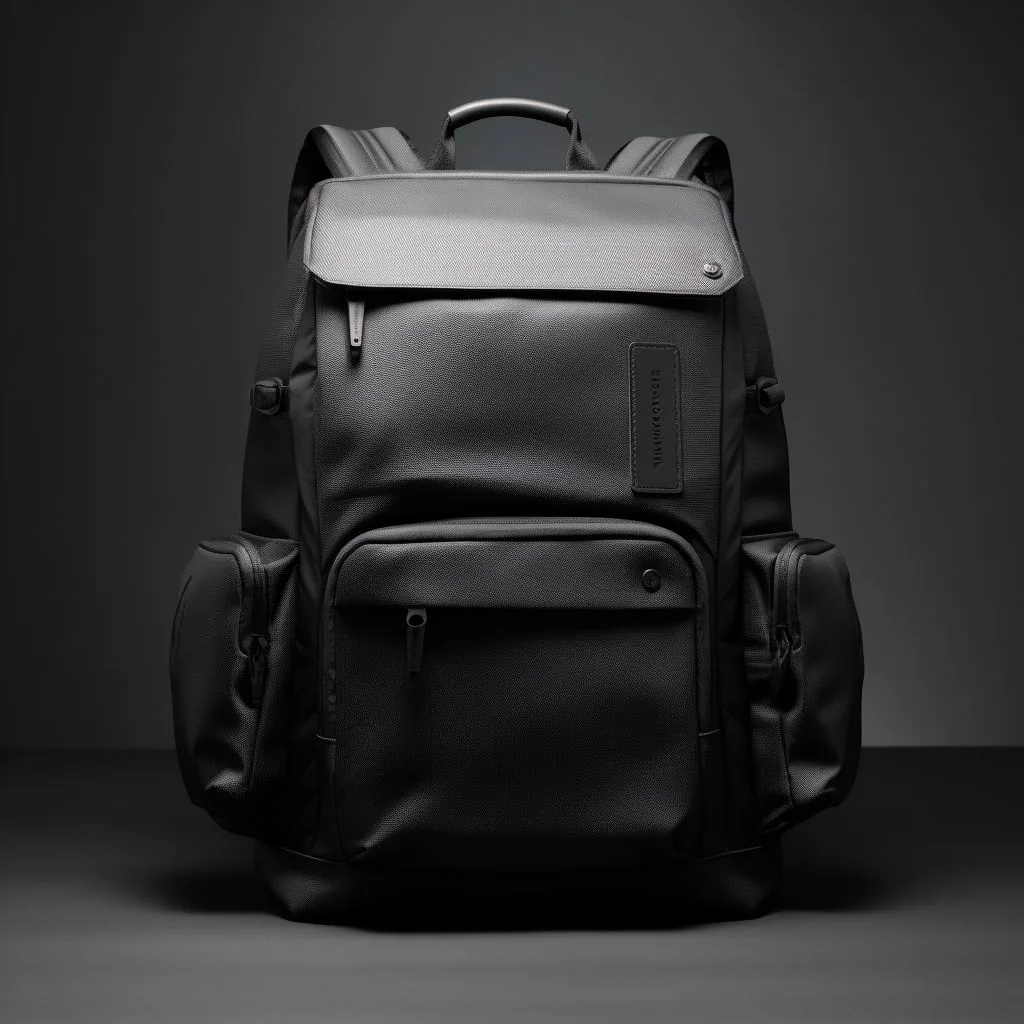
Your work bag is the bag you carry most frequently. It needs to look professional, protect your laptop, organise your daily essentials, and remain comfortable through your commute. A professional backpack in the 20-28 litre range serves most office environments perfectly.
Key Requirements
Capacity: 20-28 litres. Enough for laptop, charger, documents, lunch, water bottle, and a light jacket without looking oversized. Volume is only half the decision, because the shell should also be specified, and ISO 811 gives the hydrostatic figure that separates an office bag that survives a shower from one that does not.
Style: Clean lines, dark colours (black, navy, charcoal), minimal branding. Leather accents or full-grain leather trim elevate the appearance for client-facing environments.
Features: Padded laptop sleeve fitting your device, front organiser panel, water-resistant exterior, padded shoulder straps, and a luggage handle pass-through for travel days.
Alternatives: A slim messenger bag works for shorter commutes with lighter loads. A briefcase suits highly formal environments but sacrifices comfort for weight distribution.
Occasion 2: The Gym
Gym bags need to handle shoes, wet clothes, and toiletries while looking appropriate in a fitness environment. Ventilation is the critical differentiator between a dedicated gym bag and a multipurpose bag that develops persistent odour.
Key Requirements
Capacity: 30-40 litres. Enough for training shoes, clothes, towel, toiletries, water bottle, and accessories without overstuffing.
Style: Athletic aesthetic acceptable. Duffel or backpack styles both work depending on your commute to the gym.
Features: Ventilated shoe compartment, waterproof wet-item pocket, separate clean/dirty sections, and easy-access top pocket for quick-grab items at the gym.
Hybrid option: Many modern backpacks feature ventilated shoe compartments alongside laptop sleeves, making them suitable for both office and gym with a single bag.
Occasion 3: Travel
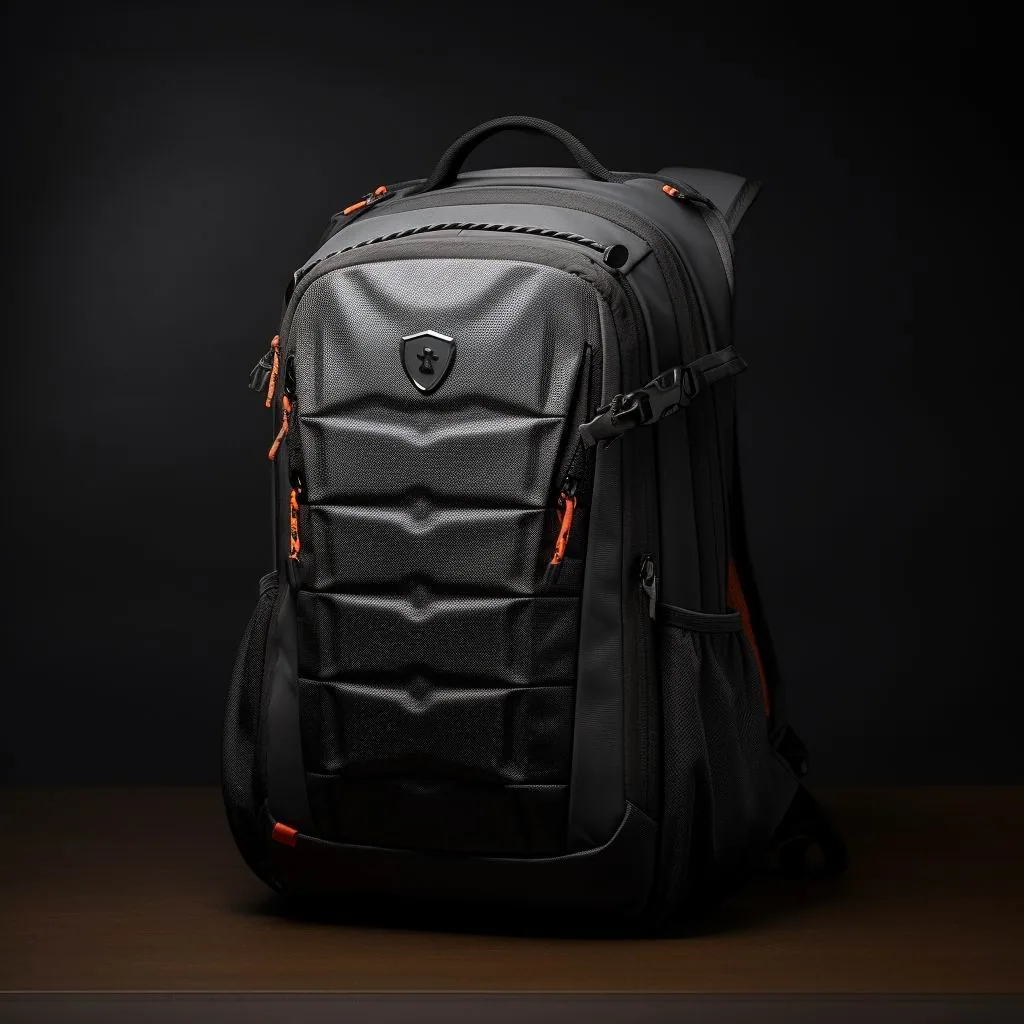
Travel bags must balance capacity, comfort, and organisation while meeting airline size restrictions for carry-on travel. The ideal travel bag maximises usable space within carry-on dimensions.
Key Requirements
Capacity: 35-45 litres for carry-on travel. This fits within most airline carry-on dimensions while providing enough space for a week-long trip with strategic packing.
Style: Versatile design that looks appropriate in both airports and hotels. Neutral colours blend into any environment without marking you as a tourist.
Features: Full-opening main compartment (clamshell or panel-load), multiple compression straps, dedicated laptop compartment, lockable zippers, padded hip belt for heavy loads, and a luggage handle pass-through.
Specialised option: For business travel, a garment-integrated backpack that holds a suit folder and dress shoes separately from daily gear ensures professional appearance upon arrival.
Occasion 4: Hiking and Outdoors
Outdoor bags prioritise function above all else. Suspension systems, weather protection, and attachment points for gear differentiate hiking bags from everyday backpacks.
Key Requirements
Capacity: 20-30 litres for day hikes, 40-65 litres for overnight trips, 65+ litres for multi-day expeditions.
Style: Technical aesthetic acceptable and expected. Colour choices should consider visibility for safety in wilderness environments. Suspension puts repeated stress on the same seams, and ISO 13935-2 is the method laboratories use to confirm a stitched harness attachment will not fail under load.
Features: Internal or external frame for load transfer, padded hip belt (essential for loads over 10kg), hydration sleeve, multiple access points, gear attachment points, rain cover, and breathable back panel.
Fit matters most: A properly fitted hiking backpack transfers 80 percent of weight to your hips, preventing shoulder fatigue and back strain. Get professionally fitted at an outdoor retailer before purchasing.
Occasion 5: Casual and Weekend
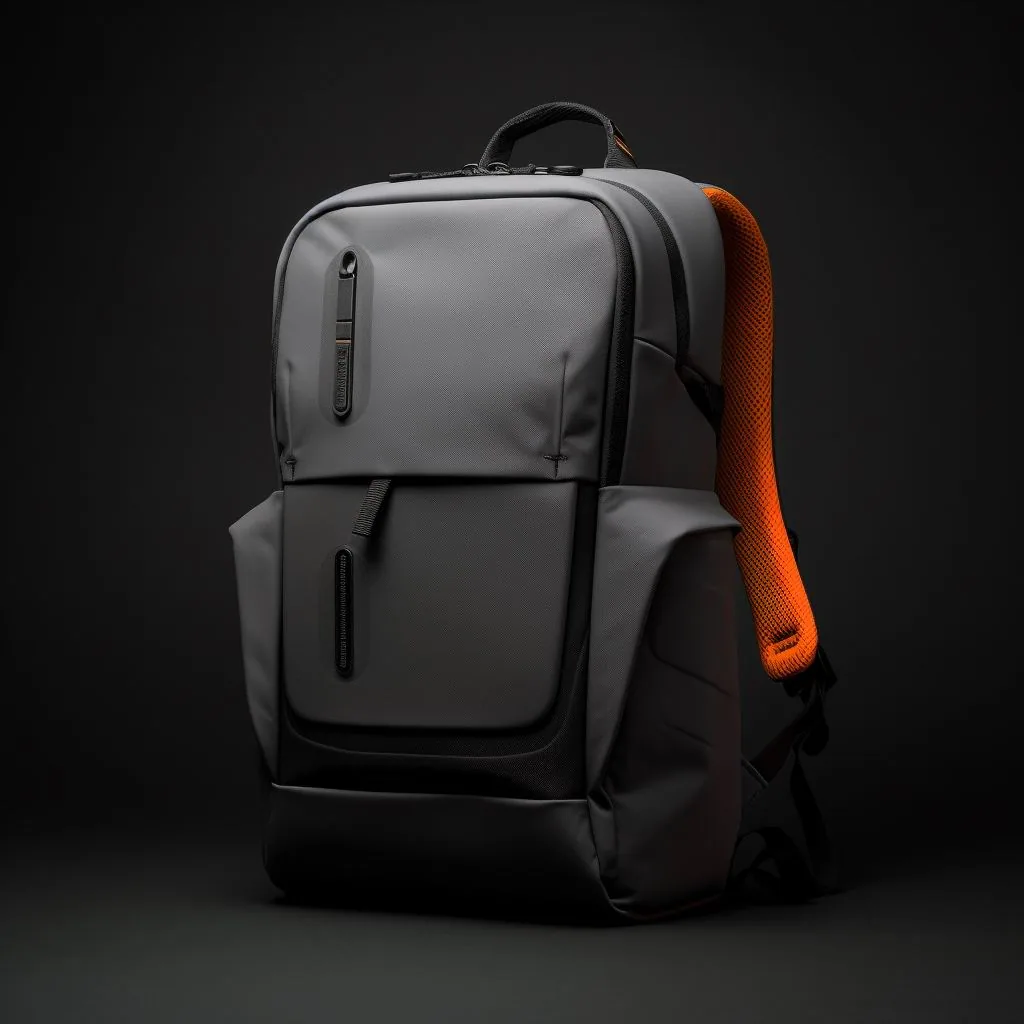
Weekend outings, social events, and casual days require a bag that balances utility with a relaxed aesthetic. This is where personal style plays the largest role in your bag choice.
Key Requirements
Capacity: 15-22 litres. Just enough for wallet, phone, keys, water bottle, light jacket, and anything you pick up during the day.
Style: Maximum personal expression. Canvas, waxed cotton, leather, or technical fabrics all work depending on your aesthetic. Colour and pattern choices reflect your personality.
Features: Quick-access top pocket, comfortable single or dual carry options, water-resistant material, and a design that transitions from morning coffee to evening pub without looking out of place.
Alternatives: A quality messenger bag or sling bag works well for lighter carry needs where a full backpack feels excessive.
Occasion 6: Formal Events
Weddings, galas, award ceremonies, and high-end restaurants have dress codes that extend to your bag. A hiking backpack or gym duffel at a black-tie event creates a jarring visual mismatch.
Key Requirements
Capacity: 8-15 litres. You need just enough for wallet, phone, keys, and perhaps a small gift or programme.
Style: Refined and minimal. Full-grain leather or premium fabric with subtle detailing. Dark colours that complement formal wear. No visible branding, technical features, or athletic styling.
Features: Clean exterior, slim profile that does not distort a suit jacket line, and enough organisation to keep items separated without bulk.
Best options: A slim leather briefcase, a refined leather backpack with minimal hardware, or a high-quality portfolio bag. For the most formal events, consider whether you truly need a bag at all; a jacket with deep pockets may suffice.
The Capsule Bag Concept: Three Bags for Every Situation
Not everyone wants a collection of six or seven bags. The capsule bag concept proposes that three carefully chosen bags cover virtually every situation a man encounters. The key is selecting versatile bags that overlap in their coverage areas, eliminating gaps without creating redundancy.
The Three-Bag System
Bag 1: The Professional (20-28L backpack or messenger) - Handles office days, business travel, client meetings, and formal events. Dark colour, professional materials, laptop protection. This bag earns its place through daily use.
Bag 2: The Utility (25-35L versatile daypack) - Handles gym sessions, casual weekends, day trips, and light travel. Ventilated compartments, comfortable carry, weather resistance. This bag bridges active and casual scenarios.
Bag 3: The Adventure (30-45L technical pack) - Handles hiking, camping, outdoor sports, and extended travel. Proper suspension system, weather protection, gear attachment points. This bag serves any situation where performance trumps appearance.
Together, these three bags cover the office, the gym, the trail, the airport, the weekend getaway, and the formal dinner. No occasion falls outside their combined capability. The total investment of GBP 200-500 across three quality bags provides years of reliable service across every domain of your life.
| Occasion | Best Bag Choice | Why |
|---|---|---|
| Daily office | Professional backpack | Laptop protection, professional appearance, comfort |
| Gym | Utility daypack | Ventilation, wet-item storage, athletic design |
| Business travel | Professional backpack | Carry-on friendly, laptop access, professional look |
| Hiking | Technical adventure pack | Suspension system, weather protection, capacity |
| Weekend casual | Utility daypack | Versatile style, moderate capacity, comfortable |
| Formal events | Professional backpack | Refined materials, slim profile, dark colours |
| Extended travel | Adventure pack or professional | Capacity and comfort for multi-day carry |
| School/university | Utility daypack | Book and laptop capacity, durability, comfort |
Budget Allocation Strategy
How much should you spend on each bag? Allocate your budget based on frequency of use and importance of performance. Your daily bag deserves the largest share because you use it most and it affects your comfort and professional image every single day.
Professional bag (40-50 percent of budget): This bag sees daily use and creates first impressions. Invest in quality materials, comfort features, and professional aesthetics that justify the investment through years of reliable service.
Utility bag (25-30 percent of budget): Important for comfort during active use, but slightly less demanding on materials and appearance. Choose quality construction with features that serve your specific activities.
Adventure bag (25-30 percent of budget): Technical features justify higher prices in this category. A proper suspension system and weather protection are worth the investment if you spend meaningful time outdoors.
Final Recommendation Matrix
When making your final decision, score each bag option against these criteria on a scale of 1 to 5. The highest total score indicates the best bag for your specific needs.
| Criteria | Weight | Why It Matters |
|---|---|---|
| Fits all your essential items | Critical | If it does not fit what you carry, nothing else matters |
| Comfortable for your carry duration | Critical | Discomfort means you will not use it consistently |
| Appropriate for your destination | High | A mismatched bag creates social friction |
| Protects your valuables | High | Laptop and document protection prevent costly damage |
| Durable construction | High | Quality construction extends useful life and cost per use |
| Within your budget | Medium | Quality matters more than price; buy the best you can afford |
| Personal style alignment | Medium | You will use a bag you enjoy looking at more consistently |
Material Specifications That Predict Service Life
Two bags can sit side by side on a shelf, look identical in a photograph, and differ by three years of usable service. The difference lives in the specification sheet, not the image. Shell fabric is the first line to read. Denier expresses the linear mass of a single yarn rather than the strength of the finished cloth, but it remains a reliable shorthand for how a bag will age: a 500D polyester shell comfortably handles the three to five kilogram load of a daily office carry, whereas 1680D belongs on the base panel and lower back of a travel pack that will be set down on airport floors a dozen times a day. Nylon 6.6 costs roughly twenty to thirty percent more than comparable polyester but resists abrasion noticeably better at the same denier, which is why it is specified for the contact points of technical outdoor packs.
Coatings matter as much as the weave. A polyurethane backing of 0.05 to 0.08 millimetres on the reverse face turns a water-resistant fabric into a genuinely showerproof one, and a durable water-repellent finish on the outer face buys the first six to twelve months of beading before it needs renewing with a spray or a wash-in product. Sealed or taped seams are the third element; without them a bag will leak at the stitch line regardless of how good the cloth is. Zips are the most common failure point in any bag returned under warranty. Look for coil zips in size 8 or 10 on main compartments and size 5 on secondary pockets, with the gauge usually stamped on the reverse of the slider. In bench cycling tests a No. 10 coil zip survives around ten thousand open-and-close cycles; a no-name dress zip of the same visual size often fails before two thousand.
| Specification | Typical Use | Expected Service Life | Typical Retail Band |
|---|---|---|---|
| 300D polyester, PU backing | Light daypack, packable backup bag | 2-3 years of daily use | GBP 25-45 |
| 500D polyester, DWR finish | Office and commute backpack | 4-6 years of daily use | GBP 45-90 |
| 600D recycled polyester, GRS certified | Corporate and retail programmes | 4-6 years of daily use | GBP 55-110 |
| 1000D nylon with TPU laminate | Travel and technical carry | 7-10 years of daily use | GBP 90-180 |
| 1680D weave at base and corner panels | Abrasion zone reinforcement | Adds roughly 1-2 years overall | GBP 12-28 as an upgrade |
Hardware follows the same logic. Acetal or nylon buckles from a named maker hold their adjustment through a British winter; unbranded copies turn brittle in sustained cold, which is a real failure mode for anyone who walks to a station in January. Webbing should be twenty-five millimetres wide on shoulder straps and twenty millimetres on a sternum strap, with bar-tack stitching at every load point and at the base of every handle. Foam density in the shoulder straps is the comfort variable most often ignored: closed-cell foam at 8 to 12 millimetres supports a seven kilogram load without bottoming out, while cheap open-cell foam compresses to nothing within a season. If a product page lists none of this, treat the bag as a two-year purchase and price it accordingly.
Colourways and Finishes for Professional Settings
Colour is the fastest signal a bag sends, and in British professional environments the safest signals are also the most serviceable ones. Black, charcoal, navy and deep olive account for the large majority of men's bag sales in the UK because they read as neutral against a suit, a chino or a cycling jacket. The trade-off is that dark colours show abrasion as a grey bloom at the corners long before the fabric actually fails, while lighter colours show dirt but hide scuffing. A mid grey or a heather charcoal sits between the two and is worth serious consideration for a bag intended to look presentable for five years rather than five months.
Colourfastness is measurable, which means it can be specified rather than guessed. A rub fastness of grade 4 or better under ISO 105-X12 means the dye will not transfer onto a light shirt collar, a car seat or a client's sofa; anything below grade 3 will mark. Light fastness under ISO 105-B02 should reach grade 5 for a bag that spends its life on a sun-facing office hook or in a shop window. Both tests have defined methods and defined pass criteria, so they can be requested, compared and written into a purchase order.
- Black on black — the default in legal, financial and client-facing roles; hides dirt, shows corner scuffing early.
- Charcoal and heather grey — reads professional, hides abrasion better than pure black, and pairs well with navy tailoring.
- Navy — slightly softer than black, excellent with grey suiting, and forgiving of everyday marks.
- Olive and dark green — accepted in creative, engineering and technical fields, less so in conservative client-facing ones.
- Tan and cognac leather trim — ages visibly and deliberately; specify a full-grain or top-grain hide at 1.2 to 1.4 millimetres so it develops a patina instead of flaking.
- High-visibility panels — worth keeping subtle, as a reflective piping line rather than a full fluorescent yoke, if the bag has to work for the cycle commute as well as the office.
Hardware finish should match the formality of the colourway. Matte black or gunmetal is the safe choice for office use; bright polished silver reads as sports equipment; antique brass suits leather-trimmed briefcase hybrids and document bags. Keep the metal finish consistent across zips, buckles and any logo plate, because mixed finishes are the detail that makes an otherwise decent bag look cheap. Branding should stay discreet: a debossed mark under forty millimetres wide, or a tonal embroidery, reads as considered, whereas a large contrast print dates quickly and reduces the number of occasions the bag can serve.
Specifying a Multi-Occasion Range for Retail or Team Issue
When one bag has to serve an organisation or a retail range rather than a single person, the decision moves from preference to specification. The practical approach is to define a capsule of three to five styles that share a material platform, a hardware family and a colour palette, so that a commuter backpack, a gym holdall, a travel pack and a laptop sleeve look like one family on the shelf and can be repaired from a single spare-parts list. Shared platforms also cut the number of separate fabric and trim approvals, which is usually where programmes lose their schedule.
Timings are predictable once the specification is settled. Sampling a new style takes six to ten working days from an agreed tech pack, signed-off artwork and confirmed material choices. Bulk follows in thirty-five to fifty days depending on fabric availability and how much hand finishing the design needs. Inspection is best written into the order rather than left to chance: an acceptance quality limit of 2.5 under ISO 2859-1 at general inspection level II is the common commercial standard for soft goods, with a pre-shipment check on a random sample and a packing check before the cartons are sealed. The working minimum is 500 pieces per style, which is the point at which a dedicated material run and a dedicated line become viable.
| Programme Stage | Typical Duration | What Is Decided |
|---|---|---|
| Tech pack and material selection | 5-8 working days | Fabric, denier, hardware, colourway, artwork placement |
| Sampling and revision | 6-10 working days per round | Fit, capacity, branding execution, sample approval |
| Compliance testing | 10-15 working days | REACH documentation, colourfastness, strap and seam strength |
| Bulk assembly | 35-50 days | Cutting, sewing, inline quality control |
| Pre-shipment inspection | 1-2 days on site | AQL 2.5 under ISO 2859-1, carton packing verification |
For UK and European delivery, budget the compliance work alongside the physical product. REACH documentation, a colourfastness report and a physical test report covering strap attachment and seam strength are the three documents a retail buyer asks for first. Any recycled content claim on a hangtag needs a transaction certificate under the Global Recycled Standard. Building these into the first sample round rather than the final week is the single cheapest way to protect a launch date, and it costs nothing extra in unit price.
Frequently Asked Questions
How many bags does a man actually need?
Three bags cover every situation: a professional backpack for work and formal occasions, a versatile daypack for gym and casual use, and a technical pack for hiking and outdoors. This capsule system eliminates redundancy.
What size bag for daily use?
20-25 litres for office carry with laptop. 25-35 litres if combining work and gym. Match capacity to your actual daily carry rather than aspirational volume.
How do I match bag style to occasion?
Formal: clean lines, dark colours, leather accents. Casual: more colour and design freedom. Outdoor: function over form with visibility colours. Professional backpacks bridge formal and casual.
One multi-use bag or multiple specialised?
A quality multi-use bag handles 70 percent of situations. Specialised bags are worth it only when specific activities become regular habits that a general bag cannot serve well.
How much should I budget for a quality bag?
GBP 60-100 for reliable daily use. GBP 100-200 for professional grade. GBP 150-300 for technical outdoor. Cost per use of a quality bag used daily for five years is pennies per day.
What features matter most when choosing?
Depends on primary use: laptop protection for office, comfort and security for travel, suspension and weather resistance for outdoors. Quality zippers and water-resistant fabric matter universally.
How do I know when to replace my bag?
Replace when structural elements fail beyond repair: broken frames, delaminating fabric, irreparable zippers. Cosmetic wear adds character. If repairs cost over 50 percent of replacement, upgrade.
Bags for Every Occasion, Manufactured to Your Standards
From professional backpacks to technical outdoor packs, we develop bags for every occasion with premium materials, precision construction, and custom branding. Whether you need 100 units or 100,000, we deliver quality that builds brands.
Email: service@junyuanbags.com
WhatsApp: +86 17750020688