Business Travel Packing List: The Complete Checklist
Business travel demands a unique approach to packing. Unlike leisure trips where comfort dominates your choices, business trips require you to arrive looking polished, feeling prepared, and carrying everything needed to perform at your professional best. The margin for error is slim. A forgotten charger before a client presentation or wrinkled shirt before a board meeting can undermine weeks of preparation.
This comprehensive packing list eliminates the guesswork from business travel. Every item is categorised, prioritised, and explained with practical reasoning. Whether you are heading to a two-day client meeting or a week-long conference, this checklist ensures you have exactly what you need without overpacking. The goal is to travel light enough to use only carry-on luggage while maintaining the appearance and capability of someone who checked a full wardrobe.
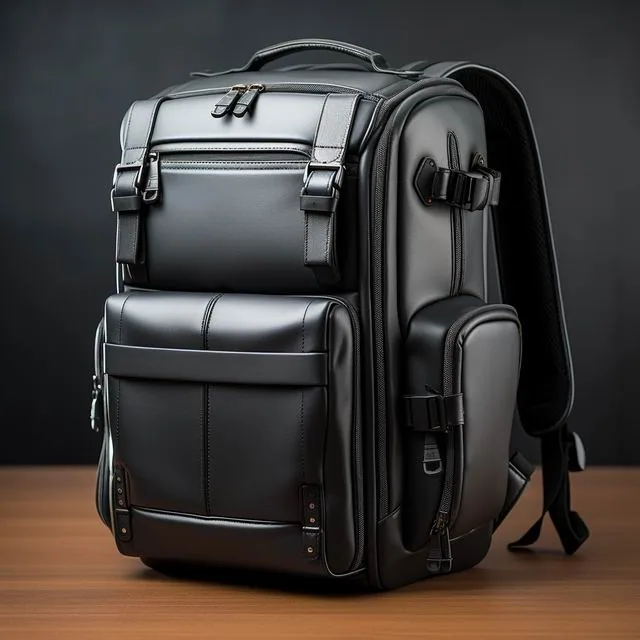
The Carry-Only Principle: This entire list is designed around carry-on travel. Checking luggage adds 30 to 45 minutes to your arrival, risks lost bags, and creates unnecessary stress. With strategic packing, everything you need for a week-long business trip fits in a quality backpack and personal item.
Category 1: Clothing
Clothing forms the foundation of your business travel kit. The strategy is versatility: every piece should mix and match with at least two other pieces, creating multiple outfit combinations from minimal items.
Core Clothing Checklist
- Two dress shirts in neutral colours (white and light blue)
- One blazer or sport coat in navy or charcoal
- Two pairs of dress trousers (one navy, one grey)
- Three pairs of quality underwear
- Three pairs of dress socks
- One pair of comfortable dress shoes
- One casual shirt or polo for evening events
- One pair of jeans or chinos for off-duty time
- Sleepwear appropriate to your accommodation
Select fabrics that resist wrinkling and breathe well during long travel days. Merino wool blends, performance dress shirts with stretch, and wrinkle-free cotton treatments make a significant difference. The blazer should be unstructured or lightly structured, which packs more compactly than heavily padded shoulders.
Wrinkle Prevention Strategy
Packing technique matters as much as fabric selection. Roll casual items tightly to minimise creases. For dress shirts, use the bundle wrapping method: lay the shirt flat, place tissue paper in the back, fold the sleeves over the tissue, and roll from the collar down. Alternatively, the dry cleaning bag trick works remarkably well. Place a thin plastic bag between shirt layers; the reduced friction prevents deep creasing during transit.
Upon arrival, hang all dress garments immediately and steam them. A Crease recovery is a fabric property rather than a packing trick, and the dimensional-change procedures from AATCC are what mills use to state how a cloth behaves after laundering and pressing. two-minute steaming session removes travel wrinkles and restores the crisp appearance your meetings demand. This single step separates travellers who look fresh from those who look like they slept in their clothes.
Category 2: Technology
Technology is the backbone of modern business travel. A dead laptop or missing adapter can completely derail a business trip. These items deserve careful attention and redundancy planning.
Essential Tech Items
- Laptop with charger in padded sleeve
- Smartphone with charging cable
- Universal power adapter with USB ports
- Portable battery pack (minimum 10,000 mAh)
- Noise-cancelling earbuds or headphones
- USB-C hub or dongle set
- Portable Wi-Fi hotspot for international trips
- Small LED laptop light for working in dim environments
Organise all cables and adapters in a dedicated tech pouch with elastic loops and compartments. This prevents tangled cables at the bottom of your bag and creates a single grab-and-go kit for security screening. Label each cable with small tags or coloured ties to identify them quickly.
Consider bringing a spare charging cable for your most critical device. Cable failures during travel are surprisingly common, and finding a replacement in an unfamiliar city can waste valuable meeting preparation time.
Category 3: Documents and Identification
Documents are the items you least think about until you need them desperately. Losing a passport or forgetting printed boarding passes in a foreign city creates cascading problems. Protect these items with physical organisation and digital backups.
Document Checklist
- Passport or government-issued ID
- Boarding passes (digital and printed backup)
- Hotel reservation confirmations
- Meeting agenda and contact information
- Business cards (minimum 20-30)
- Travel insurance policy document
- Emergency contact list (printed)
- Expense tracking app set up before departure
Use an RFID-blocking travel organiser to keep documents secure from electronic pickpocketing. This slim portfolio holds your passport, boarding passes, business cards, and any currency in separate compartments while blocking the radio frequencies that thieves use to scan contactless chips. Store this organiser in your personal item where you can access it quickly during security checks.
Category 4: Toiletries and Grooming
Looking well-groomed on the road requires a streamlined but effective toiletry kit. TSA liquid restrictions mean you must be strategic about what you bring and how you pack it.
Toiletry Essentials
- Travel-size deodorant
- Toothbrush and travel toothpaste
- Hair styling product in small container
- Facial moisturiser with SPF
- Razor and shaving cream (travel size)
- Cologne in small atomiser
- Lip balm
- Nail clippers
- Stain removal pen
Invest in a quality toiletry bag with a hanging hook. Airport bathroom hooks are unreliable, and hotel bathroom surfaces are often limited. A hanging toiletry bag with clear compartments lets you see everything at a glance and keeps items off potentially unsanitary surfaces. Choose a water-resistant material that wipes clean easily.
Choosing the Right Fabrics for Travel
Fabric selection dramatically impacts how well your clothing survives a trip in a backpack. Merino wool is the undisputed king of travel fabrics because it resists odour for multiple wears, regulates temperature across varying climates, dries quickly when washed, and resists wrinkling naturally. A merino wool shirt can be worn twice before needing a wash, reducing the number of garments you must pack.
Performance dress shirts with stretch and wrinkle-free treatments from brands like Ministry of Supply and Mizzenmaine look crisp after hours in a backpack. Synthetics like polyester blends dry faster than cotton and resist wrinkles, though they can feel less comfortable in warm environments. Avoid pure cotton for travel; it wrinkles easily, absorbs moisture, and takes forever to dry if you need to hand wash it in a hotel sink.
Category 5: Accessories Whatever the fibre, the care symbol is the instruction that counts, and ISO 3758 defines the labelling system behind those small icons on a garment or a bag lining.
>Accessories serve both functional and impression-building purposes on business trips. The right belt, watch, and bag create a polished appearance that opens doors in professional settings.
Business Accessories
- Leather belt matching your shoes
- Professional watch
- Pen and small notebook
- Collapsible umbrella
- Portable steamer (travel size)
- Shoe polish wipes
- Luggage lock
A quality leather belt and matching shoes create a cohesive look that elevates your entire outfit. One pair of dark brown or oxblood dress shoes pairs with both navy and grey trousers, while a black belt works with charcoal and black. Pack shoes in dust bags to protect other items and maintain the leather finish.
Backpack vs. Briefcase: Making the Right Choice
The debate between backpacks and briefcases for business travel comes down to your specific needs and travel style. Here is how they compare across critical dimensions:
| Feature | Business Backpack | Briefcase |
|---|---|---|
| Weight distribution | Excellent, both shoulders | One shoulder only |
| Hands-free | Yes | No |
| Professional appearance | Good (if sleek design) | Excellent |
| Capacity | Higher | Lower |
| Laptop protection | Excellent | Good |
| Quick access | Moderate | Excellent |
| Airport navigation | Easier | More cumbersome |
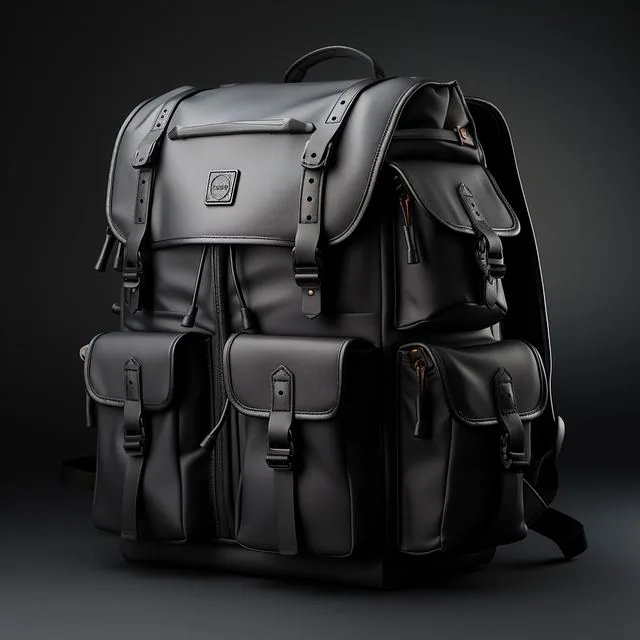
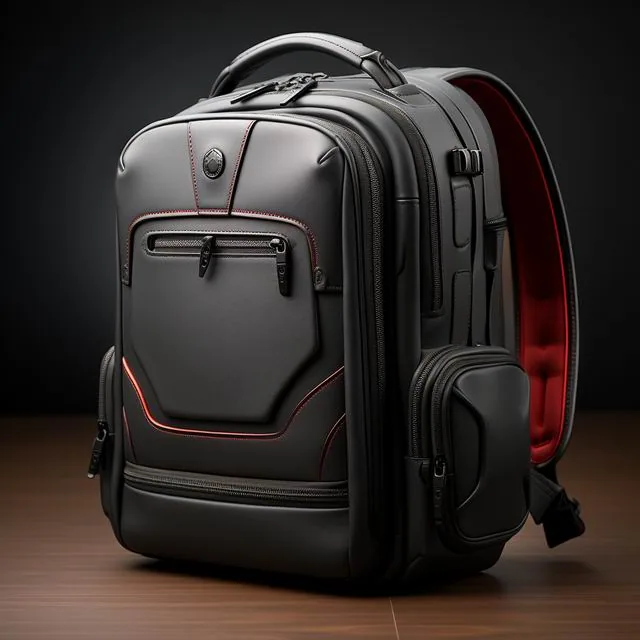
For most modern business travellers, a professional backpack wins. The weight distribution alone makes long airport transits and train journeys significantly more comfortable. Choose a backpack with a minimalist design, muted colours, and quality materials like full-grain leather trim or ballistic nylon. Avoid hiking-style backpacks with excessive external straps and bright colours. The ideal business backpack looks equally appropriate rolling through an airport terminal or sitting beside you in a boardroom meeting.
Last-Minute Packing Checklist
Even experienced travellers occasionally need to pack quickly. This streamlined checklist prioritises the most critical items for a last-minute business departure. Work through each category in order, checking items off as you go. If you are extremely rushed, complete categories one through three and add the rest when you have time.
Print this list and keep it with your travel gear. Pre-pack a refillable toiletry kit that you restock after each trip. Maintain a dedicated tech pouch that stays packed at all times. These systems reduce last-minute packing from a stressful scramble to a five-minute verification process.
Packing cubes and Organisation Tools
Packing cubes transform a chaotic suitcase into an organised system where every item has its designated location. Use separate cubes for tops, bottoms, underwear, and accessories. Compression cubes squeeze out excess air to reduce volume by up to 30 percent, allowing you to pack more in the same space or use a smaller bag entirely.
For business travel specifically, a dedicated cube for dress shirts with a rigid frame prevents creasing during transit. Shoe bags keep polished shoes from marking other items. A small cube for electronics and cables prevents the inevitable tangle that occurs when chargers share space with clothing. Colour-coded cubes let you identify contents at a glance without opening each one.
Shoe Strategy for Business Trips
Shoes occupy the most space in your bag and create the biggest organisation challenge. The key is to limit yourself to one versatile pair of dress shoes that pairs with every outfit in your capsule wardrobe. Dark brown or oxblood leather shoes work with navy, grey, charcoal, and tan trousers, making them the most versatile choice for business travel.
Pack shoes in individual dust bags to protect both the shoes and your clothing. Place them at the bottom of your bag or in a dedicated shoe compartment if your bag has one. Stuff shoes with socks or small items to maximise space efficiency. For trips where you need both dress shoes and casual footwear, wear the bulkier pair on the plane to free up bag space. Separating dirty items only works if the barrier layer is genuinely waterproof, which is why buyers ask for a hydrostatic figure measured to ISO 811 rather than a vague splash-proof description.
Transit-Specific Tips
Different modes of transport present unique packing challenges. For flights, keep your laptop and liquids easily accessible for security screening. Wear your bulkiest shoes and blazer on the plane to save bag space. For train travel, keep your bag in front of you or on the overhead rack with the laptop compartment facing you for quick access. For car travel, you have more flexibility but should still keep essentials in a single bag rather than spreading items throughout the vehicle.
Regardless of transport mode, always pack a change of shirt and essential toiletries in your personal item. If your main bag gets delayed or lost, you can still attend your first meeting looking presentable while you sort out the logistics.
One-Bag Discipline: Meeting Cabin Limits Without Checked Luggage
The argument for travelling on cabin baggage only is not really about the fee. It is about the ninety minutes: no check-in queue, no carousel wait, and no risk of arriving at a meeting without the one shirt that matters. The discipline required is modest, but it is arithmetic rather than intention, and it starts with knowing which allowance applies to the ticket you actually bought.
| Carrier | Cabin Allowance | Weight Limit | Where It Usually Goes Wrong |
|---|---|---|---|
| British Airways | Cabin bag plus small bag | 23 kg each | Both bags measured including handles and wheels |
| easyJet | Small cabin bag only on standard fares | 15 kg total | 45 x 36 x 20 cm is smaller than most cabin trolleys |
| Ryanair | 40 x 20 x 25 cm personal bag | Must fit under the seat | Priority is a paid add-on, not a default |
| Ryanair, Priority | 55 x 40 x 20 cm trolley | 10 kg | Ten kilograms is the tightest limit in the market |
| Eurostar | Two pieces plus hand luggage | No published limit | Manual handling; expect to lift it yourself |
| Lufthansa | One cabin bag, economy | 8 kg | Eight kilograms catches people with a heavy laptop |
A worked budget shows where the weight goes. An empty cabin backpack weighs 1.0 to 1.4 kilograms. A fourteen-inch laptop with its charger adds 1.8 to 2.2 kilograms. Three shirts, two pairs of trousers and underwear for three days comes to roughly 2.0 to 2.4 kilograms. Wash bag, documents and a pair of shoes add another 1.5 to 2.0 kilograms. That totals between 6.3 and 8.0 kilograms before a jacket, which means the eight-kilogram carriers are genuinely tight for a three-day trip and the ten-kilogram ones are comfortable.
- Choose the bag after the airline rule, not before — a 55 x 40 x 20 centimetre bag is a different product from a 45 x 36 x 20 centimetre one.
- Carry the charger in the personal bag — it is the heaviest single accessory and the easiest to move.
- Wear the jacket and the heaviest shoes — saves 1.2 to 1.8 kilograms from the bag immediately.
- Decant grooming products into 100 ml bottles permanently — keeps the liquids question out of every packing decision.
- Cap the bag at two pairs of trousers — the third pair is never worn and always adds half a kilogram.
- Weigh the bag at home once per trip type — a luggage scale costs under ten pounds and removes the guesswork permanently.
For trips longer than three days, the honest answer is usually laundry rather than volume. A sink wash with a small amount of travel detergent, dried overnight on a hanger, extends a three-day packing list to a week with no additional capacity. Merino and synthetic blends dry overnight; heavy cotton does not, which is the single most useful filter when choosing what goes in the bag.
Garment Care on Arrival: A Twenty-Minute Reset Routine
Packing technique prevents most creasing, but it cannot prevent all of it, and the difference between arriving presentable and arriving rumpled is a short routine run in the first twenty minutes in the hotel room. The sequence matters: hang everything before unpacking anything else, because creases that have been hanging for an hour are far easier to remove than creases that have been folded for three.
| Garment | Arrival Treatment | Time Required |
|---|---|---|
| Shirt | Hang on a wooden hanger, button the collar and second button | 10 minutes to relax, 3 minutes to steam |
| Suit jacket | Hang on a shaped hanger, empty all pockets, brush | 15 minutes to relax, 5 minutes to steam |
| Trousers | Hang by the cuff from a clip hanger | Overnight for gravity to work |
| Knitwear | Fold flat, do not hang | No treatment needed |
| Tie | Roll loosely, hang over a rail | Overnight |
| Shirts packed rolled | Unroll immediately and hang | 10 minutes |
Bathroom steam is the cheapest tool available and it works well enough for most business shirts. Run a hot shower, close the door, hang the garment on the back of the door away from direct spray, and leave it for ten to fifteen minutes. The moisture relaxes the fibre and gravity does the rest. It is less effective on heavy cotton and on anything with a fused interlining, which is where a handheld steamer earns its place in the bag.
Handheld steamers for travel run at 800 to 1200 watts, which is enough for shirts and jackets, and a tank of sixty to one hundred millilitres delivers roughly eight to twelve minutes of continuous steam — sufficient for two or three garments. Dual-voltage models matter outside the UK and most of Europe; check the plate rather than the box, because a 110-volt-only unit is a short circuit waiting to happen. Hold the head five to eight centimetres from the cloth and work downwards with the fabric hanging freely; pressing the head against the fabric produces shine on wool rather than removing creases.
Shoes deserve the last two minutes of the routine. Cedar shoe trees cost little, weigh about two hundred grams a pair, and pull moisture out of the leather overnight while holding shape. If trees are not practical, loosely rolled acid-free tissue does the same job less well. Either way, do not put damp shoes into a fabric shoe bag and close it — that is how a suitcase acquires a smell that survives several subsequent trips.
Corporate Travel Kit Programmes: Standardising the Kit
Organisations that send people abroad regularly tend to converge on the same conclusion: a standardised travel kit is cheaper than a travel policy, and it is more reliably followed. The object is not to control what people pack but to remove the decisions — which bag, which pouch, which adaptor — so that a traveller leaving on short notice packs from a known list rather than improvising.
The specification for a corporate travel bag differs from a retail one in three ways. First, the laptop compartment must be sized to the actual fleet device rather than a nominal size, and it should be dimensioned for the largest model in service so the bag does not become obsolete when hardware refreshes. Second, security features that retail buyers ignore matter here: a lockable main compartment, a hidden document pocket against the back panel, and optional RFID-shielded lining for passport and card sleeves. Third, the bag needs to survive being issued and reissued, which argues for a serviceable design with replaceable straps and a documented spare-parts list.
| Kit Element | Standard Issue | Executive Issue | Notes |
|---|---|---|---|
| Main bag | 600D recycled polyester, 30-35 litres | Waxed canvas or leather trim, 1000D nylon body | Both sized to cabin limits |
| Laptop compartment | Padded, suspended base, 14 inch | Padded, suspended base, 16 inch | Suspend the base 2-3 cm above the floor |
| Tech pouch | Elastic loops, 300D shell | Leather trim, zip mesh pocket | Issue with a labelled cable set |
| Document sleeve | PU, four pockets | Top-grain hide, RFID lining | Holds passport and boarding pass together |
| Branding | Tonal embroidery under 40 mm | Debossed leather patch | Discreet enough for personal use afterwards |
Timings follow the same pattern as any other soft-goods programme: six to ten working days per sampling round from an approved tech pack, thirty-five to fifty days for bulk once materials are confirmed, and inspection at an acceptance quality limit of 2.5 under ISO 2859-1 before dispatch. The working minimum is 500 pieces per style. Compliance documentation for the UK and EU — REACH, colourfastness under ISO 105, and a transaction certificate under the Global Recycled Standard wherever recycled content is claimed — should be commissioned with the first sample rather than after it, because the reports take ten to fifteen working days and a launch date will move around them otherwise.
Issue logistics are the part most programmes underestimate. Hold roughly five percent of the order quantity as a central buffer for new starters and for warranty replacements, and specify a repair route rather than a replacement route for zip and strap failures. A repaired bag costs a fraction of a new one, and the difference over a three-year fleet cycle is usually enough to fund the next refresh.
Frequently Asked Questions
What should I pack for a 3-day business trip?
Two dress shirts, one blazer, two pairs of dress trousers, three sets of undergarments, one pair of dress shoes, a laptop with charger, toiletries, business cards, and presentation materials. All of this fits in a carry-on backpack.
How do I prevent clothes from wrinkling in my backpack?
Use bundle wrapping for shirts, place tissue paper between layers, pack dress garments on top, and steam them upon arrival. Wrinkle-resistant fabrics also make a significant difference.
Should I use a backpack or briefcase for business travel?
A professional backpack offers superior weight distribution and hands-free convenience. Choose one with a sleek design in quality materials. Briefcases suit shorter trips with minimal tech.
What tech essentials do I need for business travel?
Laptop and charger, universal adapter, portable battery, noise-cancelling earbuds, USB hub, phone with charger, and a tech pouch to keep everything organised and accessible.
How do I look professional with just a carry-on?
Choose wrinkle-resistant fabrics, bring a portable steamer, wear your bulkiest items on the plane, and use a garment sleeve for your blazer. Quality fabrics look professional regardless of luggage.
What is the best last-minute packing strategy?
Follow a printed checklist by category. Start with essentials (documents, laptop), then clothing, then toiletries. Keep a pre-packed toiletry kit and tech pouch that stay ready between trips.
Premium Business Travel Backpacks
We design and develop professional backpacks built for the modern business traveller. Laptop compartments, ventilated shoe pockets, RFID-blocking pockets, and premium materials that make a statement.
Email: service@junyuanbags.com
WhatsApp: +86 17750020688