When most people picture a backpack, they imagine a simple nylon bag with a main compartment and two shoulder straps. A tactical backpack operates on an entirely different level of engineering and purpose. Built to withstand the rigors of military operations, law enforcement deployments, and extreme outdoor environments, tactical backpacks represent the intersection of durability, modularity, and intelligent design. Whether you are a service member preparing for a mission, a first responder stocking your gear, or a civilian who demands more from your daily carry, understanding what defines a tactical backpack will help you make an informed purchase decision.
The tactical backpack market has grown significantly over the past decade, driven by increasing interest in preparedness culture, outdoor adventure, and everyday carry communities. No longer confined to military surplus stores, tactical packs now appear in mainstream retail with features that appeal to a broad audience. This guide breaks down everything you need to know about tactical backpacks, from their defining characteristics to the real-world scenarios where they excel.
The Origins of the Tactical Backpack
The modern tactical backpack traces its lineage to military load-bearing systems developed throughout the twentieth century. Early military packs were little more than canvas bags with external frame structures designed to distribute weight across the hips and shoulders. During World War II, the U.S. military standardized several pack designs that prioritized functionality over comfort, recognizing that soldiers needed reliable carrying solutions in combat environments where gear failure could mean the difference between mission success and catastrophe.
The introduction of the ALICE system, short for All-Purpose Lightweight Individual Carrying Equipment, in the 1970s marked a significant turning point. This system brought standardized attachment points and modular pouches to the battlefield for the first time on a widespread scale. Soldiers could now customize their load-outs based on mission requirements rather than carrying a one-size-fits-all solution. The ALICE system used a series of metal clips and wire frames that, while revolutionary at the time, had notable limitations in terms of comfort and noise discipline.
The evolution accelerated dramatically with the adoption of MOLLE, which stands for Modular Lightweight Load-carrying Equipment, in the late 1990s and early 2000s. This standardized grid of webbing allowed virtually any compatible accessory to attach to any MOLLE-equipped pack, creating an entire ecosystem of interchangeable gear that could be reconfigured in minutes. Commercial manufacturers quickly recognized the potential of this system, and tactical backpacks began appearing in civilian markets with features adapted from military specifications, bringing combat-proven designs to a much broader audience.
Defining Characteristics of a Tactical Backpack
What separates a tactical backpack from an ordinary daypack or hiking pack? Several key characteristics define this category, and the best tactical packs incorporate most or all of them into a cohesive design. Understanding these characteristics helps you evaluate whether a tactical backpack is the right choice for your needs and how different models compare against each other.
Military-Grade Materials and Construction
Tactical backpacks are constructed from high-denier nylon fabrics, typically ranging from 500D to 1000D Cordura. The denier rating refers to the weight in grams of 9,000 meters of the fiber, so higher numbers indicate thicker, more durable yarn. Cordura nylon, originally developed by Invista, is the industry standard because it combines exceptional abrasion resistance with reasonable weight. For perspective, a 1000D Cordura fabric is roughly three times more abrasion-resistant than standard 600D polyester commonly used in commercial backpacks.
Beyond the fabric itself, tactical backpacks use reinforced stitching at all stress points, including shoulder strap attachments, belt loops, and MOLLE panel anchor points. Bar-tack stitching, a dense zigzag pattern, is employed at locations that experience concentrated loads such as strap junctions and haul loop attachment points. YKK zippers with oversized pulls are standard across quality tactical packs, often supplemented by paracord zipper pulls that can be operated while wearing gloves. Many tactical packs also incorporate self-healing nylon zippers that resist jamming even when contaminated with sand, dust, or debris.
MOLLE and PALS Webbing System
The MOLLE system, or more precisely the PALS webbing grid that MOLLE accessories attach to, is arguably the single most defining feature of a tactical backpack. PALS, which stands for Pouch Attachment Ladder System, consists of a grid of one-inch-wide nylon webbing strips, spaced one inch apart and sewn down at one-and-a-half-inch intervals, creating a universal attachment platform. Through this system, users can add magazine pouches, first-aid kits, hydration bladder carriers, flashlight holders, knife sheaths, and countless other accessories using standardized MOLLE straps or quick-clip attachments.
Some modern tactical packs use laser-cut MOLLE instead of traditional sewn webbing. This technique cuts the webbing pattern directly from the pack fabric using precision lasers, reducing weight and bulk while maintaining compatibility with standard MOLLE accessories. Laser-cut MOLLE also presents a cleaner, lower-profile appearance, which appeals to users who prefer a less overtly militaristic aesthetic. However, traditional sewn MOLLE remains popular because it provides additional structural rigidity to the pack walls and can handle heavier attachment loads without deformation.
Ergonomic Load-Bearing Design
Carrying heavy loads for extended periods requires significantly more than just sturdy fabric. Tactical backpacks incorporate padded, contoured shoulder straps with breathable mesh backing to prevent chafing and promote airflow during sustained use. Most models include adjustable sternum straps to keep shoulder straps from shifting during dynamic movement, and many feature integrated or removable waist belts that transfer significant weight from the shoulders to the stronger hip structure.
The back panel design is equally important for long-term comfort. Many tactical packs use rigid or semi-rigid back panels with ventilation channels to maintain airflow between the pack and the wearer's back. This design reduces sweat buildup and improves comfort during prolonged carry in warm environments. Some premium models incorporate suspended mesh back panels similar to those found on high-end hiking packs, though these typically sacrifice some internal organization capacity in exchange for superior ventilation. The best tactical packs strike a balance between load support, ventilation, and organizational access that serves the needs of their intended users.
Compartmentalization and Organization
Unlike a simple sack with one opening, tactical backpacks are designed with meticulous internal organization that allows users to access specific items quickly without emptying the entire pack. A typical tactical pack features a main compartment with internal mesh pockets and compression straps to secure larger items, a secondary compartment with a padded laptop or hydration sleeve, a front admin panel with dedicated slots for pens, flashlights, radios, and small tools, and top-level pockets for frequently accessed items like sunglasses, phones, or maps.
The admin panel deserves special attention because it is a feature unique to tactical backpack design. Located on the top front of most tactical packs, the admin panel is essentially a portable organizer board with elastic loops, mesh zippered pockets, and key clips. It allows users to keep critical small items accessible without digging through the main compartment. When the pack is opened, the admin panel typically folds out or lies flat, giving immediate visual access to everything stored there. Many tactical users consider the admin panel the most important organizational feature after the MOLLE exterior.
Hydration Compatibility
Nearly all tactical backpacks include a dedicated hydration bladder sleeve in the main compartment, with a reinforced port for the drinking tube that passes through to the shoulder strap. This sleeve typically accommodates bladders ranging from 1.5 to 3 liters. Hydration compatibility is essential for military and law enforcement users who need hands-free water access during extended operations, and it is equally valuable for hikers, cyclists, and outdoor enthusiasts who want to maintain hydration without stopping to retrieve a water bottle.
Tactical Backpack Sizes and Categories
Tactical backpacks are generally categorized by their capacity in liters, and the size you choose should align closely with your intended use. Selecting the right size prevents both the frustration of insufficient space and the burden of carrying more pack than you need.
Compact Day Packs: 18 to 25 Liters
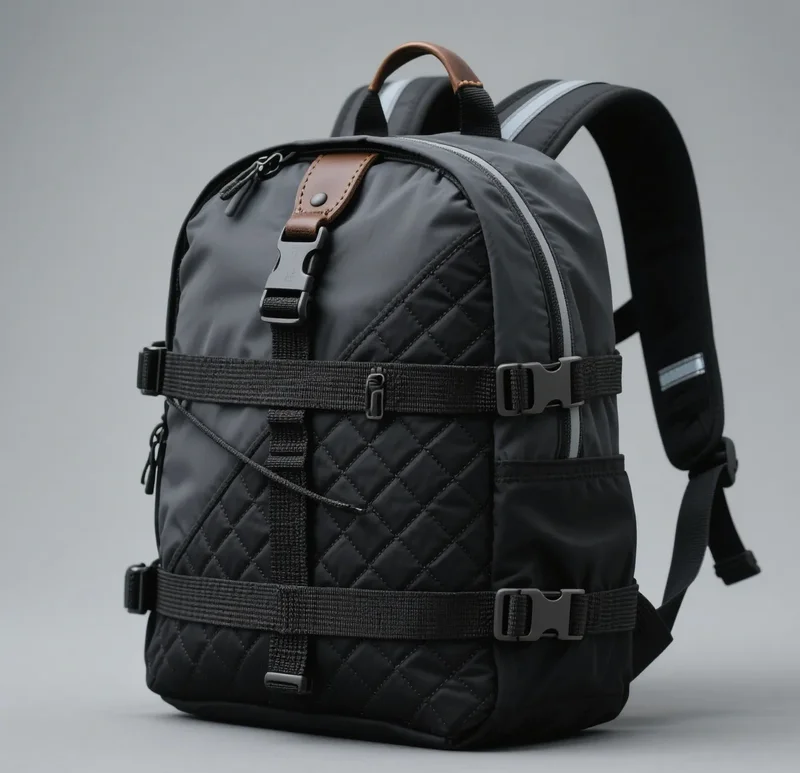
These packs are ideal for everyday carry, short day hikes, or as a range bag for firearms enthusiasts. They provide enough space for a laptop, tablet, documents, a hydration bladder, and essential gear without becoming unwieldy or drawing excessive attention. Many compact tactical packs maintain a slim profile that blends reasonably well in urban environments, making them popular among commuters who want tactical features without looking like they are heading to a combat zone on the morning train. Some models in this category forego extensive MOLLE coverage in favor of a cleaner appearance while retaining the durable construction that defines the tactical category.
Mid-Size Assault Packs: 28 to 45 Liters
This is the sweet spot for most tactical applications and represents the most popular size range in the market. An assault pack in this range can comfortably carry three days of essentials for a hiking trip, a full load of range gear with ammunition and protective equipment, or a comprehensive bug-out kit for emergency preparedness scenarios. The 28 to 45 liter range offers the best balance between capacity and manageability, and most major tactical brands produce their flagship models in this volume range. This size also tends to comply with carry-on luggage restrictions for air travel, making it a versatile option for those who need a single bag that performs in multiple roles.
Large Rucksacks: 50 to 75+ Liters
Designed for extended operations, multi-day expeditions, or situations where you need to carry substantial gear and supplies, large tactical rucksacks approach the capacity of dedicated backpacking packs. They typically feature external frame options or robust internal frames to manage the significantly increased weight, plus extensive MOLLE surface area for attaching additional pouches and gear externally. Military rucksacks in the 60 to 75 liter range are standard for patrol and extended field operations where soldiers must carry food, water, ammunition, shelter, and communication equipment for multiple days without resupply.
Real-World Use Cases for Tactical Backpacks
Military and Law Enforcement Operations
The primary use case remains military and law enforcement, and for good reason. Tactical backpacks are designed from the ground up for these applications, with features like IR reflective tab attachment points for nighttime identification, name tape panels for unit identification, and flag patches for coalition force recognition. The modularity of the MOLLE system means a single pack can be configured for a reconnaissance patrol, a medical response scenario, a communications relay role, or an urban entry mission simply by swapping external pouches and accessories. This versatility reduces the number of packs a unit needs to maintain and allows individual operators to adapt their gear to evolving mission requirements.
Emergency Preparedness and Bug-Out Bags
The preparedness community has enthusiastically embraced tactical backpacks as the foundation of bug-out bags and get-home bags. The rationale is straightforward: when disaster strikes, you need a bag that will not fail you. The durability of tactical construction ensures the pack will survive extended use in harsh conditions, while the organizational features allow for systematic packing of water purification supplies, calorie-dense food, emergency shelter, comprehensive first-aid supplies, multi-tools, and communication equipment. A well-configured tactical bug-out bag can sustain one person for 72 hours or more in an emergency scenario, and the modular design allows the bag to be reconfigured as the situation evolves.
Outdoor Recreation and Hiking
While dedicated hiking packs may offer slightly better ventilation and marginally better weight distribution for pure hiking applications, tactical backpacks provide superior durability and organization that many hikers find invaluable. The ability to attach gear externally using MOLLE means trekking poles, ice axes, sleeping pads, and other bulky items can be secured without sacrificing internal space. The rugged construction handles bushwhacking through dense vegetation, scrambling over rock formations, and navigating rough terrain better than most lightweight hiking packs, which sacrifice durability for weight savings. Many tactical packs also offer better access to gear through clamshell or panel-loading designs compared to the top-loading approach common in hiking packs.
Everyday Carry and Urban Commuting
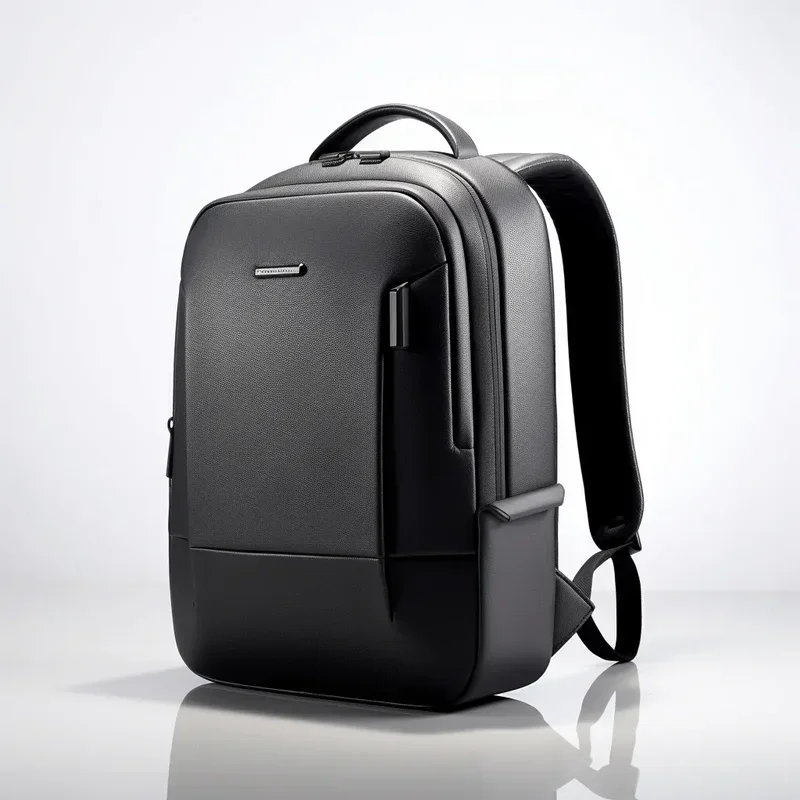
A growing number of civilians use tactical backpacks for daily work commutes, school, and travel. The padded laptop compartments protect expensive electronics from bumps and drops, organized admin panels keep cables and chargers accessible, and weather-resistant construction safeguards contents during unexpected rain. Some manufacturers now produce low-profile tactical packs that deliberately minimize the military aesthetic with smooth exterior panels, neutral colorways like black and gray, and the removal of overt MOLLE coverage, appealing to professionals who want tactical performance and durability without the tactical appearance in office or classroom environments.
Photography and Equipment Transport
Photographers and videographers have discovered that tactical backpacks offer excellent protection and modularity for camera equipment that often surpasses purpose-built camera bags. Camera body inserts can be placed inside the main compartment with customizable dividers, while lenses, batteries, memory cards, and filters attach to the MOLLE exterior in dedicated padded pouches. The robust construction protects expensive equipment from impacts and weather far better than most camera-specific bags, and the comfortable load-bearing carrying system handles heavy camera loads during all-day shoots better than traditional camera bag designs.
Key Features to Evaluate When Buying
When shopping for a tactical backpack, prioritize the features that align with your intended use and verify construction quality through careful examination. Look for fabric with at least 500D Cordura construction and confirm that all zippers are YKK branded for reliable long-term operation. Check for reinforced stitching at every stress point, particularly where shoulder straps meet the pack body and where the haul loop attaches. Ensure the pack has adequate MOLLE or PALS webbing for your anticipated accessory needs, and verify that the webbing is sewn with bartack reinforcement at anchor points.
Pay close attention to the internal layout and how it matches your organizational preferences. Some packs prioritize a single large compartment with minimal dividers for maximum flexibility, while others offer extensive internal organization with multiple mesh pockets, zippered compartments, and elastic loops. Neither approach is inherently superior. Consider the pack weight when empty, as tactical packs tend to be noticeably heavier than civilian equivalents due to their robust construction and additional features. A compact tactical pack weighing two to three pounds empty is reasonable, while larger packs in the 40 liter and above range may weigh four to six pounds before adding any gear or supplies.
Conclusion
A tactical backpack is far more than just a tough bag with military styling. It is a modular carrying platform engineered for demanding environments where equipment failure is simply not an acceptable outcome. Whether you need it for military service, emergency preparedness, outdoor adventures, professional photography transport, or simply want the most durable daily carry option available, understanding the features and use cases outlined in this comprehensive guide will help you select the right tactical backpack for your specific needs. The investment in a quality tactical pack pays dividends in durability, versatility, and confidence that your gear will perform reliably when it matters most.