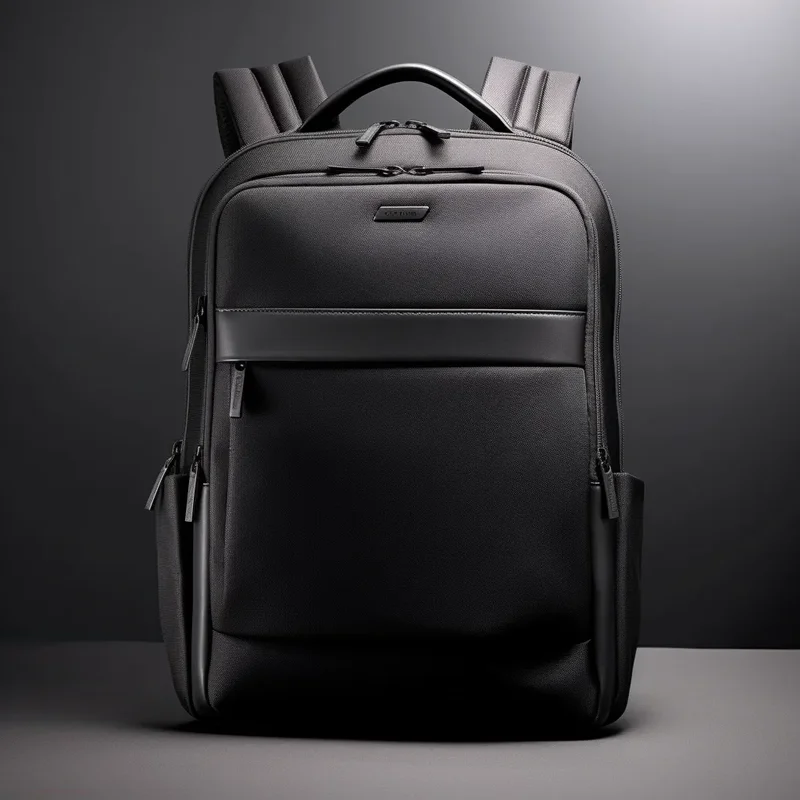
Buying a backpack seems straightforward until you face the reality of hundreds of options across dozens of brands, each promising to be the last bag you will ever need. The right backpack depends on a specific combination of factors: how you will use it, what you carry, your body dimensions, your budget, and your style preferences. Get these wrong, and even a premium backpack will disappoint. Get them right, and a moderate investment delivers years of reliable service.
This guide walks you through every step of the buying process. We start with honest self-assessment of your needs, then move through size selection, material options, essential features, use-case recommendations, and finally a decision framework that eliminates guesswork. By the end, you will know exactly what to look for and why.
Step 1: Needs Assessment
Before looking at a single backpack, spend ten minutes answering these questions honestly. Your answers determine every subsequent decision.
Primary Use Case
Daily Commute
You carry a laptop, documents, lunch, and personal items to work or university daily. Priority: organisation, laptop protection, professional appearance, comfortable all-day wear.
Travel
You need a bag for weekend trips or extended travel as a carry-on or personal item. Priority: capacity, airline compliance, security features, luggage integration.
Outdoor and Hiking
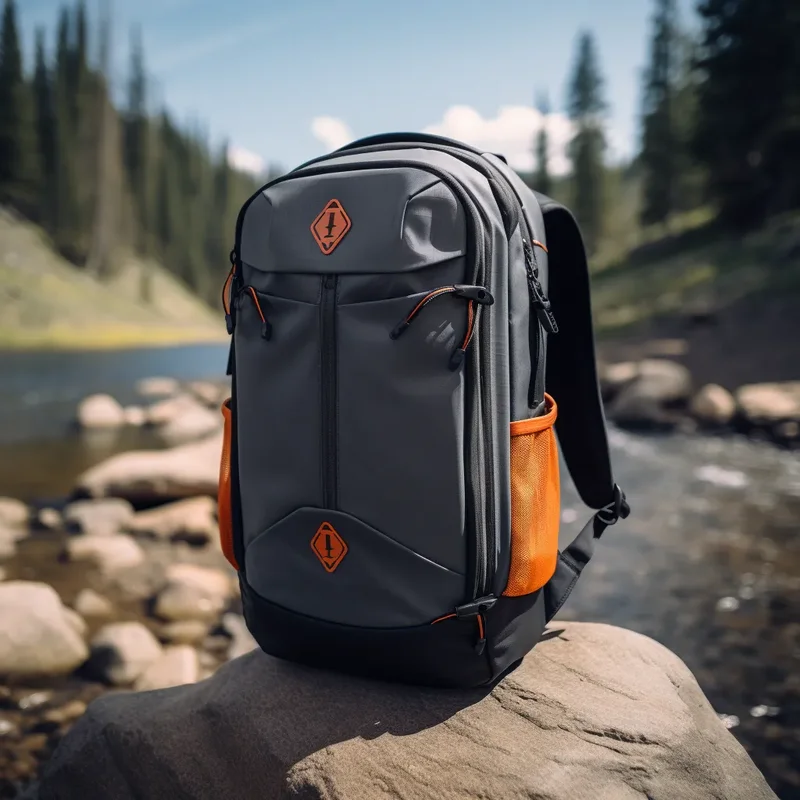
You carry gear for day hikes, camping, or outdoor activities. Priority: weather resistance, load distribution, attachment points, durability in rough conditions.
Everyday Casual
You need a general-purpose bag for errands, gym, social activities. Priority: style versatility, moderate capacity, easy access, lightweight.
What Do You Carry Daily?
Make a specific list. Include your laptop (note the screen size), tablet, charger, water bottle, umbrella, gym clothes, lunch box, notebooks, and any specialty items like camera equipment or tools. The total volume and weight of your daily carry determines your minimum capacity and required features.
Critical Insight: Most men overestimate the capacity they need. A 25-litre bag accommodates more than most people realise when organised properly. Buying a 35-litre bag for a 20-litre daily load means you carry unnecessary bulk and weight every single day.
Step 2: Size Selection
Litre Capacity Guide
| Capacity | Best For | Typical Contents | Body Type Suitability |
|---|---|---|---|
| 15-20L | Minimal carry, tech-only | Laptop, tablet, charger, wallet, phone, keys | Slender build, under 5'8" |
| 20-28L | Daily commute | Laptop, documents, lunch, water bottle, layers | Average build, 5'6" to 6'0" |
| 28-35L | Heavy commute, day trips | Full work gear, gym clothes, travel essentials | Average to large build, 5'8" to 6'2" |
| 35-45L | Weekend travel, hiking | 2-3 days clothing, gear, or hiking supplies | Medium to large build, 5'8" to 6'4" |
| 45L+ | Extended travel, multi-day | Extended clothing, camping gear, full load | Large build, 5'10" to 6'4"+" |
Torso Length and Fit
Backpack fit depends more on torso length than overall height. To measure: tilt your head forward, find the prominent C7 vertebra at the base of your neck, then measure down to the top of your hip bone (iliac crest). This measurement determines the ideal backpack back panel length.
- Short torso (under 18 inches): Look for packs with short back panels or adjustable harness systems.
- Medium torso (18-20 inches): Most standard backpacks fit well.
- Long torso (over 20 inches): Seek packs with longer back panels or adjustable torso systems.
Step 3: Material Guide
Material choice affects durability, weight, water resistance, appearance, and price. Here is a practical guide to choosing the right material for your needs.
| Material | Durability | Weight | Water Resistance | Best For | Price Impact |
|---|---|---|---|---|---|
| Polyester (300-600D) | Good | Light | Moderate | Budget-conscious, everyday use | $ |
| Nylon (420-600D) | Very Good | Light-Medium | Good | Daily commute, general use | $$ |
| Ballistic Nylon (1050-1680D) | Excellent | Heavy | Good | Heavy-duty, professional, travel | $$$ |
| Cordura (500-1000D) | Excellent | Medium-Heavy | Good | Premium outdoor, tactical, EDC | $$$ |
| X-Pac VX21/VX42 | Exceptional | Light | Excellent | Technical premium packs | $$$$ |
| Waxed Canvas | Very Good | Heavy | Good | Heritage style, professional | $$$ |
| Full-Grain Leather | Exceptional | Very Heavy | Fair | Luxury, heritage, professional | $$$$ |
Recommendation: For most men, 600D nylon or 500D Cordura provides the optimal balance of durability, weight, and price. Go lighter (420D nylon) if weight is a priority. Go heavier (1000D Cordura or ballistic nylon) if you need maximum abrasion resistance or carry heavy loads daily.
Step 4: Essential Feature Checklist
Must-Have Features (Non-Negotiable)
- Padded laptop sleeve with suspension (fits your laptop size)
- YKK or equivalent brand zippers
- Padded adjustable shoulder straps (8mm+ padding)
- At least 2 exterior quick-access pockets
- Sternum strap for load stability
- Water-resistant fabric or DWR treatment
- Reinforced bottom panel
- Quality internal lining (nylon tricot preferred)
Recommended Features (High Value)
- Luggage pass-through strap for travel
- Quick-access top pocket for phone/keys
- Side water bottle pockets (stretch mesh preferred)
- Admin organiser panel with pen slots and card pockets
- Compression straps for load stabilisation
- Reflective elements for night visibility
- Chest strap with whistle (outdoor use)
- Stand-alone design (bag stands upright when loaded)
Nice-to-Have Features (Use-Case Dependent)
- Clamshell/panel-loading main compartment for travel
- Hidden security pocket against back panel
- Integrated rain cover for outdoor use
- Magnetic buckle closures for quick access
- Modular internal dividers
- External attachment points (daisy chains, gear loops)
- Charge cable pass-through for power bank
- TSA-friendly lay-flat design
Step 5: Use-Case Recommendations
Commuting
Priority: Professional appearance, laptop protection, organisation, comfort
Recommended specs: 20-28L capacity, 600D nylon or Cordura, dedicated laptop compartment (up to 16"), clean minimalist exterior, luggage pass-through, water bottle pocket
Recommended brands: Aer City Pack, Bellroy Classic Backpack, Peak Design Everyday 20L, The North Face Jester, Rains Backbag
Budget range: $80-$250
Travel
Priority: Capacity, carry-on compliance, security, comfort under load
Recommended specs: 30-40L capacity (must fit airline personal item or carry-on), clamshell opening, lockable zippers, laptop sleeve, compression straps, luggage pass-through, hip belt for heavy loads
Recommended brands: Peak Design Travel 30L, Cotopaxi Allpa 35L, Osprey Farpoint 40, Aer Travel Pack 3, Nomatic Backpack
Budget range: $120-$300
Hiking and Outdoor
Priority: Weather resistance, load distribution, durability, attachment points
Recommended specs: 25-40L capacity, ripstop nylon or Cordura with DWR, suspended mesh back panel, padded hip belt, trekking pole attachments, hydration compatible, rain cover included
Recommended brands: Osprey Talon 33, Patagonia Ascensionist, The North Face Borealis, Deuter Aircontact, Gregory Zulu
Budget range: $100-$280
Work and Professional
Priority: Professional appearance, laptop protection, organisation, structured design
Recommended specs: 18-25L capacity, leather or waxed canvas accents, clean exterior, structured shape, dedicated laptop and tablet sleeves, admin organiser, briefcase-style handle
Recommended brands: Tumi Alpha, Filson Cover Cloth, Bellroy Transit, Saddleback Leather, Briggs and Riley
Budget range: $150-$500+
Step 6: Brand Shortlist by Budget
| Budget | Best Value Brands | Key Strengths | Avoid |
|---|---|---|---|
| Under $75 | The North Face (sale), Amazon Basics, Targus | Basic functionality, widely available | Unbranded bags with no warranty |
| $75-$150 | The North Face, Herschel, Osprey Arcane, Cotopaxi | Brand reliability, decent materials, good warranty | Overpriced fashion-only brands |
| $150-$250 | Aer, Bellroy, Peak Design, Patagonia | Premium materials, excellent design, strong warranty | Luxury fashion brands with no technical merit |
| $250-$400 | Goruck, Peak Design, Arc'teryx, Cote et Ciel | Exceptional build, lifetime warranty, innovative design | Brands charging for logo alone |
| $400+ | Saddleback, Filson, Tumi, Briggs and Riley | Lifetime products, premium materials, heritage craftsmanship | Designer brands with no backpack expertise |
Step 7: Budget Planning
Cost-Per-Year Framework
Stop thinking about upfront price. Think about cost per year of reliable service. A $60 backpack lasting 2 years costs $30 per year. A $200 backpack lasting 8 years costs $25 per year while delivering significantly better daily experience. The more expensive option is actually cheaper annually.
| Budget Tier | Upfront Cost | Expected Life | Annual Cost | Daily Experience |
|---|---|---|---|---|
| Budget | $50-$75 | 2 years | $25-$38/year | Adequate but uninspiring |
| Value | $100-$175 | 5-8 years | $13-$35/year | Comfortable and reliable |
| Premium | $200-$350 | 8-12 years | $17-$44/year | Excellent, purposeful |
| Luxury | $350-$600 | 15-25+ years | $14-$40/year | Outstanding, heirloom quality |
Best Value Zone: The $120-$200 range delivers the lowest cost-per-year for most users. At this price point, you get premium materials and construction that last 8+ years, with quality that makes daily carrying a pleasure rather than a compromise.
Step 8: Final Decision Framework
When you have narrowed your choices to 2-3 backpacks, use this decision framework:
- Needs match (40% weight): Which bag best fits your specific use case, carry requirements, and daily activities? Does it have the right capacity, compartments, and features for what you actually carry?
- Quality indicators (30% weight): Using the 10 quality indicators from our quality assessment guide, which bag scores highest on stitching, zippers, fabric, hardware, padding, and construction?
- Comfort (15% weight): If possible, try both bags loaded with weight. Which feels better after 15 minutes of wear? Are the straps comfortable? Does the load sit close to your body?
- Value (15% weight): Considering cost-per-year and warranty coverage, which bag delivers the most long-term value? Factor in the warranty quality and brand reputation for standing behind their products.
Score each option from 1-10 on each dimension, multiply by the weight, and add the totals. The highest-scoring bag is your best choice. If scores are close, go with the bag that feels better in person, because a backpack you enjoy carrying is a backpack that gets used properly.
Where to Buy
Once you have made your decision, consider these purchasing strategies:
- Direct from brand: Best warranty support, full product range, sometimes exclusive colours. Most brands offer free returns within 30-60 days.
- Specialist retailers: REI, Cotswold Outdoor, and similar retailers allow you to try bags loaded with weight before buying. Staff knowledge is typically high.
- Amazon: Competitive pricing and fast delivery. Check seller reputation carefully. Return policies vary by seller.
- Seasonal sales: Black Friday, end-of-season (February and August), and brand anniversary sales offer 15-30% discounts on premium packs. Set alerts for your shortlisted bags.
Final Word
The right backpack is an investment in your daily comfort, productivity, and organisation. It carries your most valuable tools and accompanies you through every aspect of your day. Choosing wisely means decades of reliable service; choosing poorly means frustration and replacement costs. Use this guide as your framework, trust the process, and invest in quality that matches your actual needs rather than aspirational features you will never use.
Common Mistakes to Avoid
Even with this guide, buyers make predictable errors. Here are the most common mistakes and how to avoid them:
Mistake 1: Buying for aspirational use rather than actual use. You imagine yourself hiking every weekend, so you buy a 45-litre hiking pack. In reality, you commute five days a week with a laptop. Result: you carry an oversized, overly technical bag that looks out of place and adds unnecessary weight. Buy for your actual daily reality, not your fantasy lifestyle.
Mistake 2: Prioritising features you will never use. That integrated rain cover, modular attachment system, and hydration port look impressive in the product description. But if you never use them, you paid for weight and complexity that provides zero value. Focus on the features you will use daily: laptop protection, comfortable straps, accessible pockets, and appropriate capacity.
Mistake 3: Ignoring ergonomics for aesthetics. A sleek, minimalist backpack looks great in photos. But if it lacks padded straps, breathable back panel, and load distribution features, it will cause shoulder and back pain within weeks. Comfort features are not optional; they are essential for daily carry. Never sacrifice comfort for style.
Mistake 4: Choosing based on brand alone. Brand recognition does not guarantee quality. A luxury fashion brand backpack may cost $400 but use the same materials as a $100 technical pack. Evaluate the actual product specifications, construction quality, and warranty terms rather than the logo. A lesser-known brand with superior materials and construction will serve you better than a famous name with mediocre quality.
Mistake 5: Not testing with weight. A backpack feels different empty versus loaded with 8kg of gear. If possible, load the bag with weight equivalent to your daily carry before purchasing. Walk around for 10-15 minutes. Check for pressure points, strap digging, back sweating, and load stability. If you cannot test in-store, buy from a retailer with a generous return policy and test at home.
Frequently Asked Questions
How do I choose the right backpack size?
Measure your torso length from the C7 vertebra to your iliac crest. For daily commute, 20-28 litres suits most needs. For travel, 30-40 litres. For hiking day trips, 25-35 litres. The bag should not extend above your shoulders or below your waist when worn.
What is the best material for a men's backpack?
For daily use, 600D nylon offers the best balance of durability, weight, and price. For premium longevity, 1000D Cordura or X-Pac VX21. For professional settings, waxed canvas or leather. For outdoor use, ripstop nylon with DWR coating and waterproof zippers.
How much should I spend on a quality backpack?
For quality daily-use, budget $100-$200 for the best value. This provides YKK zippers, quality nylon fabric, adequate padding, and organisational features. Below $75, durability compromises become significant. Above $250, improvements are mainly premium materials or brand prestige.
What features are essential in a men's backpack?
Essential features: padded laptop sleeve with suspension, YKK zippers, padded adjustable shoulder straps, at least 2 exterior pockets, sternum strap, and water-resistant fabric. Nice-to-have: luggage pass-through, quick-access pocket, key clip, pen slots, and compression straps.
What size backpack is best for commuting?
A 20-28 litre backpack is ideal for commuting. This accommodates a laptop up to 16 inches, documents, lunch, water bottle, and personal items without being oversized. It should fit comfortably on public transport and look proportionate to your body.
Should I choose integrated laptop sleeve or separate bag?
An integrated laptop sleeve is sufficient for most users and more convenient. Choose a backpack with a suspended, padded sleeve that elevates the device above the bag bottom. Only opt for a separate bag if you need dedicated protection for very expensive equipment.
How do I know if a backpack will be comfortable all day?
Look for contoured S-curve shoulder straps with 8-15mm padding, breathable mesh back panel, adjustable sternum strap, padded hip belt for loads over 8kg, and load-lifter straps. The bag should distribute weight between shoulders and hips.
What is the best backpack brand for men in 2026?
The best brand depends on your use case. For commuting, Aer and Bellroy. For outdoor, Osprey and Patagonia. For budget value, The North Face Jester. For premium, Goruck and Peak Design. There is no single best brand, only the best brand for your specific needs.
Ready to Create Your Own Backpack Line?
From concept to production, we manufacture premium men's backpacks that meet every quality standard in this guide. Custom materials, YKK zippers, tailored features, and competitive pricing for brands at every scale.
Email: service@junyuanbags.com
WhatsApp: +86 17750020688