Sustainable Travel: How to Reduce Your Footprint
Table of Contents
- The Environmental Cost of Travel
- Carbon Offset Programs That Work
- Eco-Friendly Gear Choices
- The Slow Travel Philosophy
- Packing Light: An Environmental Act
- Sustainable Backpack and Gear Brands
- Accommodation Choices Matter
- Transport Decisions and Their Impact
- Supporting Local Economies
- Actionable Tips for Every Trip
- Frequently Asked Questions
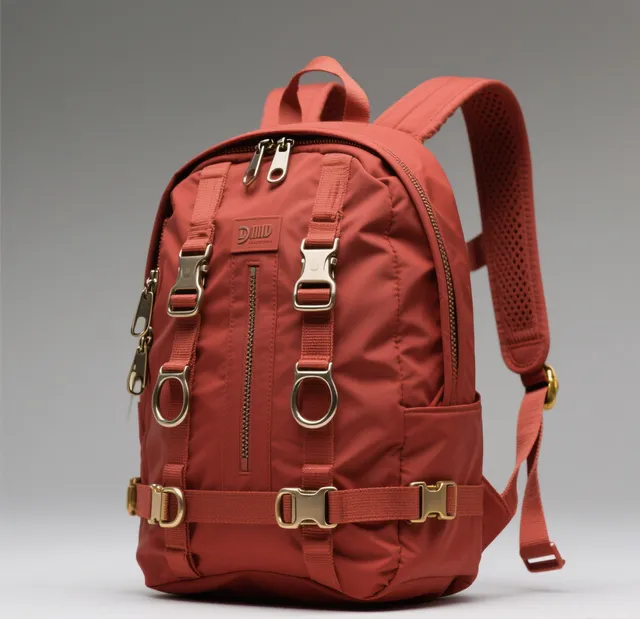 Travel broadens the mind. It should not destroy the places that inspire us.
The Environmental Cost of Travel
Travel accounts for approximately 8 percent of global carbon emissions. A single round-trip flight from London to New York generates roughly 1.6 tonnes of CO2 per passenger, equivalent to the average annual carbon footprint of a person in Ghana. Long-haul travel to Southeast Asia or Australia from the UK generates 3 to 5 tonnes per round trip. These numbers are not abstract; they represent real atmospheric changes with real consequences.
This is not an argument against travel. Travel builds understanding, supports economies, creates connections, and enriches human experience. The argument is for thoughtful travel: choosing destinations and behaviours that maximise benefit while minimising harm. Sustainable travel is not about never flying; it is about making every travel decision with environmental awareness.
This guide covers the complete spectrum of sustainable travel decisions: carbon offsetting, gear choices, travel pace, packing strategies, brand selection, accommodation, transport, and local community support. Each section provides practical, actionable advice that reduces your footprint without sacrificing the quality of your experience.
Carbon Offset Programs That Work
Carbon offsets allow you to compensate for emissions you cannot avoid by funding projects that reduce or capture equivalent emissions elsewhere. The concept is straightforward, but execution varies enormously. Not all offset programs are equal.
How Carbon Offsets Work
You calculate the emissions from your travel (flight calculators are available from ICAO, myclimate, and many airlines). You then purchase equivalent carbon credits from a certified project. One credit equals one tonne of CO2 reduced or captured. Projects include renewable energy installations (wind farms, solar plants), reforestation and forest conservation, methane capture from landfills, and clean cookstove distribution in developing countries.
Certified Programs to Trust
Only purchase offsets certified by recognised standards: Gold Standard, Verified Carbon Standard (VCS), or Climate, Community and Biodiversity Standard (CCB). These certifications ensure that offset projects are real, measurable, additional (they would not have happened without offset funding), and permanent.
Recommended Offset Providers
Gold Standard: The UN-backed standard for offset quality. Projects at goldstandard.org.
myclimate: Swiss non-profit with Gold Standard projects. Calculator and purchase at myclimate.org. Typical cost: £15 to £40 per tonne.
ClimatePartner: Offers verified offset packages with transparent project details. Popular with European travellers.
Airline programs: Most major airlines offer offsetting at booking. While convenient, third-party programs often provide better value and more transparent project selection.
The cost of offsetting a round-trip London to Bangkok flight (approximately 3 tonnes) is typically £45 to £90 through a Gold Standard program. This represents less than 5 percent of the flight cost for most travellers. It is the single most impactful sustainable travel action available to those who must fly.
Eco-Friendly Gear Choices
The gear you buy and carry has an environmental footprint. Every backpack, jacket, and water bottle required materials, energy, and transport to manufacture. Making informed gear choices reduces this impact significantly.
Materials Matter
Look for gear made from recycled materials: recycled polyester (from plastic bottles), recycled nylon (from fishing nets and fabric waste), and organic cotton (grown without synthetic pesticides). Brands like Patagonia, Cotopaxi, and Fjallraven lead in sustainable material use. The Cotopaxi Allpa backpack, for example, uses recycled polyester in its boardcloth and lining, reducing the carbon footprint of production by approximately 30 percent compared to virgin materials.
Durability Is Sustainability
The most sustainable product is the one you do not replace. A £200 backpack that lasts 10 years has a lower environmental impact than a £50 backpack replaced every two years. Invest in quality gear from brands that offer repair services and lifetime warranties. Patagonia's Worn Wear program repairs damaged garments and gear, extending their useful life by years. Osprey's All Mighty Guarantee provides free repairs for any damage regardless of age.
 Quality gear that lasts a decade is more sustainable than cheap gear replaced annually.
Buy Used, Buy Less
The second-hand gear market has grown enormously. Platforms like Vinted, eBay, and REI Used sell quality used outdoor and travel gear at significant discounts. Before buying new, check whether a used version meets your needs. Many travellers upgrade gear frequently, meaning the second-hand market is full of lightly used, high-quality items at fraction of the original cost.
The Slow Travel Philosophy
Slow travel is the most impactful sustainable travel strategy available. The concept is simple: travel less often but stay longer. Instead of four one-week trips per year (requiring four round-trip flights), take two two-week trips or one month-long trip. The environmental savings are dramatic.
The Numbers Behind Slow Travel
A UK traveller who takes four weekend flights to European cities generates approximately 2 tonnes of CO2 per year from those flights alone. By consolidating into one longer trip (one round-trip flight plus train travel within Europe), emissions drop to approximately 0.8 tonnes. The reduction of 60 percent comes from eliminating three round-trip flights while actually spending more total time abroad.
Slow travel also provides deeper cultural immersion, lower daily costs (weekly and monthly accommodation rates are significantly cheaper than nightly), reduced travel fatigue, and more meaningful connections with local communities. The quality of the travel experience improves as the quantity of trips decreases.
How to Implement Slow Travel
Start by auditing your current travel patterns. How many trips do you take per year? How many are flights? Identify trips that could be combined or extended. If you visit family twice a year by air, could you visit once for a longer period? If you take two holidays, could you merge them into one extended trip? The goal is not to stop travelling but to make each journey count more.
Packing Light: An Environmental Act
Packing light is not just a convenience strategy; it is a genuine environmental action. Every kilogram of weight on an aircraft requires fuel to transport. Airlines have calculated that reducing average baggage weight by just one kilogram per passenger saves thousands of tonnes of fuel annually across their networks.
A carry-on-only traveller generates significantly less fuel consumption per journey than a traveller checking a 23-kilogram bag. The math is straightforward: less weight equals less fuel equals less emissions. If every passenger on a long-haul flight reduced their luggage by five kilograms, the fuel savings would be equivalent to removing dozens of cars from the road for a year.
Beyond the environmental benefit, packing light saves time (no waiting at baggage claim, no risk of lost luggage), money (no checked baggage fees, which can exceed £50 per flight), and physical strain (no dragging heavy bags through airports and train stations). It is a win for you, a win for the planet, and a win for your wallet.
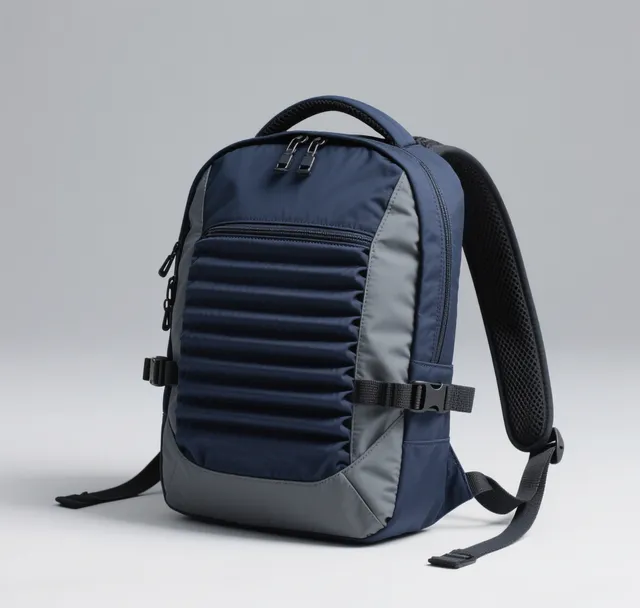 Every kilogram matters on an aircraft. Packing light is a direct environmental action.
Sustainable Backpack and Gear Brands
Several brands have made sustainability central to their business model. Supporting them sends market signals that encourage the entire industry to improve.
| Brand | Sustainability Commitment | Key Products | Certification |
|---|---|---|---|
| Patagonia | 1% for the Planet, Worn Wear repair, recycled materials | Backpacks, clothing, gear | B Corp, Fair Trade |
| Cotopaxi | Del Alma collection from remnant fabric, Gear for Good | Allpa backpack, Del Alma bags | B Corp |
| Fjallraven | Arctic Fox initiative, recycled wool, repair service | Kanken backpack, clothing | Bluesign approved |
| Nomatic | Durable design, repair programme | Travel Bag, Backpack | Climate neutral certified |
| Bellroy | Recycled materials, ethical manufacturing | Transit Backpack, Classic | B Corp |
| Peak Design | Recycled materials, climate neutral | Travel Backpack, Everyday | Climate Neutral Certified |
B Corp certification is a particularly useful indicator. It means the company meets verified standards for social and environmental performance, transparency, and accountability. Brands with B Corp certification have been independently audited for their sustainability claims.
Accommodation Choices Matter
Where you stay has a significant environmental impact. Hotels, hostels, and rental properties vary enormously in their energy consumption, water usage, and waste generation.
Look for accommodations with recognised sustainability certifications: Green Key, EarthCheck, LEED certification, or Travelife. These certifications verify energy efficiency, water conservation, waste reduction, and community engagement practices. Booking.com's Travel Sustainable badge and Google Hotels' eco-certified labels help identify these properties during search.
Simple actions reduce your accommodation footprint regardless of the property: reuse towels rather than requesting daily laundering, turn off lights and air conditioning when leaving, take shorter showers, and decline single-use toiletries in favour of your own refillable containers. These actions seem small, but across millions of travellers, they generate meaningful reductions in resource consumption.
Transport Decisions and Their Impact
Your transport choices at the destination often exceed your flight emissions in total impact. A two-week trip with daily taxi rides and domestic flights may generate more transport emissions than the international flight to reach the destination.
The Transport Hierarchy
Rank transport options by environmental impact from lowest to highest: walking and cycling (zero emissions), trains and trams (low emissions per passenger-kilometre), buses and coaches (moderate emissions), shared rides (moderate to high), private taxis (high), and domestic flights (very high).
When possible, choose trains over planes for distances under 800 kilometres. The Eurostar from London to Paris generates approximately 90 percent less CO2 per passenger than the equivalent flight. Within Europe, the rail network connects virtually every city with a low-carbon alternative to flying. The journey takes longer, but the experience is often superior: city centre to city centre, no airport security, scenic routes, and the ability to walk around during transit.
The 800-Kilometre Rule: For distances under 800 kilometres, always choose train over plane. The emissions difference is typically 80 to 90 percent in the train's favour, and the total door-to-door travel time is often comparable when you factor in airport transfers and security.
Supporting Local Economies
Sustainable travel encompasses not just environmental concerns but social and economic sustainability. Where your money goes matters as much as how much carbon you emit.
Eat at locally owned restaurants rather than international chains. Your money stays in the community, supporting families and local employment. Shop at local markets and independent stores. Book locally owned accommodation rather than international hotel chains. Hire local guides rather than booking through multinational tour operators.
Research suggests that for every £100 spent at a locally owned business in a developing country, approximately £65 remains in the local economy. For the same £100 spent at an international chain, only £15 to £25 remains locally. Your spending decisions directly shape the economic impact of your travel.
 Every purchase is a vote for the kind of world you want to travel in.
Actionable Tips for Every Trip
Sustainable travel does not require grand gestures. Small, consistent actions across every trip generate meaningful impact.
The Sustainable Travel Checklist
- Offset your flights through a Gold Standard certified program
- Pack carry-on only to reduce aircraft weight
- Carry a reusable water bottle (with filter for uncertain water quality)
- Bring reusable shopping bags, cutlery, and a coffee cup
- Choose direct flights when possible (takeoffs generate the most emissions)
- Stay longer at fewer destinations rather than multiple short trips
- Choose trains over planes for distances under 800 kilometres
- Eat at locally owned restaurants and shop at local markets
- Stay in certified sustainable accommodation when available
- Decline single-use plastics: straws, bags, cutlery, bottles
- Use public transport, walk, or cycle at your destination
- Respect local customs, environments, and wildlife
- Buy quality gear that lasts rather than cheap items replaced annually
- Repair gear before replacing it
- Donate or sell gear you no longer need rather than discarding it
"We do not need a handful of people doing sustainability perfectly. We need millions doing it imperfectly. Every conscious travel choice matters."
Ready to Upgrade Your Mobile Setup?
Whether you need a backpack that doubles as a mobile office or a travel companion for your minimalist kit, we have the solution.
Email: service@junyuanbags.com | WhatsApp: +86 17750020688
Get a Quote Chat on WhatsAppMeasuring Your Travel Footprint Over Time
Track your annual travel emissions using a simple spreadsheet. Record each trip, its transport mode, distance, and estimated emissions. Over time, this data reveals trends and helps you set meaningful reduction targets. Many sustainable travellers aim for a 20 percent annual reduction in per-trip emissions, achieved through a combination of fewer flights, longer stays, and train substitutions.
Frequently Asked Questions
Are carbon offsets really effective?
Yes, when purchased from certified programs (Gold Standard, VCS, CCB). Certified offsets fund real, verified projects that reduce or capture equivalent emissions. The key is choosing certified programs; uncertified offsets may not deliver genuine environmental benefit. Offset costs of £15 to £40 per tonne are typical for quality programs.
Is it more sustainable to never fly?
If you can meet your travel needs by train or boat, absolutely. However, for long-haul travel where no alternatives exist, the sustainable approach is to fly less often but stay longer, offset your emissions, and maximise positive impact at your destination. Complete avoidance is the most sustainable option but impractical for most people's personal and professional lives.
How much does sustainable travel gear cost more?
Sustainable gear typically costs 10 to 30 percent more upfront than conventional alternatives. However, sustainable brands prioritise durability, meaning the cost per year of use is often lower. A £200 Patagonia backpack lasting 10 years costs £20 per year versus a £80 conventional backpack lasting 3 years at £27 per year.
Does packing light really reduce emissions?
Yes. Every kilogram of weight on an aircraft requires fuel. Airlines calculate that reducing average passenger baggage by one kilogram saves approximately 0.01 to 0.02 kg of fuel per flight kilometre. Across millions of passengers, these savings are substantial. A carry-on-only traveller reduces their luggage emissions by approximately 50 percent compared to checking a full bag.
What is the most impactful single change for sustainable travel?
Taking fewer but longer trips. Reducing from four one-week trips to two two-week trips cuts flight emissions by 50 percent while providing equal or more total travel time. The environmental benefit is immediate and significant, and the quality of travel experience typically improves with longer stays.
How do I find sustainable accommodation?
Look for Green Key, EarthCheck, LEED, or Travelife certifications when booking. Booking.com's Travel Sustainable badge and Google Hotels' eco labels help identify certified properties. When in doubt, email the property and ask about their sustainability practices; genuine sustainable properties are happy to share details.
What backpack brands are the most sustainable?
Patagonia, Cotopaxi, Fjallraven, and Bellroy all hold B Corp certifications and demonstrate genuine sustainability commitments through recycled materials, repair programs, and transparent supply chains. Peak Design and Nomatic are Climate Neutral certified. Choose brands whose sustainability claims are independently verified rather than self-declared.
Ready to Upgrade Your Mobile Setup?
Whether you need a backpack that doubles as a mobile office or a travel companion for your minimalist kit, we have the solution.
Email: service@junyuanbags.com | WhatsApp: +86 17750020688
Get a Quote Chat on WhatsApp