Reflective Backpacks for Night Commuting: The Complete Safety Guide
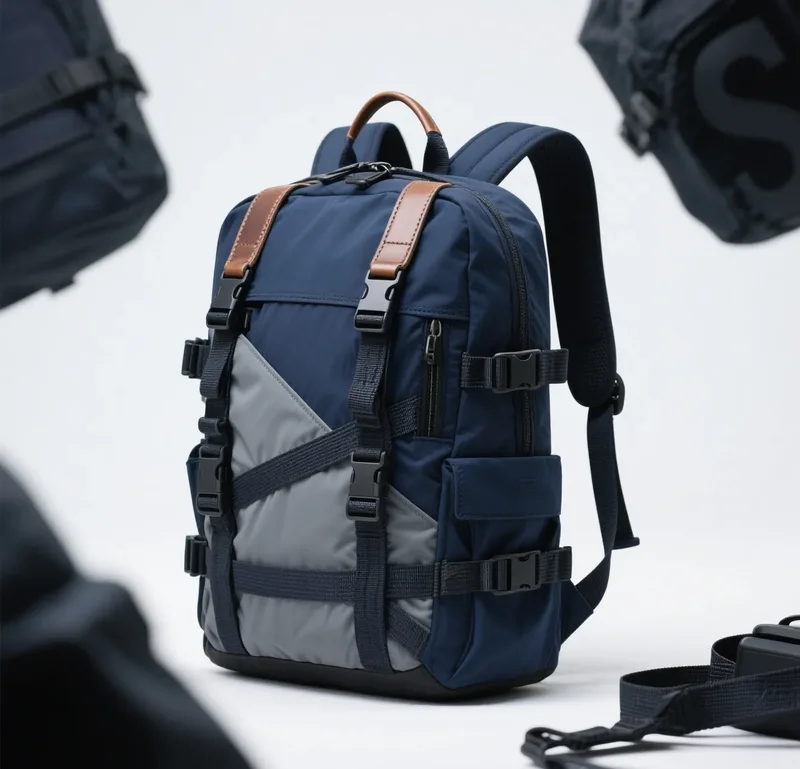
As the evenings draw in during autumn and winter, millions of commuters across the United Kingdom find themselves travelling to and from work in near-darkness. The Department for Transport reports that pedestrian and cyclist fatalities increase by approximately forty percent during the winter months, with the majority of incidents occurring during hours of darkness or poor visibility. This is not simply a statistic; it represents a genuine and preventable risk that every night commuter should take seriously.
One of the most effective and accessible safety investments you can make is a reflective backpack. Unlike clip-on lights that require batteries and can fail, reflective materials work passively and continuously. They bounce vehicle headlights directly back at the driver, creating a bright signal visible from remarkable distances. This guide explores the science behind reflective technology, what to look for when choosing a reflective commuter backpack, and how to maximise your visibility during those dark winter months.
Understanding Reflective Technology
Before choosing a reflective backpack, it helps to understand the different types of reflective technology available and how each performs in real-world conditions.
Retroreflective Materials
Retroreflective materials are engineered to bounce light back toward its source rather than scattering it in all directions. This is achieved through tiny glass beads or microprismatic structures embedded in the material surface. When a car's headlights strike these materials, the light reflects directly back at the driver, creating a bright, almost luminous effect that is unmistakable in darkness.
The most recognised brand of retroreflective material is 3M Scotchlite, used extensively in safety clothing, cycling gear, and premium commuter backpacks. Scotchlite materials come in various grades, with the professional-grade fabrics offering retroreflective intensity of over 400 candela per lux per square metre. This means the reflective elements appear intensely bright when illuminated by headlights, even from significant distances.
Reflective Prints and Logos
Many mainstream backpacks incorporate reflective elements subtly through printed logos or reflective zipper pulls. While these contribute to visibility, they typically cover a much smaller surface area than dedicated reflective panels. A small reflective logo may be detectable from fifty to one hundred metres, which is helpful but not sufficient as your primary safety measure. When evaluating backpacks, pay attention to the total reflective surface area rather than simply the presence of reflective branding.
Integrated Reflective Panels
Purpose-built reflective backpacks feature large panels of retroreflective material that cover significant portions of the bag's exterior. These panels are strategically positioned on surfaces that face outward when the bag is worn, typically the back panel and sides. Some designs wrap reflective material around the entire perimeter of the bag, ensuring visibility from any angle. This comprehensive coverage is significantly more effective than scattered small reflective elements.
Why Night Commuting Visibility Matters More Than You Think
Many commuters underestimate how difficult they are to see in urban environments at night. Streetlights create pools of illumination separated by areas of deep shadow. A pedestrian or cyclist in dark clothing can effectively become invisible until a vehicle is almost upon them. The human eye, adapted to the general brightness of an urban street, struggles to detect dark objects at the periphery of its vision.
Research from the Transport Research Laboratory demonstrates that drivers take an average of 1.5 seconds to recognise and react to a pedestrian in dark clothing at night, compared to just 0.4 seconds for a pedestrian wearing reflective materials. At thirty miles per hour, that extra 1.1 seconds translates to nearly fifteen metres of additional stopping distance. In urban environments where stopping distances are already minimal, this difference is the boundary between safety and serious injury.
The statistics become even more compelling when you consider that reflective materials make you visible from up to three hundred metres away, while dark clothing becomes detectable only at approximately thirty metres when illuminated by dipped headlights. This tenfold increase in detection distance gives drivers dramatically more time to respond to your presence.
What to Look for in a Reflective Commuter Backpack
Reflective Surface Area and Placement
The effectiveness of a reflective backpack is directly related to the total surface area of reflective material and its placement on the bag. Look for backpacks where reflective elements cover at least twenty percent of the visible exterior surface. The best designs position reflective panels on the back face (which faces traffic when you are walking or cycling), the sides, and the shoulder straps.
Consider how the reflective elements appear when the bag is being worn versus when it is sitting on a surface. Some backpacks look impressively reflective when laid flat but have most of that reflective material pressed against the wearer's back when actually in use. The reflective panels need to face outward to catch headlights, so evaluate placement with the bag in its intended worn position.
360-Degree Visibility
The ideal reflective backpack provides visibility from every direction. When cycling, drivers approach from behind, from the side at junctions, and from the opposite direction on bidirectional paths. When walking, you may face oncoming traffic or have traffic approaching from behind. A backpack that reflects light only from the rear panel leaves you invisible from other angles.
Look for designs that incorporate reflective elements on the back panel, both sides, and ideally the shoulder straps and top handle. Some innovative designs even include reflective piping along the base and bottom edges, which catches light reflected off wet road surfaces. This comprehensive approach ensures you are visible regardless of your orientation to approaching traffic.
Durability of Reflective Elements
Not all reflective materials are created equal in terms of longevity. Sewn-on reflective tape and panels generally outlast printed reflective coatings, which can wear away with abrasion and repeated exposure to moisture. When evaluating options, prioritise backpacks where reflective elements are integrated into the fabric structure rather than applied as a surface coating.
Machine washing significantly accelerates the degradation of reflective materials. If your backpack needs regular cleaning, choose one with reflective elements that can withstand hand washing or spot cleaning without damage. Some premium backpacks offer replaceable reflective panels, allowing you to maintain high visibility over years of use.
Types of Reflective Backpacks for Different Commuters
The Urban Professional
If you work in an office environment and need a bag that transitions seamlessly from street to boardroom, look for reflective backpacks that incorporate visibility features subtly. Brands like Bellroy and Rains produce bags where reflective elements are integrated into the design aesthetic rather than appearing as afterthoughts. Reflective zippers, logos, and piping provide meaningful visibility while maintaining a clean, professional appearance in daylight.
The key for this category is finding bags that do not look like safety equipment when the lights are not shining on them. A professional reflective backpack should appear as a normal urban bag during the day and transform into a high-visibility signal when headlights sweep across it at night.
The Cycling Commuter
Cyclists need the highest level of reflectivity because they share the road with motor vehicles and travel at speeds that reduce driver reaction time. Purpose-built cycling backpacks typically feature large retroreflective panels covering the entire rear face, reflective strips on both sides, and attachment points for clip-on lights. Some models include integrated LED panels powered by a small battery pack, combining passive reflection with active illumination.
For cycling, also consider how the reflective elements perform in wet conditions. Rain and road spray can reduce reflectivity somewhat, so look for hydrophobic coatings on reflective panels that cause water to bead and roll off rather than forming a film over the reflective surface.
The Transit and Walking Commuter
If your commute involves walking to stations, waiting at bus stops, and navigating poorly lit paths, your reflective needs are slightly different. You benefit from a backpack with reflective elements visible from the front and sides as well as the rear, because you face oncoming traffic when crossing roads and walk alongside roads without pavements in some areas.
For this commuter type, a backpack that combines reflective material with a bright colour exterior provides dual visibility benefits. The bright colour is visible in daylight and under streetlights, while the reflective elements activate when vehicle headlights catch them. This combination covers the full range of lighting conditions you encounter during a typical winter commute.
Complementing Your Reflective Backpack with Additional Safety Measures
A reflective backpack is a powerful safety tool, but the most safety-conscious commuters layer multiple visibility strategies. Consider these complementary measures:
Reflective ankle bands: Your legs create a distinctive walking or pedalling motion pattern that drivers instinctively recognise as a human figure. Adding reflective bands to your ankles creates this biological motion signal in addition to the torso visibility provided by your backpack.
Clip-on LED lights: Many reflective backpacks include attachment loops for small LED lights. Adding a red rear-facing light to your backpack creates an active light source that supplements the passive reflectivity. Even a modest one-lumen LED creates a visible signal in complete darkness at distances exceeding 500 metres.
Reflective gloves or wristbands: Extending reflectivity to your hands increases the overall visible surface area and creates additional motion signals when you gesture or signal turns while cycling.
Bicycle lights: If you cycle, proper front and rear lights remain essential regardless of your backpack choice. The reflective backpack complements but does not replace dedicated bicycle lighting.
Evaluating Reflective Backpacks: A Comparison Framework
| Feature | Premium Choice | Mid-Range Choice | Budget Choice |
|---|---|---|---|
| Reflective Technology | 3M Scotchlite panels | Integrated reflective fabric | Reflective prints and strips |
| Coverage | 360-degree, 25%+ surface | Rear and sides, 15-25% | Rear panel, 5-15% |
| Detection Distance | 250-300+ metres | 150-250 metres | 50-150 metres |
| Weather Resistance | Hydrophobic coating | Water-resistant fabric | Basic water resistance |
| Light Attachment Points | Multiple, reinforced | One or two loops | Rarely included |
| Professional Appearance | Subtle, integrated design | Clean with visible reflective | Sport or technical look |
| Durability | Replaceable panels | 5+ year reflective life | 2-3 year reflective life |
Maintaining Reflective Effectiveness Over Time
Reflective materials are not permanent. Their effectiveness decreases with wear, washing, and environmental exposure. Here is how to maximise the lifespan of your reflective backpack:
Clean reflective panels with a soft, damp cloth rather than machine washing. The mechanical agitation and detergents in washing machines break down the adhesive bonds in reflective tape and degrade printed reflective coatings. If your backpack develops odours, air it out overnight rather than washing it.
Store your backpack out of direct sunlight when not in use. Ultraviolet radiation degrades the reflective properties of many materials over time. A hooks-by-the-door storage solution not only keeps your bag accessible but also protects it from unnecessary UV exposure through windows.
Inspect reflective elements monthly and test their effectiveness by shining a flashlight at them from a distance. If the reflection appears dimmer than when you first purchased the bag, consider supplementing with aftermarket reflective tape or planning a replacement. Many cyclists and commuters reapply 3M reflective tape to high-wear areas annually as preventive maintenance.
Legal and Insurance Considerations
While UK law does not specifically mandate reflective clothing for pedestrians, the Highway Code advises pedestrians to wear bright or light-coloured clothing and reflective accessories when walking along roads at night. For cyclists, while rear reflectors and lights are legally required on bicycles, there is no legal requirement for reflective clothing. However, failing to take reasonable steps to make yourself visible could potentially affect liability in the event of an accident.
From an insurance perspective, some cycling insurance policies offer reduced premiums for riders who use certified safety equipment. Check your policy to see whether wearing EN-certified reflective gear qualifies you for any discounts. Even if it does not directly reduce your premium, wearing reflective equipment demonstrates due diligence that could support any insurance claim following an incident.
Reflective Backpack Care and Longevity
Understanding how to maintain your reflective backpack ensures it continues providing reliable visibility throughout its intended lifespan. Reflective materials, while durable, are not immune to degradation, and proactive maintenance can extend their effective life considerably.
Testing Your Reflective Performance
A simple test can reveal whether your backpack's reflective elements are still performing adequately. Stand approximately five metres from a wall and shine a flashlight directly at the reflective panels on your backpack. The light should bounce back sharply and brightly toward your eyes. If the reflection appears dim, patchy, or significantly less bright than when the bag was new, the reflective performance has degraded and it may be time to supplement or replace the bag.
For a more rigorous test, photograph the reflective elements with a camera flash from a distance of ten metres. Compare the resulting image with a photograph taken when the bag was new. A significant reduction in brightness indicates that the reflective materials need attention. This test is particularly useful for tracking gradual degradation that might otherwise go unnoticed.
Supplementing Degraded Reflectivity
When your backpack's original reflective elements begin to fade, you have several options for restoring visibility without purchasing an entirely new bag. Self-adhesive retroreflective tape from 3M, available in various widths and lengths, can be applied to any surface of your existing backpack. The 3M Scotchlite 8930 series offers excellent retroreflective performance that matches or exceeds the original elements on most backpacks.
Reflective patches and iron-on transfers provide another supplement option. These come in various shapes and sizes and can be positioned strategically on areas that need the most visibility boost. For cycling commuters, reflective ankle bands and arm bands extend the reflective coverage beyond the backpack itself, creating a more comprehensive visibility system.
Reflective Backpacks and Urban Infrastructure
The effectiveness of reflective backpacks interacts with the urban environment in interesting ways. Modern LED streetlights, while energy efficient, produce a different light spectrum than traditional sodium-vapour lamps. Retroreflective materials are designed to work optimally with the broad spectrum of vehicle headlights, and this performance is not significantly affected by the change in street lighting technology.
However, the increasing prevalence of darker urban design, where buildings and streetscapes use dark materials and minimal lighting, makes reflective backpacks even more valuable. In these low-ambient-light environments, the contrast between a reflective surface and the surrounding darkness is maximised, making the commuter wearing a reflective backpack stand out with exceptional clarity to approaching drivers.
Some cities have begun experimenting with photoluminescent pathway markings and reflective road surfaces that complement the visibility ecosystem. In these environments, a reflective backpack works synergistically with the infrastructure to create a comprehensive visibility environment for all road users.
The Psychology of Visibility
Beyond the physics of retroreflection, there is a psychological dimension to commuter visibility that merits attention. Drivers develop what psychologists call inattentional blindness, where their brains filter out expected or common visual stimuli. A pedestrian in dark clothing walking along a road edge becomes part of the background scenery that the driver's brain does not prioritise for conscious attention.
Reflective materials break through this inattentional blindness because the bright, focused reflection is an unusual and attention-grabbing visual stimulus. The brain categorises it as novel and important, triggering faster conscious recognition and reaction. This psychological advantage operates in addition to the purely physical benefit of increased visibility distance.
The biological motion principle further enhances this effect. When reflective elements are positioned on moving body parts such as ankles, wrists, or the sides of a backpack, they create a distinctive flickering pattern as the commuter walks or cycles. Drivers' brains are hardwired to recognise this type of biological motion pattern as a living creature, triggering faster and more decisive responses than a static reflective surface would produce.
Reflective Backpack Regulations and Standards Explained
Navigating the various standards and certifications for reflective gear can be confusing. Here is a clear explanation of the most relevant standards for UK commuters:
EN 13356: This European standard applies to reflective equipment for non-professional use, including commuter backpacks. It specifies minimum retroreflective intensity levels and defines test methods for measuring reflective performance. A backpack compliant with EN 13356 has been tested and verified to meet these minimum thresholds.
BS EN 1150: Specifically addresses reflective equipment for cyclists. This standard sets higher requirements than EN 13356 because cycling speeds mean that visibility distance is even more critical. Backpacks marketed specifically for cycling should ideally comply with this standard.
BS EN 20471: This is the high-visibility clothing standard for professional use, primarily relevant to construction workers and road maintenance crews. While commuter backpacks are not required to meet this standard, some premium cycling backpacks are tested to it, providing an additional confidence level for safety-conscious buyers.
When shopping, look for explicit references to these standards in product descriptions. Reputable brands will state which standards their reflective elements comply with. Absence of any standard reference does not mean the reflective elements are ineffective, but it does mean the manufacturer has not invested in third-party verification of their reflective claims.
Making the Right Choice for Your Night Commute
Choosing the right reflective backpack comes down to matching the level of visibility technology to your specific commuting conditions. If you walk or cycle along unlit country lanes, invest in maximum reflectivity with premium retroreflective panels and supplemental lighting. If you commute through well-lit urban streets, a quality backpack with integrated reflective elements provides ample additional visibility.
Consider your commute as a whole system. The backpack is one component of a visibility strategy that should include route selection, timing awareness, complementary lighting, and appropriate clothing. A reflective backpack integrated into a comprehensive approach to night commuting safety gives you the best possible protection during those dark winter months.
The investment in a quality reflective backpack is modest compared to the safety benefit it provides. For less than the cost of a few taxi rides home, you can equip yourself with passive visibility technology that works every single night, without batteries, without charging, and without any action required on your part beyond wearing the bag. It is quite simply one of the highest-return safety investments available to the urban commuter.
Stay Visible, Stay Safe This Winter
Browse our curated selection of reflective commuter backpacks designed to keep you visible and protected during night commutes.
View Reflective BackpacksFrequently Asked Questions
How far away can reflective backpacks be seen by drivers?
High-quality reflective materials on backpacks can be detected by drivers from 150 to 300 metres away when illuminated by vehicle headlights. Standard reflective strips typically achieve 150 metres, while premium retroreflective materials like 3M Scotchlite can reach 300 metres or more. This gives drivers 10 to 20 seconds of additional reaction time at typical urban speeds.
What is the difference between reflective and high-visibility materials?
Reflective materials only become visible when a light source shines directly on them, bouncing the light back toward its source. High-visibility materials, often fluorescent yellow or orange, are visible in daylight and overcast conditions. The safest night commuters use both: fluorescent materials for dusk and dawn, and reflective materials for darkness.
Are reflective backpacks effective in complete darkness without streetlights?
Reflective backpacks are highly effective in complete darkness because they rely on external light sources like vehicle headlights to function. When headlights hit the reflective material, it bounces the light back toward the driver. In fact, reflective materials are most effective in total darkness because there is no competing ambient light to dilute the reflection.
Do reflective backpacks lose effectiveness over time?
Yes, reflective materials gradually degrade with use and washing. Abrasion, UV exposure, and repeated washing can reduce reflectivity by 30 to 50 percent over two to three years of heavy use. To maximise lifespan, avoid machine washing reflective backpacks and instead wipe them clean with a damp cloth.
What safety standards should reflective commuter gear meet?
In Europe, the relevant standard is EN 13356 for reflective equipment for non-professional use, which specifies minimum retroreflective intensity levels. For cycling specifically, BS EN 1150 covers reflective equipment for cyclists. Look for compliance markings that indicate the manufacturer has tested the reflective elements to these standards.
Can I add reflective elements to my existing backpack?
Yes, several effective options exist. Reflective adhesive tapes and patches from 3M can be applied to any surface. Reflective clips and bands that wrap around straps are removable and adjustable. A reflective rain cover offers full-bag coverage and doubles as weather protection. These aftermarket solutions significantly improve visibility at minimal cost.
Is a reflective backpack enough for night cycling safety?
A reflective backpack is an important component of night cycling safety but should not be your only visibility measure. A comprehensive setup should include front and rear lights on your bicycle, reflective elements on your lower legs or ankles, and a reflective backpack. This combination makes you visible from all directions and creates a biological motion pattern drivers recognise as a person.