


Understanding Tool Backpack Design Requirements
The Industrial Work Environment Challenge
Tool backpacks represent one of the most demanding product categories in bag manufacturing, requiring engineered solutions for extreme loads, sharp objects, abrasive materials, and harsh working environments. Unlike consumer backpacks designed for lightweight daily carry, tool backpacks must support weights exceeding 20 kilograms of metal tools while resisting puncture from screwdrivers, abrasion from rough surfaces, and chemical exposure from solvents and lubricants encountered daily in professional trades. At Junyuan Bags, our tool backpack manufacturing programme applies industrial-grade engineering principles developed through years of producing heavy-duty bags for professional tradespeople across construction, electrical, plumbing, and mechanical maintenance disciplines.
Professional tool backpack design must address fundamental tensions between maximum carrying capacity and manageable weight, between comprehensive tool organization and accessible retrieval, and between durable construction and practical flexibility. Our manufacturing expertise enables balanced solutions addressing these competing requirements through sophisticated pattern engineering, strategic material selection, and load distribution systems proven through extensive field testing with professional tradespeople. The result represents manufacturing excellence delivering tool backpacks performing reliably under the most demanding professional conditions while maintaining comfortable carry characteristics enabling productive all-day use.
Performance Parameters and Standards
Professional-grade tool backpacks must achieve minimum 25-kilogram load capacity while maintaining structural integrity through thousands of loading and unloading cycles. Base fabrics must resist puncture from sharp tool points with minimum 1680D ballistic nylon construction providing exceptional tear resistance. Tool organization systems should accommodate 50 or more individual tools and accessories with dedicated pockets preventing metal-on-metal contact while enabling rapid visual identification and extraction. Our Quanzhou manufacturing facility produces tool backpacks meeting or exceeding these parameters across our eight production lines, maintaining consistent quality at annual volumes exceeding two million units.
Load-Bearing Engineering in Tool Backpack Manufacturing
Structural Frame and Load Distribution
Tool backpack load-bearing engineering must distribute heavy concentrated loads across comfortable shoulder and hip bearing surfaces while maintaining structural rigidity preventing tools from shifting during transport. Internal frame systems using high-density polyethylene sheet or aluminium stay rods provide the structural backbone maintaining backpack shape under load while transferring weight efficiently to hip belt bearing surfaces. Our manufacturing process incorporates thermoformed polyethylene back panels combining load distribution, ventilation channel formation, and lumbar support contouring in single integrated components reducing assembly complexity while improving performance consistency.
Shoulder strap engineering for tool backpacks demands wider, thicker constructions compared to consumer backpacks, distributing concentrated load across broader contact areas reducing pressure points. We specify minimum 50-millimetre strap width with 15-millimetre closed-cell foam padding maintaining cushioning performance under sustained heavy loads. Load-lifter straps connecting shoulder strap tops to pack frame enable fine-tuning load position relative to the wearer's centre of gravity, reducing muscular fatigue during extended carrying periods common in professional applications where tradespeople move between multiple work locations throughout each working day.
Bottom Panel Reinforcement
The backpack bottom panel bears concentrated loads from heavy tools including drills, angle grinders, and pipe wrenches. Bottom panel construction must resist both static load bearing and dynamic impact from setting loaded backpacks onto hard surfaces. Our tool backpack specification employs double-layer 1680D ballistic nylon with thermoplastic reinforcement plate bonded between layers, creating composite construction achieving exceptional load capacity while maintaining reasonable weight. Rubber feet or reinforced corner pads protect bottom panel integrity when setting loaded backpacks onto concrete surfaces, extending product lifespan significantly compared to single-layer bottom constructions.
Material Selection for Tool Backpack Durability
Abrasion and Puncture Resistance
Tool backpack materials must survive constant contact with metal tools, rough work surfaces, and job site debris without developing holes or tears compromising structural integrity. We specify 1680D ballistic nylon for primary construction panels providing exceptional abrasion resistance measured exceeding 100,000 cycles on Taber abrasion testing. Secondary reinforcement using Hypalon bonded panels at high-wear contact points including tool pocket edges, bottom corners, and strap attachment areas prevents premature failure at stress concentrations. Our material selection process validates performance through standardized testing protocols ensuring consistent durability across production batches manufactured at our Quanzhou facility.
Puncture resistance addresses the risk of sharp tool points penetrating bag walls during transport. Multi-layer construction combining face fabric, reinforcing scrim, and inner lining creates composite barriers resisting penetration from screwdriver tips, awl points, and utility knife blades stored in adjacent pockets. Our premium tool backpack lines incorporate puncture-resistant panels in tool storage zones while maintaining lighter-weight construction in non-critical areas, optimizing weight-to-durability ratios across the backpack design.
Chemical and Moisture Resistance
Professional tradespeople expose tool backpacks to chemical contact from lubricants, solvents, adhesives, and cleaning agents commonly encountered in workshop environments. Tool backpack fabrics must resist chemical degradation maintaining structural integrity after repeated exposure to common workshop chemicals. We specify polyurethane-coated fabrics with chemical-resistant coating formulations maintaining coating adhesion and fabric strength after exposure to representative workshop chemicals including mineral spirits, contact cleaner, and hydraulic fluid. This chemical resistance specification extends tool backpack lifespan in demanding professional environments.
Tool Organization and Compartment Design
Specialized Tool Pocket Systems
Professional tool backpack organization systems must accommodate diverse tool categories with dedicated pockets sized and shaped for specific tool types. Power tool compartments feature padded sleeves sized for drill, impact driver, and saw dimensions with secure retention preventing movement during transport. Hand tool pockets use elastic retention loops maintaining upright orientation for screwdrivers, pliers, and wrenches enabling visual identification and extraction. Our manufacturing approach employs modular pocket panels sewn to backpack interior walls using reinforced stitching patterns distributing load across multiple attachment points preventing pocket failure under heavy tool loads.
Specialized pockets address specific tool categories including voltage tester pockets with reinforced protective sleeves, tape measure holders with one-handed extraction design, and utility knife holders with blade-safe construction preventing accidental contact. Fastener organization systems incorporating small zippered compartments, clear-window pockets, and magnetic attachment panels provide organized storage for screws, nails, anchors, and other small fasteners preventing mixed storage confusion during professional applications. Our pattern engineering team collaborates with professional tradespeople developing tool pocket configurations reflecting actual workflow requirements and tool carrying habits.
Manufacturing Quality Control for Industrial Tool Backpacks
Quality control in tool backpack manufacturing demands testing protocols exceeding consumer backpack standards. We conduct load testing with weights exceeding rated capacity by 50 percent, verifying structural integrity under extreme conditions. Strap attachment points undergo pull testing verifying minimum 200-newton holding force. Zipper operation testing confirms reliable function after 10,000 cycle testing with loaded compartments. Our ISO 9001:2015 certified facility maintains comprehensive production documentation enabling complete traceability from raw material receipt through finished product shipment, supporting warranty programmes and continuous improvement processes across all tool backpack product lines manufactured at our Quanzhou facility.
Advanced Features and Technology Integration
Ergonomic Innovations for Heavy Load Comfort
Professional tool backpack manufacturers continuously advance ergonomic design addressing the physical demands of carrying heavy tool loads across job sites throughout working days. Advanced suspension systems incorporating pivoting hip belts enable natural body movement while maintaining load stability during climbing, bending, and kneeling motions common in construction and maintenance work. Anti-sway load stabilizer systems prevent tools shifting inside backpacks during movement, maintaining balanced load distribution preventing asymmetric strain on shoulder and back muscles during extended carrying periods across uneven terrain.
Our engineering team develops these advanced ergonomic features through collaboration with occupational health professionals and professional tradespeople, translating field insights into manufacturing solutions. Thermoformed back panels with anatomically contoured ventilation channels maintain spinal airflow preventing sweat accumulation during demanding physical work. Shoulder straps incorporating load-responsive cushioning technology adapt firmness based on carried weight, providing softer cushioning under heavy loads and firmer support under lighter loads. These manufacturing innovations distinguish premium tool backpack products from basic designs, supporting brand positioning in the professional tool market segment.
Visibility and Safety Features
Professional tool backpack manufacturing increasingly incorporates visibility and safety features protecting tradespeople working in hazardous environments. High-visibility reflective elements meeting EN ISO 20471 standards ensure visibility on construction sites, road works, and industrial facilities where vehicle traffic creates hazard. Integrated LED lighting attachment points accommodate personal safety illumination systems for work in confined spaces and low-light conditions. Our manufacturing process integrates these safety features seamlessly into tool backpack designs without compromising tool organization capacity or structural load-bearing performance.
Market Segmentation and Product Tier Strategy
Tool backpack markets span multiple price segments from value-oriented products serving occasional users through premium professional-grade equipment demanding maximum durability. Manufacturing strategies must address each segment with appropriate material specifications, construction methods, and feature sets balancing performance against cost targets. Our versatile manufacturing capability at Junyuan Bags enables production across full product tier ranges, from cost-efficient designs using 1000D nylon with standard construction through premium professional lines employing 1680D ballistic nylon with reinforced seam construction and integrated frame systems, supporting client brands serving multiple market segments simultaneously from our Quanzhou facility.
Supply Chain Management for Tool Backpack Production
Reliable tool backpack manufacturing depends on robust supply chain management ensuring consistent material availability, component quality, and production scheduling. Junyuan Bags maintains strategic supplier relationships enabling preferred material access and consistent quality across production seasons. Our vertically integrated manufacturing approach encompasses pattern cutting, panel preparation, component assembly, quality inspection, and packaging within our 15,000 square metre facility, minimizing external dependencies while enabling comprehensive quality control throughout every production stage. This integrated manufacturing approach provides client brands with reliable production scheduling and consistent quality supporting confident market commitments.
Manufacturing Excellence and Scale in Tool Backpack Production
Junyuan Bags applies comprehensive manufacturing expertise to tool backpack production, leveraging our 15,000 square metre facility with eight production lines and over 200 trained manufacturing professionals. Our tool backpack production lines employ specialized operators experienced in heavy-duty construction techniques, reinforced stitching methods, and load-bearing hardware installation unique to industrial bag manufacturing. Annual production exceeding two million units includes significant tool backpack volume serving professional tool brands across global markets.
Sustainability in Tool Backpack Manufacturing
Environmental responsibility increasingly influences industrial tool equipment purchasing decisions. Our tool backpack production incorporates recycled nylon fabrics where performance specifications permit, water-based polyurethane coatings replacing solvent-based alternatives, and optimized pattern cutting minimizing material waste across production runs. We support client brands in achieving sustainability certifications while maintaining the exceptional durability standards professional tradespeople require from their tool carrying equipment, demonstrating that environmental responsibility and industrial performance coexist effectively in modern manufacturing practice.
Comprehensive supply chain transparency enables client brands verifying material origins, environmental compliance, and ethical manufacturing practices across our entire production process. We provide detailed supply chain documentation supporting responsible sourcing programmes, third-party audit requirements, and sustainability certification applications valued by professional tool brands targeting environmentally conscious commercial customers and government procurement specifications requiring documented supply chain compliance.
Our continuous improvement methodology incorporates field performance data from professional tool backpack users worldwide, translating real-world usage feedback into manufacturing refinements enhancing durability, functionality, and comfort across successive product generations. This commitment to evidence-based improvement distinguishes our manufacturing partnership from competitors offering static production specifications without systematic performance enhancement processes.
Client brands benefit from this systematic improvement approach receiving progressively refined tool backpack designs delivering enhanced user satisfaction and reduced warranty claims throughout their entire product portfolio lifecycle manufactured at our state-of-the-art Quanzhou manufacturing facility in Fujian province, China.
FAQ About Tool Backpack Manufacturing
What fabric weight should professional tool backpacks use?
Professional tool backpacks should use minimum 1680D ballistic nylon for primary construction panels providing exceptional abrasion and puncture resistance. High-wear zones benefit from additional Hypalon reinforcement panels. Our manufacturing process consistently achieves these specifications verified through standardized material testing protocols.
What load capacity should quality tool backpacks achieve?
Professional tool backpacks should achieve minimum 25-kilogram load capacity while maintaining comfortable carrying characteristics. Our manufacturing specifications include 50 percent overload testing verifying structural integrity beyond normal usage conditions, ensuring reliable performance throughout product lifecycles.
What minimum order quantity applies to tool backpacks?
Our standard minimum order quantity for tool backpack manufacturing is 300 units per design per colour. This quantity supports efficient production while remaining accessible for brands entering the professional tool market. We accommodate smaller orders for sample development and market testing purposes.
Can tool backpacks be designed for specific trades?
Yes, our engineering team collaborates with brands developing trade-specific tool backpack designs with specialized pocket configurations optimized for electricians, plumbers, HVAC technicians, carpenters, and other professional tradespeople. Custom pocket layouts, specialized tool retention systems, and trade-specific accessory storage reflect actual workflow requirements.
Industry Insights: Industrial Tool Backpack Market Innovation
The industrial tool backpack market is experiencing significant transformation driven by the evolution of professional trades work practices, increasing power tool portability requirements from expanding cordless tool ecosystems, and growing recognition that purpose-designed tool carry solutions improve tradesperson productivity and reduce workplace injury risk compared to traditional metal toolbox approaches that concentrate load unevenly and create access inefficiency during field service operations across diverse job site conditions. The global tool storage and carry market exceeds 8 billion dollars annually, with soft-sided tool backpacks representing the fastest-growing segment as professionals recognize advantages of ergonomic load distribution, organized access systems, and weather-resistant protection that modern tool backpack designs provide compared to rigid metal alternatives that have served the trades for generations but increasingly fail to address the requirements of contemporary cordless tool ecosystems and mobile service work patterns.
Manufacturing innovation in tool backpacks addresses the unique wear patterns created by heavy tool transport including bottom panel abrasion from sharp tool edges, zipper stress from overloaded compartments, and strap fatigue from sustained heavy loads commonly exceeding 15 kilograms when carrying complete tool sets for full work days. Advanced manufacturers are responding with ultra-high-density polyethylene reinforced base panels resisting puncture from sharp tool points, oversized heavy-duty zippers rated for 50 kilograms pull strength preventing zipper failure under tool loads, and load-spreading frame sheets distributing tool weight across the entire back panel contact area rather than concentrating force at strap attachment points that create pressure concentrations causing wearer discomfort during extended carrying across job sites. These engineering innovations differentiate purpose-built tool backpacks from adapted consumer designs that lack the structural engineering necessary for reliable daily tool transport service.
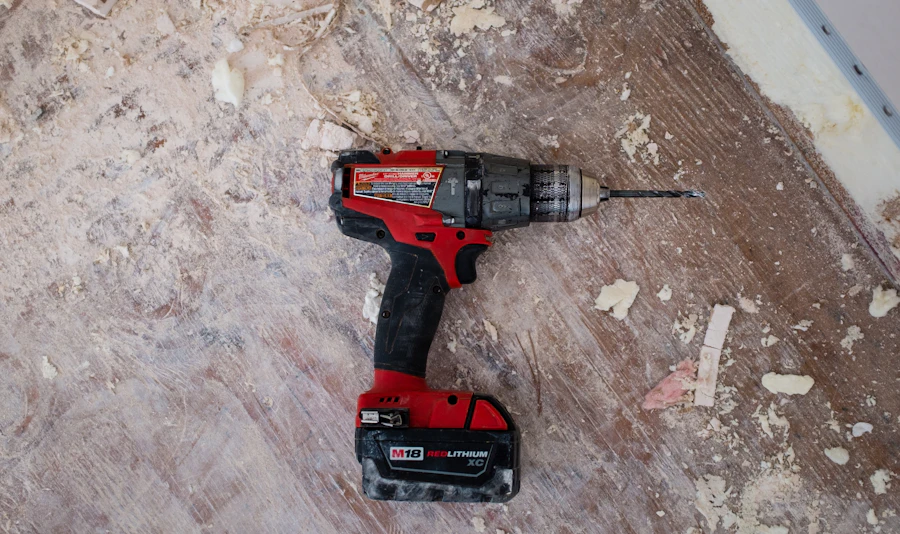
The cordless tool revolution led by manufacturers including Milwaukee, DeWalt, and Makita has created new tool backpack requirements because lithium-ion battery systems, brushless motor tools, and integrated LED work lights create an ecosystem of compatible tools that professionals accumulate progressively, requiring carry solutions with expandable capacity and modular organization that accommodates growing tool collections without requiring complete carry system replacement as collections expand. Forward-thinking tool backpack manufacturers design products with modular compartment inserts, expandable capacity through gusseted expansion panels, and standardized sizing compatible with popular tool models from major brands enabling tool backpack products that serve professionals throughout their career tool accumulation journey rather than becoming inadequate as collections grow beyond original design capacity.
Sustainability in tool backpack manufacturing presents unique opportunities because the professional trades community increasingly values durable products that reduce replacement frequency and associated waste. Manufacturers investing in repairability through replaceable strap systems, swappable zipper modules, and field-replaceable base panels enable tool backpacks that maintain decades of useful service life through component replacement rather than complete product disposal when individual wear components reach end of life. This approach to product longevity reduces environmental impact while creating customer loyalty through products that serve reliably across career-spanning timeframes, generating positive word-of-mouth recommendation within tight-knit trades communities where equipment reputation spreads rapidly through professional networks and job site demonstrations of tool backpack durability under demanding daily use conditions.
Integration of electronic device management in tool backpacks reflects the increasing digitization of trades work including tablet-based blueprint viewing, smartphone-connected diagnostic tools, and digital invoicing systems requiring tradespeople to carry electronic devices alongside traditional hand tools and power equipment. Dedicated padded electronics compartments separated from heavy metal tool sections prevent device damage from tool contact vibration during carrying, while organized cable and charger management pockets enable complete mobile office capability from a single carry solution serving the modern connected tradesperson. Manufacturers incorporating these technology integration features alongside traditional tool organization create products serving evolving work practices that blend physical tool carrying with digital workspace mobility requirements that define contemporary trades work across construction, maintenance, and field service professional environments.
The growing emphasis on workplace safety across construction and industrial environments creates additional requirements for tool backpack design including high-visibility reflective elements for worker visibility compliance on active construction sites, integrated tool securing systems preventing sharp tool exposure during carrying that creates laceration risk, and load management features reducing musculoskeletal injury risk from repetitive heavy tool carrying across career-spanning work patterns that create cumulative injury potential when ergonomic carrying solutions receive inadequate design attention from manufacturers focused primarily on storage capacity rather than occupational health considerations.
Professional tool backpack users increasingly value integrated technology features including USB charging ports for mobile device power maintenance throughout work days, built-in LED work lights for illumination in dark work environments, and durable waterproof ratings enabling use across all weather conditions without equipment damage risk. These integrated features add meaningful daily utility that justifies premium positioning while requiring manufacturing partners capable of combining electronic assembly with heavy-duty textile construction in unified production workflows.
Related Resources
business backpacks outdoor backpacks tactical backpacks casual backpacks travel backpacks hiking backpacks commuter backpacks about us contact us request a quote business backpack manufacturing outdoor backpack guide tactical backpack specifications casual backpack market trends commuter backpack trends military-style backpack analysisReady to Start Your Custom Backpack Project?
Contact Junyuan Bags for OEM/ODM manufacturing solutions. With 15,000 sqm of production space, 8 production lines, and ISO 9001:2015 certification, we deliver premium backpacks at competitive prices.
Get a Free Quote