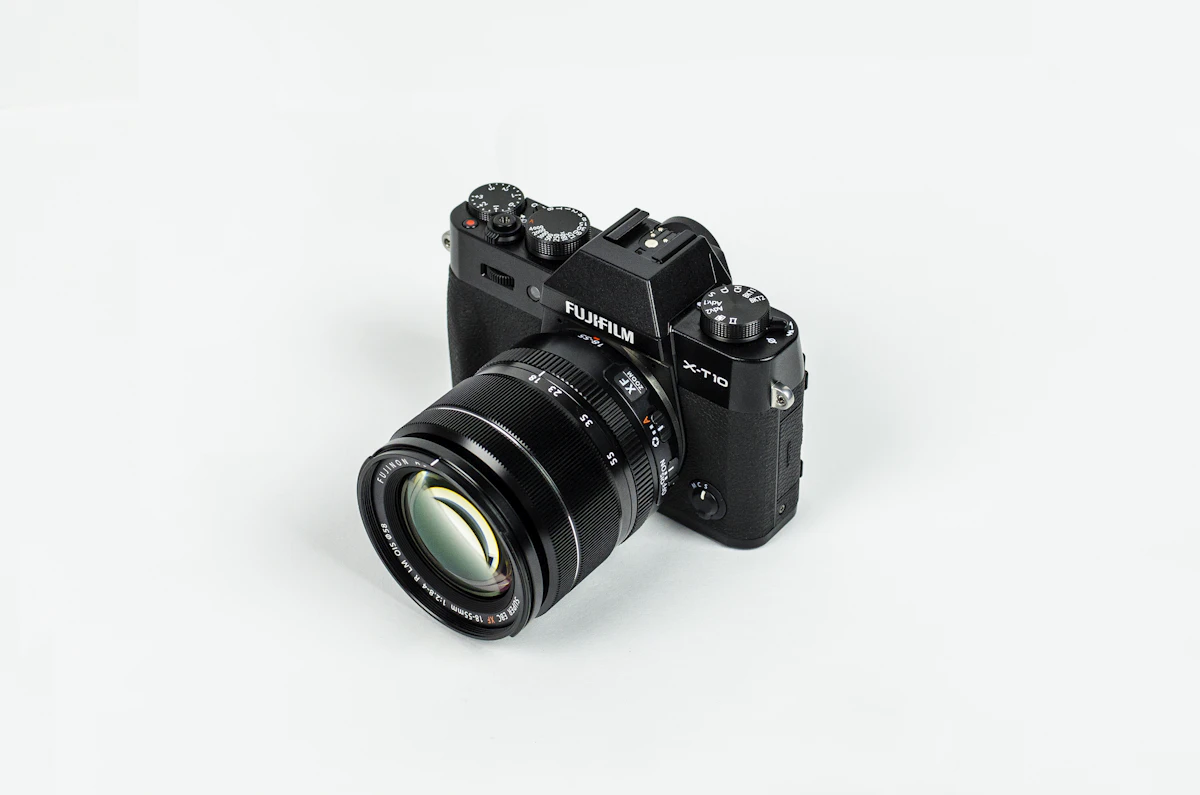
Photographer backpacks represent the most technically demanding subcategory within the camera carry segment, designed specifically for working photographers who transport comprehensive camera systems across diverse shooting environments while requiring rapid equipment access and complete organizational control over their valuable gear inventory. Unlike general camera bags that provide basic protection, photographer backpacks must enable the complete workflow of professional photography from equipment transport through field access and back to secure storage, creating products that serve as mobile studios supporting creative professionals whose livelihoods depend on reliable equipment protection and efficient organization.
The photographer backpack market serves professional photographers across multiple specializations including portrait, landscape, wedding, commercial, photojournalism, and fine art photography, each with distinct equipment profiles and access requirements that influence backpack design specifications. The expansion of professional photography into content creation, brand partnerships, and digital media has expanded the addressable market significantly beyond traditional photography specializations. For manufacturers and B2B buyers, the photographer backpack segment offers premium margins, technically engaged consumers who value quality over price, and opportunities for meaningful differentiation through protection engineering and organizational innovation that serves specific photographer workflows.
This comprehensive guide examines every critical aspect of photographer backpack specialized design and manufacturing, from protective engineering and access system design to organizational architecture, material selection, and manufacturing quality standards that ensure products meet the exacting requirements of professional photographers who depend on their equipment carry solutions for both equipment protection and creative workflow efficiency.
Understanding Photographer Backpack Requirements
Professional photographers have requirements that extend far beyond basic equipment protection to encompass the complete workflow of photographic practice from equipment preparation through field use and return to secure storage. Understanding these requirements is essential for developing photographer backpack products that genuinely serve professional needs rather than simply providing basic padded carry.
Equipment Protection and Access Balance
The fundamental design challenge for photographer backpacks is balancing equipment protection against rapid access requirements that working photographers need during active shooting situations. Maximum protection typically requires equipment to be fully enclosed within padded compartments with multiple closure layers, while rapid access demands quick-open designs that minimize steps between decision to use equipment and having it ready for shooting. The best photographer backpack designs achieve this balance through thoughtful compartment architecture that provides immediate access to frequently used equipment while maintaining full protection for items accessed less frequently. Side-access panels enable lens changes without removing the pack, while top-access designs provide complete equipment visibility for gear selection during setup periods.
Professional Workflow Integration
Professional photographer backpacks must integrate into the complete workflow of photographic practice rather than simply serving as transport containers. This means providing organization systems that enable equipment preparation and inventory management, protective compartments that maintain equipment in ready-to-use condition between shooting sessions, weather protection that enables continued shooting in adverse conditions, and comfort systems that support extended carrying during location scouting, event coverage, or travel between shooting locations. Understanding how professional photographers actually work, from equipment preparation through transport, shooting, and post-session equipment management, enables backpack designs that genuinely improve professional workflow efficiency rather than simply protecting equipment during transit.
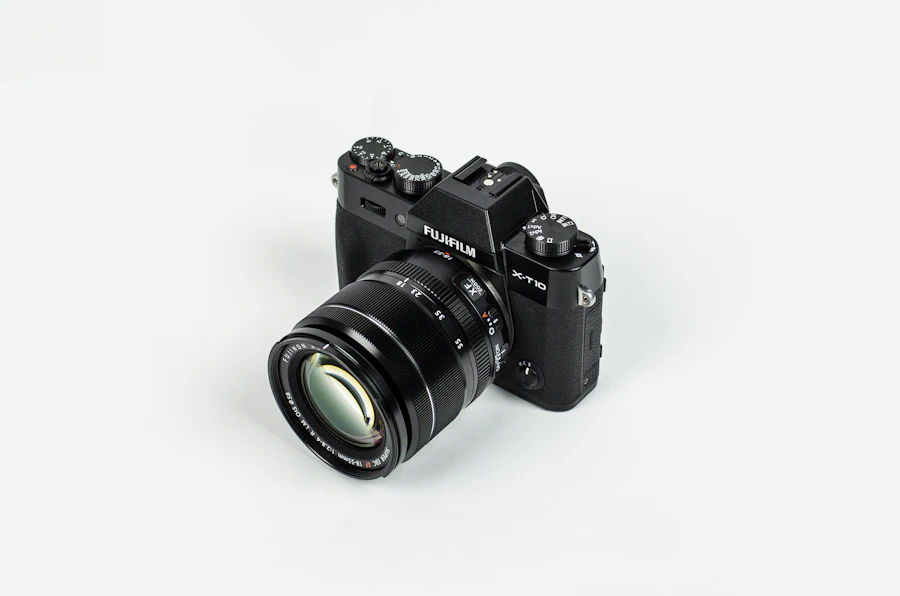
Protective Engineering for Camera Equipment
Camera equipment protection engineering represents the technical foundation of photographer backpack design, requiring understanding of both the fragility characteristics of photographic equipment and the environmental threats encountered during transport and field use that could compromise equipment function or image quality.
Multi-Layer Impact Protection Systems
Professional photographer backpacks employ multi-layer protection systems that address impact forces from multiple directions and magnitudes. Outer shell rigidity from structured panel construction or molded elements prevents concentrated impact forces from reaching equipment. Middle layers of energy-absorbing foam dissipate impact energy across broader areas, reducing peak forces transmitted to equipment. Inner contact layers of soft foam prevent surface scratching while providing custom conformity to equipment contours. This multi-layer approach ensures protection against both high-force impacts from drops and low-force contact damage from equipment movement within compartments during transport across uneven terrain.
Environmental Sealing and Climate Protection
Professional camera equipment faces environmental threats including moisture, dust, extreme temperatures, and condensation that can cause severe and sometimes irreversible damage to sensitive optical and electronic components. Photographer backpack environmental protection systems combine water-resistant exterior fabrics with sealed seam construction, water-resistant zippers, and integrated rain covers to provide comprehensive moisture protection across the full range of weather conditions encountered during outdoor photography assignments. Anti-static interior fabrics prevent dust attraction to camera sensors. Moisture management systems prevent condensation buildup that promotes fungal growth on optical elements during temperature transitions between environments.
Organizational Architecture for Professional Systems
Professional photographer backpack organizational design must accommodate complete camera systems including multiple camera bodies, lens collections, lighting equipment, support accessories, and personal items while maintaining the accessibility and security that professional workflow demands during active shooting assignments.
Modular Compartment Systems
Professional photographer backpacks employ modular compartment systems using padded dividers that attach to loop-lined interior surfaces, enabling complete organizational customization for individual equipment profiles and shooting scenarios. Divider systems must provide secure attachment that prevents shift during transport while enabling rapid reconfiguration when equipment needs change between assignments. Premium designs offer quick-release divider mechanisms that enable reconfiguration without removing equipment from compartments, supporting equipment changes during active shooting situations where time efficiency directly impacts photographic opportunity capture. Some designs incorporate removable modular inserts that provide complete organizational systems that can be exchanged for different configurations as shooting requirements change throughout the day.
Specialized Equipment Accommodation
Beyond standard camera body and lens compartments, professional photographer backpacks must accommodate specialized equipment including tripod mounting systems, filter holders, battery charging stations, memory card management, laptop compartments for field editing and client review, and personal item organization for extended shooting assignments. Each specialized accommodation requires dedicated design attention that addresses the specific protection and access requirements of the equipment type while integrating with the overall organizational system that enables efficient equipment management across the complete range of professional photography assignments and specializations.
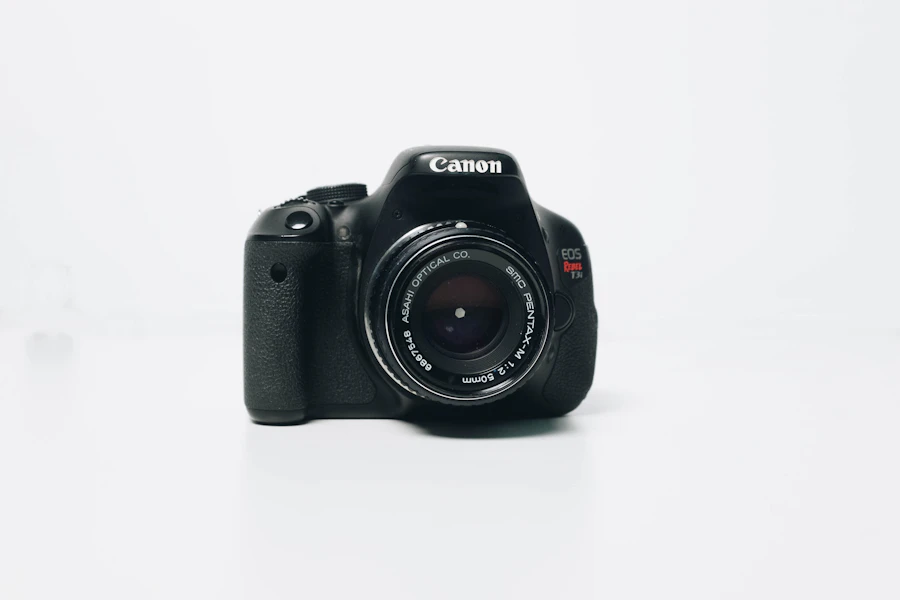
Material Selection for Photographer Backpack Performance
Materials for photographer backpacks must address the unique requirements of camera equipment transport including structural rigidity for protection, weather resistance for environmental security, anti-static properties for sensor protection, and durability for extended professional service life across diverse shooting environments worldwide.
Technical Fabric and Protection Materials
Photographer backpack exterior materials combine high-denier nylon or polyester fabrics providing structural rigidity and abrasion resistance with specialized interior materials including anti-static fabrics that prevent dust attraction to camera sensors, moisture-wicking linings that prevent condensation accumulation on optical elements, and soft-touch surfaces that protect camera body and lens finishes from scratching during insertion and removal from compartments. Weather-resistant exterior coatings and sealed seam construction protect equipment from environmental moisture during outdoor shooting assignments. Some premium designs incorporate hard-shell elements molded from EVA or polycarbonate providing rigid protection zones for critical equipment areas while maintaining flexibility in non-critical zones for comfortable carrying and pack compression when stowed in tight spaces during transport.
Advanced Manufacturing Techniques for Photographer Backpack
Manufacturing Photographer Backpack products at professional quality standards requires production techniques that go far beyond basic bag construction to encompass precision engineering, specialized material handling, and comprehensive quality verification processes that ensure every manufactured unit meets the performance expectations of demanding users in this product category.
Precision Construction Methods
Precision construction in Photographer Backpack manufacturing encompasses computer-controlled cutting systems that ensure dimensional accuracy across all pattern components, specialized sewing techniques for multi-layer assemblies and reinforcement installations, and systematic quality inspection protocols that verify every critical construction element before products advance to the next production stage. Operators trained in category-specific construction requirements understand the nuances that distinguish products that perform reliably from those that fail prematurely under demanding use conditions. This expertise, developed through years of category-specific production experience, represents a competitive advantage that experienced manufacturing partners bring to product development collaborations with brand partners seeking reliable quality across production runs and repeat orders.
Testing Infrastructure and Protocols
Comprehensive testing infrastructure supports quality verification across multiple performance parameters including structural strength through tensile and compression testing, weather resistance through hydrostatic and rain simulation testing, durability through abrasion and cycle testing, and environmental resistance through temperature and UV exposure testing. These testing capabilities enable in-process quality verification that identifies potential issues before they propagate through production, reducing waste and ensuring consistent quality across manufactured units. Third-party testing accreditation from laboratories such as SGS, Intertek, and Bureau Veritas provides independent verification of product performance claims that support brand credibility in competitive market segments.
Buyer's Guide: Selecting Photographer Backpack Manufacturing Partners
Choosing the right manufacturing partner for Photographer Backpack products requires careful evaluation of multiple criteria that collectively determine whether a factory can deliver the quality, consistency, and service level that brand partners require for successful product lines in competitive market segments.
Essential Partner Evaluation Criteria
Key evaluation criteria for Photographer Backpack manufacturing partners include demonstrated experience in the specific product category, quality management certifications including ISO 9001:2015 for systematic quality management and BSCI or Sedex for social compliance verification, production capacity that matches volume requirements with room for growth, material sourcing relationships that enable access to appropriate fabrics and components, communication capabilities that support effective collaboration across geographic and cultural boundaries, and financial stability that ensures reliable partnership continuity across multiple production cycles. Factory visits provide invaluable insight into production capabilities, quality culture, and working conditions that cannot be fully assessed through documentation review alone.
Partnership Development and Communication
Successful manufacturing partnerships develop through transparent communication, clear specification documentation, mutual respect for expertise, and collaborative problem-solving when challenges arise during product development or production. Providing detailed technical specifications including material requirements, construction methods, quality standards, and testing protocols enables manufacturing partners to meet expectations consistently. Regular communication through scheduled calls, factory visit reports, and production update documentation maintains alignment throughout development and production cycles. Junyuan Bags, with established experience across multiple backpack categories, ISO 9001:2015 certification, BSCI compliance, and a 15,000 square meter facility in Quanzhou staffed by over 200 skilled craftspeople, provides the comprehensive manufacturing partnership infrastructure that Photographer Backpack product development and production requires, with minimum order quantities of 300 pieces per design supporting accessible entry for brands at all development stages.
Future Trends in Photographer Backpack Market Development
The Photographer Backpack market continues evolving through material innovation, changing consumer preferences, and manufacturing technology advancement that creates new possibilities for product performance and differentiation. Sustainable material integration accelerates from premium differentiator to standard expectation across all market segments. Smart features including integrated tracking, environmental monitoring, and connectivity capabilities expand from novelty to mainstream requirement as technology costs decrease and consumer expectations evolve. Circular economy approaches enabling product recycling and material recovery gain traction among environmentally conscious consumers and brand partners committed to reducing environmental impact across their product portfolios.
Innovation Opportunities for Forward-Looking Brands
Brands that invest in understanding emerging trends and developing products that anticipate future market requirements rather than simply responding to current conditions capture competitive advantage in this dynamic market segment. Manufacturing partners who invest in research and development capabilities, maintain awareness of emerging material technologies, and support their brand partners in innovation development create collaborative relationships that drive mutual success across evolving market landscapes. The Photographer Backpack manufacturers and brand partners who thrive will be those who combine manufacturing excellence with genuine understanding of user needs and commitment to continuous improvement that elevates the entire product category through innovation, quality, and authentic value creation for the consumers who depend on these products for their daily activities and professional pursuits.
Manufacturing Excellence and Quality Assurance for Photographer Backpack Products
Manufacturing Photographer Backpack products requires specialized production capabilities, skilled workmanship, and comprehensive quality management systems that ensure consistent product performance across production runs and repeat orders. The manufacturing process for this product category demands attention to detail that distinguishes capable production partners from those who cannot meet the specific construction and material requirements that Photographer Backpack products demand. Quality control programs must address the unique performance characteristics that users expect, including durability under demanding conditions, reliable function across extended product lifespans, and consistent aesthetic quality that supports brand positioning in competitive market segments.
Production Capabilities and Facility Infrastructure
Effective manufacturing requires production facilities equipped with specialized machinery and staffed by operators experienced in the specific construction techniques these products demand. Computer-controlled cutting systems ensure dimensional precision across complex pattern components. Heavy-duty sewing equipment handles multiple fabric layers and reinforcement materials. Quality testing infrastructure supports in-process quality verification. Junyuan Bags maintains comprehensive manufacturing capabilities across our 15,000 square meter facility in Quanzhou, Fujian Province, where over 200 skilled craftspeople operate eight dedicated production lines with annual capacity exceeding two million units.
Customization and Brand Development Support
Products in this category offer extensive customization opportunities enabling brand partners to create distinctive offerings reflecting their unique market positioning. Custom material specifications, proprietary organizational configurations, branded hardware development, and exclusive color programs contribute to product differentiation. Private mold development creates proprietary branding elements that competitors cannot replicate. Our manufacturing partnership model supports comprehensive customization with minimum order quantities of 300 pieces per design.
Sustainability Integration in Photographer Backpack Manufacturing
Environmental responsibility has become fundamental across all backpack manufacturing categories as conscious consumers evaluate products on sustainability credentials alongside traditional performance and quality metrics.
Responsible Material Sourcing and Production
Responsible manufacturing incorporates recycled materials from post-consumer waste streams including recycled polyester and regenerated nylon. PFC-free water repellent treatments eliminate persistent environmental contaminants. Waste reduction programs recycle manufacturing scrap. Energy efficiency measures reduce carbon footprint. These initiatives support authentic environmental stories resonating with conscious consumers while reducing environmental impact of products serving active lifestyles across diverse market segments.
Related Resources: Explore luxury backpack collection, outdoor backpack solutions, business backpack solutions, casual backpack range, full product range, waterproof fabric technology, ballistic nylon vs Cordura, custom backpack manufacturing, travel backpack range, tech backpack solutions. Visit about us, contact us, or request a quote.
Weather Resistance and Environmental Protection in Photographer Backpack Manufacturing
Waterproofing Technologies for Camera Protection
Camera equipment demands comprehensive weather resistance in backpack design. Professional photographer backpack manufacturing employs multiple waterproofing strategies to protect expensive electronic equipment from moisture damage. The most effective approach combines a water-resistant exterior shell with an integrated rain cover and sealed seam construction. High-denier nylon fabrics treated with durable water repellent (DWR) coatings provide the first line of defence against precipitation. At Junyuan Bags, we apply PU coatings rated at 5000mm hydrostatic pressure minimum for all photographer backpack lines, ensuring reliable protection during unexpected weather exposure.
Seam sealing represents a critical manufacturing step that many budget manufacturers overlook. Every needle hole created during stitching represents a potential water entry point. Premium photographer backpacks require heat-sealed tape applied along all internal seams, welded seam construction in critical zones, and waterproof zipper covers. Our production facility implements automated seam taping for all photographer-specific designs, achieving consistent seal quality across production runs. The integrated rain cover, typically stored in a dedicated bottom compartment, provides an additional waterproof layer during heavy rain conditions.
Climate Control and Condensation Management
Photographers frequently move between extreme temperature environments, creating condensation risks inside camera compartments. When moving from cold outdoor conditions into warm interiors, moisture condenses on camera lenses and sensor surfaces, potentially causing equipment damage and image quality issues. Advanced photographer backpack designs address this challenge through ventilated camera compartments that allow gradual temperature equalisation while maintaining protective padding.
Our engineering team incorporates mesh-lined divider walls and breathable fabric panels within camera compartments to promote air circulation. Strategic ventilation openings covered with weather-resistant mesh prevent rapid temperature changes while blocking dust and debris entry. Some premium designs incorporate removable silica gel pockets within camera sections to absorb excess moisture during humid conditions. These thoughtful design elements demonstrate the manufacturing expertise required for professional-grade photographer backpacks.
Anti-Theft Features for Equipment Security
Photographer backpacks carry extremely valuable equipment, making anti-theft features essential in modern designs. Hidden zippers positioned against the wearer's back prevent unauthorized access during crowded urban environments. Lockable zipper pulls accommodate small padlocks for additional security during travel. Some professional designs incorporate slash-resistant materials in shoulder straps and back panels to prevent cutting attacks. RFID-blocking pockets protect connected smart devices and accessories from electronic theft attempts. Our manufacturing process integrates these security features seamlessly into the overall design without compromising accessibility or comfort.
Professional After-Sales Support and Warranty Considerations
Warranty Framework for Photographer Backpack Products
The professional photography market demands comprehensive warranty coverage reflecting the premium positioning of photographer backpacks. Leading brands typically offer lifetime warranties covering manufacturing defects, with specific terms addressing zipper failures, seam separations, buckle breakage, and padding compression. As a B2B manufacturer, Junyuan Bags supports our clients' warranty programmes through rigorous quality control that minimizes defect rates below 0.3 percent. Our ISO 9001:2015 certified production system ensures every backpack meets exacting specifications before shipment.
We provide comprehensive after-sales documentation including care instructions, repair guidelines, and warranty claim procedures. Our technical team supports client brands with troubleshooting assistance and provides replacement components for field repairs. This manufacturer-level support enables brands to deliver confident warranty promises to their customers while maintaining sustainable cost structures. Long-term partnerships benefit from our continuous improvement process, incorporating field feedback into design refinements that enhance durability and user satisfaction across product generations.
Ready to Start Your Custom Backpack Project?
Contact Junyuan Bags for OEM/ODM manufacturing solutions.
Email: service@junyuanbags.com
WhatsApp: +86 177 5002 0688