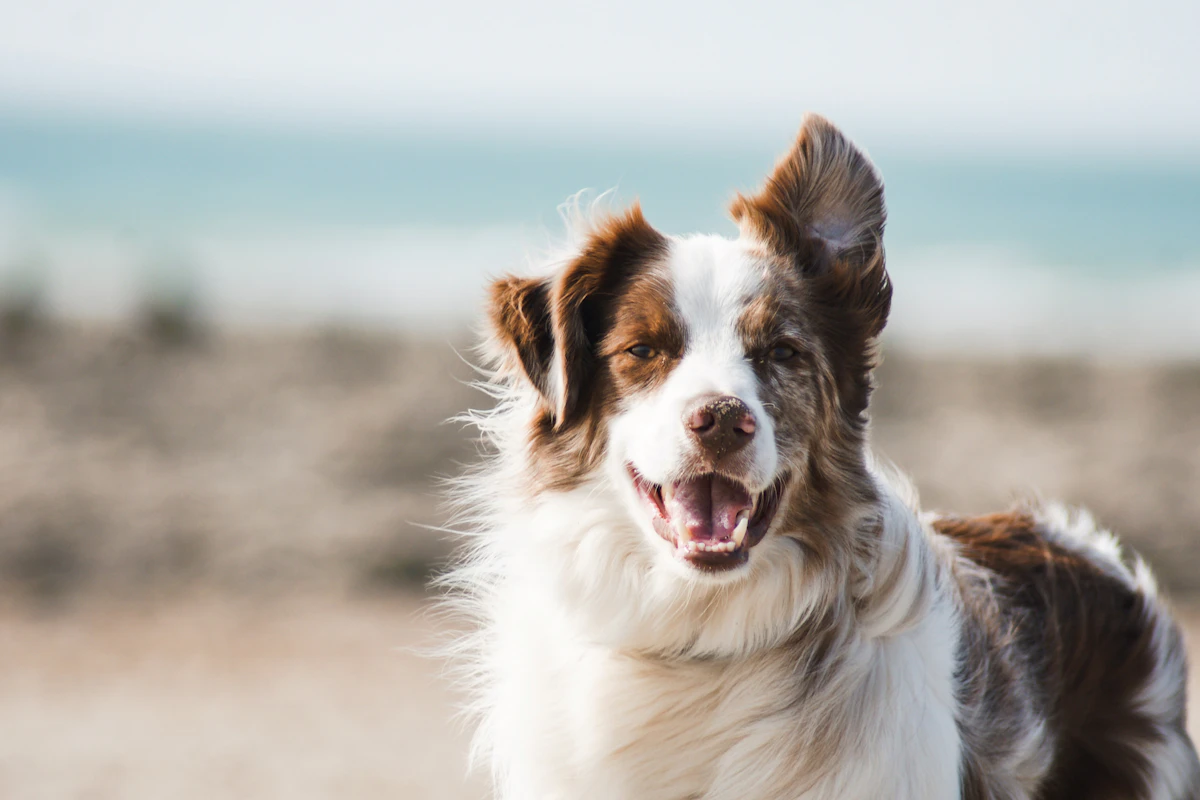
Pet carry backpacks represent one of the most emotionally driven and technically demanding product categories within the broader backpack industry, addressing the growing consumer desire to include companion animals in daily activities including travel, outdoor recreation, urban exploration, and commuting. Unlike standard backpacks designed to carry inanimate objects, pet carry backpacks must accommodate a living, breathing passenger with specific physiological requirements for ventilation, temperature regulation, comfort, and safety that create design and manufacturing challenges fundamentally different from conventional carry solutions. The responsibility of transporting a living creature safely creates consumer expectations for product quality and reliability that exceed those applied to typical backpack purchases, because product failure in pet carry scenarios involves not just property damage but potential harm to beloved animal companions that many owners consider family members deserving of maximum safety consideration in product design and selection.
The pet carry backpack market has grown dramatically alongside the humanization of pets trend that has elevated companion animals from property to family status across major consumer markets globally. Pet industry spending worldwide exceeds three hundred billion dollars annually, with the pet accessories segment experiencing particularly strong growth as owners seek products enabling shared experiences with animal companions. The backpack format for pet carrying offers unique advantages over traditional carriers including hands-free mobility enabling hiking and cycling with pets, closer pet-to-owner proximity reducing animal anxiety during transport, and the ability to carry pets through environments where traditional carriers face access restrictions. These advantages drive consumer interest while creating manufacturing opportunities for factories capable of addressing the specific technical requirements that pet safety and comfort demand in backpack form factor design.
This comprehensive guide examines every critical aspect of pet carry backpack design including ventilation engineering, safety systems, material selection, structural design, manufacturing processes, quality testing, and sourcing strategies. The analysis provides brand partners and B2B buyers with the detailed knowledge framework needed to develop competitive pet carry products that earn consumer trust through demonstrable safety engineering and genuine attention to the physiological and behavioral needs of animal passengers who depend on product design quality for their comfort and wellbeing during transport.
Understanding Pet Physiology and Carry Requirements
Designing safe and comfortable pet carry backpacks requires understanding the physiological characteristics of common pet species that determine ventilation requirements, temperature sensitivity, stress responses, and comfort needs during transport in confined backpack environments. Cats and small dogs represent the primary passenger categories for pet backpacks, each with distinct physiological characteristics that influence design priorities and engineering decisions throughout the product development process.
Thermoregulation and Heat Sensitivity in Pets
Dogs and cats possess thermoregulation systems fundamentally different from humans, making them more susceptible to heat stress in confined environments. Dogs primarily dissipate heat through panting rather than sweating, requiring adequate air circulation to enable evaporative cooling through respiratory surfaces. Cats similarly rely on respiratory heat exchange and limited sweating through paw pads for thermoregulation. In confined backpack environments with inadequate ventilation, body heat accumulation rapidly elevates internal temperature beyond comfortable and potentially dangerous levels, particularly for brachycephalic breeds with shortened nasal passages that impair respiratory cooling efficiency. Understanding these thermoregulation mechanisms drives ventilation design requirements that must maintain internal temperature within safe ranges even during warm weather transport and physical activity generating carrier body heat from the wearing owner.
Stress Response and Confinement Behavior
Animal stress responses during confinement significantly influence pet carry backpack design decisions regarding visibility, space allocation, and environmental control. Many cats and dogs experience elevated stress when confined in unfamiliar enclosed spaces, manifesting as increased heart rate, rapid breathing, vocalization, and attempts to escape. Design elements that mitigate stress including transparent viewing panels enabling environmental observation, adequate space for standing and turning, familiar scent retention through washable interior fabrics, and noise reduction through soft interior surfaces all contribute to reducing transport stress for animal passengers. Understanding species-specific stress triggers enables design decisions that create calmer transport experiences, reducing the behavioral challenges that otherwise limit consumer willingness to use backpack carriers versus traditional hard-sided carriers that offer less owner proximity and visibility.
Ventilation Engineering for Pet Carry Backpacks
Ventilation represents the single most critical safety factor in pet carry backpack design, directly determining whether animal passengers can maintain comfortable body temperature and adequate oxygen supply throughout transport periods. Unlike human passengers who can communicate discomfort and request intervention, animal passengers depend entirely on product design to provide adequate environmental conditions, making ventilation engineering a moral responsibility alongside its commercial importance for product quality and brand reputation.
Multi-Panel Ventilation Design
Effective pet backpack ventilation requires multiple mesh panels positioned on different sides of the carrier to enable cross-ventilation that moves fresh air through the compartment rather than simply providing static air holes that offer minimal actual airflow. Minimum design standards require at least three ventilated panels on different faces of the carrier with combined mesh area of at least 360 square centimeters for small pet carriers and 600 square centimeters for medium and large designs. Panel positioning must account for typical carrying orientation with the backpack in upright position on the wearer back, ensuring ventilation panels face outward rather than against the wearer body where they become blocked. Expandable ventilation configurations enable owners to increase airflow in warm conditions while providing the option to partially cover panels in cool or stressful environments where reduced visibility and draft may comfort anxious animals.
Mesh Selection and Safety Aperture Design
Ventilation mesh selection must balance airflow effectiveness against escape prevention and injury risk from paw, nose, or claw insertion through mesh openings. Mesh aperture size of 8 to 15 millimeters provides adequate airflow while preventing most pets from inserting paws or noses through openings that could lead to injury or escape. Mesh material must resist scratching and tearing from claw contact while maintaining structural integrity across the product lifespan. Polyester mesh with reinforced weaving patterns provides durability against claw damage while maintaining breathability. Metal mesh inserts in high-risk areas around viewing panels provide additional scratch resistance where pets may concentrate claw activity. The mesh frame integration must eliminate sharp edges or gaps where claws could become trapped, requiring careful attention to frame construction details that distinguish quality products from designs that create injury risk alongside ventilation function.
Safety Systems and Escape Prevention
Security systems in pet carry backpacks must prevent both accidental escape from opening mechanisms and intentional escape by animals capable of manipulating simple fasteners. The combination of curious animals, stress-driven escape attempts, and the consequences of pet loss in unfamiliar environments creates design requirements that prioritize security through redundant locking mechanisms and structural integrity that prevents compromise through animal activity during transport.
Zipper Security and Locking Mechanisms
Primary entry zippers must incorporate locking mechanisms preventing pets from opening zippers internally through paw manipulation or body pressure against slider mechanisms. Dual-slider zippers with opposing pull directions require simultaneous manipulation of both sliders to open, preventing single-point manipulation from compromising security. Zipper pull tabs can be secured with small clips or carabiners attachment to fixed points, adding another barrier preventing zipper movement. Internal leash attachment clips connected to pet harnesses provide redundant security preventing escape even if primary zipper security is compromised, keeping the animal tethered within the carrier until the owner can secure the opening. These layered security approaches acknowledge that motivated animals may discover single-point security weaknesses, requiring multiple independent barriers that must all be simultaneously defeated for escape to occur.
Structural Integrity and Collapse Prevention
Pet carry backpacks must maintain structural integrity preventing compartment collapse that could injure or suffocate animal passengers. Internal frame structures using lightweight aluminum or reinforced plastic maintains compartment shape even when the backpack is set down or experiences external pressure. Frame design must provide rigid support at the top preventing fabric collapse onto the animal while allowing sufficient flexibility for comfortable backpack wear on the owner. Ventilation panel frames must resist deformation from animal pushing or scratching activity that could create gaps enabling escape or injury. Bottom panel reinforcement prevents sagging under animal weight, maintaining a stable platform that supports animal comfort and confidence during transport. The structural design process requires consideration of dynamic loads from animal movement within the carrier, impact forces from accidental drops or bumps, and long-term material fatigue from repeated loading cycles across the product lifespan.
Material Selection for Pet Carry Applications
Material selection for pet carry backpacks must address requirements unique to animal transport including scratch resistance, bite resistance, non-toxic safety, easy cleaning for hygiene maintenance, odor resistance, and durability against the specific wear patterns that animal activity creates including claw contact, chewing behavior, and accident-related contamination. These requirements create material selection challenges that differ significantly from standard backpack materials where aesthetic and durability concerns dominate without the safety and hygiene imperatives that animal transport demands.
Exterior Shell Materials for Durability
Pet backpack exterior materials must resist scratching from claw contact during stress-driven escape attempts, resist chewing damage from anxious animals testing confinement boundaries, and maintain structural integrity despite exposure to moisture from accidents or outdoor conditions during transport. Nylon fabrics in 420D to 840D denier with reinforced ripstop construction provide adequate durability for most pet applications at reasonable cost. Oxford cloth with polyurethane coating offers water resistance alongside durability, protecting interior contents from rain exposure during outdoor transport. Reinforced corner panels using abrasion-resistant materials address high-wear areas where paws concentrate against fabric during standing or climbing attempts inside the carrier. These exterior material choices must balance durability with weight considerations, as pet backpacks carry significant additional weight from animal passengers making overall pack weight an important comfort factor for human wearers.
Interior Materials for Safety and Hygiene
Interior materials contacting animal passengers must meet safety standards for non-toxic contact with animal skin and potential mouthing behavior from curious pets. Oeko-Tex Standard 100 certification for textile materials ensures absence of harmful substances including formaldehyde, heavy metals, and allergenic dyes that could harm animal passengers through direct contact or ingestion. Interior linings should be removable and machine washable for hygiene maintenance across repeated use cycles, as accidents and shedding create contamination that must be addressed for both animal health and owner comfort. Waterproof interior base materials with sealed seams prevent liquid penetration into insulation and structure layers, enabling thorough cleaning without damaging the backpack structural integrity. Antimicrobial treatments applied to interior fabrics inhibit bacterial growth from organic contamination, controlling odor development between cleaning cycles and maintaining fresh conditions for animal passengers with sensitive olfactory systems.
Ergonomic Design for Human Comfort with Pet Loads
Pet carry backpacks must address the ergonomic requirements of human wearers carrying live animal loads that differ from typical backpack contents in weight distribution characteristics, center of gravity behavior through animal movement, and the emotional attention that carrying a living creature demands from the wearer who may modify carrying behavior to protect the animal passenger in ways that create ergonomic strain if not properly anticipated in design.
Load Distribution and Carrying System Engineering
Animal passengers create dynamic loads that shift as pets move within the carrier, unlike static loads from inanimate objects that maintain consistent weight distribution. Carrying system design must accommodate this dynamic loading through wider padded shoulder straps that distribute load across broader contact areas, adjustable sternum straps that prevent strap slip during movement, and padded back panels that maintain comfort despite shifting load pressure points. Load capacity should be clearly rated with safety margins, typically supporting animals weighing 5 to 18 kilograms depending on backpack size category. The center of gravity in pet backpacks sits higher than standard backpacks due to the animal position in the upper compartment, requiring careful strap geometry that prevents backward lean tendency from top-heavy loading. Hip belt options for larger pet carriers transfer significant load from shoulders during extended carrying periods typical of hiking and travel applications.
Wearer Visibility and Animal Monitoring
Design features enabling wearers to monitor animal passengers without removing the backpack reduce owner anxiety and enable rapid response to animal distress signals. Transparent or mesh viewing panels positioned to allow wearer to glance at the animal passenger over the shoulder or through peripheral vision provide reassurance during transport. Some designs incorporate transparent top panels enabling downward viewing when the backpack is removed and set on a surface. Sound transmission through thin mesh panels enables wearers to hear animal vocalization indicating stress or discomfort, enabling intervention before stress escalates to dangerous levels. These monitoring features support the emotional bond between owner and pet that motivates backpack carrier purchase, providing reassurance that complements the practical transport function.
Size Categories and Pet Species Accommodation
Pet carry backpacks must accommodate diverse animal sizes and species within appropriate design parameters that ensure both safety and comfort for animal passengers. One-size approaches fail to address the wide range of pet dimensions from small cats to medium dogs, creating products that either provide inadequate space for larger animals or excessive empty space for smaller animals that allows dangerous tumbling during movement. Thoughtful size categorization enables products optimized for specific animal size ranges.
Size Category Definition and Interior Dimensions
Small pet backpacks designed for cats and dogs under 5 kilograms typically provide interior dimensions of approximately 30 by 25 by 35 centimeters, offering adequate space for standing, turning, and lying down comfortably. Medium designs for animals between 5 and 10 kilograms expand interior dimensions to approximately 40 by 30 by 40 centimeters, accommodating larger cat breeds and small dog breeds. Large formats for dogs between 10 and 18 kilograms require dimensions of approximately 50 by 35 by 45 centimeters or larger, creating significant volume that demands robust structural engineering to maintain shape under dynamic loading from larger and more active animal passengers. Interior dimensions should provide minimum space for the animal to stand without head contact with the top panel, turn 360 degrees without body compression against walls, and lie down with legs extended comfortably, establishing minimum size requirements that prevent marketing oversized animals in undersized carriers with resulting safety and welfare concerns.
Species-Specific Design Considerations
Cats and dogs exhibit different behavioral patterns in confinement that influence optimal design characteristics. Cats prefer elevated observation positions and may benefit from designs enabling head protrusion through top openings for environmental observation while remaining securely contained. Dogs typically prefer enclosed dark spaces when stressed, responding well to designs offering partial cover options through zippered panel covers that reduce visual stimulation. Bird carriers require perch installation capability and different ventilation patterns addressing avian respiratory sensitivity to air quality. Rabbit carriers need solid flooring rather than mesh bottoms that create foot pressure issues for lagomorph anatomy. Understanding these species-specific requirements enables manufacturers to develop product lines addressing specific pet types rather than offering generic designs that compromise animal comfort by ignoring species-typical behavioral preferences.
Manufacturing Processes for Pet Carry Backpacks
Manufacturing pet carry backpacks requires production processes that address the unique challenges of integrating rigid structural elements, ventilation panels, security hardware, and soft textile construction into cohesive products that meet the safety and durability standards animal transport demands. The combination of textile manufacturing, hardware installation, structural frame assembly, and safety system integration creates production complexity requiring experienced operators and specialized equipment that general bag manufacturers may lack.
Frame Installation and Structural Assembly
Internal frame installation in pet backpacks requires precision positioning of rigid support elements within textile shell construction, creating load paths that maintain compartment shape while connecting to the carrying system strap attachment points. Frame materials including aluminum rods, plastic stays, and molded panels must be installed with secure attachment preventing movement or protrusion into the animal compartment that could cause injury. Frame joints and connection points require reinforcement distributing concentrated loads across adequate fabric area preventing pull-through failure under dynamic loading. Quality control inspection of frame installation verifies secure attachment, absence of sharp edges facing the animal compartment, and proper alignment ensuring compartment dimensions match design specifications without distortion that could reduce internal space below safe minimums.
Ventilation Panel Integration and Security
Ventilation panel installation must create secure boundaries between mesh panels and surrounding fabric structure, preventing gap formation where animals could insert claws or teeth during escape attempts. Heat-sealed bonding of mesh to fabric frames provides smooth edge finishing without exposed raw edges that could fray and create progressively larger gaps through animal activity. Sewn attachment with bound edges using bias tape or webbing covers creates durable panel boundaries resistant to pulling forces from animal scratching activity. Zipper attachment around expandable ventilation sections must include stops preventing zipper separation beyond intended opening range. Hardware installation including D-rings for leash attachment, carabiner clips for security tethers, and buckle components for strap systems requires reinforced attachment distributing load across structural elements rather than single-point stitching vulnerable to pull-through failure.

Quality Testing and Safety Validation
Quality testing for pet carry backpacks must address safety parameters beyond standard backpack testing protocols, reflecting the responsibility of transporting living creatures who depend on product integrity for their welfare. Testing protocols should simulate real-world use conditions including dynamic loading from animal movement, stress testing of security systems, and material safety verification ensuring no harmful substances contact animal passengers during normal use conditions.
Load Testing and Structural Validation
Structural load testing subjects pet backpacks to static loads exceeding maximum rated capacity by 50 percent minimum, verifying that frame structures, strap attachment points, and seam construction maintain integrity under overload conditions that might occur during accidental drops or unexpected loading situations. Dynamic drop testing from specified heights verifies that impact absorption in bottom panels provides adequate protection for animal passengers during handling accidents. Strap pull testing through thousands of cycles simulates long-term carrying use, verifying that strap attachment points and adjustment mechanisms maintain function without progressive loosening or failure that could create dangerous sudden load release situations.
Material Safety and Toxicology Testing
Material safety testing verifies absence of harmful substances in materials contacting animal passengers including formaldehyde, lead, phthalates, and volatile organic compounds that could harm animals through contact, inhalation, or mouthing behavior. Testing protocols comply with relevant standards including Oeko-Tex Standard 100 for textile materials, REACH compliance for chemical substance restrictions in European market products, and CPSIA requirements for lead and phthalate limitations in consumer products. Coatings, dyes, and finishing treatments must cure completely before product use, requiring manufacturing process controls that ensure adequate curing time before packaging and distribution. These material safety requirements protect both animal passengers and brand partners from liability exposure related to toxic material contact, while supporting authentic safety marketing claims that increasingly influence consumer purchasing decisions in the pet product market.
Regulatory Compliance and Certification Requirements
Pet carry backpack products face evolving regulatory requirements across different markets as consumer protection authorities recognize the safety implications of products transporting living animals. Understanding regulatory requirements enables manufacturers to design products achieving compliance from initial development rather than requiring costly redesign after compliance gaps are identified late in product development or after market introduction.
International Market Compliance Requirements
European markets require CE marking compliance for consumer products demonstrating adherence to safety directives including General Product Safety Directive requirements. United States markets reference Consumer Product Safety Commission guidelines and ASTM standards applicable to pet carrying products. Animal welfare regulations in several jurisdictions address minimum space requirements and ventilation standards for animal transport containers, creating specific dimensional and ventilation requirements that pet backpack designs must satisfy for legal market distribution. Material safety regulations including California Proposition 65 for chemical substance disclosure and EU REACH for chemical registration create compliance requirements affecting material selection and finishing process choices throughout product development. Manufacturers serving multiple international markets must maintain awareness of varying requirements across target geographies, ensuring products achieve compliance in all intended distribution markets before commercial launch.
Market Trends and Consumer Preferences
The pet carry backpack market continues evolving through changing consumer attitudes toward pet humanization, expanding outdoor recreation participation including pets, and technology integration creating new product feature possibilities that differentiate offerings in increasingly competitive market segments. Understanding these trends enables manufacturers and brand partners to develop products anticipating future market requirements rather than simply responding to current conditions.
Pet Humanization and Premium Carry Solutions
The humanization trend treating companion animals as family members drives consumer willingness to invest in premium carry solutions that provide superior comfort and safety features beyond basic transport functionality. Premium pet backpacks incorporating memory foam padding, climate-controlled ventilation systems, expandable space configurations, and integrated hydration delivery represent the leading edge of this trend, commanding prices of two hundred to four hundred dollars from consumers who view these investments as equivalent to premium baby transport products. This premium segment growth creates opportunities for manufacturers capable of producing sophisticated products with advanced features while maintaining the safety focus that distinguishes responsible pet carry products from fashion accessories that prioritize appearance over animal welfare considerations.
Outdoor Recreation Integration
Growing participation in outdoor recreation activities including hiking, camping, and trail running with companion animals drives demand for pet backpacks specifically designed for active outdoor use rather than casual urban transport. These applications require enhanced ventilation for temperature management during physical activity, weather resistance for exposure to rain and wind, secure attachment systems preventing animal movement during dynamic activity, and durable construction resisting abrasion from outdoor environment contact. The convergence of outdoor recreation gear expertise with pet carry design creates opportunities for technically differentiated products that serve the active pet owner segment willing to invest in products enabling shared outdoor adventures with animal companions who increasingly participate in activities previously limited to human-only participation.
Manufacturing Excellence and Partner Selection
Selecting the right manufacturing partner for pet carry backpack products requires evaluation of specialized capabilities addressing the unique requirements of animal transport product manufacturing including safety engineering experience, material safety compliance infrastructure, ventilation system construction expertise, and quality testing protocols appropriate for products carrying living creatures rather than inanimate objects.
Essential Manufacturing Partner Qualifications
Quality pet backpack manufacturing partners demonstrate experience with structural frame integration, ventilation panel construction, safety hardware installation, and animal-product safety compliance across their production capabilities. Material sourcing relationships should include certified safe material suppliers providing documentation supporting animal contact safety claims. Quality testing infrastructure must include load testing capability, structural integrity verification, and material safety testing supporting product compliance claims. Production capacity should accommodate brand growth requirements while maintaining quality standards essential for products carrying living animal passengers. These qualifications distinguish partners capable of supporting responsible pet product brands from manufacturers who might approach pet backpacks as simply another bag category without appreciation for the safety responsibility that animal transport products entail.
Junyuan Bags Pet Backpack Manufacturing Capabilities
Junyuan Bags provides comprehensive manufacturing capabilities for pet carry backpack products across our 15,000 square meter facility in Quanzhou, Fujian Province, established since 2004. Our team of over 200 skilled craftspeople operates eight dedicated production lines with annual capacity exceeding two million units across all backpack categories. BSCI certification and ISO 9001:2015 quality management ensure production excellence verified through independent audit. Our experience with structural frame assembly, ventilation panel integration, safety hardware installation, and animal-safe material processing provides the specialized manufacturing capability that pet carry backpack products demand. Defect rates below 0.3 percent reflect quality commitment appropriate for products carrying living animal passengers. We support custom pet backpack development with minimum order quantities of 300 pieces per design, enabling brands from startup concept through established product line expansion to access our manufacturing partnership infrastructure with consistent quality and responsive service.
Industry Insights: Pet Carry Market Innovation and Growth
The pet carry backpack market is experiencing a period of remarkable innovation driven by the convergence of three powerful trends reshaping the companion animal product landscape. The pet humanization megatrend continues accelerating with global pet industry spending projected to exceed 400 billion dollars by 2027, with the pet accessories and travel segment growing at rates significantly above the broader market average. This growth creates expanding opportunity for manufacturers capable of producing innovative pet carry solutions that address the increasingly sophisticated expectations of pet owners who view their animal companions as family members deserving of products designed with the same care and attention applied to human carry solutions including children's products.
Technology integration in pet carry products represents an emerging frontier creating differentiation opportunities for forward-thinking brands. Intelligent ventilation systems with temperature sensors automatically adjusting fan speed based on internal compartment conditions, GPS tracking modules enabling location monitoring if pets escape from carriers, integrated cameras allowing owners to observe pet behavior during transport, and health monitoring sensors tracking heart rate and stress indicators during carry periods all represent technological possibilities moving from concept to commercial reality as component costs decrease and miniaturization enables integration without adding excessive weight to already significant carrying loads. Manufacturers investing in the production capabilities required for these technology-integrated products including electronic assembly infrastructure, sensor calibration systems, and quality testing protocols for electronic features position themselves at the leading edge of a market evolution that rewards innovation while maintaining the fundamental safety requirements that animal transport demands. The brands and manufacturing partners who succeed in this evolving landscape will combine genuine understanding of animal welfare needs with manufacturing excellence and innovation capability that elevates the entire product category through products that genuinely serve both the physical needs and emotional bonds characterizing the human-animal relationship that drives this market's growth and evolution.
Related Resources: Explore our outdoor backpack solutions, travel backpack range, casual backpack range, business backpack collection, tech backpack solutions, luxury backpack collection, full product catalog, waterproof fabric technology, ballistic nylon vs Cordura comparison, custom backpack manufacturing guide. Visit about us, contact us, or request a quote.
Ready to Start Your Custom Pet Backpack Project?
Contact Junyuan Bags for OEM/ODM manufacturing solutions.
Email: service@junyuanbags.com
WhatsApp: +86 177 5002 0688