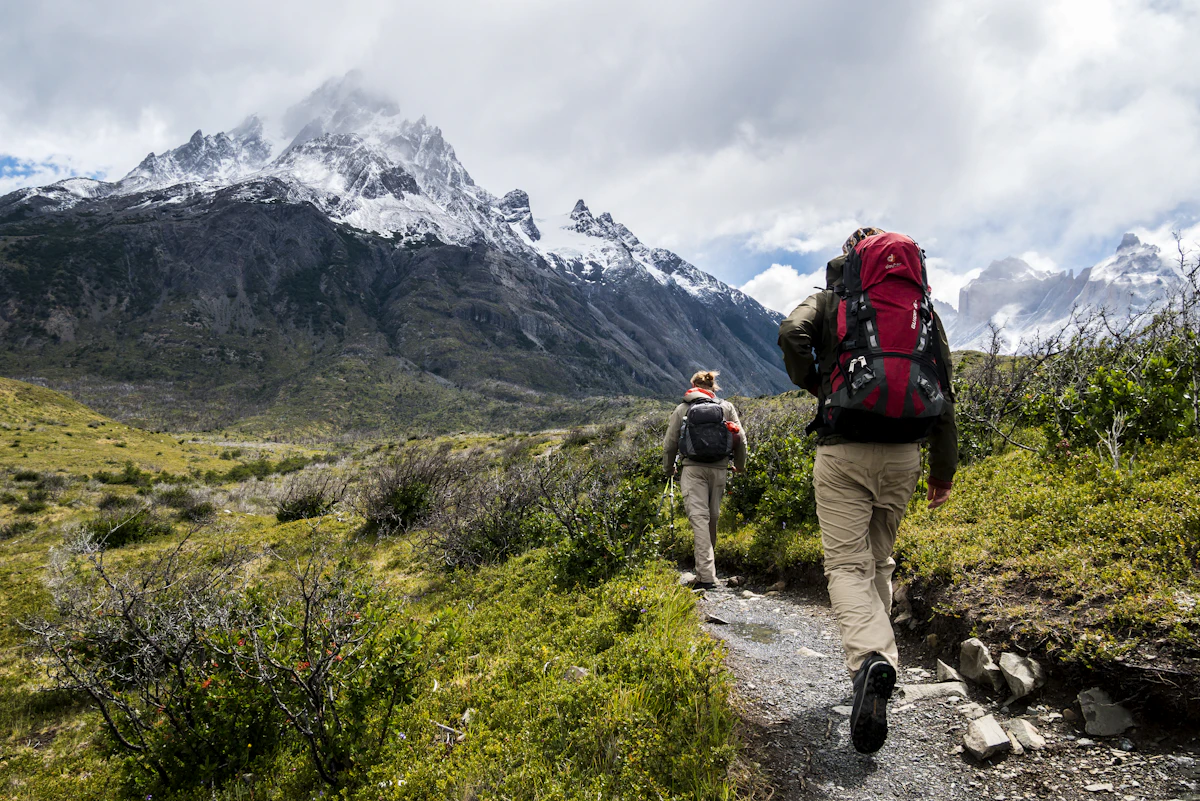
Hiking backpacks represent the intersection of human biomechanics, material science, and wilderness engineering, creating products that must perform reliably across the most demanding carrying conditions while maintaining comfort during extended periods of physical exertion in remote environments far from repair or replacement options. The ergonomic design of hiking backpacks directly impacts hiker safety, endurance, and enjoyment, making it one of the most consequential design categories in the entire backpack manufacturing industry. For manufacturers and B2B buyers, the hiking backpack segment offers strong margins, technically demanding products that reward manufacturing excellence, and a loyal consumer base that values quality and performance above price considerations.
The global hiking backpack market continues to grow as outdoor recreation participation expands worldwide, with hiking remaining one of the most accessible and popular outdoor activities across all demographics and fitness levels. The market for hiking-specific backpacks exceeds 6 billion USD globally, with growth driven by increasing outdoor participation, technological innovation in materials and design, and the expanding premium segment where hikers invest in high-performance equipment that enhances their wilderness experience. Understanding the hiking backpack market and its specific design requirements is essential for manufacturers seeking to serve this demanding but rewarding product category.
This comprehensive guide examines every critical aspect of hiking backpack ergonomic design and manufacturing, from load transfer engineering and back panel ventilation to hip belt design, torso adjustment systems, and manufacturing processes that ensure products deliver the comfort and performance that hikers depend on during extended wilderness journeys where pack performance directly impacts safety and enjoyment.
Understanding Hiking Backpack Ergonomics
Ergonomic design in hiking backpacks addresses the fundamental challenge of carrying significant weight over extended distances on uneven terrain while minimizing physical strain and maximizing comfort. The best hiking backpack designs result from deep understanding of human anatomy, movement biomechanics, and the specific physical demands of hiking across diverse terrain and weather conditions.
Load Transfer Principles
Effective load transfer in hiking backpacks moves the majority of pack weight from the relatively weak shoulder structure to the powerful hip and pelvic structure where the body strongest muscles and skeletal framework can support heavy loads for extended periods. Well-designed hiking backpacks transfer 60 to 80 percent of total load weight through the hip belt, with remaining weight distributed across shoulder straps and stabilized by load lifter and sternum strap systems. This load transfer ratio represents the single most important ergonomic design parameter, directly determining carrying comfort under loads ranging from 10 kilograms for day hikes to 25 kilograms or more for multi-day backpacking expeditions. Manufacturers who understand and implement effective load transfer engineering create products that hikers prefer for the genuine comfort advantage they deliver under heavy load conditions encountered on extended wilderness journeys.
Body Movement and Pack Dynamics
Hiking involves continuous body movement including stride variations, terrain negotiation, balance adjustments, and upper body rotation that all create dynamic forces between the pack and the body. Effective ergonomic design accounts for these dynamic forces by creating pack systems that move with the body rather than resisting natural movement patterns. Flexible framesheet designs that bend with torso rotation, hip belts that articulate independently from the main pack body, and shoulder straps that accommodate arm swing all contribute to pack systems that feel like natural extensions of the body rather than foreign loads that fight against every movement. This harmony between pack and body reduces fatigue during extended hiking sessions and enables hikers to maintain comfortable pace across challenging terrain for hours or days at a time.
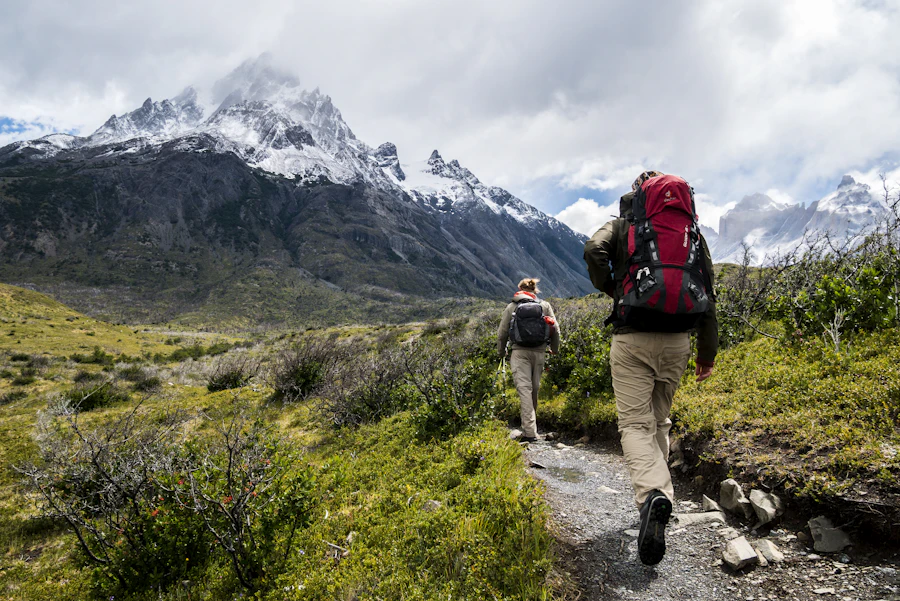
Back Panel Ventilation and Comfort Systems
Back panel ventilation represents one of the most significant comfort innovations in hiking backpack design, addressing the heat and moisture buildup that creates discomfort during sustained aerobic activity in warm conditions. Effective ventilation design reduces back sweat by significant percentages compared to direct-contact back panel designs, creating meaningful comfort improvement that hikers immediately notice and appreciate during extended trail use.
Suspended Mesh Back Panel Technology
Suspended mesh back panel systems create an air space between the pack body and the wearer back by tensioning a breathable mesh panel across a curved frame structure. This air space enables convective airflow that carries heat and moisture away from the back surface, dramatically reducing sweat accumulation compared to foam-padded back panels that maintain direct contact across the entire back surface. The effectiveness of suspended mesh systems depends on mesh tension, frame curvature, and mesh material breathability, with premium designs optimizing all three parameters for maximum ventilation performance. Manufacturing suspended mesh back panels requires precision frame molding, consistent mesh tension during assembly, and secure attachment systems that maintain performance throughout product lifespan under the repeated loading and movement forces encountered during hiking use.
Hybrid Ventilation Approaches
Hybrid back panel designs combine the ventilation benefits of mesh systems with the load transfer advantages of direct-contact foam panels. These designs use mesh ventilation in the upper back and lumbar zones where heat buildup is most uncomfortable, while maintaining direct foam contact in the shoulder blade and hip belt connection areas where load transfer efficiency matters most. Channel-cut foam designs create airflow paths within foam structures that provide some ventilation while maintaining full surface contact for optimal load distribution. These hybrid approaches balance competing priorities of ventilation and load transfer, creating back panel systems that deliver adequate comfort in warm conditions while maintaining the load carrying efficiency that hikers need for extended wilderness journeys with heavy packs.
Hip Belt Engineering for Extended Carry Comfort
The hip belt serves as the primary load-bearing interface in hiking backpacks, responsible for transferring the majority of pack weight to the skeletal structure of the pelvis where it can be supported comfortably for extended carrying periods. Hip belt design quality directly determines the difference between a comfortable day of hiking and painful shoulder and back fatigue that compromises the entire experience.
Multi-Density Foam Construction
Premium hiking backpack hip belts employ multi-density foam constructions that balance load transfer rigidity with body-contact comfort. Firm foam layers adjacent to the framesheet or belt structure provide the structural rigidity needed for effective load transfer without belt collapse under heavy loads. Medium-density transition layers distribute load forces across the broader hip belt surface area, reducing pressure concentration that creates discomfort hot spots. Soft foam layers against the body surface conform to individual hip contours, creating personalized contact that distributes pressure evenly across the entire belt contact area. This multi-density approach to hip belt padding creates comfortable load bearing capability that enables hikers to carry heavy loads for extended periods without the hip belt discomfort that forces frequent rest stops and reduces hiking enjoyment.
Adjustable Hip Belt Systems
Adjustable hip belt systems accommodate the significant variation in hip and torso proportions across different body types, ensuring effective load transfer regardless of individual body dimensions. Heat-moldable hip belts that soften with body heat to conform to individual hip contours provide personalized fit that improves comfort during extended carrying. Swiveling hip belt attachments that allow independent belt rotation from the pack body accommodate hip movement during stride, reducing the friction and pressure points that constant belt-to-pack alignment creates during extended hiking. Size-specific hip belt options in small, medium, and large provide more precise fit than universal adjustable systems, with premium hiking backpacks typically offering multiple size options to ensure proper fit across diverse body types in the hiking community.

Shoulder Strap and Load Lifter Design
While the hip belt carries the majority of pack weight, shoulder strap design significantly impacts overall comfort by managing the remaining load and stabilizing the pack against the body during dynamic movement across uneven terrain.
Contoured Shoulder Strap Engineering
Hiking backpack shoulder straps must follow the natural curvature of the shoulder and upper chest to distribute pressure across the maximum surface area without creating concentrated pressure points that cause discomfort during extended carrying. S-curve contour designs follow the shoulder anatomy more closely than straight straps, reducing edge pressure against the collarbone and shoulder joint. Multi-density foam construction within shoulder straps uses firm foam near attachment points for structural support and softer foam against the body for comfort. Mesh fabric facing on shoulder straps provides breathability that reduces heat and moisture buildup against the skin during warm weather hiking when shoulder strap comfort significantly impacts overall carrying experience.
Load Lifter Strap Optimization
Load lifter straps connecting the top of shoulder straps to the framesheet at approximately 45-degree angles serve the critical function of pulling the pack close to the upper back, improving load transfer efficiency and reducing the tendency of pack weight to pull the hiker backward on uphill terrain. Proper load lifter angle and tension adjustment enables fine-tuning of pack position relative to the body, optimizing the balance between load transfer efficiency and upper back comfort. Manufacturing load lifter attachment points requires reinforced construction that withstands the concentrated forces these straps generate during uphill hiking when pack weight pulls most aggressively against the shoulder structure.
Every ergonomic design decision, from hip belt geometry to shoulder strap contour, directly impacts the comfort and safety of hikers who depend on their backpacks during extended wilderness journeys where pack performance affects every aspect of the outdoor experience from physical endurance to mental enjoyment of the natural environments that draw people to hiking as a recreational activity and lifestyle pursuit.
Manufacturing Processes for Hiking Backpacks
Hiking backpack manufacturing requires precision construction methods that ensure the complex systems of frames, padding, straps, and compartments function together as an integrated comfort and performance system throughout the product lifespan.
Frame Integration and Assembly
Frame integration in hiking backpacks requires precise assembly processes that ensure framesheets and stays maintain correct position and curvature throughout product lifespan. Computer-controlled cutting ensures frame components meet exact dimensional specifications. Heat-forming processes for molded framesheets create consistent curvature that defines the back panel ventilation space and load transfer characteristics. Frame attachment to pack bodies requires reinforced construction that prevents frame shift under the repeated dynamic loading forces encountered during hiking movement. Quality inspection protocols verify frame position, curvature, and attachment security on every manufactured unit to ensure consistent ergonomic performance across production runs.
Padding Application and Quality Verification
Padding application across shoulder straps, hip belts, and back panels requires consistent thickness and density that ensures uniform comfort across all manufactured units. Automated foam cutting systems ensure dimensional consistency across thousands of padding components. Adhesive application systems must provide secure bonding that prevents padding shift or delamination through extended product use. Quality verification processes include thickness measurement at multiple points across each padding component, density verification through compression testing, and bond strength testing that ensures padding remains securely attached through the product expected service life of multiple seasons of hiking use across diverse terrain and weather conditions.
Investing in comprehensive ergonomic design and quality manufacturing creates hiking backpack products that hikers trust for their most important wilderness adventures, building the brand loyalty that drives repeat purchases and community recommendations within the tight-knit hiking community where product performance reputation spreads quickly through trail networks and outdoor retailer relationships. Our facility in Quanzhou with ISO 9001:2015 certification and BSCI compliance provides the manufacturing infrastructure and quality management systems that hiking backpack production demands, with minimum order quantities of 300 pieces per design supporting both established outdoor brands and emerging companies entering this rewarding market category.
Material Selection for Hiking Backpack Durability and Weight
Hiking backpack material selection must balance the competing demands of durability against rough trail conditions, weight minimization for carrying comfort, and weather resistance for equipment protection across diverse outdoor environments. The materials chosen for hiking backpacks directly determine product lifespan, carrying comfort, and the ability to protect valuable gear during wilderness adventures where equipment failure can have serious safety implications.
High-Performance Fabric Options
Hiking backpack exterior fabrics span a range of technical options that balance weight, durability, and cost for different product positions within hiking backpack lines. Lightweight ripstop nylon in 70D to 210D denier serves ultralight backpacking products where gram-conscious hikers accept reduced durability for meaningful weight savings that translate directly into carrying comfort over long distances. Mid-range fabrics in 420D nylon and polyester provide balanced durability and weight for mainstream hiking products used across multiple seasons. Heavy-duty Cordura nylon in 500D to 1000D denier serves expedition and mountaineering products where maximum durability against rock abrasion, ice contact, and rough surface friction takes priority over weight optimization. Reinforced base panels using even heavier fabrics or rubberized materials protect the pack bottom from the abrasive contact with rocks, dirt, and rough surfaces encountered when packs are set down on trails during rest stops and camp setup.
Sustainable Materials for Outdoor Products
The outdoor industry has been a leader in sustainable material adoption, and hiking backpacks increasingly incorporate recycled materials that reduce environmental impact while maintaining the performance characteristics that hikers depend on. Recycled nylon and polyester from post-consumer plastic bottles now achieve performance specifications that match virgin material alternatives, enabling brands to deliver authentic sustainability stories without compromising the durability and weather resistance that hiking applications demand. Solution-dyed fabrics reduce water consumption and chemical discharge during production. PFC-free water repellent treatments eliminate persistent environmental contaminants while maintaining effective moisture protection. These sustainable material options enable hiking backpack brands to align their products with the environmental values of consumers who spend time in natural environments and care deeply about protecting those environments for future generations of outdoor enthusiasts.
Testing and Quality Standards for Hiking Backpacks
Hiking backpacks must demonstrate reliable performance across the demanding conditions of wilderness use where product failure can compromise safety and ruin multi-day adventures far from resupply or repair options. Comprehensive testing programs verify product performance and durability before products reach consumers who depend on them for wilderness adventure success.
Structural and Load Testing
Structural testing for hiking backpacks verifies that load-bearing components withstand forces significantly exceeding normal hiking loads with adequate safety margins. Strap pull testing applies loads of 50 to 80 pounds to shoulder straps, hip belts, and haul loops, verifying attachment integrity under loads exceeding typical maximum pack weights. Frame testing evaluates structural rigidity and fatigue resistance through repeated flex cycling that simulates thousands of steps on uneven terrain. Dynamic drop testing with loaded packs simulates the forces generated when hikers set down heavy packs forcefully on rocky surfaces. These structural tests ensure that hiking backpacks maintain integrity throughout their expected service life of multiple seasons of demanding wilderness adventure use across diverse terrain and weather conditions encountered by hikers worldwide.
FAQ: Hiking Backpack Ergonomic Design
What is the most important ergonomic feature in a hiking backpack?
The hip belt system is the most important ergonomic feature because it transfers 60 to 80 percent of pack weight from shoulders to hips where the body strongest skeletal structure supports heavy loads comfortably. A well-designed hip belt with multi-density foam padding and proper adjustment capability makes the difference between comfortable extended carrying and painful shoulder fatigue that ruins the hiking experience.
How does back panel ventilation improve hiking comfort?
Suspended mesh back panel systems create air space between the pack and back, enabling convective airflow that reduces heat and moisture buildup by 25 to 50 percent compared to direct-contact foam designs. This ventilation dramatically reduces back sweat accumulation during warm weather hiking, improving comfort and reducing the skin irritation and chafing that moisture buildup creates during extended aerobic activity on the trail.
What torso length adjustment range should hiking backpacks provide?
Hiking backpacks should accommodate torso lengths ranging from 16 to 22 inches to fit the majority of adult body types. Adjustable torso systems using hook-and-loop attachments or sliding ladders provide 3 to 4 inches of adjustment range from a single harness size. Size-specific options in small, medium, and large provide more precise fit but increase inventory requirements for retailers.
What manufacturing capabilities are needed for hiking backpack production?
Key capabilities include computer-controlled cutting for precision frame and pattern components, heat-forming equipment for molded framesheets, heavy-duty sewing machinery for structural seams and strap attachment, padding application systems that ensure consistent foam placement, and testing equipment for load verification and durability assessment. Manufacturers with existing hiking pack experience bring valuable knowledge of the specific construction challenges this category presents.
What is the minimum order quantity for custom hiking backpacks?
Standard MOQs range from 300 to 500 pieces per design per color. Junyuan Bags maintains a 300-piece minimum per design across our eight production lines staffed by over 200 skilled craftspeople, enabling outdoor brands to develop custom hiking backpack lines with manageable inventory investment while accessing professional manufacturing capabilities in our 15,000 square meter facility in Quanzhou.
Industry Insights: Hiking Backpack Market Trends and Innovation
The hiking backpack market continues to demonstrate robust growth driven by expanding outdoor recreation participation worldwide, with particular acceleration in markets across Asia Pacific where growing middle-class populations and increasing health consciousness create surging demand for outdoor equipment including technically competent hiking backpacks engineered for multi-day wilderness adventures and day-hiking excursions across varied terrain conditions. Industry data indicates the global hiking backpack market exceeds 7 billion dollars annually with compound growth rates of 6 to 8 percent, significantly outpacing the broader luggage and bag market growth reflecting the enduring appeal of outdoor recreation as both health practice and lifestyle expression across diverse demographic segments.
Manufacturing innovation in hiking backpacks is being driven by advances in lightweight materials technology that enable load reduction without sacrificing durability or comfort. Ultra-high-molecular-weight polyethylene fabrics originally developed for ballistic protection applications now appear in premium hiking backpacks providing exceptional cut and abrasion resistance at fractions of traditional nylon weight. Three-dimensional knitted back panel systems created through computerized knitting machines eliminate seams while providing graduated ventilation zones and structural support in a single integrated construction process that reduces assembly complexity and material waste simultaneously. The hiking backpack manufacturers who invest in these advanced production technologies position themselves as strategic manufacturing partners for brands seeking genuine performance differentiation in a competitive market where consumers increasingly evaluate products on technical merit rather than brand reputation alone.
Related Resources: Explore luxury backpack collection, outdoor backpack solutions, business backpack solutions, casual backpack range, full product range, waterproof fabric technology, ballistic nylon vs Cordura, custom backpack manufacturing, travel backpack range, tech backpack solutions. Visit about us, contact us, or request a quote.
Ready to Start Your Custom Backpack Project?
Contact Junyuan Bags for OEM/ODM manufacturing solutions.
Email: service@junyuanbags.com
WhatsApp: +86 177 5002 0688