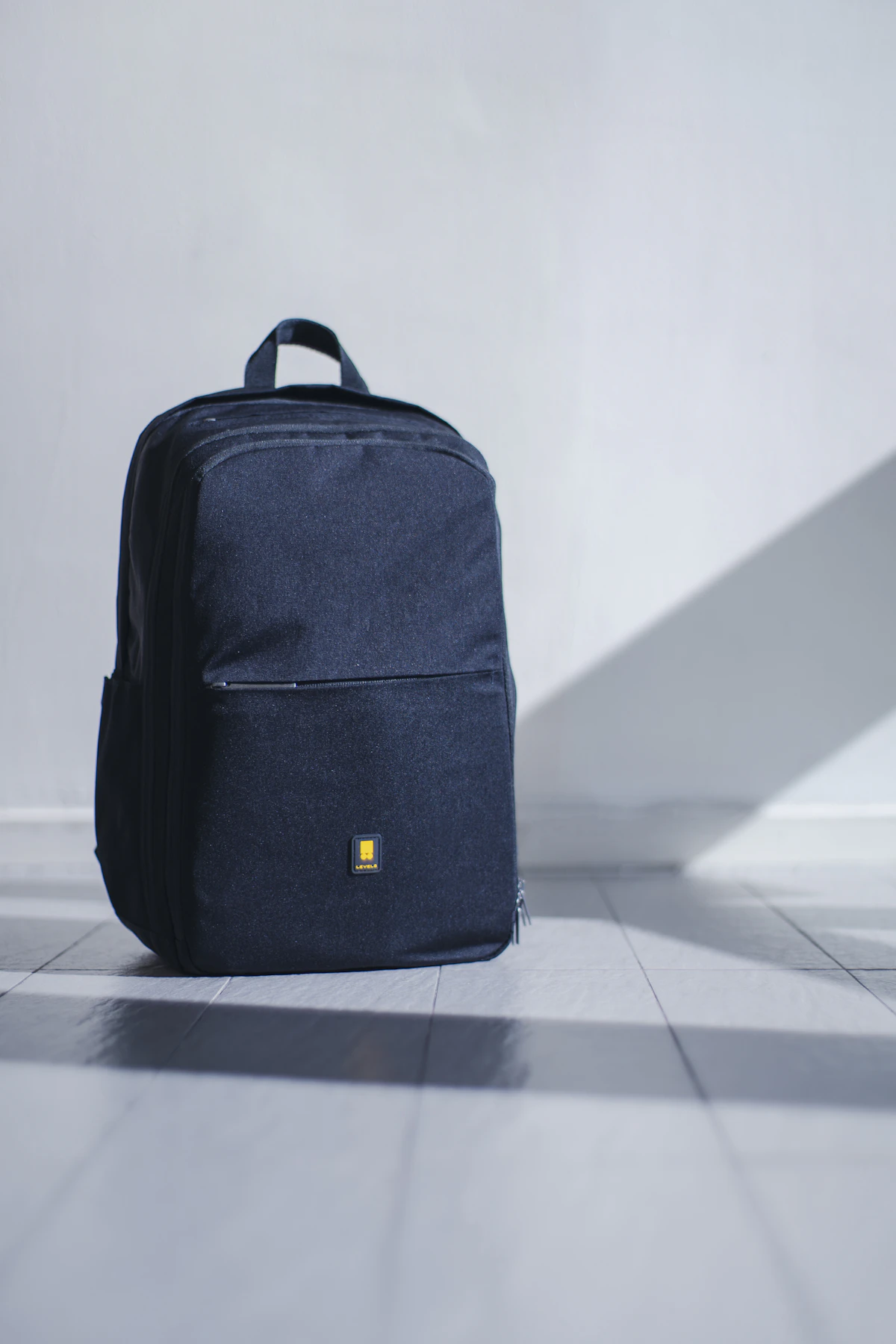
The commuter backpack category has emerged as one of the most dynamic segments in the men backpack market, driven by the convergence of urban mobility trends, technology carrying requirements, and the growing expectation that daily carry solutions must perform across multiple environments encountered during the modern commute. From subway platforms to office lobbies, from bicycle lanes to client meeting rooms, the commuter backpack must transition seamlessly between contexts while protecting valuable technology devices, maintaining professional appearance, and providing comfortable carrying during active urban transit. For manufacturers and B2B buyers, the commuter segment offers substantial market opportunity with products that command premium pricing through thoughtful design that addresses the specific challenges of urban daily carry.
Urban commuting patterns continue to evolve as cities invest in cycling infrastructure, public transit expands, and hybrid work models create new carrying requirements for professionals who split time between home offices and corporate environments. These evolving commuting patterns create fresh design challenges and opportunities for manufacturers who understand the unique requirements of urban carry and can translate those requirements into products that resonate with the design-conscious, technology-dependent urban professional demographic that drives commuter backpack purchasing decisions in major metropolitan markets worldwide.
This comprehensive analysis examines the design trends, material innovations, and manufacturing considerations that define the commuter backpack category in 2025, providing actionable insights for B2B buyers seeking to develop competitive products that address the evolving needs of urban professionals who depend on their backpacks as essential daily carry solutions across the diverse environments of modern city life. Our manufacturing facility in Quanzhou, with over 200 skilled craftspeople and ISO 9001:2015 certification, provides the production excellence that commuter backpack development requires.
From initial concept development through material selection, prototyping, production, and quality verification, every stage of commuter backpack manufacturing requires expertise and attention to detail that creates products worthy of the daily trust that urban professionals place in their carry solutions. This comprehensive guide provides the manufacturing knowledge framework needed for B2B buyers to develop competitive commuter backpack products that address real user needs while meeting commercial requirements for successful product lines in this growing market segment.
Understanding Urban Commuter Requirements
Urban commuters face unique carrying challenges that differ significantly from suburban or rural carry scenarios. Understanding these requirements is essential for developing commuter backpack products that genuinely serve the daily needs of city-based professionals navigating complex urban environments throughout their working day.
Multi-Environment Transition Design
Urban commuters transition between multiple distinct environments throughout their daily routine, each with different expectations for appearance and functionality. The morning commute on crowded public transit requires compact profiles and secure closures that prevent bag contact with other passengers. Bicycle or scooter commuting demands weather protection, visibility features, and stable load carrying during active transit. Office environments require professional aesthetics that complement business attire and organized compartments that enable efficient access to technology devices and work materials. Client meeting contexts demand products that project professionalism and quality consciousness. Social environments after work require products that complement casual style without appearing overly technical. This multi-environment requirement creates the central design challenge of commuter backpack development.
Technology Integration Requirements
Modern urban professionals carry multiple technology devices that require protected, accessible organization within their daily carry backpack. Laptop compartments sized for 13 to 16-inch professional laptops provide padded protection for the primary work device. Tablet sleeves accommodate secondary devices used for reading, presentations, or creative work. Phone pockets with passthrough charging capability enable device charging while maintaining secure storage. Cable management systems organize charging cables, adapters, and accessories. These technology organization requirements define the internal architecture of effective commuter backpack designs and create manufacturing specifications that must be executed with precision to ensure reliable daily function across thousands of access cycles throughout the product lifespan.

Design Trends Shaping Commuter Backpacks in 2025
The commuter backpack design landscape continues to evolve as urban lifestyles change, new technologies emerge, and consumer expectations become more sophisticated across all market segments and price points.
Minimalist Aesthetics with Maximum Function
The dominant aesthetic trend in commuter backpacks continues toward clean, minimalist design that projects professional sophistication while concealing extensive organizational functionality within. Hidden zippers create smooth exterior surfaces, monochromatic color schemes emphasize form over decoration, and reduced external branding maintains understated elegance. This minimalist approach rewards manufacturers who invest in precision construction quality, because clean designs reveal rather than hide construction imperfections.
Anti-Theft and Security Integration
Urban commuting environments present security challenges that drive specific design responses. Rear-panel access zippers positioned against the wearer back prevent unauthorized access during crowded transit. RFID-blocking pockets protect contactless payment cards from electronic theft. Slash-resistant panel construction using embedded mesh layers prevents rapid access through fabric cutting. Hidden pockets integrated into back panel padding provide secure storage for high-value items. These security features add manufacturing complexity but significantly enhance perceived value and justify premium pricing for urban commuters carrying valuable technology through crowded city environments daily.
Material Selection for Urban Commuter Performance
Commuter backpack materials must balance professional appearance with practical durability, weather resistance, and the increasingly important requirement for sustainable sourcing that resonates with environmentally conscious urban consumers across all demographic segments.
Professional-Grade Exterior Fabrics
Commuter backpack exterior fabrics must project professional quality while withstanding daily abrasion of urban transit environments. Ballistic nylon in 840D to 1050D provides exceptional durability with refined surface texture. Waxed canvas treatments provide heritage aesthetic appeal with natural water resistance. Technical polyester fabrics with matte finishes offer modern professional aesthetics with excellent durability. Recycled polyester options enable sustainability positioning without compromising professional appearance or durability that commuter products demand from their exterior materials across extended daily use periods.
Weather Protection for Urban Conditions
Urban commuters encounter weather challenges during transit between environments, requiring backpack materials and construction that protect valuable technology from rain, snow, and unexpected weather changes. Water-resistant fabric coatings cause precipitation to bead and roll off during light rain. Water-resistant zippers prevent moisture entry during moderate precipitation. Integrated rain covers provide complete enclosure during severe weather. Base panels using waterproof materials protect contents when set on wet surfaces during transit or placed on wet ground during outdoor waiting periods between connections.

Comfort Engineering for Active Urban Transit
Urban commuting often involves extended carrying during walking, cycling, or standing transit, requiring comfort engineering that addresses specific demands of active urban carry while maintaining the compact proportions that suit city environments.
Compact Comfort for Urban Scale
Commuter backpacks must provide adequate carrying comfort while maintaining compact proportions that suit urban environments where excessive pack size creates inconvenience on crowded transit. Streamlined shoulder strap designs provide comfort during typical 20 to 40 minute commute carrying periods. Ventilated back panels reduce heat buildup during cycling commutes or brisk walking in warm weather. Sternum straps stabilize loads during cycling while remaining removable for professional contexts. This balance between comfort and urban scale creates products that serve commuting needs without appearing out of proportion in refined urban environments.
Manufacturing Excellence and Quality Standards for Commuter Products
Manufacturing commuter backpacks requires specialized production capabilities, skilled workmanship, and quality management systems that ensure consistent product performance across production runs. The manufacturing process for commuter products demands attention to detail that distinguishes capable production partners from those who cannot meet the specific requirements of this demanding product category. Quality control programs must address the unique performance characteristics that urban professional users expect, including durability under demanding daily conditions, reliable function across extended product lifespans, and consistent aesthetic quality that supports brand positioning in competitive market segments where professional appearance directly impacts brand perception and consumer purchasing decisions.
Production Capabilities and Facility Requirements
Effective commuter backpack manufacturing requires production facilities equipped with specialized machinery and staffed by operators experienced in the specific construction techniques that professional carry products demand. Computer-controlled cutting systems ensure dimensional precision across complex pattern components. Heavy-duty sewing equipment handles multiple fabric layers and reinforcement materials. Quality testing infrastructure including tensile testers, cycle testing machines, and environmental simulation chambers supports in-process quality verification. Junyuan Bags maintains comprehensive commuter backpack manufacturing capabilities across our 15,000 square meter facility in Quanzhou, where over 200 skilled craftspeople operate eight dedicated production lines with annual capacity exceeding two million units.
Customization and Brand Development Support
Commuter backpack products offer extensive customization opportunities that enable brand partners to create distinctive offerings reflecting their unique market positioning. Custom material specifications, proprietary organizational configurations, branded hardware development, and exclusive color programs all contribute to product differentiation. Our manufacturing partnership model supports comprehensive customization with minimum order quantities of 300 pieces per design, enabling both emerging brands and established companies to develop custom commuter backpack lines with accessible entry points.
Sustainability in Commuter Backpack Manufacturing
Environmental responsibility has become a fundamental expectation across all backpack manufacturing categories, with commuter products being no exception as environmentally conscious urban professionals increasingly evaluate products on sustainability credentials alongside traditional performance and quality metrics.
Recycled Materials and Responsible Production
Responsible commuter backpack manufacturing incorporates recycled materials from post-consumer waste streams, PFC-free water repellent treatments, waste reduction programs recycling manufacturing scrap, and energy efficiency measures reducing carbon footprint of production. These sustainability initiatives support authentic environmental stories that resonate with conscious consumers while reducing environmental impact of products serving active urban lifestyles. Our manufacturing processes incorporate comprehensive sustainability measures that support the environmental commitments of our brand partners across all product categories.
The convergence of fashion, function, and technology in commuter backpack design creates a product category that demands manufacturing excellence across multiple disciplines simultaneously. Brands that succeed in this market partner with manufacturers capable of delivering precision construction, thoughtful design execution, and consistent quality across production runs that serve the exacting expectations of urban professional consumers who evaluate their daily carry products against the highest standards of quality and performance available in the modern backpack market.
Technology Integration and Smart Features
The modern urban commuter carries more technology than any previous generation of workers, creating specific requirements for backpack design that accommodate charging, connectivity, and device management across the full range of daily technology interactions encountered between home and office environments.
Charging and Connectivity Solutions
External USB charging ports connected to internal power bank pockets have become standard expectations in commuter backpack design, enabling device charging during transit without requiring the pack to be opened. Cable routing systems that run from internal device pockets to external ports enable clean, organized charging setup. Some advanced designs incorporate wireless charging pads in accessible top pockets that enable device charging simply by placing the phone in the designated pocket. These technology integration features add manufacturing complexity including specialized material requirements for cable routing channels, waterproof sealing around external port locations, and compatibility testing with diverse charging devices, but deliver genuine daily utility that commuters value highly enough to justify premium product positioning.
Organizational Architecture for Professional Carry
The internal organization of commuter backpacks must accommodate the diverse carry requirements of professional urban life while maintaining the streamlined accessibility that enables efficient daily routines without the frustration of searching through disorganized compartments for needed items during time-pressured morning transitions.
Professional Organization Systems
Effective commuter backpack organizational design includes dedicated technology zones separate from personal item storage, document management areas that keep papers and notebooks flat and accessible, quick-access pockets positioned for items needed during transit like transit cards and phones, concealed security pockets for valuables, and external attachment points for water bottles or umbrellas. Each organizational element must be precisely positioned based on actual usage patterns and frequency of access, creating an intuitive organizational system that enables experienced users to access any item without looking. This level of organizational precision requires careful design development and user research that creates products which genuinely improve the daily carrying experience rather than simply adding pockets for the sake of feature count.
Testing and Quality Verification for Commuter Products
Commuter backpack quality testing must verify performance across the diverse conditions of daily urban use, from the compression of overhead transit storage to the abrasion of daily contact with urban surfaces and the repeated access cycles of dozens of compartment openings each day throughout years of daily use.
Durability and Function Testing
Comprehensive commuter backpack testing programs include zipper cycle testing across all compartment closures for minimum 1500 cycles, strap pull testing at loads exceeding typical commuter carry weights, abrasion testing on base panels and high-contact areas, hardware function testing confirming buckle and clip reliability, and water resistance testing validating coating effectiveness. These testing protocols ensure products maintain function and appearance throughout the extended daily use patterns that commuter backpacks experience across multiple years of service supporting professional daily routines and urban lifestyle carry requirements. Our quality management system, certified to ISO 9001:2015 and audited under BSCI standards, maintains defect rates below 0.3 percent ensuring consistent quality that supports brand reputation in the competitive commuter market segment.
For B2B buyers entering or expanding within the commuter backpack segment, partnering with experienced manufacturers who understand urban carry requirements provides essential competitive advantage. Our facility in Quanzhou, with over 200 skilled craftspeople and ISO 9001:2015 certification, delivers the manufacturing precision and quality consistency that commuter backpack products demand, with a 300-piece minimum order quantity per design supporting accessible market entry for brands at all stages of development.
Market Opportunity and Product Positioning
The commuter backpack market represents a substantial commercial opportunity driven by urbanization trends, technology adoption patterns, and the continued growth of professional populations in major metropolitan areas worldwide. Understanding market dynamics helps manufacturers and brand partners make strategic decisions about product development investment, pricing architecture, and distribution channel selection for commuter backpack product lines that can capture meaningful market share in this growing segment.
Price Segmentation and Value Architecture
Commuter backpack products span multiple price tiers reflecting different material quality levels, feature sets, and brand positioning strategies. Entry-level commuter products priced from 30 to 60 USD serve price-sensitive consumers with basic carry requirements and acceptable quality expectations. Mid-range products from 60 to 120 USD offer enhanced materials, better organization, and improved comfort for daily commuters who recognize value in quality construction. Premium products from 120 to 250 USD incorporate advanced materials, comprehensive technology integration, and distinctive design that commands premium positioning in competitive retail environments. Understanding these tiers helps manufacturers allocate cost appropriately across materials, labor, and features for each product position within commuter backpack product lines designed for specific market segments and price-conscious consumer profiles.
Future Outlook: Evolving Commuter Needs
The commuter backpack category will continue evolving as urban transportation patterns shift, technology carrying requirements change, and consumer expectations for daily carry solutions become more sophisticated. Electric vehicle adoption, expanded cycling infrastructure, and the normalization of hybrid work arrangements will all influence commuter backpack design requirements in coming years. Manufacturers who invest in understanding these evolving trends and developing products that anticipate future needs rather than simply responding to current demands will capture competitive advantage in this dynamic market segment. Sustainable material integration will accelerate from premium differentiator to standard expectation. Smart features will expand from novelty to mainstream requirement. Modular designs enabling component replacement will support circular economy principles increasingly important to urban consumers. The commuter backpack manufacturers who thrive will be those who combine manufacturing excellence with design innovation that genuinely improves the daily experience of urban professionals navigating the complex carry requirements of modern city life and professional routine.
FAQ: Commuter Backpack Design Trends
What are the key design features for commuter backpacks?
Key features include dedicated laptop compartment with security screening access, anti-theft design elements like rear-panel zippers and RFID-blocking pockets, professional minimalist aesthetics suitable for corporate environments, weather protection for urban transit conditions, organized technology storage, and comfortable carrying for active urban transit including cycling and walking commutes.
What materials work best for commuter backpacks?
Ballistic nylon provides premium durability with professional appearance. Waxed canvas offers heritage aesthetic with natural water resistance. Technical polyester with matte finishes provides modern aesthetics. Recycled polyester enables sustainability positioning without compromising professional appearance or daily-use durability.
How important are anti-theft features in commuter backpacks?
Anti-theft features are increasingly important as urban commuters carry valuable technology through crowded environments. Rear-panel access zippers, RFID-blocking pockets, slash-resistant construction, and lockable zipper pulls provide layered security protecting valuable devices and personal items during daily urban transit.
What is the minimum order quantity for custom commuter backpacks?
Standard MOQs range from 300 to 500 pieces per design. Junyuan Bags maintains a 300-piece minimum per design, enabling brands to develop custom commuter backpack lines with accessible entry points for both emerging and established companies in this growing market segment.
How do commuter backpacks differ from business backpacks?
Commuter backpacks prioritize active transit comfort, weather protection, anti-theft features, and compact urban proportions. Business backpacks emphasize professional appearance, document organization, and corporate aesthetic integration. Many products serve both markets by combining commuter functionality with business aesthetics for complete daily carry.
Related Resources: Explore luxury backpack collection, outdoor backpack solutions, business backpack solutions, casual backpack range, full product range, waterproof fabric technology, ballistic nylon vs Cordura, custom backpack manufacturing, travel backpack range, tech backpack solutions. Visit about us, contact us, or request a quote.
Ready to Start Your Custom Backpack Project?
Contact Junyuan Bags for OEM/ODM manufacturing solutions.
Email: service@junyuanbags.com
WhatsApp: +86 177 5002 0688