
The casual backpack market stands at a fascinating intersection of fashion, functionality, and cultural evolution. No longer confined to school hallways and hiking trails, the casual backpack has emerged as a ubiquitous lifestyle accessory worn by professionals, students, travelers, and urban explorers alike. For manufacturers and B2B buyers, understanding the current market landscape is essential to developing products that resonate with a diverse consumer base while positioning for future growth.
The year 2025 brings a confluence of factors reshaping the casual backpack category. Sustainability mandates are influencing material choices across all price points. Technology integration has moved from novelty to necessity. Streetwear culture continues to blur the boundaries between fashion and function. Meanwhile, economic pressures are creating a bifurcated market where consumers either seek exceptional value or are willing to pay premium prices for products that genuinely deliver. Understanding these dynamics is the foundation for successful product strategy in the casual backpack segment.
This comprehensive analysis examines the key market trends shaping the casual backpack industry in 2025, providing actionable insights for manufacturers, brand owners, and wholesale buyers who need to make informed decisions about product development, material sourcing, and market positioning. Whether you are launching a new brand or expanding an existing product line, this guide delivers the strategic intelligence needed to compete effectively in one of the most dynamic segments of the bags and accessories industry.
Market Overview: The Casual Backpack Segment in 2025
The casual backpack market represents approximately 38 percent of the total men backpack category, making it the single largest subsegment by volume. Global market research indicates the casual backpack segment reached 18.7 billion USD in retail value during 2024, with projections suggesting continued growth at 5.8 percent annually through 2028. This growth is driven by changing lifestyle patterns, increased device carrying requirements, and the continued casualization of professional dress codes worldwide.
Demographic Shifts Driving Demand
Several demographic trends are reshaping demand patterns for casual backpacks. Millennials and Generation Z consumers, now the primary purchasing demographics, exhibit distinct preferences compared to previous generations. They prioritize versatility, demanding products that transition seamlessly between work, social, and recreational environments. They show strong preference for brands that demonstrate authentic sustainability commitments rather than superficial green marketing. They value unique design elements and customization options over mass-market uniformity. This creates both opportunities and challenges for manufacturers who must balance broad market appeal with the niche differentiation that younger consumers demand.
The aging population also creates opportunity. Active adults aged 50 and above represent a growing demographic that values comfort, easy access, and refined aesthetics in casual carry solutions. This segment tends to have higher disposable income and brand loyalty, making them an attractive target for premium casual backpack lines. Designing products that address their ergonomic needs while maintaining style credibility represents a significant market opportunity that many brands have yet to fully exploit.
Regional Market Dynamics
Market dynamics vary significantly by region, influencing product specifications and design preferences:
| Region | Market Characteristics | Price Sensitivity | Key Design Preferences |
|---|---|---|---|
| North America | Mature market, brand loyalty strong | Moderate | Tech integration, large capacity |
| Europe | Sustainability-focused, design-conscious | Low to moderate | Minimalist, sustainable materials |
| Asia-Pacific | Fastest growth, trend-responsive | High | Compact, fashionable, lightweight |
| Latin America | Emerging market, value-driven | High | Durable, affordable, versatile |
| Middle East and Africa | Niche premium, growing middle class | Varied | Luxury materials, status signaling |
Key Design Trends Shaping Casual Backpacks in 2025
Design trends in the casual backpack category reflect broader cultural shifts while responding to practical consumer needs. Understanding these trends helps manufacturers develop products that feel current and relevant while maintaining broad market appeal across diverse consumer segments.
The Minimalist Movement
Clean lines, reduced visual clutter, and thoughtful simplicity continue to define the dominant aesthetic in casual backpack design. This trend manifests in several ways: hidden zippers that create smooth exterior surfaces, monochromatic color schemes that emphasize form over decoration, reduced external branding and labeling, and streamlined silhouettes that avoid unnecessary bulk. The minimalist trend has proven remarkably durable because it appeals across demographics and price points, from affordable basics to premium designer offerings.
The minimalist trend creates specific manufacturing implications. With fewer design elements to hide behind, construction quality becomes more visible and must meet higher standards. Seams must be straighter, edges must be cleaner, and material quality becomes the primary visual differentiator. This rewards manufacturers who invest in precision cutting and sewing capabilities. At Junyuan Bags, our investment in computer-aided cutting systems and our team of over 200 skilled craftspeople ensures the precision that minimalist designs demand.
Retro and Vintage Revival
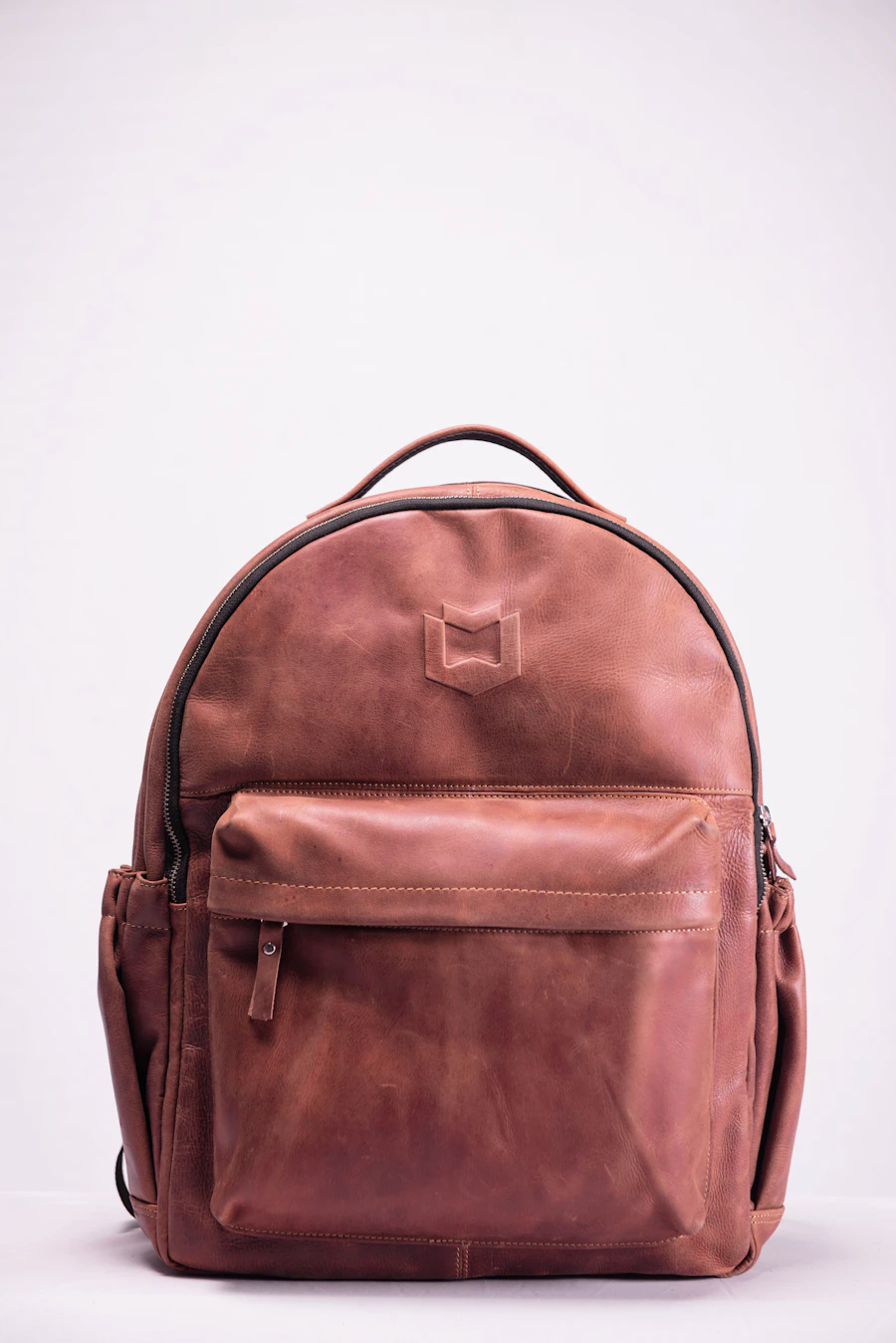
Parallel to minimalism, a strong retro trend draws inspiration from 1990s and early 2000s backpack designs. Characteristics include bold color blocking, canvas and waxed cotton materials, leather trim details, rectangular silhouettes reminiscent of classic school bags, and visible hardware with an aged or antique finish. This trend resonates strongly with millennial consumers seeking nostalgia and Gen Z consumers discovering vintage aesthetics for the first time. Manufacturers serving this trend need expertise in natural fiber processing, garment dye techniques, and heritage hardware sourcing.
Techwear and Utility Influence
The techwear aesthetic, characterized by technical fabrics, modular attachment systems, and futuristic design language, continues to influence casual backpack design. While pure techwear remains a niche category, its design elements have permeated mainstream casual backpacks through water-resistant zippers, reflective details, modular pocket systems, and technical fabric accents that add visual interest and functional benefit. This crossover creates opportunities for manufacturers with technical production capabilities to serve both specialized and mainstream markets using overlapping material and construction expertise.
Material Innovation in Casual Backpack Manufacturing
Material innovation represents one of the most exciting frontiers in casual backpack manufacturing. Advances in sustainable materials, smart fabrics, and performance textiles are creating new possibilities for product differentiation and value creation across all price segments.
Sustainable Material Revolution
The shift toward sustainable materials has accelerated dramatically in recent years. Recycled polyester made from post-consumer plastic bottles now accounts for a significant and growing share of casual backpack production. However, the market is moving beyond basic recycled polyester toward more innovative solutions that offer enhanced performance and more compelling brand stories:
- Recycled Nylon from Fishing Nets: Materials like ECONYL regenerate discarded fishing nets into high-performance nylon fiber, reducing ocean pollution while creating a compelling sustainability narrative that resonates with environmentally conscious consumers.
- Hemp Blends: Hemp-cotton and hemp-polyester blends offer natural antimicrobial properties and distinctive texture while requiring significantly less water than conventional cotton cultivation, making them attractive for eco-positioned products.
- Pineapple Leaf Fiber: Agricultural waste fibers processed into leather-like materials for trim and accent applications, providing a plant-based alternative to synthetic leather trim.
- Mycelium Leather: Mushroom-derived leather alternatives gaining traction in premium casual backpack lines, offering unique texture and biodegradable credentials that appeal to luxury consumers seeking sustainable options.
- Waxed Organic Cotton: Traditional material updated with plant-based wax treatments for water resistance without perfluorinated chemicals, combining heritage aesthetics with modern environmental responsibility.
Performance Fabric Advances
Beyond sustainability, performance fabric technology continues to advance rapidly. Self-healing fabrics that repair minor punctures and scratches are entering the casual backpack market. Photochromic materials that change color based on light exposure offer novelty appeal for youth-oriented products. Phase-change materials originally developed for outdoor use are being adapted for casual backpacks to provide temperature-regulating comfort against the back panel. These innovations create differentiation opportunities but require manufacturers to develop new handling and processing capabilities.
Hardware Innovation and Finishing
Even hardware components are seeing meaningful innovation. Magnetic buckle systems allow one-handed operation while providing secure closure. Self-locking zippers prevent accidental opening without adding complexity for users. Lightweight titanium hardware reduces overall bag weight while maintaining strength for premium product lines. Custom zipper pulls molded from recycled materials serve both functional and sustainability storytelling purposes. These details may seem small individually but collectively they define the quality perception that separates successful products from competitors.
Technology Integration: From Gimmick to Necessity
Technology features in casual backpacks have evolved from marketing gimmicks to genuine consumer expectations. The ubiquity of smartphones, wireless earbuds, portable chargers, and other electronic devices has created specific requirements that casual backpack designs must address.
Charging and Power Solutions
External USB charging ports, once a premium differentiator, are now expected even in mid-range casual backpacks. The latest designs incorporate internal power bank pockets with cable routing systems, wireless charging pads in accessible top pockets, and solar panel integration points for sustainable charging options. Manufacturers should design these features with serviceability in mind, allowing users to replace cables or charging modules if they fail. Including removable charging components also simplifies bag washing and maintenance, extending product lifespan.
Anti-Theft and Security Features
Urban commuting drives demand for security features in casual backpacks. Key anti-theft design elements include rear-panel access zippers positioned against the wearer back, RFID-blocking pockets for contactless cards and passports, slash-resistant panel construction using ultra-high-molecular-weight polyethylene mesh, and hidden pockets integrated into back panel padding. These features add manufacturing complexity but significantly enhance perceived value and justify premium pricing in competitive markets.
Smart Features and IoT Integration
Emerging smart features include built-in Bluetooth trackers for lost bag recovery, LED lighting systems powered by small rechargeable batteries, weight distribution sensors that connect to smartphone apps, and NFC-embedded tags that trigger digital content or verify product authenticity. While still early-stage for most market segments, these features represent opportunities for product differentiation and create additional touchpoints between brands and consumers through digital integration.

Manufacturing Considerations for Casual Backpack Production
Manufacturing casual backpacks at scale requires balancing design complexity with production efficiency. The diverse aesthetic and functional requirements of this category demand flexible manufacturing capabilities and skilled workmanship that can deliver consistent quality across varied product types.
Production Flexibility and Scalability
Unlike standardized categories, casual backpacks require frequent design changes, varied material combinations, and small batch production runs. Manufacturers must invest in flexible production systems that can accommodate rapid changeovers while maintaining quality consistency. Computer-aided manufacturing systems, modular sewing stations, and cross-trained workers enable the agility needed for casual backpack production. At our 15,000 square meter facility in Quanzhou, Fujian Province, we operate eight dedicated production lines staffed by over 200 skilled craftspeople, enabling us to handle diverse casual backpack orders with an annual capacity exceeding two million units.
Quality Standards and Consistency
Casual backpack quality standards must match or exceed those applied to more technical categories. Because casual backpacks are used in visible social contexts, cosmetic quality is paramount. Stitching must be consistently straight, fabric patterns must align at seams, hardware finishes must be free from defects, and color consistency must be maintained across production batches and repeat orders. Our quality management system, certified to ISO 9001:2015 and audited under BSCI standards, maintains a defect rate below 0.3 percent across all product categories, ensuring every shipment meets the highest standards.
Customization and Private Label Capabilities
B2B buyers increasingly expect comprehensive customization options that allow them to create distinctive products. This includes custom fabric sourcing, proprietary color development, private hardware molds, bespoke labeling and packaging, and unique feature configurations. Manufacturers who can deliver these services while maintaining reasonable minimum order quantities of 300 pieces per design gain significant competitive advantage in serving both emerging brands and established retailers seeking exclusive product offerings.
Sustainability Requirements and Supply Chain Transparency
Sustainability has evolved from an optional marketing differentiator to a manufacturing requirement in the casual backpack market. B2B buyers increasingly require documentation and certification to support sustainability claims, and consumers are becoming more sophisticated in evaluating the authenticity of environmental commitments.
Material Traceability and Documentation
Leading brands now require full material traceability from raw material source to finished product. This means manufacturers must maintain documentation linking recycled polyester content to specific recycling facilities, verifying organic cotton through certified supply chains, and documenting leather sourcing from farms meeting animal welfare standards. This transparency requirement adds administrative burden but increasingly becomes a prerequisite for market access with major retailers and brand partners.
Carbon Footprint Reduction Strategies
Beyond materials, manufacturers face growing pressure to reduce carbon footprint throughout the production process. Strategies include transitioning to renewable energy sources in manufacturing facilities, optimizing logistics to reduce transportation emissions, implementing lean manufacturing principles to reduce waste, and investing in carbon offset programs for unavoidable emissions. These efforts require upfront investment but increasingly influence buyer decisions and market access.
Pricing Dynamics and Value Positioning
The casual backpack market spans an extraordinary price range, from basic models under 20 USD to premium designs exceeding 300 USD. Understanding pricing dynamics helps B2B buyers position products effectively within their target market segments and ensure appropriate manufacturing specifications for each price tier.
| Segment | Price Range (USD) | Key Expectations | Manufacturing Focus |
|---|---|---|---|
| Value | 15-35 | Basic functionality, acceptable durability | Cost optimization, efficient materials |
| Mid-Range | 35-80 | Quality materials, good design, brand identity | Balance of cost and quality |
| Premium | 80-150 | Superior materials, distinctive design, features | Quality craftsmanship, innovation |
| Luxury | 150+ | Exceptional materials, brand prestige, exclusivity | Artisan quality, premium details |
Future Outlook: Emerging Trends Beyond 2025
Looking beyond the current landscape, several emerging trends will further reshape the casual backpack market. Circular economy models that enable product recycling and material recovery are gaining traction among forward-thinking brands. On-demand manufacturing using advanced automation will reduce inventory risk and enable greater customization. Bio-fabricated materials grown from engineered microorganisms promise materials with performance properties impossible through traditional manufacturing. Artificial intelligence-driven design tools will accelerate product development cycles and enable data-driven design decisions.
For B2B buyers and manufacturers, staying ahead of these trends requires investment in research and development, flexible manufacturing capabilities, and strong supplier relationships built on shared values of quality and innovation. Partnering with experienced manufacturers who understand both current market demands and emerging trends provides a strategic advantage in the rapidly evolving casual backpack market.
FAQ: Casual Backpack Market Trends
What are the top casual backpack trends for 2025?
The top trends include sustainable material adoption, minimalist design aesthetics, technology integration for device charging and security, retro-inspired design elements, and modular customization options. Sustainability and versatility are the dominant themes driving consumer preferences across all market segments and price points.
How important is sustainability in casual backpack purchasing decisions?
Sustainability ranks as the second most important purchase criterion after design aesthetics, with approximately 67 percent of millennial and Gen Z consumers willing to pay 10 to 20 percent more for products made with verified sustainable materials and transparent supply chains.
What is the best material for casual backpack manufacturing in 2025?
Recycled polyester remains the most widely adopted sustainable material, but hemp blends, recycled nylon from ocean waste, and plant-based leather alternatives are rapidly gaining market share. The best choice depends on target market positioning, price point, and specific performance requirements of the end product.
What is the minimum order quantity for custom casual backpacks?
Industry-standard MOQs range from 300 to 500 pieces per design per color. Junyuan Bags maintains a 300-piece minimum per design, providing accessibility for emerging brands and start-ups while supporting efficient production planning for established clients seeking custom casual backpack solutions.
How long does it take to develop a new casual backpack design from concept to production?
Typical development timelines range from 60 to 90 days for initial prototyping through production-ready samples, followed by 45 to 60 days for mass production. Complex designs with custom hardware or specialty materials may require additional development time of 30 to 45 days for tooling and material sourcing.
Related Resources: Explore our casual backpack collection, business backpack solutions, full product range, waterproof fabric technology, ballistic nylon vs Cordura comparison, and custom backpack manufacturing guide. Visit about us or contact our team for a consultation.
Ready to Start Your Custom Backpack Project?
Contact Junyuan Bags for OEM/ODM manufacturing solutions.
Email: service@junyuanbags.com
WhatsApp: +86 177 5002 0688