Patagonia vs The North Face Backpacks: Warranty, Repair and Ten-Year Ownership Cost
On specification these two are close enough that a side-by-side rarely decides anything: both run recycled polyester shells around 200-600 denier, both use #8 or #10 coil chains on main compartments, and both sell 20-40 litre day packs between roughly £70 and £190 in the UK. The real split is after-sales. Patagonia positions repair as the default outcome for almost any failure, while The North Face works a defect-based warranty with a tighter boundary around normal wear.
So compare them on money over time instead of marketing. Modelled over ten years, a £120-£150 pack that is repaired twice for £20-£35 each time costs about £18-£22 per year, against £22-£26 per year for a £55 pack replaced every 30 months. This guide covers warranty wording, UK repair logistics, recycled-content verification, the failure points both share, and what a retailer should read from the whole arrangement before committing shelf space.
The Honest Comparison Is About After-Sales, Not Specification
Pattern the two ranges side by side and the specifications converge: recycled polyester face fabrics in the 200-600 denier band, polyurethane or thermoplastic polyurethane backings, #8 coil chains on secondary pockets and #10 on main openings, and roughly comparable internal layouts in the 20-40 litre class. Both brands buy well, both meet current chemical restrictions for UK and EU sale, and both assemble to a standard that a £45 high-street pack cannot touch. There is no meaningful quality advantage for either brand Both publish weights to within about 30 grams, another sign of how closely the two supply chains have converged. Differences appear later, in how each organisation responds when something actually goes wrong.
What genuinely differs is what happens in year three, when something breaks. One brand has built a repair culture over decades and publishes it openly as a guarantee that deliberately covers far more than defects in materials and workmanship. The other operates a conventional warranty that is clear about manufacturing faults and equally clear that abrasion, overloading and age are the owner's problem. For anyone carrying a pack five days a week, that difference is worth more than 100 denier either way, because it decides whether the failure Postage on a mail-in assessment rarely exceeds £6, which is small against replacing the whole pack.
| Dimension | Patagonia approach | The North Face approach |
|---|---|---|
| Core promise | Repair-first guarantee | Defect-based limited warranty |
| Typical outcome | Repair or swap after assessment | Repair or replacement for defects |
| Wear and tear | Often repaired at modest cost | Generally excluded from cover |
| Evidence needed | Product plus description | Proof of purchase normally required |
| Practical route | Retail store or mail-in | Retail store or mail-in |
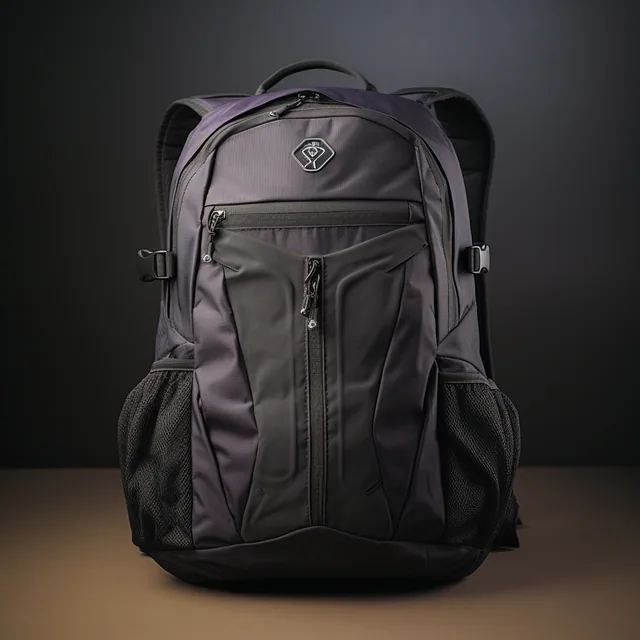
Reading Warranty Wording Without Marketing Filters
Warranty terms are contracts, and the operative words are the ones that look boring. 'Manufacturing defect' and 'defect in materials and workmanship' mean the failure has to originate in how the item was built, which excludes most failures that happen after three years of daily commuting. A guarantee worded as 'no matter how it happens' or 'we will repair it' with no wear exclusion puts far more failures inside the tent, including abuse a defect warranty would reject outright. Read the exclusions before the headline; Never rely on a summary of those terms written by anybody selling you the item.
Two further clauses change the economics in practice. The first is whether claims are free or carry a charge: a flat repair fee of £15-£35 converts a 'free' guarantee into a paid service, which is still better than buying a replacement pack but is not what the marketing implies. The second is whether cover follows the product or the purchaser, since none of these schemes is formally transferable without original proof of purchase. That single clause is worth 10-15 percentage points of second-hand value, and it shapes which of these two brands the Ask the retailer to confirm the position in writing if you plan to resell the pack later.
How Repairs Actually Work for a UK Owner
In the UK almost every claim starts at the retailer rather than at a service centre, because the retailer can inspect the item and confirm legitimate purchase without a paperwork trail. Expect an assessment within 3-10 working days, then either a same-week fix for simple work such as a slider replacement or a mail-in route taking 2-6 weeks for anything structural. Simple work is usually £12-£25 and structural work such as restitching a harness root or replacing a whole panel generally lands between £25 and £45, which is why it only makes sense Below that threshold an independent repair or a fresh resale listing is the rational choice.
Owners have a private route too, and it is often faster. Zip sliders in standard sizes cost £3-£8 and take ten minutes with pliers and a stopper; a local cobbler or alterations shop will restitch a webbing root for £10-£18, usually within a week; silicone-free zip lubricant resolves about half of all 'broken zip' complaints in a few seconds. Doing this does not invalidate statutory consumer rights, although it can affect a discretionary repair claim, so photograph the failure before touching it and use the formal route first Keep the original packaging too, since assessed goods often travel back unrepaired.
- Start at the retailer: it shortens assessment from weeks to days in most UK cases.
- Simple repairs run £12-£25; structural repairs £25-£45; turnaround 2-6 weeks by mail.
- Standard zip sliders cost £3-£8 and are a ten-minute home fix.
- Photograph the failure before attempting any repair of your own.
- Statutory consumer rights survive a home repair, but discretionary claims may not.
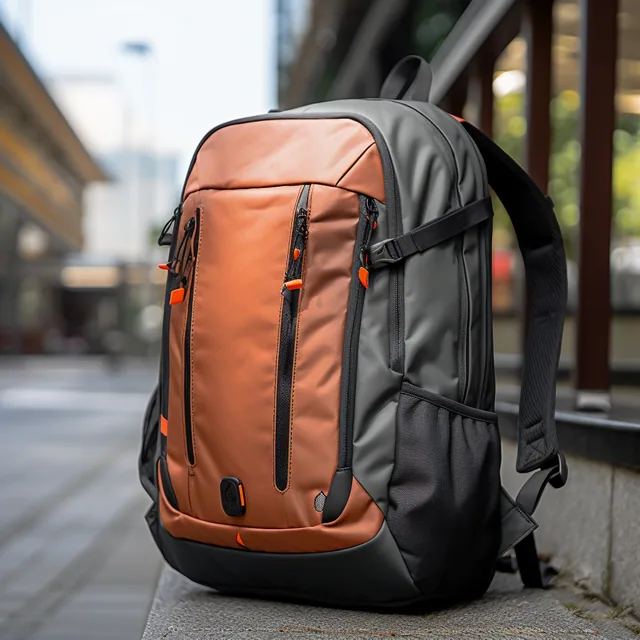
Recycled Content and Which Claims Can Be Verified
Both ranges now use recycled polyester extensively, typically quoted as a percentage of face fabric rather than of the whole product, and that distinction matters. A claim of 100% recycled face fabric can coexist with virgin webbing, virgin foam and virgin zip tape, so the honest figure for total recycled content often sits 25-40 points below whatever appears on the hangtag. Ask for the hangtag to be separated from the spec sheet when you compare brands, because the two numbers answer different questions and Proving it takes one email and prevents an awkward customer conversation in November.Requesting that breakdown at quotation stage costs nothing and takes a single short email.
Verification is moving quickly because regulators are tightening. Within the EU, environmental marketing claims now have to be substantiated rather than merely asserted, and the direction of travel is summarised in the European Commission environment policy pages, which cover both circular-economy rules and green-claims work that suppliers selling into Europe need to track. The practical advice for a British buyer is unchanged: ask which standard backs the recycled claim, whether there is any third-party certification such as a recycled-content standard, and whether the durable water-repellent finish is one of the modern non-fluorinated systems. A supplier able to answer in one email is usually one whose claims survive audit.
The Failure Points Both Ranges Share
Certain failures are simply industry physics rather than brand behaviour. Zips fail first, and specifically at the slider: grit suspended in the track wears the slider body until the chain separates behind a closed slider, usually after 18-36 months of daily exposure to British weather. Next comes the base and lower corners, where abrasion from floors and pavements thins the face fabric and eventually the coating. Third is strap-root stitching, where repeated one-shoulder carry works threads loose at the point where webbing is A yearly look at those junctions takes under a minute and prevents the most common structural failure.Reinforcing that bar-tack early costs nothing; finding it loose in the rain costs a laptop.
Coating behaviour is the failure that separates a pack stored badly from one stored well. Polyurethane backings hydrolyse in damp, warm conditions, producing the flaking black lining that appears inside the main compartment of a pack left in a loft or a garage over consecutive UK winters; polyester bodies resist it better than nylon, and packs stored dry and open rarely see it at all. Both brands use non-fluorinated durable water repellent finishes now, which perform well when new and typically need renewing after 20-40 washes or one hard season, costing roughly £6-£10 A dry, airy hallway also beats a sealed loft by several years of usable liner life.
Ten-Year Ownership Cost, Modelled Honestly
Cost per year is the only comparison that rewards durability properly. Take a premium day pack at £120-£150, assume two repairs of £25 and £35 at years four and seven, and a service life of nine to eleven years; the total comes to roughly £200, or £18-£22 a year. Take a mid-market pack at £55-£70 with a realistic three-year life in heavy daily use and no repair route, and replacing it three and a half times over ten years costs about £220-£245, or £22-£26 a year, before counting the inconvenience of Keep repair invoices, since they support the asking price if the pack is later resold.
The cheap option wins in one scenario: low or occasional use. A pack carried twice a month will age out before it wears out, so both options degrade through coatings and foam rather than abrasion, and the expensive badge buys nothing. Above roughly 150 days of use a year the position reverses decisively, because failures arrive on schedule and only a repair route converts them from cost into inconvenience. Adjust the model for inflation on replacement purchases, around 3-4% a year recently, and the gap widens Fit problems generate returns far faster than broken fabric ever does. Occasional users should therefore buy on fit rather than on any durability argument.
| Scenario | Ten-year cost | Cost per year |
|---|---|---|
| Premium pack, 2 repairs, 10 years | £195-£215 | £19-£22 |
| Mid pack, replaced every 3 years | £210-£240 | £21-£26 |
| Budget pack, replaced every 18 months | £260-£300 | £26-£32 |
| Premium pack, occasional use only | £120-£150 | £12-£15 |
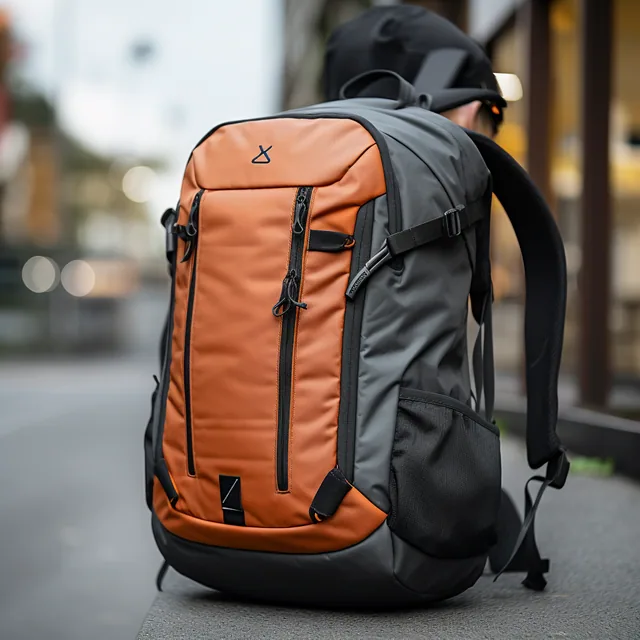
What Range Planners Should Read From This
Three lessons transfer to any own-brand programme. First, service language belongs in the specification: if you promise that straps and sliders can be replaced, standardise the parts so that promise is actually deliverable in year four. Second, return rates are a design outcome; packs returned within 90 days are mostly wrong-size or uncomfortable rather than broken, so published torso guidance and honest litre figures reduce the most expensive category of failure. Third, green claims need evidence at sampling stage, not at shipment, because recycled content and finish chemistry are the two items Neither question is expensive to answer before tooling, and both are costly afterwards.
On the sourcing side, QUANZHOU JUNYUAN BAGS supports this kind of specification-first development as a sourcing and programme-management partner established in 2014, coordinating 4,950 square metres of SGS-verified production floor space staffed by 137 colleagues across seven production lines. Programmes are quoted at a minimum order quantity of 500 pcs per style and colourway, with sampling at 6-10 working days and 12-15 working days for complex builds, bulk schedules of 35-50 days, inspection at AQL 2.5 under ISO 2859-1, FOB Xiamen shipment and payment on T/T 30/70. Repairability is cheapest to specify before tooling is cut and impossible to retrofit afterwards.
Distance sales into the UK carry a 14-day cancellation period under the GOV.UK guidance on returns and refunds, so publish real dimensions, torso ranges and repair terms on the product page. Doing that cuts size-related returns more cheaply than any discount ever will, and it protects margin on every reorder.
Choosing Between Them for Your Own Use
Choose the repair-first brand if the pack will work for a living. Daily commuting, five-day-week travel, or anything involving grit, salt and rain puts you in the failure window by year two, and having an assessment route that ends with a repair rather than an argument is worth the price premium. Count also the second-order benefit: a pack that can be repaired tends to be specified with replaceable parts, which means a private repair is easier even outside the official scheme, Twenty minutes saved twice a decade still beats any argument about head badges.That interchangeability alone shortens any repair by days once something eventually fails.
Choose the conventional-warranty brand where availability, colour range and price matter more than service, because that is what it is optimised for. The ranges are wider in some sizes, promotions are more frequent in UK retail, and the initial defect cover is perfectly serviceable for anything that fails early. If usage is occasional, neither distinction is decisive: both will still be intact structurally when a coating eventually ages out, and the decision should fall on fit, sleeve dimensions and whether the pack is comfortable at your usual load Try both options fully loaded in store instead of judging either from a specification sheet.
Resale Behaviour and the Second Life Question
Second-hand pricing tracks service reputation more than it tracks build quality, which is why a brand known for fixing things tends to hold value better on UK marketplaces. Expect daily-use packs from a repair-supported brand to settle around 35-45% of retail after three years against 25-35% for an equivalent item from a brand with no repair culture, assuming comparable condition. Condition grading dominates everything, though: a clean, unrepaired pack outsells a repaired one by roughly ten points whatever the badge, so cleaning before listing is the highest-return Replace any missing lid strap or cover first, since each is worth several pounds alone.
For anyone planning a range rather than a purchase, the useful takeaway is that residual value is designed in. Documented care instructions, replaceable hardware, standardised zip sizes and honest material declarations all survive transfer to a second owner, and none of them cost much per unit at 500 pcs per style and colourway. They are also the things a buyer notices when comparing two otherwise similar listings, which means the same decisions that make a pack repairable also make it resalable, and both are fixed at roughly the same Raising those changes late usually means either refusing them or delaying a launch date.
Frequently Asked Questions
Does the Patagonia guarantee cover normal wear and tear on backpacks?
In general terms the repair-first guarantee is broader than a defect-only warranty, so abrasion and age-related failures are often handled at modest cost rather than refused outright. It is not unlimited: loss, theft and customisation fall outside it, and a visible repair charge of roughly £15-£35 can apply. Check the current wording before buying, because the exact phrasing is what determines whether your specific failure is covered at all.
How long does a backpack warranty claim take from the UK?
Assessment through a retailer usually takes 3-10 working days, since staff can inspect the item and confirm purchase on the spot. Simple work such as a slider or buckle replacement is often completed within a week, while anything structural requiring a mail-in service runs 2-6 weeks once postage both ways is included. Ask for a written assessment timeline at intake, and keep the original photographs in case the item goes missing in transit.
Is The North Face backpack warranty transferable to a second owner?
Most manufacturer warranties on bags cover defects for the original purchaser, and claims normally need proof of purchase. Transferability is therefore rarely formal, even though some retailers are pragmatic about it. That absent cover is worth roughly 10-15 percentage points of resale value, so sellers should price accordingly and buyers should treat any second-hand pack as effectively unwarrantied unless the original receipt is included with the sale.
Which of the two is better for commuting in the rain?
Neither has a meaningful advantage in shell performance at comparable prices, since both use similar recycled polyester constructions with modern non-fluorinated finishes. Practicality decides it: look for a base made from a heavier denier than the shell, a 15-inch sleeve with a suspended bottom edge, and a rain cover rated for the pack volume. In sustained British rain expect to reproof once or twice a year at £6-£10 per application.
Is a premium backpack worth an extra £40 over a mid-range one?
Yes above roughly 150 days of use a year. Modelled over ten years a £130 pack repaired twice costs about £19-£22 a year, against £21-£26 for a £60 pack replaced every three years, and the gap widens once replacement-price inflation of 3-4% annually is included. Below about 150 days the premium buys very little, because both options age through coatings and foam rather than wearing out.
How many years should one of these backpacks last with daily use?
Structurally, expect eight to twelve years for a well-specified day pack in ordinary commuting use, with the first failure usually arriving at 18-36 months in the form of zip or coating problems rather than anything catastrophic. Lifespan is dominated by storage and loading rather than by the badge: packs dried fully, stored dry and loaded to under 12 kg routinely reach double figures, while the same pack stored damp will fail its lining within four winters.
Do both brands currently use recycled fabrics in their backpacks?
Both use recycled polyester widely, but the published percentage usually refers to the face fabric rather than to the finished product. Whole-product recycled content typically sits 25-40 points below the hangtag figure once webbing, foam, stiffeners and zip tape are accounted for. Ask which certification backs the claim and whether the water-repellent finish is a modern non-fluorinated system; a supplier answering both in one response is normally reliable.
Can I repair my own backpack without invalidating the cover?
Statutory consumer rights against the retailer are unaffected by a home repair, but discretionary claim schemes can refuse items already altered. The safe order is: photograph the failure, submit a claim while proof of purchase is fresh, and only then fix it yourself if the route stalls. Sliders cost £3-£8 and take ten minutes with pliers; webbing restitching through a local cobbler costs about £10-£18.
Which backpack resells better second-hand in the UK?
Service reputation moves second-hand pricing, so repair-supported models generally settle at 35-45% of retail after three years against 25-35% for equivalents without that backing. Condition grading still dominates: a clean, unrepaired pack outsells a repaired one by roughly ten points whatever the badge. Twelve photographs, real dimensions in centimetres and a February listing together add about £15-£25 versus a thin off-season listing.
What is cheaper over ten years, one expensive pack or three cheap ones?
One repairable premium pack, in nearly every realistic scenario. A £130 pack with two repairs over ten years costs roughly £195-£215 in total, or £19-£22 a year. Three replacements of a £60 pack cost about £180 in nominal terms but £210-£240 once realistic service life and 3-4% annual price inflation are included. Below 150 days of annual use the comparison narrows sharply and the cheap route can win.
What paperwork do UK buyers need for a backpack warranty claim?
A dated proof of purchase is normally required, and a card receipt, order confirmation email or bank statement showing the retailer all tend to work. Add three photographs: the whole pack, the failure close-up and the interior label showing model and batch details. Claims handled through the original retailer are approved noticeably faster than direct ones, since the retailer can verify purchase without contacting the brand first.
Specifying Service Into Your Own Range
Repairability is a specification decision, made while the tech pack is still editable and effectively irreversible once tooling is cut. Standardised hardware, accessible zip plumbing, published torso guidance and a materials declaration that exists before shipment are what turn a guarantee from marketing into something a customer can actually use in year three.
QUANZHOU JUNYUAN BAGS develops programmes in that order from a base established in 2014, working across 4,950 square metres of SGS-verified production floor space with 137 colleagues and seven production lines. Terms are a minimum order quantity of 500 pcs per style and colourway, sampling in 6-10 working days, complex builds in 12-15, bulk in 35-50 days, inspection at AQL 2.5 under ISO 2859-1, FOB Xiamen and T/T 30/70.
Email: service@junyuanbags.com
WhatsApp: +86 177 5002 0688