Minimalist Packing: How to Live with Just 20 Items
Table of Contents
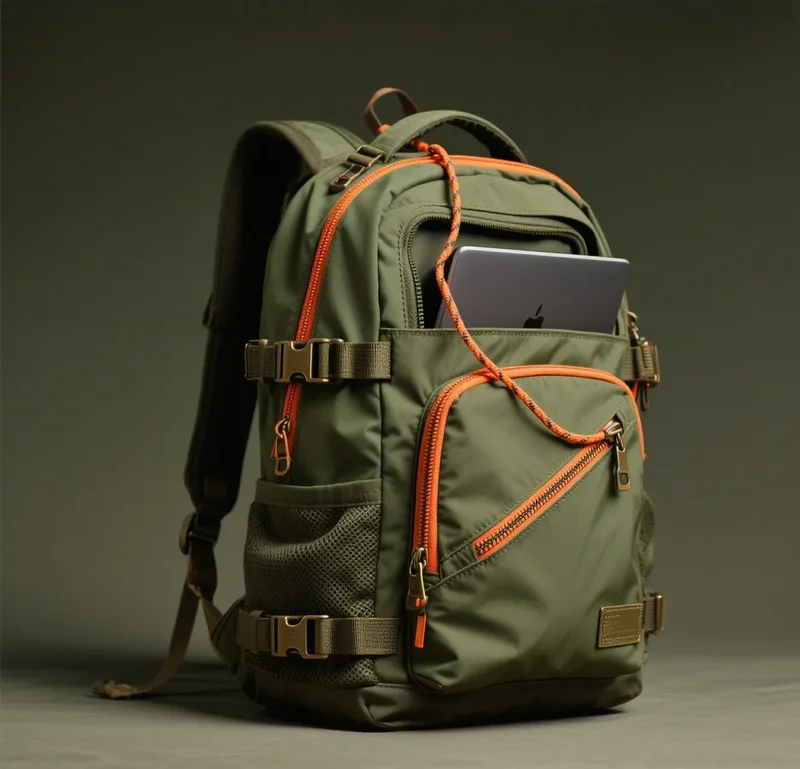 Twenty items. One backpack. Complete freedom to move.
The 20-Item Challenge Explained
Twenty items. That is the target. Not twenty categories of items, not twenty things plus their accessories. Twenty discrete, physical objects that you carry everywhere. For most people, this sounds impossible. For those who have done it, it is liberating.
The 20-item challenge originated in the ultralight travel community but has since been adopted by minimalists, digital nomads, and anyone tired of managing excessive possessions. The constraint forces you to confront a question most people avoid: how much of what I own do I actually need daily?
The answer surprises everyone. You need far less than you think. The human body requires shelter, food, water, clothing, and basic hygiene. Everything beyond that is either a comfort addition or a psychological attachment. The 20-item challenge strips away the psychological attachments and optimises the comfort additions.
This is not about suffering. It is about intentionality. Every item in your bag should earn its place through regular use and genuine value. Items that sit unused for days get replaced by items that do work. The result is a carry that is both minimal and perfectly suited to your life.
Selection Criteria: What Makes the Cut
Before listing items, establish the rules. Every object must pass these filters:
The Usage Rule
Each item must serve a purpose you need at least three times per week. A second pair of shoes you wear once a month does not qualify. A multi-tool you use daily does. This rule eliminates the majority of items people instinctively want to pack.
The Multi-Use Principle
Prioritise items that serve multiple functions. A buff or bandana can be a scarf, headband, face cover, pot holder, and emergency strap. Merino wool socks regulate temperature, resist odour, and work in both casual and semi-formal settings. Every item should pull double duty when possible.
The Weight-to-Value Ratio
Every gram must justify itself. A 300-gram paperback novel that you read once and discard fails this test. An e-reader weighing 200 grams that holds thousands of books passes easily. Apply this thinking to everything.
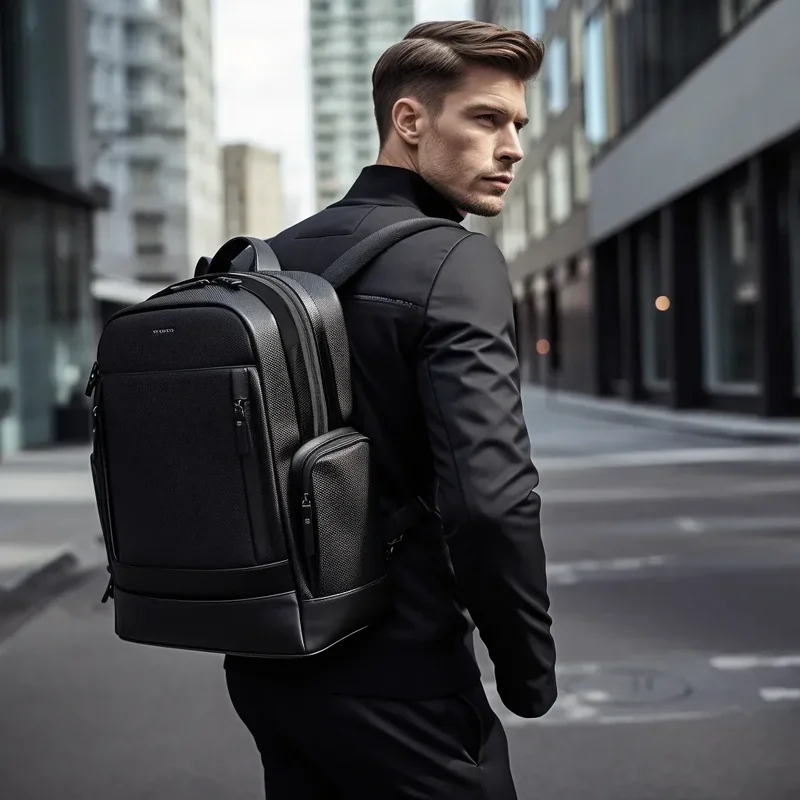 Each item must earn its place through regular use and genuine value.
The Clothing Strategy
Clothing typically consumes the most space and weight. The minimalist approach centres on a merino wool and synthetic blend system with a restricted colour palette.
Choose a base colour (black, navy, or charcoal) and one accent colour. Every clothing item should coordinate with every other item. This eliminates the need for outfit planning and ensures any combination looks intentional.
Sample Clothing Allocation (8 Items)
1. Merino wool T-shirt (short sleeve)
2. Merino wool T-shirt (long sleeve)
3. Lightweight button-down shirt (for smarter occasions)
4. Convertible trousers (zip-off to shorts)
5. Lightweight jogger or chinos
6. Merino wool socks (2 pairs counted as 2 items)
7. Underwear (2 pairs, quick-dry synthetic)
8. Lightweight rain jacket (also serves as wind layer)
Merino wool is the backbone of minimalist clothing systems. It regulates temperature across a wide range, resists odour for multiple wears between washes, dries relatively quickly, and looks presentable in most social situations. The initial investment is higher than cotton or polyester, but the cost-per-wear is dramatically lower because you own fewer pieces and each piece lasts longer.
In warm climates, you can eliminate the long-sleeve layer and rain jacket, freeing up slots for other items. In cold climates, layering becomes critical: a thermal base layer replaces the short-sleeve tee, and a packable down jacket replaces the rain jacket as your primary insulation layer.
Tech Essentials for Minimalists
Technology is where the 20-item limit gets challenging. Most modern professionals need at least four or five tech items just to function.
The minimal viable tech kit includes: a smartphone (which replaces your camera, e-reader, map, notepad, and entertainment device), a laptop or tablet depending on your work, a universal charging cable (USB-C to USB-C), a compact power bank, and noise-cancelling earbuds. That is five items, potentially six if your work requires both a phone and a laptop.
The smartphone deserves special attention in this context. Modern smartphones have collapsed a dozen separate devices into one. Your phone is your camera, GPS, flashlight, calculator, calendar, alarm clock, boarding pass, music player, book reader, and communication device. Recognising this consolidation is key to keeping your tech count low.
If your work allows it, consider whether a tablet with a keyboard case can replace your laptop. Tablets are lighter, have longer battery life, and double as entertainment devices. For writers, consultants, and many knowledge workers, a tablet setup is sufficient.
Toiletry Minimisation
Toiletries are the silent space-wasters. Most people pack bathroom cabinets worth of products when they need a fraction of that.
The minimalist toiletry kit fits in a single small pouch: a travel-sized toothbrush, a small tube of toothpaste, deodorant, a safety razor (one item, no disposable cartridges to manage), a small bar of castile soap (works for body, face, and hand-washing clothes), and a compact microfibre towel.
Six items. That covers hygiene for weeks on end. The castile soap is the hero item here; Dr. Bronner's makes a travel-sized bar that performs every cleaning function you need. The safety razor eliminates the ongoing cost and waste of disposable razor cartridges.
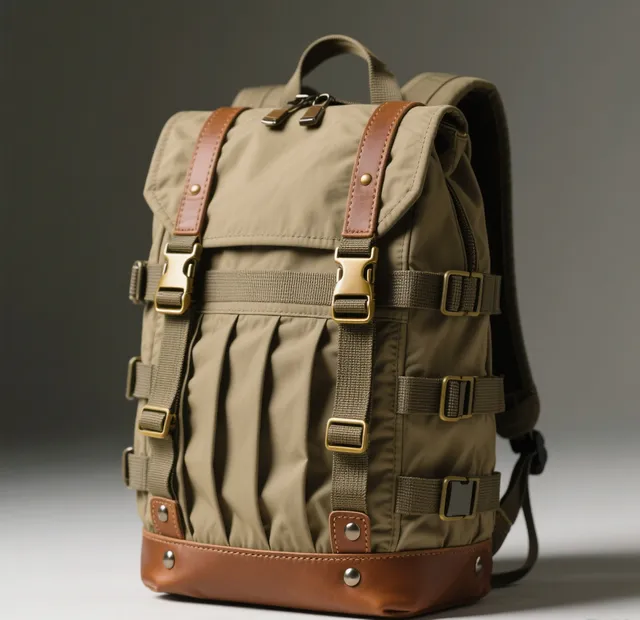 A microfibre towel, castile soap, and safety razor cover all your hygiene needs.
Your Packing List Template
Here is a complete 20-item packing list for a male professional in a moderate climate:
| # | Item | Category | Weight (approx.) |
|---|---|---|---|
| 1 | Merino wool T-shirt (short sleeve) | Clothing | 150g |
| 2 | Merino wool long-sleeve top | Clothing | 200g |
| 3 | Lightweight button-down shirt | Clothing | 180g |
| 4 | Convertible trousers | Clothing | 300g |
| 5 | Chinos or joggers | Clothing | 250g |
| 6 | Pair of merino wool socks | Clothing | 80g |
| 7 | Pair of quick-dry underwear | Clothing | 60g |
| 8 | Packable rain jacket | Clothing | 250g |
| 9 | Smartphone | Tech | 200g |
| 10 | Laptop or tablet | Tech | 900g |
| 11 | USB-C charging cable | Tech | 30g |
| 12 | Compact power bank | Tech | 250g |
| 13 | Noise-cancelling earbuds | Tech | 55g |
| 14 | Wallet (minimal, RFID-blocking) | Carry | 50g |
| 15 | Keys (minimal set, 3 keys max) | Carry | 30g |
| 16 | Travel toothbrush + toothpaste | Toiletry | 50g |
| 17 | Deodorant stick | Toiletry | 50g |
| 18 | Castile soap bar | Toiletry | 80g |
| 19 | Safety razor | Toiletry | 40g |
| 20 | Microfibre travel towel | Toiletry | 60g |
Total carry weight: approximately 3.2 kilograms including the backpack itself. You can carry this all day without fatigue. Every item serves a real purpose. Nothing is redundant.
Washing on the Go
With only two sets of clothing items, washing becomes part of your routine. This is not a burden; it is a small daily task that takes five minutes and replaces a trip to the laundrette.
The technique is simple: fill a sink or basin with lukewarm water, add a few drops of castile soap, submerge your garments, and agitate gently for two to three minutes. Rinse thoroughly, roll in a towel to remove excess water, and hang to dry overnight. Merino wool and synthetic fabrics dry within eight to twelve hours in normal conditions.
For heavily soiled items, soak for 15 minutes before agitating. For odour removal in merino wool, a cold soak with a small amount of baking soda works wonders. Air your garments between wears by hanging them near an open window; merino wool often does not need washing after a single wear due to its natural odour resistance.
Seasonal Adjustments
The 20-item list is a template, not a rigid formula. Adjust for seasons while maintaining the count.
In summer, eliminate the long-sleeve top and rain jacket. Replace them with a sun hat, sunglasses, and a swimsuit. In winter, swap the short-sleeve tee for a thermal base layer, add a packable down jacket, and replace the chinos with insulated trousers. The total stays at 20 items; only the specific items change.
The Mindset Shift
The hardest part of minimalist packing is not choosing items. It is confronting the anxiety of not having every possible contingency covered. What if it rains and you left the rain jacket? What if you need formal wear? What if you get a stain on your only shirt?
The answer to all these scenarios is the same: you adapt. Humans have travelled with minimal possessions for thousands of years. The constant need to prepare for every hypothetical scenario is a modern affliction, not a practical necessity.
Start with 30 items if 20 feels impossible. After a month of real-world use, you will naturally identify which items you never used. Eliminate those. Drop to 25, then 22, then 20. The process teaches you what you genuinely need versus what you fear you might need.
"The question is not what you will carry, but what you will leave behind. Freedom is found in the subtraction, not the addition."
Ready to Upgrade Your Mobile Setup?
Whether you need a backpack that doubles as a mobile office or a travel companion for your minimalist kit, we have the solution.
Email: service@junyuanbags.com | WhatsApp: +86 17750020688
Get a Quote Chat on WhatsAppThe Economics of Minimalist Packing
Minimalist packing is not just a lifestyle choice; it is a financially rational decision. Consider the costs of traditional packing versus minimal packing over five years of regular travel. A traditional traveller checking bags pays around 25 to 50 pounds per checked bag on budget airlines. At four trips per year, that is 200 to 400 pounds annually in baggage fees alone. Over five years, the minimalist who carries on only saves 1,000 to 2,000 pounds in fees.
Beyond airline fees, minimalist packing saves money on luggage itself. A quality 30-litre backpack costs 150 to 250 pounds and lasts a decade. A traditional traveller might own a large suitcase, a carry-on, a laptop bag, and a day bag, totalling over 500 pounds with replacements needed every three to five years. The minimalist spends less on luggage and saves dramatically on baggage fees.
Time savings also have monetary value. Every minute spent waiting at a baggage carousel is a minute not spent on productive or enjoyable activities. If you value your time at 20 pounds per hour and save 30 minutes per trip by carrying on only, that is 10 pounds saved per trip. Across dozens of trips per year, this compounds into a meaningful financial benefit that most travellers never calculate.
Advanced Minimalist Techniques
Once you have mastered the basics of 20-item packing, advanced techniques can further refine your system. The first is fabric choice optimisation. Not all merino wool is equal; look for 17.5 micron or finer for maximum softness and comfort against the skin. The difference between 17.5 micron and 21 micron merino is noticeable in comfort and perceived quality.
The second technique is compression packing. Packing cubes with compression zippers reduce the volume of clothing by 20 to 30 percent. This allows you to use a smaller backpack or fit additional items without exceeding your 20-item limit. Brands like Eagle Creek and Peak Design make excellent compression packing cubes that maintain organisation while minimising volume.
The third technique is the shadow kit. Identify your absolute minimum viable kit, perhaps 12 to 15 items for a weekend trip, and your expanded kit of 20 items for longer trips. The shadow kit lives permanently in your backpack and is always ready for a quick departure. The expanded kit items are added only for trips exceeding three days. This dual-layer approach means you can leave for a weekend in under two minutes while still having the option to extend for longer trips when needed.
Consider also the concept of consumable packing. Items that get used up during your trip effectively reduce your carry weight daily. By the time you return, your bag is lighter than when you left. Prioritise consumable items that serve dual purposes: a bar of soap that cleans your body and your clothes, snacks that provide energy and replace a meal purchase.
Common Objections and Responses
The most common objection to minimalist packing is the fear of needing something you did not bring. This fear is rational but overstated. In practice, 95 percent of travel scenarios are solved by the 20 items on your list. For the remaining five percent, solutions are almost always available at your destination: pharmacies sell toiletries, shops sell clothing, and electronics stores sell chargers. The cost of buying a forgotten item on rare occasions is far less than the daily burden of carrying unnecessary items.
Another objection is social pressure. Colleagues, friends, or family may question why you travel with so little. The response is simple: you have optimised for your actual needs rather than hypothetical scenarios. Most people who observe a minimalist packer efficiency become curious and often adopt similar practices themselves. Your small bag is a conversation starter, not a source of embarrassment.
Frequently Asked Questions
Is the 20-item challenge practical for long-term travel?
Absolutely. Thousands of digital nomads and long-term travellers live with 20 items or fewer. The key is choosing versatile, quick-dry clothing and establishing a regular washing routine. Most people who try it never go back to heavy packing.
What if I need professional or formal clothing?
Include one versatile button-down shirt that works in both casual and semi-formal contexts. For truly formal occasions, most cities have laundry services or clothing rental options. Packing for rare scenarios wastes space for common ones.
How do you handle electronics like laptops within 20 items?
Count your laptop as one item, your phone as one item, and your charging cable as one item. A minimal tech kit of three to four items leaves 16 slots for everything else. If your work requires more tech, reduce clothing items accordingly.
Doesn't minimalist packing mean wearing the same clothes every day?
With a coordinated colour palette, your outfits look intentionally varied even with few pieces. A navy button-down with chinos looks completely different from the same shirt with the rain jacket open over a tee. Versatility comes from mixing, not from quantity.
What backpack works best for 20-item packing?
A 20 to 25-litre backpack with good organisation. You do not need a large bag because the entire kit is compact. Look for one main compartment, a laptop sleeve, and a few organiser pockets. The Tomtoc 360 or Bellroy Classic Backpack are excellent choices.
How do you handle toiletries through airport security?
Solid toiletries bypass liquid restrictions entirely. A bar of castile soap, a solid deodorant stick, and a safety razor with the blade removed (carry blades in checked luggage or purchase at destination) minimise liquid concerns. The toothpaste tube must be under 100ml for carry-on compliance.
Ready to Upgrade Your Mobile Setup?
Whether you need a backpack that doubles as a mobile office or a travel companion for your minimalist kit, we have the solution.
Email: service@junyuanbags.com | WhatsApp: +86 17750020688
Get a Quote Chat on WhatsApp