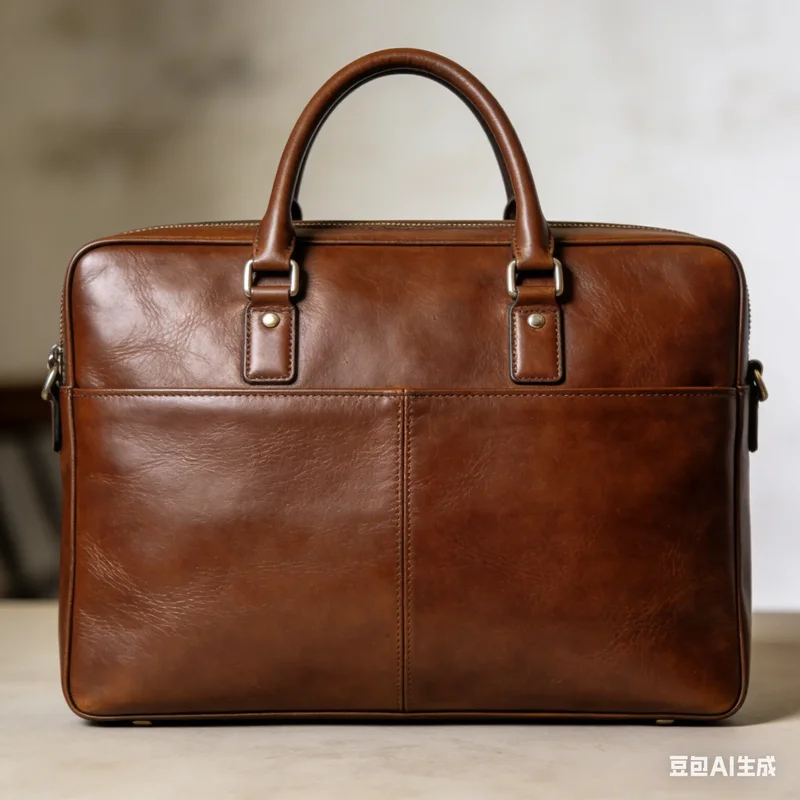
Walking into a backpack shop or browsing online, bags at similar price points can look nearly identical. Yet one will last you ten years while the other falls apart in twelve months. The difference is not always visible from a product photo or a quick glance. It hides in the details: stitch density, zipper grade, fabric construction, hardware quality, and dozens of small manufacturing decisions that collectively determine whether a backpack is a long-term companion or a disposable accessory.
This guide teaches you to evaluate backpack quality like an industry professional. Ten specific, testable indicators give you the framework to assess any backpack, from any brand, at any price point. By the end, you will know exactly what to look for, what to test in-store, and what red flags signal that a bag will fail prematurely.
Why This Matters
The backpack market is flooded with products that look premium in marketing photos but cut corners in construction. Brands invest heavily in photography, influencer partnerships, and packaging while quietly reducing material costs and manufacturing standards. Without knowing what to check, even experienced buyers can overpay for poor quality.
Conversely, some genuinely excellent backpacks from lesser-known brands deliver premium quality at mid-range prices. Knowing how to evaluate quality empowers you to find these hidden gems and avoid overpriced disappointments.
Indicator 1: Stitching Density and Quality
The Foundation of Durability
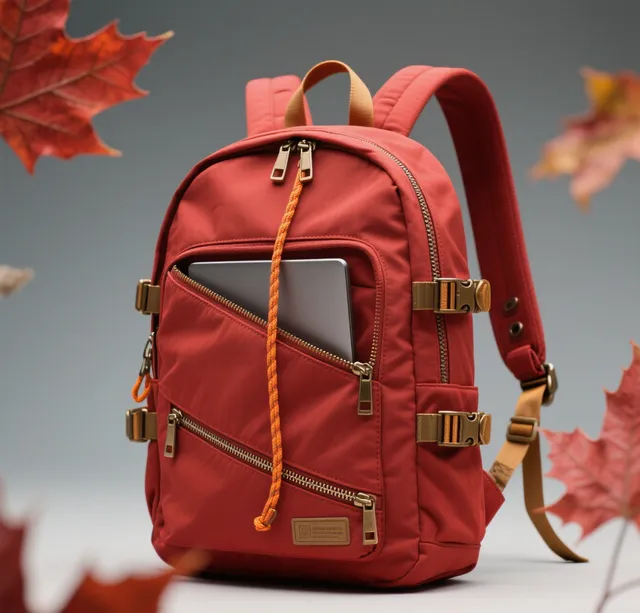
Stitching is the single most revealing quality indicator. Every seam in a backpack bears load, and poor stitching is the first point of failure. Examine stitch density by counting stitches per inch along a seam. Quality backpacks maintain 8 to 12 stitches per inch consistently. Budget bags often have only 5 to 7 stitches per inch, creating weak points between each stitch that allow seams to split under stress.
How to Test
- Count stitches along a 1-inch section of any visible seam. Use a magnifying glass if needed.
- Check that stitches are evenly spaced with no gaps or overlapping.
- Examine stress points where straps meet the body. These should have bar-tack reinforcement: dense, tight stitching in a rectangular or triangular pattern.
- Run your fingernail along the seam. Bonded nylon thread feels smooth; cotton or polyester thread feels fuzzier and is less durable.
Indicator 2: Zipper Quality
The Weakest Link in Most Bags
Zippers account for approximately 40% of all backpack failures. A premium bag with a cheap zipper is a compromised product. The zipper brand and grade tells you immediately whether the manufacturer prioritises longevity.
How to Test
- Look for the YKK logo on the zipper pull or slider. YKK is the global standard for reliability. Alternatives like SBS, Woojin, and Ideal are acceptable at mid-range pricing.
- Operate the zipper multiple times. It should glide smoothly without catching, grinding, or requiring excessive force.
- Check the zipper gauge (size). #5 zippers suit light pockets; #8 and #10 are needed for main compartments and heavy-use areas.
- Examine the zipper tape (fabric attached to the zipper teeth). It should be firmly sewn into the bag with no fraying.
- For water-resistant zippers, check that the Aquaguard or similar coating is intact and the zipper has a protective flap behind it.
Indicator 3: Fabric Denier and Type
The Skin of Your Bag
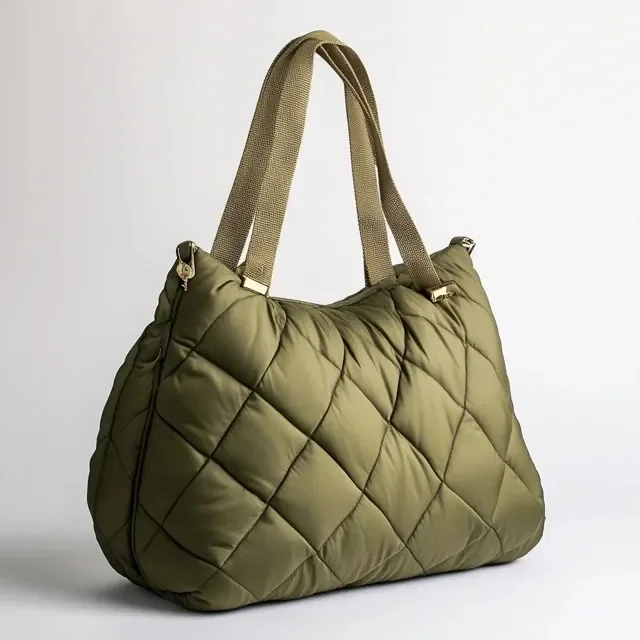
Fabric quality determines abrasion resistance, tear strength, water resistance, and overall longevity. Denier measures fabric thread thickness: higher denier means thicker, more durable threads. But denier alone does not tell the full story.
How to Test
- Check the product specifications for denier count. 200-300D is budget; 400-600D is mid-range; 1000D+ is heavy-duty. Note that denier ratings should be consistent across the specifications.
- Identify the fabric type. Nylon outperforms polyester in abrasion resistance and strength-to-weight ratio. Cordura nylon is the premium standard for durability.
- Feel the fabric. Quality fabric has a tight, dense weave with no visible gaps between threads. It should feel substantial without being stiff or cardboard-like.
- Check the coating. PU coating on the inside should be smooth and even with no cracking, bubbling, or sticky residue. DWR treatment on the outside should cause water to bead up.
- Perform a scratch test with your fingernail on an inconspicuous area. Quality fabric resists scratching; low-quality fabric shows marks immediately.
| Fabric Type | Denier | Durability | Weight | Common Use |
|---|---|---|---|---|
| Polyester | 200-300D | Low-Medium | Light | Budget packs, promotional bags |
| Nylon | 420-600D | Medium-High | Medium | Mid-range everyday packs |
| Ballistic Nylon | 1050-1680D | Very High | Heavy | Premium travel and work bags |
| Cordura | 500-1000D | Very High | Medium-Heavy | Premium outdoor and tactical |
| X-Pac VX21 | Laminate | Excellent | Light | Technical premium packs |
Indicator 4: Hardware Material
Buckles, Clips, and D-Rings
Hardware includes buckles, side-release clips, D-rings, ladder locks, and any metal or plastic components. Hardware failure is frustrating and often irreparable in the field. Quality hardware comes from recognised manufacturers and uses appropriate materials for the load they bear.
How to Test
- Check for manufacturer marks. Duraflex, Woojin, and National Moulding are reputable plastic hardware brands. Metal hardware should be stainless steel, aluminium alloy, or brass, not painted zinc alloy that chips and corrodes.
- Test buckle engagement. Side-release buckles should click firmly into place with a clear audible snap. They should not release accidentally when squeezed lightly.
- Flex the buckle. Quality nylon buckles flex slightly without cracking. Cheap plastic buckles are either too rigid (snap under pressure) or too flexible (deform under load).
- Examine D-rings and attachment points. They should be thick-gauge metal with smooth welds, not thin wire that bends under hand pressure.
Indicator 5: Padding Thickness and Quality
Comfort That Lasts
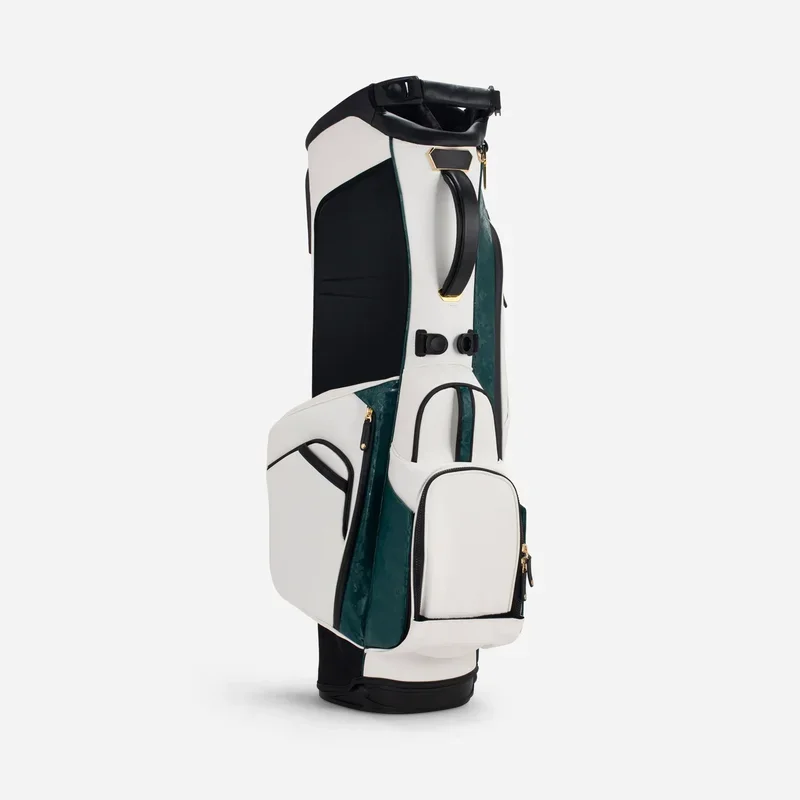
Padding determines carry comfort, but not all padding is equal. The type of foam, its density, and its thickness all affect how the bag feels after an hour of wear versus after a full day. Cheap foam compresses permanently within weeks, leaving you with thin, hard straps that dig into your shoulders.
How to Test
- Press your thumb firmly into the shoulder strap padding. Quality EVA or memory foam resists compression and rebounds quickly when you release. Cheap PE foam compresses easily and stays compressed, showing a permanent thumb indent.
- Measure padding thickness through the strap. Quality straps have 8-15mm of padding. Budget straps may have only 3-5mm.
- Check the back panel. It should have structured, multi-density padding or suspended mesh that maintains airflow channels. Press the padding; it should resist bottoming out.
- Examine the laptop compartment. Minimum 5mm foam with soft fleece or tricot lining. Hold the bag upside down and drop a book into the sleeve. The book should not contact the bag bottom.
Indicator 6: Strap Construction
The Load-Bearing Skeleton
Shoulder straps are the primary load-bearing structure. Their construction determines comfort, weight distribution, and long-term durability. Quality straps use a multi-layer sandwich of materials and connect to the bag body through reinforced anchor points.
How to Test
- Examine the strap-to-body connection. This should be a box-stitch or bar-tack pattern with multiple rows of stitching through a reinforcement panel. Pull firmly on the strap to test anchor strength.
- Check for load-lifter straps connecting the top of the shoulder straps to the bag frame. These fine-tune load distribution and indicate thoughtful design.
- Look for contoured S-curve straps that follow the natural shoulder line rather than straight rectangular straps.
- Examine strap width. Minimum 40mm at the shoulder contact area for comfortable carry. Wider straps (50mm+) distribute heavy loads better.
- Check for a padded, adjustable sternum strap that connects the two shoulder straps across the chest.
Indicator 7: Lining Quality
The Interior Tells the Truth
The interior lining is where manufacturers often cut costs because it is less visible in product photos. But the lining protects your belongings, resists tearing from sharp objects, and indicates overall manufacturing attention to detail.
How to Test
- Feel the lining material. Quality lining uses smooth nylon tricot or polyester that resists snagging. Budget lining feels rough, thin, and catches on keys, pens, and other sharp objects.
- Check seam finishing inside the bag. Quality bags have clean-finished seams, bound edges, or taped seams. Budget bags leave raw edges that fray over time.
- Look at the interior colour. Quality brands often use contrasting interior colours (light grey, tan, bright orange) that make finding small items easier. This small detail indicates thoughtful design.
- Test the lining by pressing your fingernail into it. If it snags or pulls threads immediately, it will not survive daily use with keys and tech accessories.
Indicator 8: Load Distribution Design
Engineering That Saves Your Back
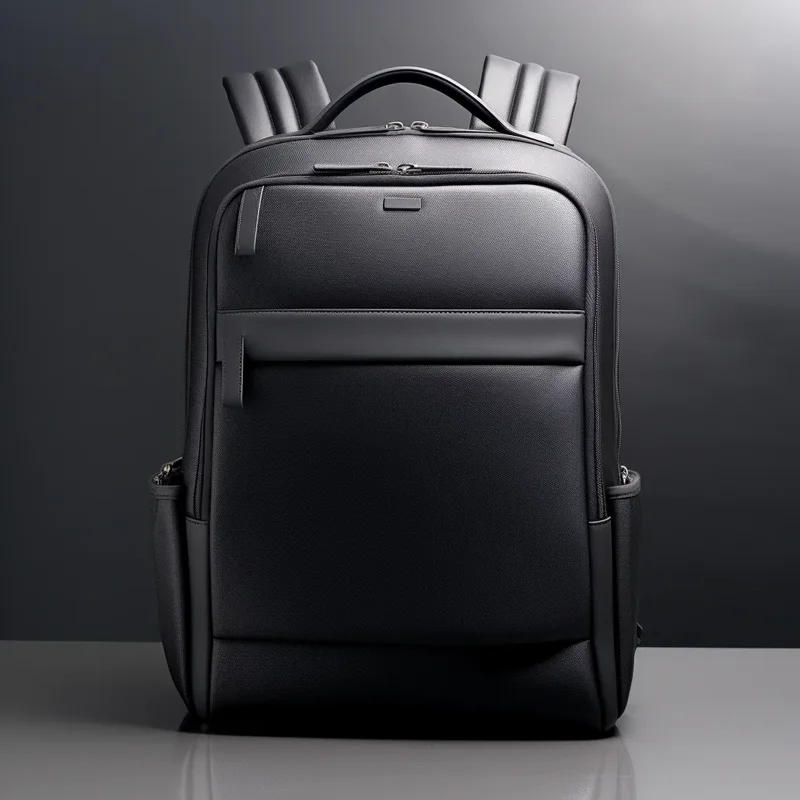
A well-designed backpack transfers weight from your shoulders to your hips and maintains the load close to your body's centre of gravity. This requires specific design features that distinguish quality engineering from basic bag construction.
How to Test
- Load the bag with 5-8kg of items. Put it on and adjust all straps. The bag should sit snugly against your back with the weight centred between your shoulders and waist.
- Check for a padded hip belt or at minimum a stabiliser strap that wraps around the waist. Even a simple webbing hip belt transfers significant load from shoulders to hips.
- Examine the back panel structure. Quality bags have either a framesheet (rigid internal support), suspended mesh (creating an air gap between bag and back), or contoured foam channels that maintain shape under load.
- The bag should not pull away from your back when loaded. If it does, the centre of gravity is poorly positioned.
- Check if the bag stands upright on its own when loaded. This indicates a structured design that maintains its shape and distributes load effectively.
Indicator 9: Warranty Length
The Manufacturer's Confidence Score
Warranty length is a direct financial signal of expected product life. A company that offers a 25-year or lifetime warranty has calculated their defect rate and determined that the product will not generate excessive warranty claims. A company offering 30 days knows the product will fail within months.
How to Test
- Check the warranty terms before purchasing. Reputable brands publish clear warranty information on their website.
- Read the warranty details, not just the headline. "Lifetime warranty" may cover only manufacturing defects, not normal wear. Understand what is and is not covered.
- Research the brand's actual warranty claim process. Are they known for honouring their warranty? Do they repair or replace? What is the turnaround time?
- Compare warranty across competitors in the same price range. If a $200 bag offers a 1-year warranty while a competitor offers 5 years, the warranty difference signals a quality difference.
| Warranty Length | Implied Product Life | Quality Signal | Typical Price Tier |
|---|---|---|---|
| 30 days - 1 year | 1-3 years | Low confidence | Budget ($30-$75) |
| 1-3 years | 3-5 years | Moderate confidence | Mid-range ($75-$175) |
| 5 years | 5-10 years | High confidence | Premium ($175-$350) |
| Lifetime / 25+ years | 10-30+ years | Very high confidence | Luxury ($350+) |
Indicator 10: Brand Reputation and Reviews
The Crowd-Sourced Quality Check
Brand reputation is built over years through consistent quality or destroyed quickly through corner-cutting. While new brands can produce excellent products, established brands with long track records offer more predictable quality.
How to Test
- Search for long-term user reviews (6+ months of use). First-week reviews are unreliable because everything looks good when new. Six-month reviews reveal durability issues.
- Check Reddit, YouTube, and backpack-specific forums for unbiased opinions. Look for detailed reviews with photos showing wear patterns.
- Examine how the brand handles complaints. Read negative reviews and see if the company responds constructively. A brand that ignores complaints or argues with customers is unlikely to honour warranty claims.
- Research brand history. How long has the company been making backpacks? Do they specialise in bags or is the backpack one of hundreds of product categories? Specialist brands typically deliver better quality.
- Look for consistency across the product line. If one bag gets consistently poor reviews for zipper failure, other bags from the same brand likely use similar zippers.
Quick Assessment Checklist
Use this summary table when evaluating a backpack in-store or after delivery:
| Indicator | Quality Standard | Pass/Fail Test |
|---|---|---|
| Stitching | 8+ SPI, bonded nylon, bar-tack reinforcement | Count stitches; pull stress points |
| Zippers | YKK or equivalent, appropriate gauge | Check branding; test operation 5x |
| Fabric | 600D+ nylon, tight weave, PU coating | Check spec; scratch test; feel density |
| Hardware | Branded (Duraflex/Woojin), solid material | Check marks; flex test; snap test |
| Padding | 8mm+ EVA/memory foam, rebounds | Thumb press test; measure thickness |
| Straps | S-curve, box-stitch, load-lifters | Inspect anchors; check width; load test |
| Lining | Smooth nylon tricot, finished seams | Fingernail snag test; inspect edges |
| Load Distribution | Hip belt, structured back, close fit | Load with weight; check stand ability |
| Warranty | 3+ years, clear terms, honoured claims | Read full terms; check claim process |
| Brand Reputation | Positive long-term reviews, specialist | Search forums; read 6+ month reviews |
Final Assessment
No backpack will score perfectly on every indicator, and the importance of each indicator depends on your intended use. A commuter bag needs excellent load distribution and laptop protection but may not need heavy-duty fabric. A hiking pack needs tough fabric and robust stitching but may sacrifice some organisational features.
Focus on the top three indicators for your use case. If you need a daily carry work bag, prioritise stitching quality, laptop padding, and load distribution. If you need a travel pack, prioritise fabric durability, zipper quality, and warranty coverage. A backpack that scores well on your personal top three indicators will serve you better than one that is mediocre across all ten.
Remember: quality is not about price. A well-constructed $120 backpack will outperform a poorly constructed $350 designer bag every time. Use these ten indicators to evaluate the actual product, not the brand name or the marketing photos.
Frequently Asked Questions
How can I tell if a backpack is high quality?
Check 10 key indicators: stitching density (8+ stitches per inch), genuine YKK zippers, fabric denier (600D+), quality hardware materials, adequate padding thickness (8mm+), reinforced strap construction, smooth lining quality, load distribution design, warranty length (3+ years), and brand reputation. Each indicator reveals a different aspect of overall build quality.
What is the most important quality indicator?
Stitching quality is the single most telling indicator. Examine stitch density, consistency, thread type (bonded nylon is best), and reinforcement at stress points. Poor stitching means the bag will fail first at seams, regardless of material quality.
Does fabric denier indicate quality?
Denier indicates fabric thickness but not necessarily quality. A well-constructed 500D nylon can outperform poorly woven 1000D polyester. Look at fabric type (nylon outperforms polyester), weave tightness, coating quality, and whether higher-denier fabric is used at stress points.
Why are YKK zippers important?
YKK zippers are the industry gold standard. They resist jamming, have consistent tooth engagement, and last 3-5x longer than generic zippers. If a backpack uses genuine YKK zippers, it signals the manufacturer invests in quality components throughout.
What padding thickness should a quality backpack have?
Shoulder straps should have at least 8mm padding for daily carry, with 10-15mm ideal for loads over 7kg. Back panels need at least 10mm structured foam. Laptop compartments need minimum 5mm foam plus soft lining. Quality EVA or memory foam rebounds quickly when pressed.
How does warranty length indicate quality?
Warranty directly reflects manufacturer confidence. A 1-year warranty suggests 2-3 year life. A 5-year warranty indicates 5-8 years. Lifetime warranties signal 10+ year confidence. Brands offering long warranties have calculated their defect rates and determined the product will not generate excessive claims.
What red flags indicate low quality?
Major red flags: loose threads, uneven stitching, generic unbranded zippers, thin flimsy fabric, plastic buckles that flex easily, minimal padding, raw unfinished edges inside, inconsistent stitch spacing, and lining that snags easily.
Can a cheap backpack still be good quality?
Occasionally, yes. Some brands sell direct-to-consumer with lower margins. However, below $50-60, it is mathematically difficult to include quality YKK zippers, adequate fabric, proper padding, and skilled construction while maintaining profit. The $100-$200 range is where consistent quality begins.
Sourcing High-Quality Backpacks for Your Brand?
We manufacture premium backpacks that pass every quality indicator in this guide. YKK zippers, 1000D Cordura options, 10+ SPI stitching, and comprehensive quality control at every production stage.
Email: service@junyuanbags.com
WhatsApp: +86 17750020688