How to Pack a Backpack for Minimalists: Less Is More
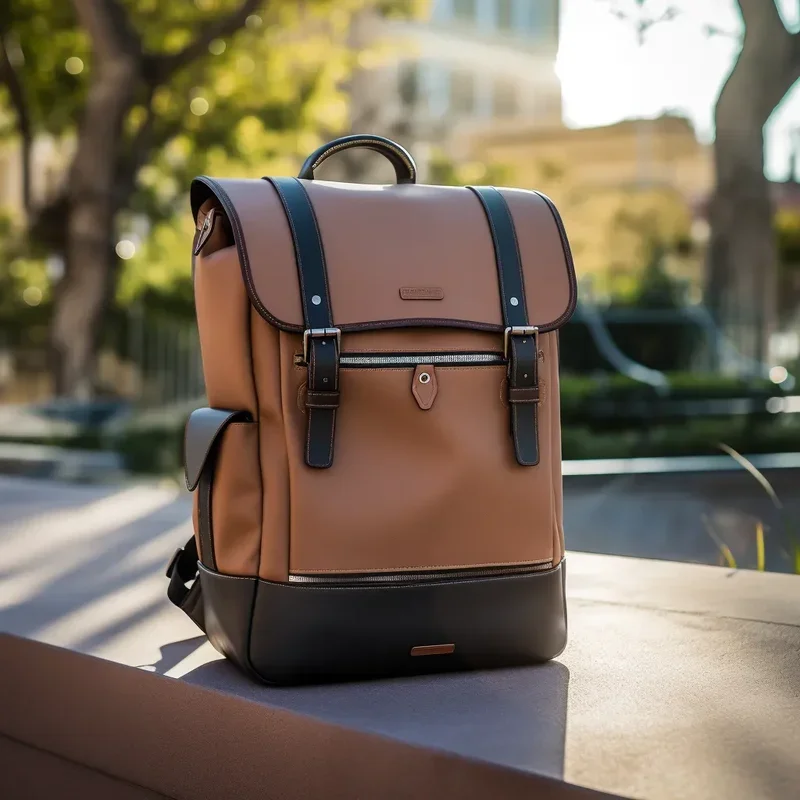
There is a particular kind of freedom that comes from carrying less. Not just physical freedom, though that is real enough: lighter shoulders, easier movement through airports, no checked bag fees, no waiting at carousels. There is also mental freedom. When your entire life fits into a single backpack and you have chosen every item deliberately, there is a clarity that comes from knowing exactly what you have and what purpose each piece serves. This is the minimalist packing philosophy, and it is one of the most rewarding skills a traveller or commuter can develop.
Minimalist packing is not about deprivation or hardship. It is about essentialism applied to backpacking: the deliberate practice of carrying only what serves a clear purpose, eliminates redundancy, and supports the life you want to live on the move. It draws from the same principles that underpin minimalist living, capsule wardrobes, and the broader movement toward intentional consumption. The result is a backpack that weighs less, takes less time to pack and unpack, costs less to travel with, and paradoxically gives you more confidence because you know every item in your bag has earned its place.
This guide covers the philosophy, the practical techniques, and the specific packing lists for three-day, seven-day, and thirty-day minimalist trips. By the end, you will have a framework for evaluating every item you carry and a set of tested lists that prove you need far less than you think.
The Philosophy of Minimalist Packing
Minimalist packing begins with a question that most people never ask themselves: why am I carrying this? Not is this useful in some hypothetical scenario, but does this item serve a clear, current purpose on this specific trip? The difference matters enormously. Most people pack for imagined scenarios rather than actual needs. They bring three pairs of shoes because they might visit a nice restaurant. They pack a full toiletry bag because they might need special skincare. They carry backup chargers and adapters for devices they might not even use. Each item seems reasonable in isolation, but collectively they create a bag that is heavier, more complex, and harder to manage than necessary.
The minimalist approach inverts this logic. Start with zero and add only items that serve a confirmed purpose. If you cannot articulate why you need an item in a single sentence, it does not go in the bag. This sounds extreme, but in practice, it produces packing lists that are surprisingly comfortable. You will find that 90 percent of what you thought you needed can be eliminated without any meaningful loss of comfort or capability.
The Capsule Wardrobe for Travel
The single biggest weight savings in minimalist packing comes from reducing clothing. Most travellers overpack clothing by a factor of two to three, carrying outfits for scenarios that never materialise. The capsule wardrobe concept solves this by selecting a small number of versatile pieces that can be mixed and matched to create multiple outfits from a minimal set of garments.
The Seven-Item Capsule for Thirty Days
A well-designed capsule wardrobe for travel consists of seven core items that can be combined to create over twenty distinct outfits. The foundation is a neutral colour palette: black, navy, grey, and white, which all coordinate with each other. Start with two t-shirts in neutral colours, one long-sleeve shirt that works for both casual and slightly dressy occasions, one pair of versatile trousers that dry quickly and resist wrinkles, one pair of shorts or lighter trousers for warm weather, one lightweight jacket that serves as both a wind layer and a casual outer layer, and one set of underwear and socks per day of travel, washed and dried every few days. This seven-item capsule handles virtually any climate, any occasion short of black-tie events, and any trip duration because you wash the items regularly.
The key to making this work is choosing items made from performance fabrics. Merino wool t-shirts resist odour for multiple days of wear without washing. Synthetic travel trousers dry overnight after a sink wash and resist wrinkles better than cotton. A lightweight down jacket packs to the size of a grapefruit but provides serious warmth when needed. These performance characteristics are what make minimal clothing viable for extended travel.
Multi-Use Items: The Minimalist's Secret Weapon
The most valuable items in a minimalist pack are those that serve multiple functions. Every time you can replace two single-purpose items with one multi-use item, you reduce weight, simplify your packing list, and decrease the number of decisions you need to make each day. Here are some of the most effective multi-use items for minimalist backpacking.
A buff or lightweight merino wool neck gaiter serves as a scarf, hat, headband, face cover, sleep mask, and pillow cover. That is six functions from a single item weighing 40 grams. A sarong or lightweight travel towel functions as a towel, beach blanket, picnic blanket, curtain for privacy, and improvised pillow. A power bank with integrated cables charges your phone, earbuds, and any USB-powered device without carrying separate cables. A smartphone replaces a camera, GPS unit, book reader, music player, flashlight, and notebook for most travellers. The point is not to carry impossibly few items, but to ensure that every item you carry earns its weight by serving multiple purposes.
Digital vs Physical: What to Eliminate
The digital revolution has eliminated dozens of items that travellers used to carry as a matter of course. Paper maps have been replaced by smartphone navigation. Physical books have been replaced by e-readers or reading apps. Paper notebooks can be replaced by note-taking apps for most people. Travel documents can be stored as digital copies on your phone as backup. Physical cameras have been replaced by smartphones with increasingly capable cameras that satisfy the needs of most non-professional photographers.
Audit your bag for items that have digital equivalents. Every physical item you replace with a digital alternative saves weight and space. The exception is items that genuinely require physical form: a passport, physical credit cards, medications, and specific tools like a multi-tool or knife. For everything else, the digital version is lighter, always available, and cannot be lost or damaged by water.
Minimalist Packing Lists
Three-Day Minimalist Packing List
| Category | Item | Weight | Notes |
|---|---|---|---|
| Clothing | 2 merino wool t-shirts | 280g | One worn, one spare |
| Clothing | 1 travel trousers | 250g | Worn during travel |
| Clothing | 3 underwear sets | 150g | One per day |
| Clothing | 3 pairs socks | 100g | Merino wool preferred |
| Tech | Phone and charger | 250g | Single cable for all devices |
| Tech | Earbuds | 50g | Wireless preferred |
| Hygiene | Travel toiletry kit | 150g | Minimum sizes only |
| Documents | Wallet and ID | 100g | Minimal cards |
| Total estimated weight | Approximately 1.3 kg | ||
Seven-Day Minimalist Packing List
For a seven-day trip, the principle remains the same but you add a few items for comfort and versatility. Add a lightweight jacket for variable weather, a second pair of trousers or shorts for variety, a small laundry bag for separating clean from dirty, and a compact first aid kit. The total weight stays under 3 kg if you choose performance fabrics and eliminate redundancy. Wash clothing every three to four days in a hotel sink or laundrette, which takes 15 minutes and eliminates the need to carry a full week's worth of clothing.
Thirty-Day Minimalist Packing List
Thirty days is where minimalist packing proves its worth most dramatically. The conventional approach is to pack more clothing for longer trips. The minimalist approach is to pack the same amount and wash more frequently. For a thirty-day trip, your packing list should be nearly identical to a seven-day list with the addition of a few comfort items: a compact umbrella, a small notebook if you prefer writing by hand, a compact power bank for long travel days, and any trip-specific items like swimwear or hiking socks. The total weight should stay under 5 kg including the backpack itself, which qualifies as a personal item on most airlines and eliminates checked bag fees entirely.
What to Eliminate: The Hard Truths
Minimalist packing requires honest self-assessment about what you actually use versus what you think you might need. Here are the items that most travellers carry but rarely use, along with the minimalist alternative.
Multiple pairs of shoes: Most travellers need one pair of versatile shoes and optionally one pair of sandals. The third pair of dress shoes or hiking boots usually stays unworn. Eliminate redundant footwear. Full-sized toiletries: Transfer everything to small containers. You do not need a full bottle of shampoo for any trip. Backup electronics: One charger, one cable, one power bank. If it breaks, you can buy a replacement at your destination for less than the weight costs you in comfort over the trip. Entertainment devices: Your phone handles music, books, podcasts, and games. A tablet or dedicated e-reader adds weight without proportional benefit for most travellers. Excessive clothing: The single biggest source of overpacking. Apply the capsule wardrobe approach and commit to washing regularly.
The Minimalist Mindset Shift
The hardest part of minimalist packing is not the physical act of choosing fewer items. It is the psychological shift from abundance mindset to essentialism mindset. We are conditioned to believe that more options equals more freedom, that being prepared for every scenario is responsible, and that travelling light means sacrificing comfort. All three beliefs are wrong in the context of backpacking. More options means more decisions and more weight. Being prepared for every scenario means carrying for scenarios that never happen. And travelling light actually increases comfort because every step is easier, every airport transit is faster, and every stair climb is manageable.
Start small. On your next trip, eliminate three items you think you might not need. On the trip after that, eliminate three more. Over several trips, you will develop an intuitive sense of what is essential and what is excess. The destination is not carrying the fewest items possible; it is carrying the right items, each one deliberate and purposeful, in a bag that feels light enough to carry all day without a thought.
Key Takeaway
Minimalist packing is about essentialism, not deprivation. A capsule wardrobe of seven items handles thirty days of travel. Multi-use items multiply your capability per gram carried. Digital alternatives eliminate physical weight. The goal is not the smallest possible bag but a bag where every item earns its place through clear, current purpose.
Choosing the Right Backpack for Minimalist Packing
Your backpack selection is just as important as what you put inside it. A minimalist packer needs a bag that is lightweight, well-organised, and appropriately sized to discourage overpacking. The ideal minimalist backpack falls in the 30 to 40 litre range. Anything larger tempts you to fill the space with items you do not need. Anything smaller forces compromises on essential items like laptops and adequate clothing for variable weather.
Look for bags with a simple compartment structure: one main compartment, a laptop sleeve, and a few external pockets. Avoid bags with excessive compartments and organiser panels, which paradoxically encourage overpacking by creating spaces that feel like they need to be filled. The best minimalist backpacks have a clean interior that lets you use packing cubes or stuff sacks as your organisational system rather than built-in dividers that constrain your flexibility.
The One-Bag Travel Revolution
The one-bag travel movement, which has grown significantly over the past decade, represents minimalist packing taken to its logical conclusion. One-bag travellers carry everything they need for trips of any duration in a single carry-on-sized backpack, typically 35 to 45 litres. The advantages are substantial: no checked bag fees, no waiting at baggage carousels, no risk of lost luggage, and the ability to walk directly from the plane to your destination without any intermediary stops.
The one-bag approach forces a level of intentionality that most people find transformative. When you know that every item must fit in a single bag that you will carry on your back through airports, train stations, and city streets, you become ruthlessly efficient about what earns a place. The result is typically a bag weighing 6 to 8 kg that contains everything needed for trips of any length, maintained through regular laundry cycles and strategic resupply of consumables like toiletries at your destination.
Seasonal Adjustments for Minimalist Packing
Minimalist packing in summer is straightforward: lightweight clothing, sandals, sunscreen, and a water bottle. The challenge comes in transitional seasons and winter, when layering becomes essential. The minimalist approach to cold weather is to carry thin, high-performance layers rather than one bulky item. A merino wool base layer, a lightweight fleece or down vest, and a waterproof shell jacket provide warmth equivalent to a heavy winter coat at a fraction of the weight and packed volume. Each layer serves multiple purposes: the base layer works as sleepwear, the fleece works as a standalone piece in mild conditions, and the shell works as a wind and rain layer in any season.
The key principle for seasonal minimalist packing is to dress for the most common conditions you will encounter and accept slight discomfort at the extremes rather than carrying bulk for rare scenarios. If you will encounter cold weather for only one day of a seven-day trip, it is better to buy or borrow a warm layer at your destination than to carry it for six days of warmth when you will not need it.
Building Your Minimalist Packing Habit
Transitioning to minimalist packing is a process that develops over several trips. Begin by auditing your last trip's backpack contents. Identify every item you did not use and eliminate it from future packing lists. On your next trip, challenge yourself to eliminate three more items. Continue this process over several trips until you reach a packing list that feels lean but complete. The feeling of opening your bag and knowing that every single item has a purpose and is used regularly is one of the most satisfying aspects of the minimalist packing lifestyle.
Share your packing list with a trusted friend and ask them to challenge items they think are unnecessary. External perspective often catches redundancy that we miss because of our attachment to particular items. Over time, your packing list will stabilise into a system that is uniquely yours, optimised for your specific needs, destinations, and travel style.
Frequently Asked Questions
How many items do I need for a 30-day minimalist trip?
For a 30-day minimalist trip, you need approximately seven core clothing items, one pair of versatile shoes, a minimal toiletry kit, essential electronics, and documents. The key is to wash clothing regularly rather than packing more. Total pack weight should stay under 5 kg including the backpack.
What is a capsule wardrobe for travel?
A capsule wardrobe for travel is a small collection of versatile clothing items, typically seven pieces, that can be mixed and matched to create over twenty outfits. Items are chosen in neutral colours that coordinate with each other and made from performance fabrics that resist odour and dry quickly.
Can I really travel with just a backpack for a month?
Yes, many experienced travellers spend months or even years travelling with a single backpack of 35 to 45 litres. The key is choosing performance fabrics, washing clothing regularly, and eliminating redundant items. A well-packed minimalist travel backpack weighs under 7 kg total.
What is the most commonly overpacked item?
Shoes are the most commonly overpacked item. Most travellers need one pair of versatile shoes and optionally one pair of sandals. The third or fourth pair of shoes usually stays unworn and adds significant weight and bulk to the pack.
How do I wash clothes while travelling minimally?
Wash clothes in a hotel sink using a small amount of shampoo or body wash as detergent. Roll items in a towel to remove excess water, then hang to dry overnight. Merino wool and synthetic fabrics dry within six to eight hours and resist odour between washes.
Is minimalist packing comfortable?
Yes, minimalist packing is surprisingly comfortable because performance fabrics are designed for multi-day wear without washing, and carrying less weight means less physical strain. Most people who adopt minimalist packing report feeling more comfortable, not less, because they are not burdened by excess.
What backpack size is best for minimalist packing?
A 30 to 40 litre backpack is ideal for minimalist packing. This size accommodates a capsule wardrobe, minimal toiletries, essential electronics, and documents while remaining carry-on compliant for most airlines. It forces you to be selective about what you bring.
Explore More Packing & Organisation Guides
Continue building your packing expertise with our related guides:
How to Organise Your Backpack | 15 Backpack Organisation Hacks | Backpack Packing Order | Packing Cubes for Backpacks | Weight Distribution Guide