How to Organise Your Backpack Like a Pro
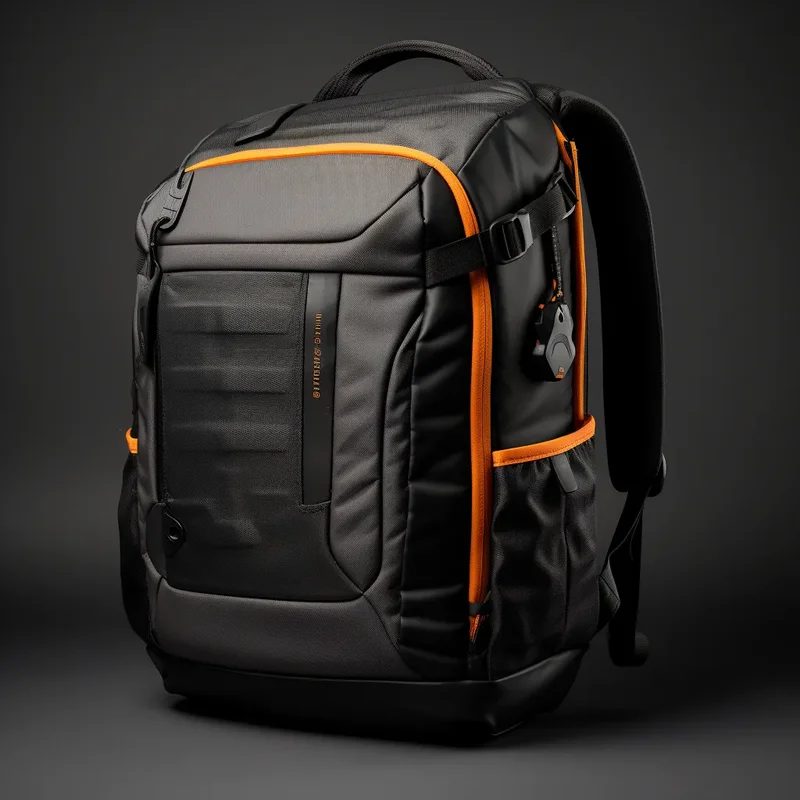
There is a moment every traveller knows well: standing over an open backpack, staring at the chaotic mass of clothes, cables, and toiletries, wondering how it all went wrong. You packed carefully. You thought you had a system. Yet somehow, your water bottle has migrated to the laptop sleeve, your phone charger is tangled with your toothbrush, and the shirt you wanted to keep crisp looks like it survived a rough tumble. If this sounds familiar, you are not alone. A poorly organised backpack is one of the most common frustrations among daily commuters, hikers, and travellers alike. But here is the good news: organising a backpack is not about willpower or natural neatness. It is about applying a systematic approach that anyone can learn, regardless of whether you consider yourself a tidy person or not.
At Mens Backpack, we have spent years testing organisation methods across hundreds of bags, from 15-litre daypacks to 70-litre expedition rucksacks. What we have found is that the most efficient packing systems all follow a handful of core principles. This guide will walk you through those principles step by step, covering the zone system, category-based packing, and frequency-of-use logic, with specific recommendations for commuter, hiking, and travel backpacks. By the end, you will have a repeatable system that keeps your bag tidy, your items accessible, and your mind at ease. Organisation is not a personality trait. It is a skill, and like any skill, it improves with practice and the right framework.
Why Backpack Organisation Matters More Than You Think
Before diving into methods, it is worth understanding why organisation has such an outsized impact on your daily experience. A well-organised backpack reduces decision fatigue. When every item has a designated home, you eliminate the micro-decisions that drain mental energy throughout the day. Studies in cognitive psychology have shown that clutter, even in a bag, increases cortisol levels and reduces focus. The brain treats visual and physical disorder as a mild threat, triggering low-grade stress responses that accumulate over hours and days. If you work in an office or co-working space, pulling out a neatly arranged bag signals professionalism and competence. It also makes you more productive because you can find what you need in seconds rather than minutes.
For hikers and travellers, organisation is not just about convenience; it is about safety and efficiency. Knowing exactly where your first aid kit, headlamp, or passport is located can make a critical difference in time-sensitive situations. A 2023 study published in the Journal of Outdoor Recreation found that hikers who used systematic packing methods completed their trips with 40 percent fewer reported instances of lost or misplaced items. The implications are clear: organisation is not a luxury, it is a functional skill that pays dividends in every scenario. Consider also the time savings. The average person spends approximately eight minutes per day searching for items in their bag. Over a year, that adds up to nearly 49 hours. Multiply that by the frustration and missed opportunities, and the cost of poor organisation becomes impossible to ignore.
The Zone System: Your Backpack's Internal Map
The most effective way to think about your backpack is as a series of zones. Each zone serves a specific purpose, and understanding these zones is the foundation of professional-level organisation. Most modern backpacks, whether designed for commuting, hiking, or travel, share a similar anatomical structure. By mapping your items to the right zones, you create a system that is intuitive and repeatable. Think of it like a city: different neighbourhoods serve different functions, and you always know where to go for what you need.
Top Zone: Quick-Access Essentials
The top of your backpack, including the top lid or top-access pocket, is your quick-access zone. This is where items you need frequently or urgently should live. Think of it as your backpack's cockpit. For a commuter, this zone holds your phone, wallet, keys, transit card, and sunglasses. For a hiker, it holds your map, compass, snacks, sunscreen, and first aid kit. For a traveller, this is where your passport, boarding pass, and travel documents belong. The principle here is simple: if you need it more than three times a day, it belongs in the top zone. Items here should be retrievable without removing the backpack from your shoulders, which means they should be in external pockets or the top lid rather than buried inside the main compartment.
Middle Zone: Core Load
The middle zone, which sits against your back and spans the central portion of the pack, is where your heaviest and most important items go. Placing heavy items close to your spine and in the mid-back area centres the load over your hips, reducing strain on your shoulders and lower back. For commuters, this means your laptop goes here, ideally in a dedicated padded sleeve. For hikers, this is where your hydration bladder, cook system, and food bag sit. For travellers, your clothing bundle or packing cubes occupy this prime real estate. The middle zone is also where your centre of gravity should be, making it the most important zone for comfort. When items are properly centred in this zone, you barely notice the weight of the pack even after hours of wear.
Bottom Zone: Lightweight and Bulky Items
The bottom of your backpack is the least accessible area, which makes it the natural home for lightweight, bulky items that you do not need until you stop. For hikers, this is your sleeping bag, sleep pad, and camp clothes. For travellers, this is where off-season clothing or items you packed but will not need during the day go. For commuters, your gym clothes, shoes, or lunch bag might live here. The key principle is that bottom-zone items are rarely accessed during the day and should be relatively light so they do not pull the centre of gravity downward and cause back strain over extended wear periods. If you find the bottom of your pack feeling dense and heavy, you have likely misplaced something that belongs higher up.
Outer Zones: Side Pockets and Front Pouches
The outer zones include side water bottle pockets, front stretch pockets, hip belt pockets, and any external attachment points. These are ideal for items you need to grab quickly without opening the main compartment. Water bottles, trekking poles, umbrellas, and snacks fit here. Front pockets are perfect for electronics chargers, guidebooks, or a lightweight jacket that you might need at a moment's notice. Hip belt pockets, a feature common on hiking packs, are excellent for small items like energy bars, lip balm, or a phone that needs constant accessibility on the trail. The outer zones effectively extend your usable carrying capacity without adding complexity to the main compartment organisation.
Backpack Zone System Diagram
Category-Based Packing: Group Like with Like
Once you understand the zone system, the next layer of organisation is category-based packing. The idea is to group items by function or type, then place each group in the zone that best suits it. This approach reduces search time because your brain naturally thinks in categories. When you need to charge your phone, you do not scan the entire bag; you go straight to the electronics pouch. This mental model maps perfectly to how we retrieve memories and organise physical spaces in our homes and offices.
The Five Core Categories
For most packing scenarios, items fall into five broad categories. First, electronics and tech: laptop, phone, charger, cables, power bank, earbuds, and adapters. Second, clothing: shirts, trousers, underwear, socks, and outerwear. Third, toiletries and hygiene: toothbrush, toothpaste, deodorant, skincare, and any medical items. Fourth, documents and administration: passport, wallet, tickets, notebooks, pens, and identification. Fifth, nutrition and hydration: water bottle, snacks, lunch container, and electrolyte packets.
Create a pouch or compartment for each category. Electronics go in a padded tech pouch. Toiletries go in a hanging toiletry bag. Documents go in a slim travel organiser. Clothing goes in packing cubes or stuff sacks. Nutrition items go in easily accessible side or top pockets. This category system means that when you arrive at your destination, you can simply remove the relevant pouch and place it where you need it, without unpacking your entire bag. It also makes security checks at airports significantly faster because you can pull out all electronics in one motion. Over time, each pouch becomes a self-contained module that you can transfer between bags, which is particularly useful if you rotate between different backpacks for different activities.
Frequency-of-Use Logic: The Hidden Optimiser
The third principle of effective backpack organisation is frequency-of-use logic. This principle states that the more often you need an item, the more accessible it should be. It sounds obvious, yet most people pack their bags based on item size or weight rather than access frequency. The result is that frequently needed items are buried at the bottom while rarely used items occupy prime real estate near the top. This mismatch between access frequency and placement is the single biggest cause of backpack disorganisation.
The Three-Tier Frequency Model
Divide your items into three tiers. Tier 1: Constant Access covers items you need every hour or more. Your phone, wallet, keys, transit pass, lip balm, and glasses fall here. These should be in top lid pockets, hip belt pockets, or front slip pockets, accessible without removing the backpack from your shoulders. Tier 2: Periodic Access covers items you need one to three times a day. Your water bottle, snacks, sunscreen, light jacket, and notebook go here. These should be in side pockets or the upper section of the main compartment, accessible with minimal disruption to other items. Tier 3: Destination Access covers items you only need when you stop or arrive at your final destination. Your sleeping bag, camp clothes, toiletry kit, and laptop charger (if you only work at your destination) go here. These can be in the bottom compartment or deeper in the main compartment where they are protected but not immediately reachable.
Applying frequency logic requires honesty about your actual habits. Many people claim they need their notebook daily but use it twice a week. Others carry a rain jacket every day in summer when the chance of rain is under ten percent. Audit your bag contents weekly for the first month. Remove items that have not been used in the past week, and you will be surprised how much lighter and more organised your pack becomes.
Compartment-by-Compartment Optimisation by Bag Type
Different types of backpacks have different compartment layouts. Understanding how to optimise each compartment for your specific use case is what separates amateur packing from professional-level organisation.
Commuter Backpacks
Commuter backpacks typically feature a dedicated laptop sleeve, an admin panel with pen loops and card slots, one or two main compartments, and side pockets. Optimise the laptop sleeve for your laptop and tablet only; do not use it for clothing or food containers, as this compromises the padding's protective function. The admin panel is ideal for pens, business cards, USB drives, and small notebooks. The main compartment should hold your lunch container, gym clothes, and any files or folders. Side pockets are for your water bottle and umbrella. The key for commuters is separation: keep work items, gym items, and food in separate compartments or pouches to prevent cross-contamination of odours and spills. A simple mesh pouch for gym clothes and a separate one for electronics can make a world of difference.
Hiking Backpacks
Hiking backpacks, particularly those in the 30 to 65 litre range, have more external attachment points and specialised compartments. The sleeping bag compartment at the bottom should be used exclusively for your sleep system. The main compartment holds your food, cook system, and clothing. The top lid is your safety and navigation zone, holding your first aid kit, map, compass, headlamp, and emergency whistle. Side pockets hold water bottles and trekking poles. Hip belt pockets hold snacks and small essentials. Compression straps on the sides can secure a foam pad or tent poles. The key for hikers is weight distribution with heaviest items close to your back and mid-height, plus safety items always at the top where you can reach them without unpacking everything else.
Travel Backpacks
Travel backpacks, often in the 35 to 45 litre range, are designed to maximise accessible space while remaining carry-on compliant. These bags typically open like a suitcase with a clamshell design, have multiple internal compartments, and include a laptop sleeve. Optimise these bags using packing cubes organised by clothing type or day. The clamshell opening means you can see everything at once, so use the top half for items you need during the day and the bottom half for stored clothing. The front panel is ideal for electronics and toiletries. The laptop sleeve, usually positioned against the back panel, should hold only your laptop and tablet to maintain a comfortable carry. Many travel backpacks also include a hidden pocket against the back panel that is perfect for passports and cash, keeping valuables secure and close to your body in crowded environments.
Organisation Method Comparison
| Method | Best For | Pros | Cons | Ideal Bag Type |
|---|---|---|---|---|
| Zone System | All users | Intuitive, flexible, works with any bag | Requires initial setup time | Any backpack |
| Category Pouches | Commuters, travellers | Fast retrieval, modular, transferable between bags | Adds slight weight from pouches | Commuter and travel packs |
| Frequency Tiering | Daily users, hikers | Reduces fumbling, improves access speed | Needs discipline to maintain | Any backpack |
| Roll and Bundle | Minimalists, travellers | Saves space, reduces wrinkles | Can crease structured clothing | Travel and carry-on packs |
| Packing Cubes | Weekend and longer trips | Compresses clothing, separates clean from dirty | Adds cost and a small amount of weight | Travel packs 30L plus |
| Tetris Stacking | Ultralight backpackers | Maximises every cubic centimetre | Hard to access items mid-trip | Ultralight and minimal packs |
Building Your Personal Packing System
The best packing system is the one you will actually use consistently. Do not try to adopt every method at once. Start with the zone system, add category pouches for your weakest area, and gradually layer in frequency-of-use logic. Over a few weeks, you will develop a system that feels natural and requires almost no conscious thought. Weigh your bag once it is packed; a well-organised bag is often lighter because you stop packing items you cannot easily find or justify carrying once you see the full picture of what you are bringing.
Consistency is the secret ingredient. Pack your bag the same way every time, and you will build muscle memory that makes the process automatic. Within a month, you will be able to pack or unpack your entire bag in under three minutes, and you will never again spend five minutes searching for your keys at the bottom of what feels like a black hole. The investment in building a system pays itself back many times over in reduced stress, saved time, and the quiet satisfaction of opening your bag and finding everything exactly where you left it.
Maintaining Your System Over Time
Organisation is not a one-time event; it is an ongoing practice. Your needs change with the seasons, your activities, and your lifestyle. A system that works perfectly in winter may need adjustment for summer. The key is to build review habits into your routine. Spend two minutes at the end of each day emptying your bag completely and removing anything that does not need to be carried tomorrow. Once a month, do a deeper review: check for items that have been in your bag for more than a month without use, assess whether your pouches and cubes are still serving you, and consider whether any new items need a designated home. This maintenance cycle keeps your system lean, functional, and relevant to your current needs.
Key Takeaway
Effective backpack organisation combines three principles: the zone system (assigning areas by function), category-based packing (grouping like items together), and frequency-of-use logic (placing frequently needed items in the most accessible positions). Master these three, and any backpack becomes a precision tool rather than a source of frustration.
Frequently Asked Questions
What is the best way to organise a backpack?
The best way to organise a backpack is to use a zone system that assigns specific areas for specific item categories, combined with frequency-of-use logic that places frequently needed items in the most accessible positions. Category pouches and packing cubes add a further layer of structure.
How do I stop my backpack from becoming a mess?
To prevent your backpack from becoming messy, assign every item a designated home before packing, use pouches or packing cubes to group similar items, and unpack and repack consistently using the same routine each time you prepare for your day or trip.
Where should I put my laptop in my backpack?
Your laptop should go in the dedicated laptop sleeve, which is usually positioned against the back panel in the middle zone. This placement protects the laptop with padding and positions the heavy item close to your spine for better weight distribution and comfort throughout the day.
Should I use packing cubes in a commuter backpack?
Packing cubes can work in commuter backpacks, but for smaller bags, simpler pouches or ziplock bags often work better. Packing cubes shine in travel backpacks of 30 litres or more where clothing volume justifies the modular system and its slight weight overhead.
How often should I reorganise my backpack?
A thorough reorganisation is recommended every three to six months, or whenever your carry needs change. Daily maintenance takes about 60 seconds at the end of each day when you unpack and remove items that no longer need to be carried the next day.
What is the zone system for backpack packing?
The zone system divides your backpack into areas based on function: the top zone for quick-access essentials, the middle zone for heavy core items against your back, the bottom zone for lightweight bulky items, and the outer zones for side pockets and attachment points.
How do I maintain backpack organisation long-term?
Spend two minutes at the end of each day emptying your bag and removing unnecessary items. Once a month, do a deeper review to check whether your pouches and cubes are still serving you and whether any items have accumulated without purpose.
Explore More Packing & Organisation Guides
Continue building your packing expertise with our related guides:
Backpack Packing Order Guide | 15 Backpack Organisation Hacks | Packing Cubes for Backpacks | Backpack Compartment Names Explained | Weight Distribution Guide