Table of Contents
Walk into any bag shop or browse any online retailer and you will find backpacks priced from 15 quid to well over 500. That is not a typo — there are backpacks that cost as much as a budget laptop. For the average man looking for a reliable daily carry solution, the question is not "which backpack looks best." It is how much should you actually spend on a backpack, and more importantly, what do you get for your money at each price point.
This is not a simple question with a simple answer. The right spend depends on how often you use a backpack, what you carry, and how long you expect it to last. But we can break it down with data, logic, and real-world experience to help you make the smartest decision for your situation and your backpack budget.
The Five Price Tiers: What You Actually Get
Let us cut through the marketing noise and examine what each price range actually delivers in terms of materials, construction, features, and longevity.
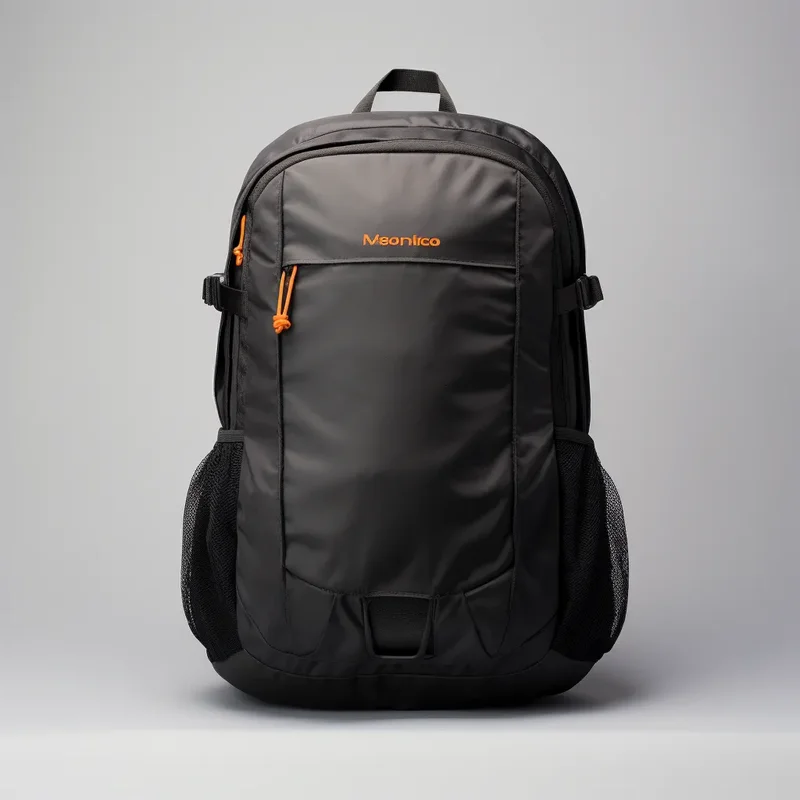
The Entry Level
At this price point, you get a basic bag that carries stuff. The fabric is typically thin polyester (150D to 300D) or lightweight nylon. Zippers are unbranded or generic SBS. Shoulder straps are thin foam encased in mesh, and the back panel has minimal ventilation. Stitching at stress points uses single-row construction rather than reinforced bartacks.
What you get: Basic organisation (1-2 pockets), lightweight construction, simple aesthetics, adequate for light loads under 5kg.
Where corners are cut: No warranty, thin padding, generic hardware, limited water resistance, seams not sealed, fabric may pill or fade within months.
Expected lifespan: 6 to 18 months of daily use.
The Sweet Spot for Casual Users
This is where things start to get serious. You will find 420D to 600D nylon or polyester, occasionally with branded zippers (YKK appears in some models at the upper end). Organisation improves with dedicated laptop sleeves, admin panels, and multiple compartments. Shoulder straps gain contoured shaping and breathable mesh. Back panels feature air channels for ventilation.
What you get: Dedicated laptop compartment (up to 15"), decent organisation, branded or near-branded zippers, basic water-resistant coatings, 1-2 year limited warranties from established brands.
Where corners are cut: Padding may compress after 6 months, fabric is mid-weight not heavy-duty, strap adjustment hardware may be plastic, no load-lifter straps.
Expected lifespan: 2 to 4 years of daily use.
The Serious Daily Carry
Now you are in the territory that most daily commuters should target. Full YKK zippers, 600D to 1000D denier fabrics, reinforced bartack stitching at all load-bearing points. Laptop compartments are suspended (not touching the bottom) for drop protection. Back panels feature multi-density foam with ventilation channels. Strap systems include load-lifter adjustments and sternum straps on many models.
What you get: Premium materials, comprehensive organisation, excellent ergonomics, 3-5 year or lifetime warranties from top brands, professional appearance suitable for office environments, water-resistant construction with sealed seams on select models.
Where corners are cut: May not use the absolute highest-grade fabric (e.g., standard nylon vs. Cordura), limited lifetime warranty rather than unconditional, fewer luxury touches like leather accents or metal hardware.
Expected lifespan: 4 to 8 years of daily use.
The Investment Carry
Premium materials define this range: Cordura 1000D, X-Pac VX21, ballistic nylon, or high-end recycled fabrics. Hardware is top-tier throughout — YKK Aquaguard zippers, metal buckles, magnetic Fidlock clasps. Organisation is meticulous with purpose-built compartments for tech, EDC items, and travel essentials. Suspension systems rival those found in hiking packs, with adjustable torso lengths and moulded hip belts on larger models.
What you get: Best-in-class materials, lifetime warranties with repair services (Osprey All Mighty Guarantee, Patagonia Ironclad), sophisticated organisation, weatherproof construction, premium aesthetic details, brand heritage and resale value.
Where corners are cut: None materially — you are paying for premium materials, ethical manufacturing, design innovation, and comprehensive warranty support rather than cutting corners.
Expected lifespan: 7 to 15+ years of daily use.
Beyond Utility
Above $500, you enter the luxury and specialist territory. Brands like Tumi, Filson, Saddleback Leather, and Briggs & Riley operate here. Materials include full-grain leather, Dyneema composite fabrics, and custom-milled hardware. Many bags in this range are hand-stitched or produced in small batches with individual quality inspection.
What you get: Heirloom-quality materials, hand craftsmanship, 25-year to "unconditional lifetime" warranties, bespoke aesthetic that ages with character, status and brand recognition, exceptional repair services.
Where corners are cut: Nowhere in quality, but diminishing returns on pure functionality — a $700 bag is not 3.5 times more functional than a $200 bag.
Expected lifespan: 15 to 30+ years. Many bags in this range are designed to be lifetime companions.
The Cost-Per-Use Framework
The most rational way to evaluate any backpack purchase is through cost per use (CPU). This simple calculation reveals the true value of any bag over its ownership period.
Let us compare three realistic scenarios for a man who carries a backpack 5 days per week:
| Scenario | Purchase Price | Lifespan | Total Uses | Cost Per Use |
|---|---|---|---|---|
| Budget bag replaced 3x | $45 x 3 = $135 | 1.5 yrs each | 1,170 | $0.115 |
| Mid-range quality bag | $150 x 1 | 6 years | 1,560 | $0.096 |
| Premium investment bag | $350 x 1 | 12 years | 3,120 | $0.112 |
Notice something interesting? The budget option is actually more expensive per use than the mid-range bag, despite the lower upfront cost. And the premium bag is nearly competitive on pure cost per use — while offering vastly superior comfort, organisation, and reliability throughout its lifespan.
The Comfort Dividend
Cost per use does not capture everything. Consider that a well-padded, ergonomic $200 backpack distributes 10kg of laptop and gear across your shoulders and back with minimal strain. A thin-strapped $35 backpack concentrates that same weight on pressure points. Over thousands of uses, the difference in daily comfort and long-term physical health is substantial — and impossible to quantify in pence per use alone.
When to Splurge vs. When to Save
Not every backpack purchase warrants a premium investment. Here is a clear framework for when spending more makes financial and practical sense:
Splurge When:
- You carry expensive electronics: A $2,000 laptop deserves a backpack with a suspended, padded compartment — not a thin sleeve in a $30 bag. The bag is insurance for your tech.
- You use it daily (4+ hours/day): The more time you spend wearing a backpack, the more each pound invested in comfort and ergonomics pays dividends in reduced fatigue and strain.
- You travel frequently: Travel backpacks endure airport floors, overhead bins, rain, and constant abrasion. A well-built $200+ travel bag will outlast three budget bags and keep your belongings safer.
- Your workplace has a professional dress code: A premium backpack with clean lines and quality materials complements business-casual attire. A visibly cheap bag can undermine a professional image.
- You want a single-bag solution: If you want one backpack to replace your work bag, gym bag, and travel bag, invest in a versatile premium model that handles all three roles.
Save When:
- Occasional use only: A bag used once a week for a specific activity does not need premium construction. A value-tier bag will last years under light use.
- Buying for growing children: Kids outgrow backpacks (both physically and stylistically) faster than they wear them out. Budget to mid-range is the smart play.
- Activity-specific bags: A dedicated gym bag or beach bag that gets thrown in lockers, cars, and wet environments is a consumable item. Replace regularly without guilt.
- You are experimenting with a new carry style: Before investing heavily in a new category (say, sling bags or roll-tops), test with a budget option to confirm you like the format.
Hidden Costs Most Buyers Ignore
The purchase price is just the beginning. Here are the hidden costs that make cheap backpacks more expensive than they appear:
1. Replacement Cycles
A budget backpack replaced every 12 to 18 months costs $45 to $90 per year. Over five years, that is $225 to $450 — which exceeds the cost of a single premium bag that would still have years of life remaining.
2. Lack of Warranty Coverage
When a $35 backpack breaks, you buy a new one. When a $250 Osprey breaks, you send it back for a free repair under the All Mighty Guarantee. Over the life of a premium bag, 2 to 3 warranty repairs (valued at $30 to $80 each) are provided at zero cost.
3. Electronics Damage
A padded, suspended laptop compartment in a quality backpack protects against drops, bumps, and compression. The thin neoprene sleeve in a budget bag offers minimal protection. A cracked screen repair ($150 to $500) instantly negates any savings from a cheaper bag.
4. Physical Health Impact
Chronic back, neck, and shoulder pain from carrying a poorly designed backpack with thin straps and no load distribution is a real medical concern. Physiotherapy sessions cost $50 to $150 each. The ergonomic engineering in a premium backpack is, in part, a health investment.
5. Time and Inconvenience
Every time a zipper fails, a strap breaks, or a seam splits, you lose time shopping for a replacement, transferring your belongings, and breaking in a new bag. This "hassle cost" is impossible to quantify in pounds but very real in daily life quality. Consider also that a broken bag often fails at an inconvenient moment — mid-commute with your laptop exposed, or during travel when you need your gear accessible.
6. The Resale Factor
Premium backpacks from brands like Osprey, Patagonia, and Tumi retain significant resale value. A five-year-old Tumi backpack in good condition can sell for 40 to 60 percent of its original price on second-hand markets. Budget backpacks have essentially zero resale value — they are disposable items by design. When you factor in potential resale, the net cost of a premium backpack can be surprisingly close to that of a budget option, especially if you decide to upgrade after a few years.
Value Indicators Beyond Price
Price is a useful signal, but it is not the only one. Here are specific features and markers that indicate good value regardless of the exact price point:
| Indicator | Budget Sign | Quality Sign |
|---|---|---|
| Zipper brand | Unbranded or no-name | YKK, SBS, or Ideal |
| Fabric denier | Under 300D, feels thin | 420D+ with visible weave texture |
| Stitch reinforcement | Single row at straps | Bar-tack or box-X pattern |
| Back panel | Flat foam, no channels | Multi-density foam, air channels |
| Laptop protection | Thin sleeve touching bottom | Suspended, padded, fleece-lined |
| Warranty | None or 30 days | 1+ years, ideally lifetime |
| Strap hardware | Thin plastic adjusters | Duraflex or metal adjusters |
| Webbing quality | Flat, thin, fraying edges | Dense weave, clean heat-cut edges |
Your Decision Framework
Use this simple decision tree to determine your ideal backpack budget:
The 60-Second Budget Decision
- How many days per week will you use this bag?
1-2 days: Budget to Value tier ($30-$100)
3-5 days: Quality tier ($100-$200)
5-7 days: Quality to Premium tier ($150-$350) - What is the total value of items you carry daily?
Under $500: Budget to Value tier
$500-$2,000: Quality tier minimum
Over $2,000: Premium tier for protection - How long do you want this bag to last?
1-2 years: Budget tier is acceptable
3-5 years: Quality tier is the minimum
5+ years: Premium tier delivers the best value - Is professional appearance important?
No: Any tier works
Yes: Quality tier minimum ($100+) - Add your scores: If most answers point to Quality or Premium, that is your tier.
The Bottom Line
For most men who use a backpack daily for work or study, the optimal spend falls between $100 and $250. This range delivers professional-grade durability, excellent ergonomics, comprehensive warranties, and a cost-per-use that undercuts budget alternatives over time. Below $100, you are making a conscious choice to prioritise short-term savings over long-term value. Above $250, you are investing in premium materials and lifetime durability — justifiable for heavy users, but with diminishing functional returns.
Remember that the best backpack is not necessarily the most expensive one — it is the one that matches your usage pattern, protects your belongings, and fits your body comfortably. Use the frameworks in this guide to make a rational decision rather than an emotional one. Your back (and your wallet over the next decade) will thank you.
Frequently Asked Questions
Is a $200 backpack worth it?
A $200 backpack is worth the investment if you use it daily for commuting, travel, or work. At this price point, you get premium materials like YKK zippers, ballistic nylon or Cordura fabric, lifetime or extended warranties, and ergonomic harness systems. For daily users, the cost per use drops to under 10p per day over a 5-year lifespan.
How much should I spend on an everyday backpack?
For an everyday backpack used for commuting and daily carry, spend between $80 and $200. This range delivers the best balance of durability, comfort, and features. Below $80, you will notice compromises in zipper quality, padding, and fabric weight.
Do expensive backpacks last longer?
Generally yes. Expensive backpacks use higher-denier fabrics, YKK zippers, reinforced stitching, and better-quality foam. A well-made $200 backpack typically lasts 5 to 10 years with daily use, while a budget $30 backpack may show wear within 6 to 12 months. However, construction quality matters more than the price tag alone.
What is cost per use and how does it apply to backpacks?
Cost per use divides the purchase price by the number of times you use the item. A $150 backpack used 500 times costs 30p per use. A $45 backpack replaced twice over the same period (500 uses total) costs 27p per use but with far less comfort and reliability. For daily-use items, premium purchases often win on cost per use.
When should I splurge on a backpack?
Splurge when you carry expensive electronics, use the bag daily, travel frequently, or need professional appearance. Save when you need a bag for occasional use only, are buying for a growing child, or the bag serves a single simple purpose.
What are the hidden costs of a cheap backpack?
Hidden costs include replacement frequency (6-18 month lifespan), no warranty coverage, insufficient electronics protection (risking expensive device damage), potential physical strain from poor ergonomics, and time spent on replacements. Over 5 years, repeated budget purchases can exceed the cost of one quality bag.
Are backpack warranties worth paying extra for?
Many premium brands include lifetime warranties at no extra cost. Third-party extended warranties are rarely worth the cost for backpacks. Focus on choosing a brand with a strong warranty policy built into the purchase price rather than paying separately for coverage.
Need Help Sourcing Quality Backpacks at the Right Price?
Whether you are building a backpack brand or sourcing for retail, understanding manufacturing costs helps you price competitively. Our team can help you balance quality and cost for your target market.
Email Us WhatsApp Chat