Everyday Carry (EDC) Essentials for Men: Complete Guide
Table of Contents
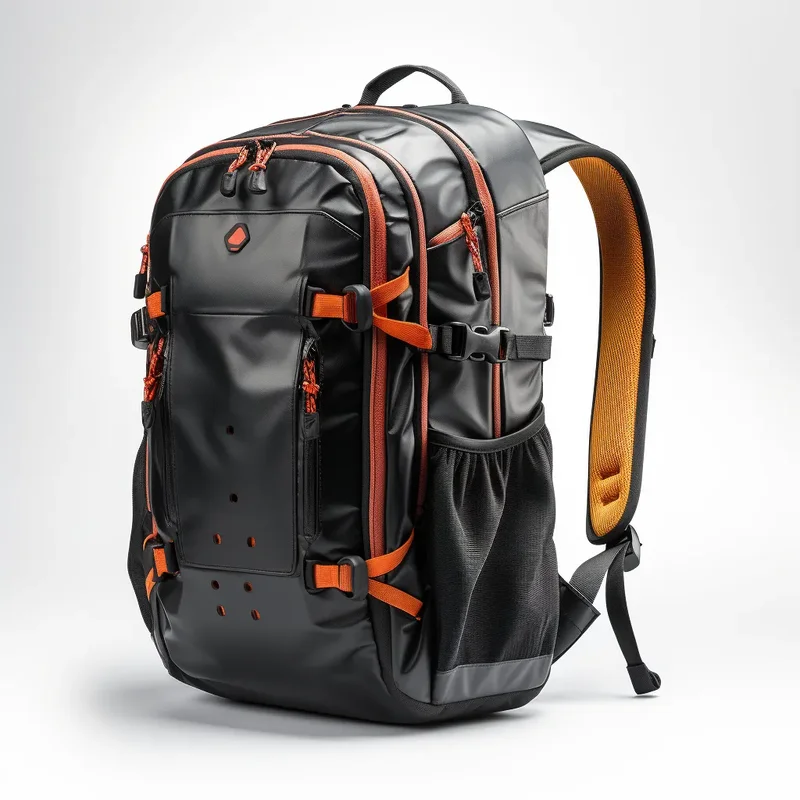 Your everyday carry is the intersection of utility, preparedness, and personal style.
The EDC Philosophy
Everyday carry, or EDC, refers to the collection of items you carry with you daily. It is not about tactical preparedness or survivalism, despite what internet forums might suggest. EDC is simply the practice of intentionally curating the objects that accompany you through your day, ensuring each item serves a purpose and each is of a quality you appreciate.
The philosophy rests on three principles. First, intentionality: every item in your pockets or bag was chosen deliberately, not accumulated through habit. Second, utility: each item solves at least one problem you encounter regularly. Third, quality: the items you touch dozens of times daily deserve to be well-made, comfortable, and reliable.
A well-curated EDC transforms your daily experience. Your pen writes smoothly. Your wallet fits comfortably without bulging. Your keys do not jangle unnecessarily. Your phone is protected but accessible. These small improvements compound across thousands of daily interactions into a significantly better quality of life.
The EDC movement has grown enormously over the past decade. What was once a niche hobby for enthusiasts is now a mainstream practice adopted by professionals, students, parents, and anyone who values intentional living. The community shares knowledge about products, materials, and organisation strategies that benefit everyone.
Essential EDC Categories
A complete EDC covers six categories. Not every category requires expensive items; some are solved by objects you already own. The goal is coverage, not excess.
Tech
Your smartphone is the anchor of modern EDC. It handles communication, navigation, photography, payment, entertainment, and information retrieval. Beyond the phone, consider: wireless earbuds for calls and music, a compact power bank (5,000 to 10,000 mAh) for all-day charging, and a charging cable (a flat, tangle-free USB-C cable takes almost no pocket space).
Wallet
The traditional bifold wallet stuffed with 15 cards and expired receipts is an EDC failure. Modern alternatives include slim cardholders (the Ridge Wallet, Bellroy Slim Sleeve, or a simple elastic-band design), front-pocket wallets that reduce bulk and pickpocket risk, and digital-first wallets that hold two to four cards plus cash in a profile under 10 millimetres thick.
The key principle: carry only what you use daily. If you have not used a loyalty card in three months, remove it. Most loyalty cards live in your phone's wallet app now. Carry your ID, primary payment card, one backup card, and a small amount of cash. Nothing else needs daily carriage.
Keys
Keys are the most commonly disorganised EDC item. The solution is simple: reduce to the minimum. Most people carry keys for their home, car, and perhaps a bike lock or office. Anything used less than weekly should not be on your daily keyring.
Invest in a key organiser like the KeySmart, Orbitkey, or a simple split ring with a quiet key cover. These eliminate jangling, reduce pocket bulge, and make identifying the right key instant. For smart locks, consider whether you can eliminate the physical house key entirely.
Tools
The multi-tool is the EDC item with the highest utility-to-size ratio. A compact multi-tool like the Leatherman Squirt PS4 or the Victorinox SwissTool handles the vast majority of daily minor tasks: opening packages, tightening screws, cutting string, opening bottles.
If a multi-tool feels excessive for your lifestyle, a quality pocket knife serves the most common cutting tasks. The Benchmade Bugout or Spyderco Para 3 are excellent choices that are light, legal in most jurisdictions, and razor-sharp.
A small flashlight deserves a mention. Modern LED flashlights are tiny (under 8 centimetres), incredibly bright (500+ lumens), and rechargeable via USB-C. They are invaluable during power cuts, when searching for items in dark bags, or when walking home after dark. The Olight i3T or Fenix E12 are top choices.
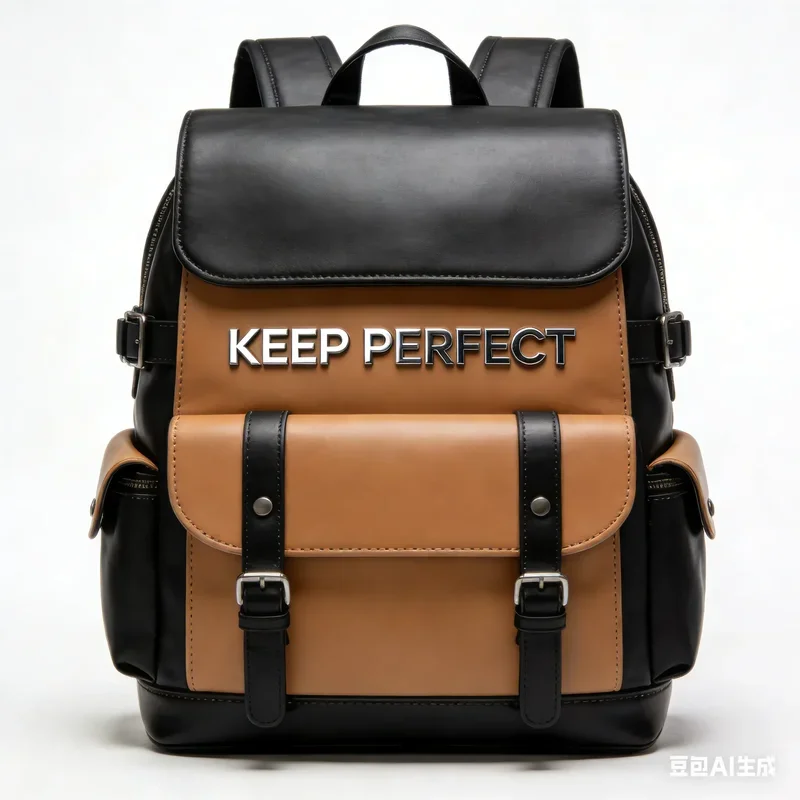 Organisation separates a functional EDC from a pocket full of clutter.
Writing and Note-Taking
In the digital age, a pocket notebook and pen seem anachronistic. They are not. A small notebook (Field Notes or Moleskine Cahier) captures phone numbers, ideas, to-do lists, and observations faster than unlocking your phone. The physical act of writing also improves retention and creative thinking.
Pair the notebook with a quality pen that writes smoothly and fits your pocket. The Pilot G2, Parker Jotter, or Fisher Space Pen are all excellent choices at different price points. The pen should feel good in your hand; you will use it dozens of times per week.
Health and Comfort
A few health items earn daily carry status: a pack of tissues or handkerchief, lip balm, any daily medications, and a small hand sanitiser. These items are small, lightweight, and solve problems you encounter regularly. Carrying them prevents the mild misery of needing one and not having it.
Pocket vs. Backpack Organisation
The decision between pocket carry and bag carry depends on your daily requirements. Light days call for pockets-only. Work days and travel days demand a backpack. Many EDC practitioners maintain two configurations.
Pockets-Only EDC (10 to 15 items)
- Phone (front or back pocket based on comfort)
- Wallet (front pocket, slim profile)
- Keys (organised, front pocket opposite wallet)
- Multi-tool or pocket knife
- Small flashlight
- Pen
- Lip balm
Backpack EDC Additions
- Laptop and charger
- Power bank and cables
- Water bottle
- Notebook and pen set
- Headphones (full-size)
- Light jacket or layer
- Snacks
- Umbrella
The transition between pocket and bag carry should take under two minutes. Keep your pocket EDC items in a consistent location (a valet tray by the door works well) and your bag packed with the permanent items (charger, cables, water bottle). Each morning, you simply decide whether to grab the bag or go pockets-only.
Quality Over Quantity
The EDC community universally endorses quality over quantity. A single well-made item outperforms three cheap alternatives. The reasoning is practical, not snobbish: cheap items fail at the worst moments, require frequent replacement, and provide inferior daily experiences.
Consider a wallet. A £15 Amazon wallet lasts six to twelve months before leather cracks, stitching fails, or elastic stretches. A £80 Bellroy or £100 Ridge wallet lasts five to ten years, develops character with use, and holds its shape throughout. The cost per year of the quality option is lower, and the daily experience is vastly superior.
Apply this thinking to every EDC category. Buy once, buy well. The items you carry daily are the ones you interact with most frequently. They deserve investment.
Budget EDC vs. Premium EDC
EDC does not require luxury spending. Here is a comparison of budget and premium setups:
| Item | Budget | Premium |
|---|---|---|
| Wallet | £15 (Amazon Basics) | £100 (Ridge) |
| Multi-tool | £20 (Gerber Dime) | £100 (Leatherman Wave+) |
| Flashlight | £15 (Olight Baton | £80 (Fenix PD36R) |
| Pen | £3 (Pilot G2) | £50 (Parker 51) |
| Key organiser | £10 (KeySmart) | £60 (Orbitkey) |
| Notebook | £5 (Field Notes) | £20 (Leuchtturm) |
| Power bank | £20 (Anker 523) | £80 (Anker 737) |
| Total | £88 | £490 |
The budget setup is perfectly functional. The premium setup offers superior materials, longer lifespan, and better daily ergonomics. Choose based on your priorities; both are valid approaches.
Seasonal Adjustments
Your EDC should evolve with the seasons. In summer, reduce to the essentials: phone, wallet, keys, and perhaps a pocket knife. Bulky items go into a small sling bag if needed. In winter, your coat pockets absorb additional items: gloves, hand warmers, a compact umbrella. The core EDC remains constant; seasonal items orbit around it.
Common EDC Mistakes
The EDC community has identified several recurring mistakes that new practitioners should avoid:
Over-carrying: The most common mistake. Adding items because they might be useful someday leads to heavy pockets and a heavy bag. If you have not used an item in two weeks, remove it from your EDC. You can always add it back when a genuine need arises.
Buying before needing: EDC forums are full of product enthusiasm. Resist the urge to buy a new multi-tool because it looks cool if your current one serves you well. Replace items when they fail or when your needs genuinely change.
Ignoring legality: Certain EDC items have legal restrictions. Knife blade length limits vary by country and region. Pepper spray is illegal in the UK. Always check local laws before adding items to your EDC. An illegal item that you cannot carry is worse than useless; it is a liability.
Neglecting organisation: Throwing items loosely into pockets creates disorganisation, lost items, and pocket damage. Use a consistent system: same pocket for phone, same pocket for wallet, same pocket for keys. In your bag, use organiser pouches and designated compartments.
 Consistent organisation transforms your EDC from clutter to a system.
"The best EDC is the one you actually carry. Start light, learn what you need through daily experience, and curate deliberately over months and years."
Ready to Upgrade Your Mobile Setup?
Whether you need a backpack that doubles as a mobile office or a travel companion for your minimalist kit, we have the solution.
Email: service@junyuanbags.com | WhatsApp: +86 17750020688
Get a Quote Chat on WhatsAppBuilding Your EDC Over Time
A quality EDC is built gradually, not purchased all at once. Start with the essentials you already own: your phone, your current wallet, your existing keys. Then, as you identify gaps, add one quality item at a time. This approach has several advantages. First, it spreads the cost over months rather than requiring a large upfront investment. Second, it allows you to learn what you genuinely need versus what sounds useful in theory.
Many experienced EDC practitioners report that their carry evolved significantly over their first year. Items they thought essential initially were gradually replaced or removed as they discovered their actual daily patterns. A pocket knife that seemed critical turned out to be used twice a month. A power bank they carried religiously was only needed on long travel days. This learning process is normal and valuable.
The EDC community also offers a wealth of knowledge about materials, mechanisms, and design. Understanding the difference between S30V and S35VN stainless steel in knife blades, between full-grain and top-grain leather in wallets, or between aluminium and titanium in flashlight bodies helps you make informed purchasing decisions. These material differences directly impact durability, weight, and long-term satisfaction with your EDC items.
Consider also the aesthetic dimension of EDC. Your daily carry is a personal statement. Some prefer a utilitarian, tactical aesthetic with dark colours and angular designs. Others prefer classic, refined pieces in leather and brass that age with patina. Neither approach is superior; the right choice is the one that makes you happy to carry your items daily. An EDC that looks and feels right gets used consistently; one that does not gets abandoned in a drawer.
The Psychology of Everyday Carry
There is a psychological dimension to EDC that goes beyond utility. Carrying a curated set of quality items creates a sense of preparedness and control that reduces daily anxiety. Knowing that you have the right tool for minor tasks, that your phone will not die unexpectedly, and that your wallet is organised and secure frees mental energy for more important decisions.
This preparedness effect is well-documented in psychological research. People who feel prepared for daily challenges report lower stress levels and higher confidence throughout the day. Your EDC is a tangible expression of this preparedness. Each item represents a small problem solved, and the cumulative effect of dozens of solved micro-problems is a smoother, less stressful daily experience.
The ritual of preparing your EDC each morning also serves as a grounding practice. Taking two minutes to check that your pockets contain everything you need, to ensure your phone is charged, to verify your keys are organised; these small actions create a sense of order that carries through the rest of your day. Many EDC practitioners report that their morning carry ritual is as important as the items themselves for establishing a productive mindset.
EDC as a Lifestyle Philosophy
Beyond gear and organisation, EDC represents a philosophy of intentional living applied to the objects you interact with most. It asks you to consider quality over quantity, utility over novelty, and long-term satisfaction over short-term excitement. These principles extend beyond your pockets into how you furnish your home, choose your tools, and make purchasing decisions across every area of life.
Frequently Asked Questions
What are the absolute EDC essentials for men?
The non-negotiable EDC essentials are: phone, wallet, keys, and a means of writing (pen or phone notes). Beyond these, add items based on your daily needs: a multi-tool if you regularly fix or open things, a power bank if your phone dies before evening, earbuds if you take calls or listen to content regularly.
How much should I spend on my EDC?
You can build a functional EDC for under £100 using budget-quality items. A premium EDC with lifetime-warranty items costs £400 to £600. The sweet spot for most men is £150 to £250, investing in the items you touch most frequently (wallet, pen, multi-tool) while budget-conscious on the rest.
Should I carry a pocket knife in the UK?
UK law permits folding pocket knives with blades under 7.62 centimetres (3 inches) that are not lock-knives. Lock-knives of any blade length require a "good reason" under UK law. Always check current legislation before carrying any cutting tool. Many UK EDC practitioners choose multi-tools with small blades as a legal alternative.
How do I organise my EDC pockets?
Assign each item a dedicated pocket. Phone in one back pocket or front pocket. Wallet in the opposite front pocket. Keys in a third pocket (typically the other back pocket or a dedicated key pocket). Multi-tool and flashlight share a coat pocket or bag compartment. Consistency prevents fumbling and lost items.
What is the difference between EDC and prepping?
EDC focuses on items useful in your daily life. Prepping focuses on emergency preparedness for unlikely scenarios. EDC items solve problems you encounter weekly; prepping gear addresses problems you might encounter once in years. The overlap is real (a flashlight helps in both contexts), but the philosophy and weight budget differ significantly.
How do I transition from pocket carry to backpack carry?
Maintain the same pocket EDC regardless of whether you carry a bag. The bag adds capacity for items too large or heavy for pockets (laptop, water bottle, jacket, headphones). Keep the bag packed with permanent items so that transitioning takes seconds, not minutes.
What EDC items do women typically carry?
The core EDC principles are universal: phone, wallet, keys, and daily essentials. Women often add items like hair ties, hand cream, and compact mirrors. The pocket vs. bag decision often leans toward bags (purses or totes) for women due to clothing lacking functional pockets. The curation philosophy remains identical.
Ready to Upgrade Your Mobile Setup?
Whether you need a backpack that doubles as a mobile office or a travel companion for your minimalist kit, we have the solution.
Email: service@junyuanbags.com | WhatsApp: +86 17750020688
Get a Quote Chat on WhatsApp