Choosing between a day hiking backpack and a multi-day backpacking pack is one of the most fundamental decisions any outdoor enthusiast faces. While both carry your gear from point A to point B, they differ dramatically in design philosophy, capacity, suspension technology, and intended use. Understanding these differences is essential not just for comfort on the trail, but for your safety and enjoyment in the backcountry.
Whether you are a weekend warrior planning your first overnight trip or an experienced hiker looking to optimize your gear setup, this comprehensive guide breaks down every meaningful distinction between day hiking packs and backpacking packs. We will cover capacity and volume, frame systems, weight distribution, feature sets, and when each type of pack makes sense. By the end, you will know exactly what to look for based on your specific hiking style.
The Fundamental Design Philosophy
Day hiking backpacks and multi-day backpacking packs are built around two entirely different design philosophies. A day hiking pack prioritizes lightweight mobility and quick access. You are carrying enough supplies for a single day, which means the pack can be minimal, flexible, and fast to load. Think of it as a glorified day bag that happens to be optimized for the trail. Every ounce matters because you are moving quickly and your total load is light.
A multi-day backpacking pack, by contrast, is essentially a portable home. It needs to carry everything required to sleep, eat, cook, and survive in the backcountry for two or more nights. This demands far more capacity, a robust suspension system to manage heavy loads, and organizational features that keep gear accessible during extended trips. The design priorities shift from ultralight simplicity to durable comfort under load.
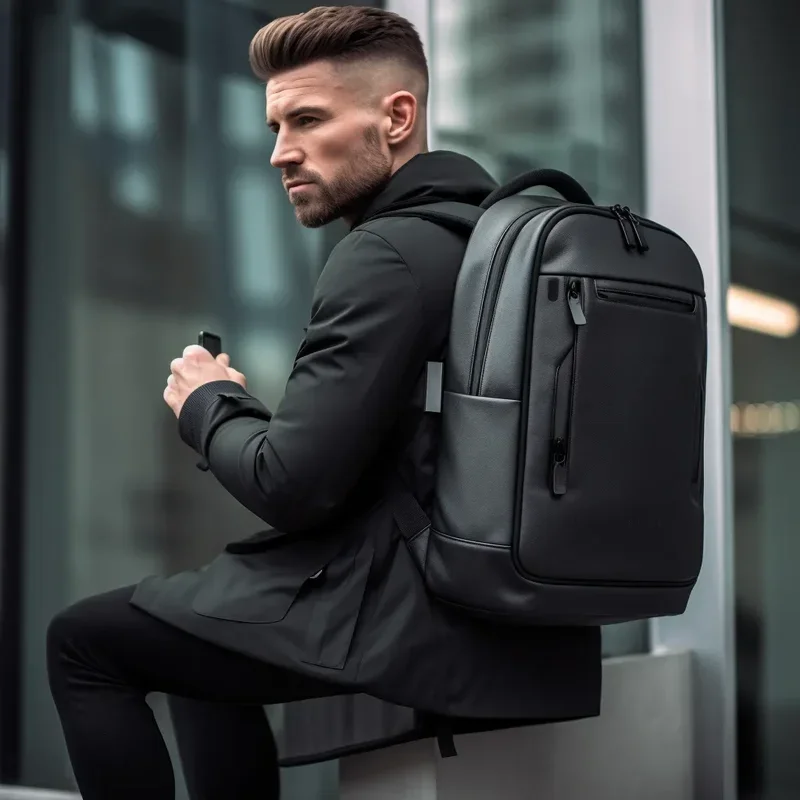
These divergent philosophies manifest in every aspect of the pack, from the materials used to the stitching patterns, frame construction, and feature count. Recognizing which philosophy matches your adventure type is the first step toward making the right purchase.
Capacity and Volume: The Numbers That Matter
The most obvious difference between day hiking and backpacking packs is volume, measured in liters. Day hiking backpacks typically range from 15 to 35 liters. This is enough space for the ten essentials: water, food, navigation, sun protection, first aid, knife, fire starter, shelter, extra clothing, and headlamp. Most day hikers find that a 20 to 30 liter pack hits the sweet spot, offering enough room without excess bulk.
Day Hiking Pack Sizes
- 15-20 liters: Best for short hikes under 5 miles, fast-and-light mountain running, or minimal trail running setups. Holds water, snacks, and a light layer.
- 20-30 liters: The most versatile day hiking range. Accommodates a full day of essentials plus extra layers, rain gear, and a camera.
- 30-35 liters: Ideal for long day hikes, winter hiking with bulkier insulation, or hikers who prefer extra safety gear and creature comforts on the trail.
Multi-Day Backpacking Pack Sizes
- 40-50 liters: Suitable for 2-3 night trips with ultralight gear. Requires compact, lightweight equipment to fit everything. Popular among experienced ultralight backpackers.
- 50-65 liters: The standard range for most 3-5 day backpacking trips. Balances capacity with manageable weight. Works for most traditional gear setups across three seasons.
- 65-80 liters: Designed for extended trips of 5+ days, winter camping with bulky gear, or hikers who carry larger tents and heavier sleeping bags.
- 80+ liters: For expedition-length trips, mountaineering expeditions, or adventure travel where you need to carry weeks of supplies.
The volume difference is not just about having more space. Backpacking packs have a different internal geometry. They tend to be taller and narrower, which improves weight distribution by keeping the load close to your spine and centered over your hips. Day hiking packs are often shorter and wider for easier access to smaller loads.
Frame Systems: The Structural Foundation
Perhaps the most technically significant difference lies in the frame system. This is what separates a comfortable carry from a painful slog, especially when loads get heavy.
Frameless Day Hiking Packs
Most day hiking packs are frameless or use minimal structure. They rely on the natural shape of the pack, perhaps with a thin plastic framesheet or foam pad against the back panel for some rigidity and ventilation. This keeps weight extremely low, often under 2 pounds for the pack itself. Since day hiking loads rarely exceed 20-25 pounds, a full frame system is unnecessary overkill that would add weight and reduce flexibility.
Internal Frame Backpacking Packs
The majority of modern backpacking packs use internal frames, typically made of aluminum stays (single or dual) combined with a framesheet. These frames serve multiple critical functions: they transfer load from the shoulders to the padded hip belt, maintain the pack structure under heavy loads, and provide a stable platform that moves with your body. Internal frame packs are the industry standard for backpacking because they offer excellent load transfer while maintaining a streamlined profile that does not snag on branches.
External Frame Packs
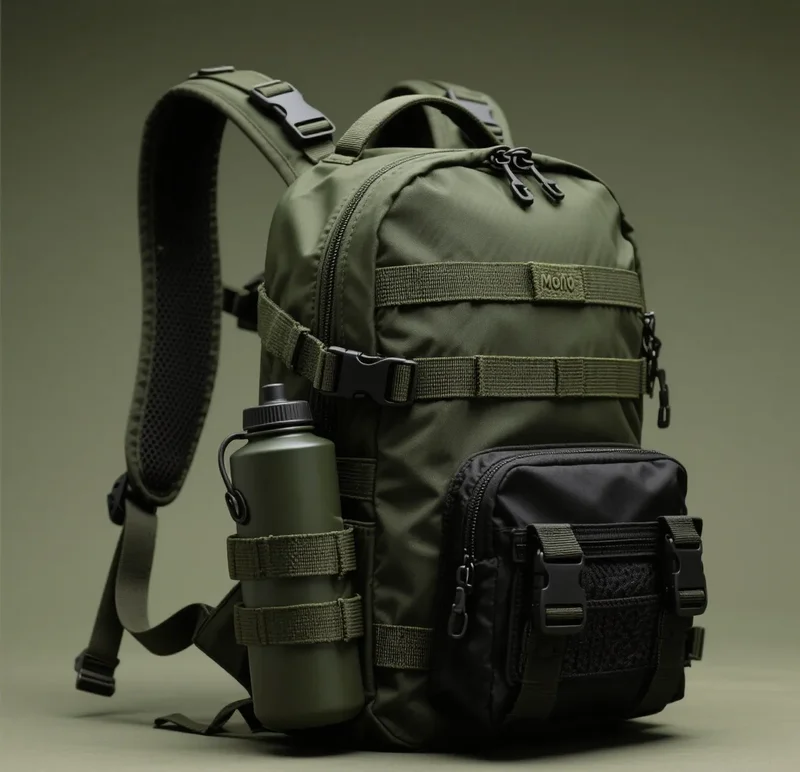
External frame packs, where the aluminum frame sits outside the pack body, were once the standard but are now a niche choice. They offer superior ventilation and load transfer for very heavy loads, plus excellent external attachment points. However, they are heavier, bulkier, and less stable on technical terrain. They remain popular for thru-hikers carrying very heavy loads and hunters who need to lash meat and gear to the outside.
Weight Distribution and Suspension
Suspension quality is where the price and comfort gap between day packs and backpacking packs becomes most apparent. A day hiking pack has a simple suspension: shoulder straps, a sternum strap, and optionally a basic hip belt. This is sufficient because the total load is light enough that your shoulders can handle most of the weight for a few hours.
Backpacking packs have sophisticated multi-component suspension systems designed to transfer 80 percent or more of the load to your hips, where the body is strongest. Key components include:
- Padded hip belt: Wide, contoured, and heavily padded to sit on the iliac crest. This is the primary load-bearing component.
- Adjustable torso length: Allows the hip belt and shoulder straps to align with your body proportions. Available in multiple sizes (S, M, L) or as adjustable systems.
- Load lifter straps: Connect the top of the shoulder straps to the frame, pulling the load closer to your body for better balance.
- Stabilizer straps: Located at the hip belt, these fine-tune the fit and prevent the pack from swaying side to side.
- Back panel ventilation: Suspended mesh panels create airflow between the pack and your back, reducing sweat buildup during long days.
A day hiking pack with 15 pounds of gear simply does not need this level of sophistication. But a backpacking pack carrying 35 pounds without proper suspension will cause shoulder fatigue, back pain, and potential injury over multiple days of hiking.
Feature Comparison: What You Get
The feature sets of day hiking and backpacking packs reflect their different use cases. Here is a detailed comparison:
Day Hiking Pack Features
- Single main compartment or top-loading design
- Stretch mesh side pockets for water bottles
- Front shove-it pocket for quick-access layers
- Optional hydration sleeve for water bladders
- Sternum strap with emergency whistle
- Trekking pole attachment loops
- Lightweight rain cover (included or sold separately)
- Minimal external attachment points
Backpacking Pack Features
- Main compartment with drawstring closure and top lid
- Separate sleeping bag compartment at the bottom
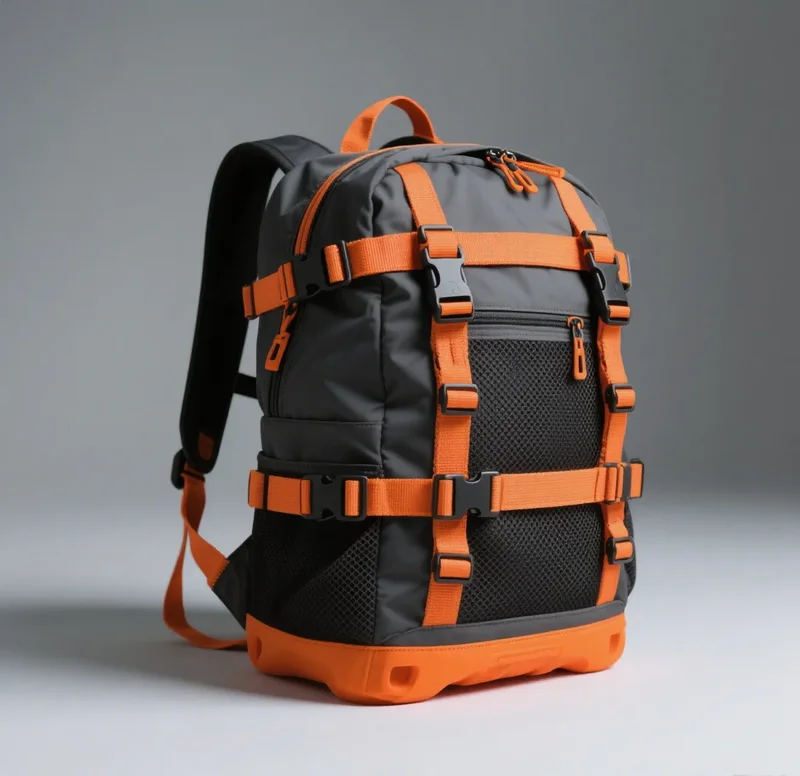
- Multiple external attachment points: gear loops, daisy chains, compression straps
- Hydration sleeve with hose port
- Padded hip belt with zippered pockets for snacks and phone
- Ice axe loops and trekking pole attachments
- Top lid that may convert to a hip pack or daypack
- Side compression straps to stabilize loads
- J-hook or straight-zip panel access for gear organization
- Durable, water-resistant fabric with reinforced bottom panel
- Removable frame sheet for converting to ultralight setup
Materials and Durability
The materials used in day hiking versus backpacking packs differ significantly because the durability requirements are different. A day hiking pack needs to withstand a few hours of trail use a couple times per week. A backpacking pack must endure days or weeks of continuous wear, abrasion against rocks and branches, and the stress of carrying heavy loads.
Day hiking packs typically use nylon or polyester fabrics in the 100-300 denier range. They prioritize lightness over long-term durability. Backpacking packs use heavier fabrics in the 200-600 denier range, with reinforced panels in high-wear areas like the bottom and sides. The zippers, buckles, and stitching on backpacking packs are also upgraded to handle heavier loads and more frequent use.
Ultralight day hiking packs may use fabrics as light as 70-100 denier ripstop nylon or even Dyneema composite fabrics, which sacrifice durability for extreme weight savings. Ultralight backpacking packs use similar materials but accept a shorter lifespan as a trade-off.
When to Use Each Type
Choose a Day Hiking Pack When:
- Your trips are single-day excursions lasting 2-10 hours
- You carry minimal gear: water, food, layers, and safety essentials
- Your total pack weight stays under 20-25 pounds
- You prioritize fast movement and low weight
- You want a pack that doubles as a travel or everyday bag
Choose a Backpacking Pack When:
- You plan to spend one or more nights in the backcountry
- You need to carry shelter, sleep system, cooking gear, and multi-day food supply
- Your total pack weight exceeds 25 pounds regularly
- You are planning multi-day treks, thru-hikes, or wilderness camping
- You need organized storage for complex gear systems
Can You Use One Pack for Both?
This is a common question, especially from hikers who are new to the sport or want to minimize gear purchases. The answer depends on your specific situation.
A 35-40 liter pack can serve as a very large day hiking pack or a minimalist overnight pack for a single night with ultralight gear. This approach works if you are a light sleeper who can manage with a bivy or tarp, a compact sleeping quilt, and dehydrated meals. However, it will never be as comfortable as a dedicated pack for each use case.
Some premium backpacking packs feature removable top lids that convert into small daypacks. This gives you a full-size backpacking pack for multi-day trips and a 15-20 liter daypack for side trips from camp. This is an excellent solution for hikers who want versatility without carrying two separate packs.
Price Considerations
Day hiking packs generally cost between 60 and 200 dollars, depending on materials and brand. Ultralight models using Dyneema or other exotic fabrics can reach 300 dollars or more. Backpacking packs range from 150 to 400 dollars, with premium models featuring advanced suspension systems, lightweight materials, and extensive warranty coverage reaching 400-500 dollars.
The higher cost of backpacking packs reflects their more complex construction, additional materials, and engineering required for load-bearing comfort. Consider this an investment in your comfort and health. A well-fitted backpacking pack from a reputable brand can last a decade or more of regular use.
Making the Right Choice
The decision between a day hiking backpack and a multi-day backpacking pack ultimately comes down to the type of adventures you plan to pursue. If you love quick day hikes and fast mountain ascents, a well-fitted daypack in the 20-30 liter range will serve you perfectly. If your dreams involve multi-day treks through wilderness areas, extended backpacking loops, or thru-hikes, invest in a quality backpacking pack with proper suspension.
Many hikers end up owning both. Start with the pack that matches your most common activity, and add the other as your interests expand. Either way, proper fit is the single most important factor. Visit a specialty retailer to get measured for torso length and try on loaded packs before purchasing. The right pack, properly fitted, will disappear on your back and let you focus on what matters most: the trail ahead.