If you are planning to add branding, logos, or artwork to backpacks — whether for corporate distribution, promotional events, team uniforms, or retail merchandise — you will inevitably face one critical decision: should you choose printed or embroidered customization? This is not a trivial choice. The method you select affects the look, feel, durability, cost, and long-term brand perception of every backpack you produce.
This guide provides the most thorough comparison available between the two approaches. We examine every major printing technique (screen printing, DTG, sublimation, and heat transfer) against embroidery across multiple dimensions, so you can make an informed decision backed by facts rather than assumptions.
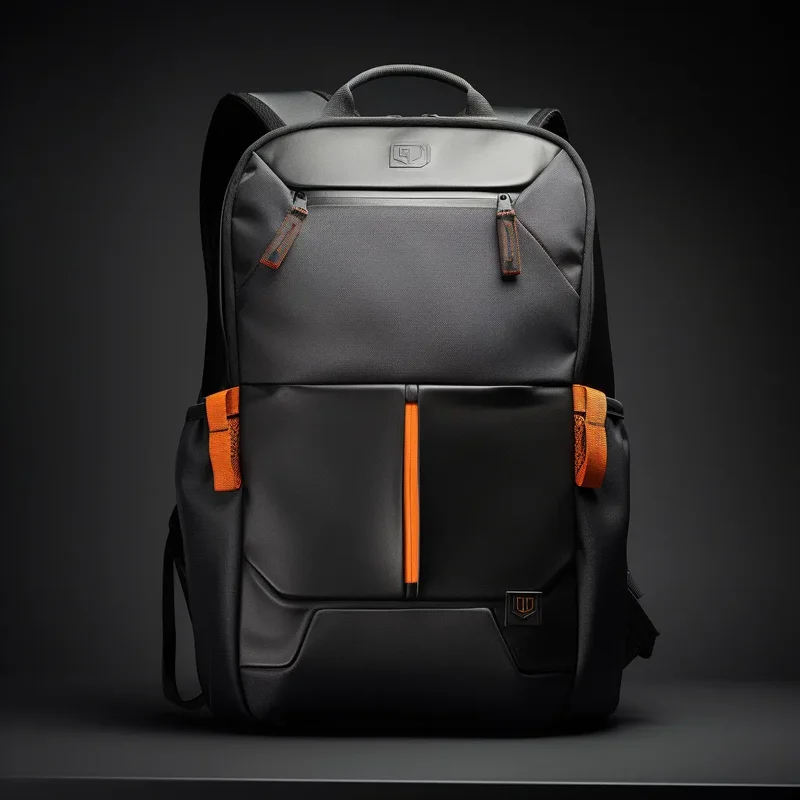
Choosing between printed and embroidered backpacks involves weighing aesthetics, durability, and cost.
Understanding the Methods: A Brief Overview
Before diving into comparisons, it is important to understand what each method actually does and how the major techniques within each category operate.
Printing Methods
Screen Printing uses a mesh stencil (screen) to push ink through onto the backpack surface. Each colour in the design requires a separate screen, making this method ideal for bold, simple graphics with limited colours. Plastisol inks sit on top of the fabric and produce vibrant, opaque results, while water-based inks soak into the fibres for a softer hand feel.
Direct-to-Garment (DTG) printing works like an inkjet printer for fabric. The machine sprays microscopic droplets of water-based ink directly onto the backpack material. DTG supports unlimited colours, photographs, and gradients with no setup costs, making it perfect for small batches and complex artwork.
Direct-to-Film (DTF) printing first creates the design on a special transfer film, then heat-presses it onto the backpack. DTF combines the versatility of DTG with the ability to apply to a wider range of fabric types and colours, including dark materials.
Sublimation Printing converts dye into gas using heat, which then bonds with polyester fibres at a molecular level. The result is an all-over print that becomes part of the fabric itself — you cannot feel it, and it will not crack or peel. Sublimation requires polyester-based materials and works best on white or light-coloured fabrics.
Heat Transfer involves printing a design onto a special paper or vinyl and pressing it onto the backpack with heat and pressure. This method is versatile and accessible but generally offers the lowest durability of the printing methods discussed here.
Embroidery
Embroidery uses computerized machines to stitch thread directly into the backpack fabric, creating a raised, textured design. Modern multi-head machines can handle up to 15 thread colours in a single run and reproduce intricate logos with remarkable precision. The physical depth of embroidered designs creates a tactile quality that printing cannot match.
Round 1: Durability and Longevity
For many buyers, durability is the decisive factor. A backpack is a high-wear item that gets thrown on floors, stuffed into lockers, rubbed against surfaces, and exposed to weather. The customization needs to survive this treatment.
Embroidery Durability
Embroidery is the undisputed champion of longevity. Because the thread is physically stitched through the fabric, it becomes a structural part of the material itself. Embroidered designs do not crack, peel, or flake off. They resist UV fading better than most inks because high-quality embroidery thread (polyester or rayon) is inherently colourfast. An embroidered logo on a quality backpack can outlast the backpack itself.
The main durability risk for embroidery is physical damage to the threads — if a sharp object snags the embroidery, individual threads may pull. However, this type of damage is rare in normal use and does not compromise the overall design integrity.
Printing Durability
Printing durability varies enormously by method:
- Screen printing (plastisol): Good durability when properly cured. The ink forms a flexible layer on top of the fabric. Over time and repeated washing, the ink layer may develop small cracks, especially on areas that flex frequently. Typical lifespan: 2 to 5 years with regular use.
- Screen printing (water-based): Softer hand feel but slightly lower durability than plastisol. The ink penetrates the fibres, which reduces cracking but may fade faster. Typical lifespan: 1 to 3 years.
- DTG printing: Moderate durability. The ink bonds with the fabric surface but sits less deeply than sublimation. Repeated washing and friction gradually fade the design. Typical lifespan: 1 to 3 years with regular use.
- Sublimation: Excellent durability for printed methods. Because the dye becomes part of the polyester fibre, it cannot crack, peel, or wash out. The print will last as long as the fabric itself. However, UV exposure can cause fading over time. Typical lifespan: 3 to 7 years.
- Heat transfer vinyl: Moderate to low durability. The vinyl layer adheres to the surface and may begin to peel at the edges after repeated flexing and washing. Typical lifespan: 1 to 2 years.
Embroidery Durability Score
9.5/10 — The most durable option. Thread is physically locked into the fabric structure.
Best Printing Durability Score
7.5/10 — Sublimation leads the printing category. Screen printing follows at 7/10.
Round 2: Cost Analysis
Cost is often the starting point for any customization decision. The reality is nuanced — the answer depends heavily on quantity, design complexity, and colour count.
Embroidery Cost Structure
Embroidery pricing is driven by stitch count. A simple three-letter monogram with 1,000 stitches costs significantly less than a dense, detailed logo with 15,000 stitches. Additional cost factors include thread colour changes (each change adds machine time), stabilizer material needed for the fabric, and setup/digitizing fees for creating the stitch file.
Typical per-unit embroidery costs:
- Simple logo (under 3,000 stitches): 3 – 5 GBP at 500+ units
- Medium complexity (3,000 – 8,000 stitches): 5 – 8 GBP at 500+ units
- Complex design (8,000+ stitches): 8 – 15 GBP at 500+ units
- One-time digitizing fee: 30 – 80 GBP
Printing Cost Structure
Printing costs vary more dramatically between methods:
- Screen printing: Low per-unit cost at volume but high initial setup. Each colour requires a separate screen (15 – 40 GBP per screen). Once screens are made, per-unit costs are extremely low: 1 – 4 GBP for 500+ units with 1–2 colours.
- DTG printing: No setup costs, but per-unit cost remains constant regardless of quantity: typically 4 – 8 GBP per piece. Economical for small batches, expensive at scale.
- DTF printing: Similar to DTG with slightly lower per-unit costs: 3 – 6 GBP per piece. No minimum order requirements.
- Sublimation: Moderate setup and per-unit costs: 3 – 7 GBP per piece. Cost-effective for all-over prints that would be prohibitively expensive with other methods.
- Heat transfer: 2 – 5 GBP per piece for basic designs. Low setup makes it accessible for small orders.
| Order Size | Best Value Printing Method | Cost per Unit | Embroidery Cost per Unit |
|---|---|---|---|
| 25 – 50 units | DTG / Heat Transfer | 5 – 8 GBP | 6 – 10 GBP |
| 100 – 300 units | DTF / Screen Print | 3 – 6 GBP | 4 – 8 GBP |
| 500+ units (simple logo) | Screen Printing | 1 – 4 GBP | 3 – 5 GBP |
| 500+ units (complex logo) | DTG / Sublimation | 4 – 8 GBP | 8 – 15 GBP |
| 1000+ units (simple logo) | Screen Printing | 1 – 2.50 GBP | 2.50 – 4 GBP |
Embroidery Cost Score
5.5/10 — Higher per-unit cost, but justified by durability and premium perception.
Screen Printing Cost Score
9/10 — Unbeatable for large orders with simple designs. DTG scores 7/10 for small batches.
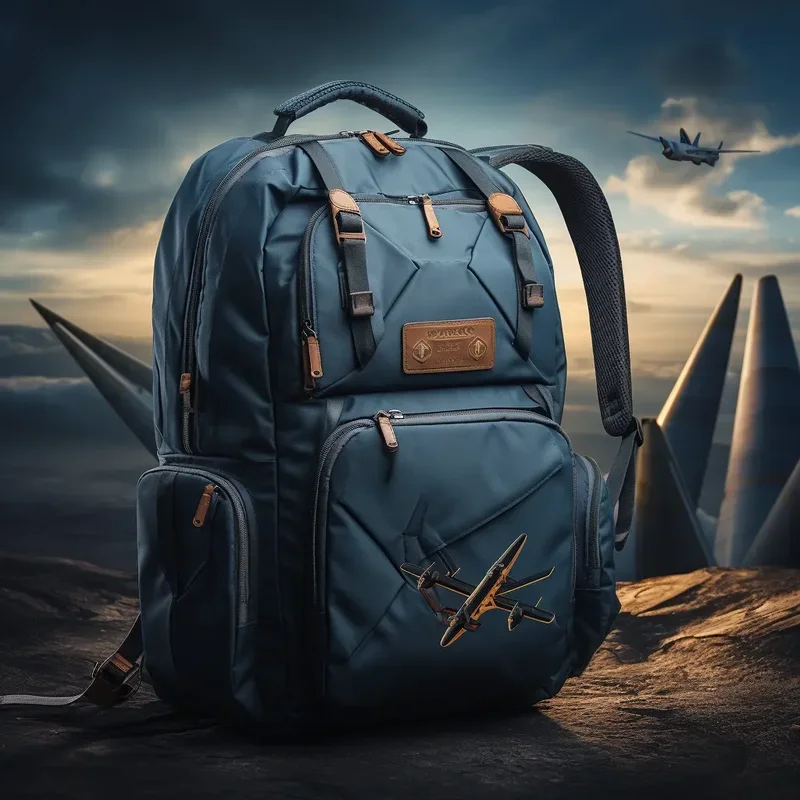
Strategic customization decisions balance cost, quality, and brand positioning.
Round 3: Colour and Design Capability
The visual possibilities of each method differ dramatically, and this often determines the choice before cost or durability even enter the conversation.
Printing Advantages
Printing methods, particularly DTG, DTF, and sublimation, can reproduce virtually any artwork without limitations. Photographs, gradients, colour blends, half-tones, and complex illustrations are all achievable with high fidelity. There is no practical limit to the number of colours, and design changes between units are possible (variable data printing) — useful for personalization or limited-edition runs.
Sublimation goes further by enabling edge-to-edge all-over printing that covers the entire backpack surface, not just a flat panel. This creates immersive, wraparound designs impossible with any other method.
Embroidery Limitations and Strengths
Embroidery is inherently limited in its ability to reproduce gradients, photographs, and subtle colour transitions. Thread colours are solid and distinct — you cannot blend two thread colours to create an intermediate shade. Most machines support up to 15 colours, but each additional colour increases cost and production time.
However, embroidery excels at what it does. Clean lines, bold shapes, solid colour blocks, and text render with a crispness and depth that printing cannot match. The three-dimensional texture of thread creates visual interest that flat printing lacks entirely. Special thread types — metallic, neon, glow-in-the-dark, or variegated — add effects that are unique to embroidery.
| Design Feature | Screen Print | DTG/DTF | Sublimation | Embroidery |
|---|---|---|---|---|
| Full colour / photographs | Limited | Excellent | Excellent | Not possible |
| Gradients and blends | Difficult | Excellent | Excellent | Not possible |
| Simple logos (1-3 colours) | Excellent | Good | Good | Excellent |
| Text and lettering | Good | Good | Good | Excellent |
| All-over coverage | No | Limited | Excellent | No |
| Texture / 3D effect | Minimal | None | None | Excellent |
| Dark fabric printing | Excellent | Good | Poor (needs white base) | Excellent |
| Design variation per unit | No | Yes | Limited | No |
Embroidery Design Score
6/10 — Outstanding for logos and text, but limited in colour range and complexity.
DTG / Sublimation Design Score
9.2/10 — Virtually unlimited design capability with full colour and photographic reproduction.
Round 4: Feel and Aesthetic Quality
Beyond technical specifications, the subjective quality of the final product matters enormously — especially for brands where perception drives purchasing decisions.
The Embroidery Advantage
Embroidery communicates premium quality in a way that is almost visceral. When someone picks up an embroidered backpack, the raised texture, the subtle sheen of polyester or rayon thread, and the clean precision of the stitching all signal craftsmanship and investment. This is why luxury brands, high-end corporate gift programs, and premium merchandise lines overwhelmingly choose embroidery.
Embroidery also ages gracefully. Unlike printed designs that may look worn as they fade or crack, embroidered logos maintain their visual integrity throughout the product's life. A five-year-old embroidered backpack still looks professional; a five-year-old printed backpack often looks dated.
The Printing Aesthetic
Modern printing methods have improved dramatically in quality. DTG prints have a soft hand feel — you can barely feel the ink on the fabric. Sublimation is completely undetectable to the touch since the dye becomes part of the fibre. Screen printing with plastisol has a noticeable texture that some people associate with cheap promotional products, though discharge printing (a water-based process) produces a much softer result.
For brands targeting younger demographics or streetwear markets, bold printed graphics carry cultural credibility that embroidery may lack. The aesthetic is different, not inferior — it depends entirely on brand positioning and target audience expectations.
Round 5: Production Speed and Flexibility
Speed Comparison
For a 500-unit order with a standard logo:
- Screen printing: 3 – 7 days (after screen setup). Once screens are made, the actual printing is very fast.
- DTG printing: 5 – 10 days. No setup needed, but each unit takes time to print individually.
- Sublimation: 5 – 10 days. Includes printing the transfer paper and heat pressing each unit.
- Embroidery: 5 – 12 days. Production speed depends on stitch count; a 5,000-stitch design takes 8 to 12 minutes per unit per head. Multi-head machines (6, 8, or 12 heads) improve throughput significantly.
Flexibility
If you need to change the design between production runs or personalize individual units with different names or numbers, digital printing (DTG/DTF) is unmatched. Screen printing and embroidery require the same design on every unit within a production run. Changing a screen-printed design means creating new screens; changing an embroidered design means re-digitizing and re-threading machines.
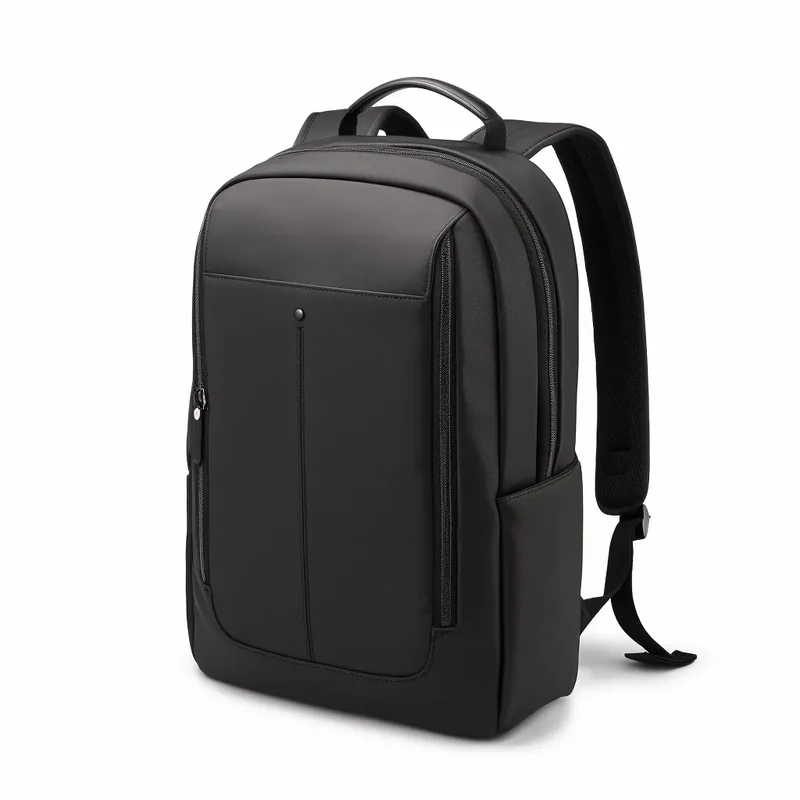
Evaluating samples ensures the chosen method meets both aesthetic and functional requirements.
Round 6: Fabric and Material Compatibility
Not every method works on every fabric. Understanding compatibility prevents costly mistakes.
| Fabric Type | Screen Print | DTG | Sublimation | Embroidery |
|---|---|---|---|---|
| Cotton canvas | Excellent | Excellent | Poor | Excellent |
| Polyester | Good | Good | Excellent | Excellent |
| Nylon / Cordura | Good | Fair | Good (poly nylon) | Excellent |
| Leather / Faux Leather | Not recommended | Not recommended | Not possible | Possible (special) |
| Recycled PET polyester | Good | Good | Excellent | Excellent |
| Stretchy / thin fabrics | Fair | Good | Good | Poor (puckering) |
The Decision Matrix: Choosing Your Method
After analysing all dimensions, here is a practical decision framework that maps common scenarios to the optimal method:
| Your Priority | Best Method | Why |
|---|---|---|
| Maximum durability (5+ years) | Embroidery | Thread is physically stitched into fabric; resists all forms of wear |
| Lowest cost at 500+ units | Screen Printing | Minimal per-unit cost after screen setup; unbeatable economies of scale |
| Full-colour photographic design | DTG or Sublimation | Unlimited colours; gradients and photographs reproduced perfectly |
| Premium brand perception | Embroidery | Tactile texture and refined appearance signal quality and investment |
| Small batch (under 50 units) | DTG / DTF | No setup costs; economical at any quantity |
| All-over backpack design | Sublimation | Edge-to-edge coverage impossible with other methods |
| Mixed materials (cotton + poly) | Screen Print or Embroidery | Both work well across diverse fabric compositions |
| Personalization per unit | DTG / DTF | Easy design changes between individual units |
| Eco-friendly / sustainable | Water-based Screen Print or Embroidery | Water-based inks and thread avoid PVC/plastisol concerns |
| Dark fabric with vibrant logo | Screen Printing (plastisol) | Opaque plastisol inks show brilliantly on dark backgrounds |
The Hybrid Approach: Combining Methods
The most impressive custom backpacks often use multiple methods together. A common approach in premium corporate backpacks is to embroider the primary logo on the front panel for a professional, durable finish while using screen printing or sublimation for larger decorative graphics on the back or side panels.
This hybrid strategy maximizes the strengths of each technique: embroidery provides the premium brand mark that survives years of daily use, while printing adds visual impact and colour variety at a lower cost on secondary surfaces. The result is a backpack that looks high-end from every angle while keeping the overall customization budget in check.
Another popular hybrid approach combines embroidery with patches — a woven or PVC patch for the main brand mark, plus embroidered text or details elsewhere. This creates a multi-textured, multi-dimensional backpack that stands out in a crowded promotional products market.
Common Mistakes to Avoid
Regardless of which method you choose, these errors are surprisingly common and entirely preventable:
- Choosing embroidery for a photographic design: Embroidery cannot reproduce photographs or gradients. Attempting to simplify a photo into embroidered colour blocks almost always disappoints.
- Using sublimation on cotton: Sublimation requires polyester. On cotton blends with less than 65% polyester, the result will be muted and unsatisfactory.
- Ignoring fabric weight for embroidery: Thin, lightweight fabrics pucker under embroidery tension. Always ensure the fabric is dense enough or use appropriate stabilizer backing.
- Skipping the sample stage: Colours look different on screen versus fabric. A physical sample eliminates costly surprises in the full production run.
- Overlooking the placement: A beautifully produced logo placed in the wrong position can look awkward or get hidden by straps, pockets, or how the backpack sits when worn.
- Forgetting about wash care labels: Printed and embroidered backpacks may require different care instructions. Ensure the care label reflects the customization method used.
Conclusion: Making the Right Choice for Your Project
There is no universally superior method — only the right method for your specific situation. Embroidery wins on durability and premium perception. Screen printing wins on cost for large simple orders. DTG and sublimation win on design flexibility and colour capability. The smart approach is to define your priorities first (durability, cost, visual impact, or flexibility), then select the method that best serves those priorities.
And remember: the best custom backpack programs often combine methods strategically. Use each technique where it excels, and you will create a product that looks exceptional, performs brilliantly, and delivers lasting value.
Frequently Asked Questions
Is embroidery more durable than printing on backpacks?
Yes. Embroidery stitches thread directly into the fabric, making it resistant to cracking, peeling, and fading. Most printed methods last 1 to 5 years depending on technique, while embroidery can outlast the backpack itself.
Can printed backpacks survive machine washing?
Screen-printed and sublimation-printed backpacks handle washing well when properly cured. DTG prints fade faster with repeated washing. For all printed items, gentle cold cycles and air drying extend design life significantly.
Which method is cheapest for large orders?
Screen printing is the most cost-effective for 500+ units with simple logos, often just 1 to 4 GBP per unit. Embroidery costs 3 to 10 GBP per piece at similar volumes but offers better perceived value.
Can embroidery reproduce full-colour photographs?
No. Embroidery uses solid thread colours and cannot create gradients or colour blends. For photographic or complex multi-colour designs, DTG or sublimation printing is the appropriate choice.
Is screen printing or DTG better for backpacks?
Screen printing is better for large batches with simple designs (lower cost at volume). DTG is better for small batches or complex full-colour artwork (no setup costs, unlimited colours).
Can you combine printing and embroidery on one backpack?
Absolutely. Many premium backpacks embroider the main logo for durability and use printing for larger decorative graphics on other panels. This hybrid approach maximizes the strengths of each method.
What fabric works best for embroidered backpacks?
Tightly woven fabrics like canvas, Cordura nylon, and polyester twill work best. The fabric needs sufficient density to support stitch tension without puckering. Thin or stretchy materials are not recommended.
How long does an embroidered logo last compared to a printed one?
An embroidered logo typically lasts 5 to 10+ years with no visible degradation. Screen prints last 2 to 5 years, DTG prints 1 to 3 years, and sublimation 3 to 7 years depending on use conditions and care.
Need Help Choosing the Right Method?
Our team can recommend the optimal customization approach based on your design, budget, quantity, and brand positioning. Get expert guidance with no obligation.
Email: service@junyuanbags.com WhatsApp: +86 17750020688