The backpack has evolved far beyond its utilitarian roots. Today, it is a canvas for brand expression, a corporate gifting powerhouse, and a personal style statement. Whether you are outfitting a sales team, launching a merchandise line, or creating a one-of-a-kind gift, understanding the world of custom backpacks is essential to making smart decisions that balance quality, cost, and visual impact.
This comprehensive guide walks you through every major customization method available, explains how the design-to-production pipeline works, and helps you navigate the cost factors, lead times, and minimum order quantities that will shape your project. By the end, you will have the knowledge to choose the right personalization approach with confidence.
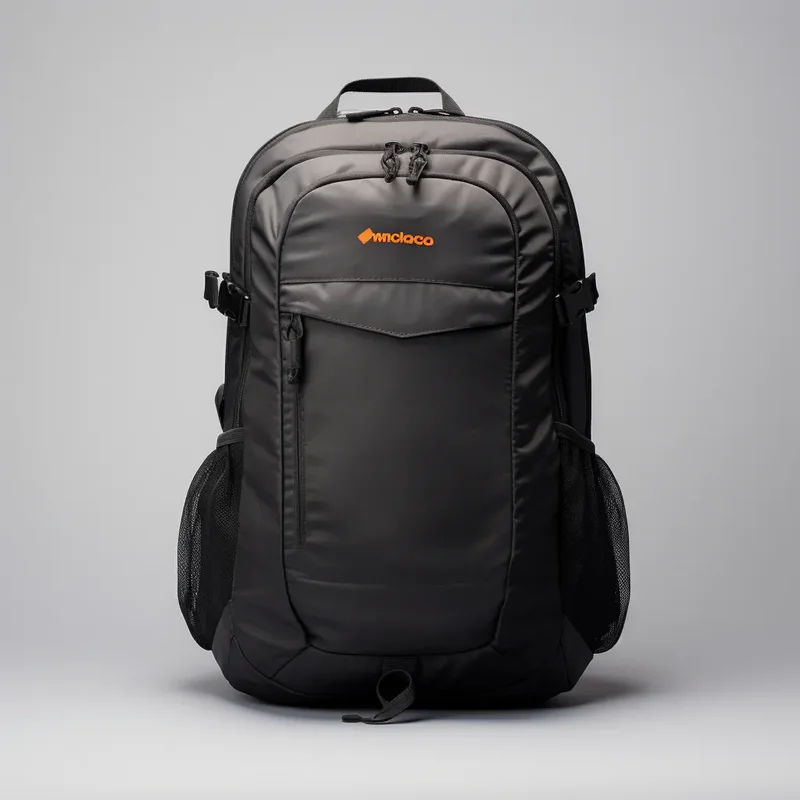
Custom backpacks offer limitless possibilities for brand expression and personal style.
Types of Customization Methods for Backpacks
The backpack customization landscape offers a wide spectrum of techniques, each with distinct aesthetic qualities, durability characteristics, and cost profiles. Selecting the right method depends on your fabric choice, design complexity, order volume, and the message you want your backpack to convey.
Embroidery
Embroidery remains the gold standard for professional backpack customization. Thread is stitched directly into the fabric using computerized multi-head machines that can reproduce intricate logos with remarkable precision. The raised texture of embroidered designs adds a tactile dimension that flat printing cannot match. Common applications include corporate logos on laptop backpacks, team crests on sports packs, and monograms on leather daypacks.
Modern embroidery machines support up to 15 thread colours in a single design run, though each additional colour increases setup time and cost. The technique works best on woven fabrics, canvas, nylon, and polyester. It is less suitable for thin or stretchy materials that may pucker under the needle tension.
Screen Printing
Screen printing uses a mesh stencil to push plastisol or water-based ink through onto the backpack surface. Each colour in the design requires a separate screen, which makes this method most economical for bold, simple graphics with limited colours. Screen printing delivers vibrant, opaque results on both light and dark fabrics.
The technique excels at high-volume orders because per-unit costs drop significantly once the screens are made. It is the go-to choice for promotional events, school bookbags, and festival merchandise where large quantities of a single design are needed.
Digital Printing (DTG and DTF)
Direct-to-Garment (DTG) and Direct-to-Film (DTF) printing have transformed the customization industry by eliminating the need for screens entirely. DTG sprays ink directly onto the fabric, while DTF prints onto a transfer film first and then heat-presses it onto the material. Both methods support full-colour photographs, gradients, and complex artwork with no colour limitations.
Digital printing is ideal for small batches and single-piece personalization because there are no setup costs associated with screens or plates. The trade-off is a higher per-unit cost at volume and, in some cases, slightly lower wash durability compared to screen printing or embroidery.
Sublimation Printing
Sublimation uses heat to convert dye into a gas that bonds with polyester fibres at a molecular level. The result is an all-over print that is completely integrated into the fabric — you cannot feel it, it will not crack, and it will not fade. This method is perfect for backpacks made from white or light-coloured polyester.
Sublimation allows edge-to-edge coverage, meaning your design can wrap around every panel of the backpack seamlessly. It is popular for sports team bags, gaming merchandise, and fashion-forward designs where photographic quality is essential.
Patches and Appliques
Woven, embroidered, or PVC patches offer a retro, collector aesthetic that resonates strongly in streetwear and outdoor markets. Patches can be sewn on, ironed on, or attached with Velcro for removable customization. They are particularly effective for brand badges, morale-style patches, and heritage-inspired designs.
The advantage of patches is their versatility — a single backpack design can be produced in bulk, and patches can be applied later or even offered as interchangeable accessories. This approach reduces inventory risk and allows for seasonal or limited-edition variations.
Laser Engraving and Etching
For leather backpacks and synthetic materials like Cordura or TPU, laser engraving offers a sophisticated, permanent marking solution. The laser removes or discolours the top layer of the material to create a design that is subtle, precise, and virtually indestructible. This method is popular in the luxury goods segment and for high-end corporate gifting.
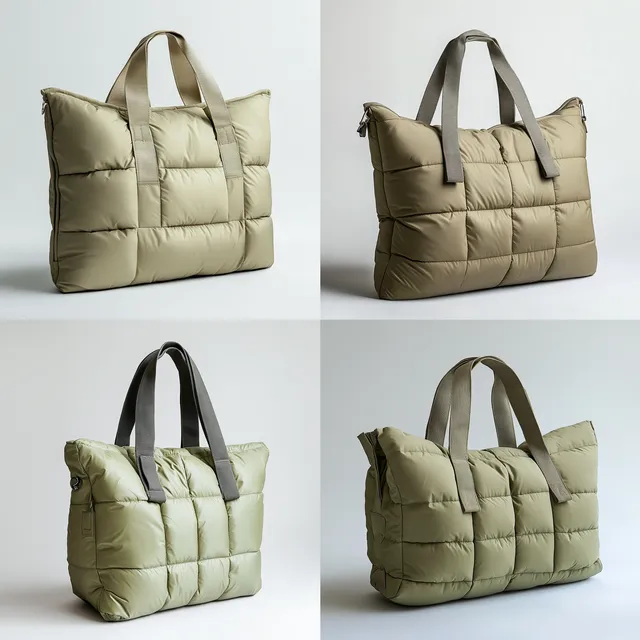
Laser engraving delivers a subtle, premium finish ideal for leather and technical fabrics.
Custom Colours and Fabric Choices
Beyond adding a logo, true customization extends to selecting the base colour of every component — shell fabric, lining, zippers, buckles, and even stitching thread. Many manufacturers offer Pantone colour matching to ensure your backpack aligns precisely with brand guidelines. Minimum orders for fully custom-coloured backpacks typically start at 300 to 500 units because dyeing fabric to a specific shade involves dedicated production runs at the textile mill.
The Design Process: From Concept to Production
Understanding the journey from initial concept to finished product helps you plan realistically and avoid costly revisions. A typical custom backpack project moves through five distinct phases.
Phase 1: Concept and Brief
The process begins with a creative brief that defines the purpose, target audience, quantity, budget, and timeline. This document should include your logo files, brand colour specifications (Pantone references are ideal), placement preferences, and any functional requirements such as extra pockets or laptop sleeves.
Phase 2: Digital Mock-Up
The supplier creates a photorealistic digital rendering showing the backpack from multiple angles with your artwork placed in the specified positions. This stage allows you to evaluate proportions, colour harmony, and overall aesthetics without any production cost. Most suppliers include two to three revision rounds at no extra charge.
Phase 3: Pre-Production Sample
Once the mock-up is approved, a physical sample is produced. This is the critical quality gate — you can touch the fabric, test the zippers, inspect the stitching, and verify that the colours match your expectations under natural and artificial light. Sample production typically takes seven to fourteen days and costs between 30 and 100 GBP depending on complexity.
Phase 4: Production
After sample approval, full-scale production begins. The factory cuts fabric, applies your chosen customization, assembles the backpack, and conducts quality control checks at multiple stages. Production of 500 units typically takes 20 to 30 business days.
Phase 5: Quality Control and Shipping
Finished backpacks undergo a final inspection covering dimensional accuracy, stitching integrity, print or embroidery quality, zipper function, and packaging. AQL (Acceptable Quality Level) sampling is commonly used to determine whether the batch meets the agreed standard before shipment is authorized.
Minimum Order Quantities Explained
MOQ is one of the most important factors when planning a custom backpack order, and it varies dramatically depending on the level of customization involved.
| Customization Level | Typical MOQ | Best For |
|---|---|---|
| Existing model + logo print | 50 – 100 units | Events, small teams, startups |
| Existing model + embroidery | 100 – 300 units | Corporate gifts, uniform programs |
| Custom colour selection | 300 – 500 units | Brand-aligned merchandise lines |
| Fully custom design (new mould) | 500 – 1000+ units | Established brands, product launches |
| Sublimation all-over print | 50 – 200 units | Limited editions, sports teams |
Lead Times: What to Expect
Lead time planning is crucial for aligning your custom backpack delivery with marketing campaigns, trade shows, or seasonal launches. Here is a realistic timeline breakdown:
- Sample development: 7 – 14 business days
- Sample revision (if needed): 5 – 10 business days per round
- Production (standard): 20 – 35 business days
- Production (rush): 10 – 20 business days (surcharge applies)
- Shipping (sea freight): 25 – 40 days depending on origin and destination
- Shipping (air freight): 5 – 10 days
- Customs clearance: 3 – 7 business days
For a first-time order with sampling, you should budget a minimum of eight to twelve weeks from initial brief to warehouse delivery. Repeat orders without sampling changes can be completed in four to eight weeks including shipping.
Cost Factors That Affect Your Budget
Custom backpack pricing is influenced by multiple variables. Understanding each one empowers you to make trade-offs that optimize your budget without sacrificing quality.
Quantity
Volume is the single most impactful cost lever. Ordering 100 units might cost 25 GBP each, while 1000 units of the same design could drop to 8 to 12 GBP per unit. The economies of scale come from amortized setup costs, bulk material purchasing, and more efficient production line utilization.
Material Selection
Standard polyester sits at the budget end of the spectrum. Upgrading to recycled PET fabric adds 10 to 15 percent to material costs. Canvas and nylon are mid-range, while premium options like Cordura ballistic nylon, full-grain leather, or X-Pac laminates can double or triple the material cost per unit.
Customization Complexity
A single-colour screen print adds minimal cost. A six-colour embroidered logo with dense stitch counts requires more machine time, thread, and stabilizer material, which drives the per-unit customization charge upward. Full sublimation printing, while visually spectacular, involves specialised equipment and polyester-only material constraints.
Structural Modifications
Adding custom compartments, reinforced laptop sleeves, unique buckle hardware, or specialised strap padding all require additional pattern-making, material, and labour. Each modification adds complexity to the assembly process and should be evaluated against its value to the end user.
Packaging and Labelling
Custom poly bags, hang tags, branded boxes, woven care labels, and barcoded SKU labels all contribute to the final cost. For retail-ready packaging, budget an additional 1 to 3 GBP per unit.
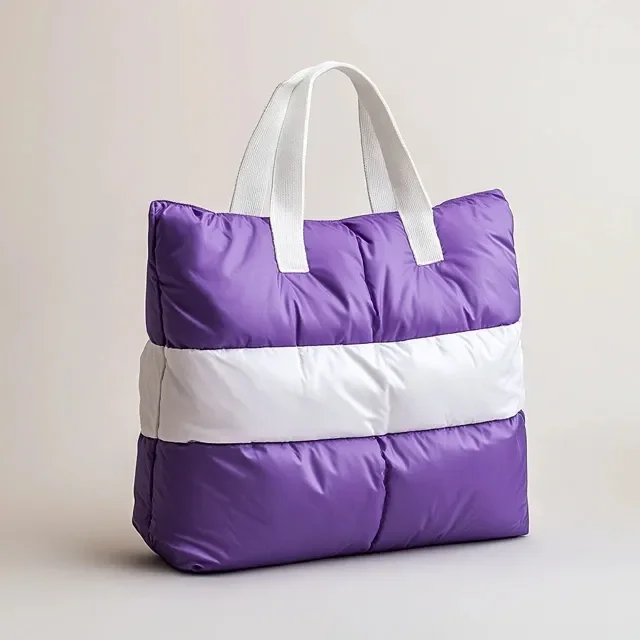
Quality control checkpoints ensure every custom backpack meets brand standards before shipping.
Choosing the Right Customization Method
The ideal method depends on your specific priorities. Here is a decision framework to simplify the choice:
- Prioritizing durability and a premium feel? Choose embroidery. It withstands years of daily use without degradation.
- Need full-colour photographs or gradients? Go with sublimation or DTG printing.
- Ordering 500+ units with a simple logo? Screen printing delivers the best cost-to-quality ratio.
- Want a luxury, understated mark? Laser engraving on leather or technical fabric is unmatched.
- Need flexibility and interchangeable branding? Patches with Velcro backing let you swap designs seasonally.
- Small batch or one-off personalization? Digital printing (DTG/DTF) has no setup costs and supports single-unit orders.
File Format Requirements for Logos and Artwork
Submitting the correct file format from the start prevents quality issues and delays. Here is what manufacturers typically require:
| Method | Preferred Format | Acceptable Alternatives | Key Requirements |
|---|---|---|---|
| Embroidery | AI, EPS (vector) | High-res PNG (300 DPI) | Digitized DST/JEF/PES file needed for production |
| Screen Printing | AI, EPS, PDF (vector) | PSD with separated layers | Each colour on separate layer; Pantone references |
| DTG / DTF | PNG (transparent bg, 300 DPI) | TIFF, PSD | CMYK or RGB depending on RIP software |
| Sublimation | PSD, TIFF (CMYK, 300 DPI) | PNG, JPEG (high quality) | Artwork at final print size; mirror image required |
| Laser Engraving | AI, SVG (vector) | DXF, PDF | Clean vector paths; no raster elements |
Emerging Trends in Backpack Customization
The personalization landscape continues to evolve. Several trends are shaping what buyers and brands are demanding from custom backpacks in 2025 and beyond.
Sustainable Materials and Processes
Recycled polyester made from post-consumer plastic bottles is now available from most major suppliers. Water-based inks are replacing plastisol in screen printing to reduce environmental impact. Some manufacturers offer carbon-neutral production runs where emissions are calculated and offset through verified programs.
Smart Integration
NFC chips and QR code patches embedded into backpacks allow brands to link physical products to digital experiences — authentication verification, warranty registration, exclusive content, or loyalty programs. This bridge between physical and digital is especially powerful in luxury and streetwear segments.
Modular Customization
Brands are increasingly using MOLLE webbing, Velcro panels, and zip-on attachments to let end-users personalize their own backpacks after purchase. This approach shifts the creative control to the consumer while the brand provides the platform.
Conclusion
Custom backpacks represent one of the most versatile and high-impact branding tools available. From a single embroidered monogram on a leather daypack to a fleet of 5,000 sublimation-printed festival bags, the options are limited only by your imagination and budget. The key to a successful project lies in choosing the right customization method for your use case, planning realistic timelines, investing in proper sampling, and partnering with a supplier who understands both the technical and creative dimensions of the work.
Whether you are a startup ordering your first branded merchandise or an enterprise managing a global uniform program, the principles in this guide will help you navigate the process with confidence and achieve results that truly stand out.
Frequently Asked Questions
What is the minimum order quantity for custom backpacks?
MOQs range from as low as 25 units for digital printing to 500–1000 units for fully custom designs with new patterns. Standard logo applications on existing models typically require 50 to 300 units depending on the method chosen.
How long does custom backpack production take?
From initial brief to delivery, budget eight to twelve weeks for a first-time order including sampling. Repeat orders can be completed in four to eight weeks. Rush production is available at a premium.
Which method is most durable for backpack logos?
Embroidery is the most durable option because the thread is stitched into the fabric and resists fading, cracking, and peeling. Laser engraving on leather is similarly permanent.
What file formats do manufacturers need?
Vector formats (AI, EPS, SVG, PDF) are preferred for most methods. Digital printing accepts high-resolution PNG or TIFF files at 300 DPI. Embroidery additionally requires a digitized stitch file in DST, JEF, or PES format.
Can I get a sample before ordering in bulk?
Absolutely. Reputable suppliers always provide a pre-production sample for approval. This step is essential and typically costs 30 to 100 GBP depending on customization complexity.
How much does customization add to the base backpack cost?
Simple screen printing adds 1 to 5 GBP per unit. Embroidery ranges from 3 to 12 GBP. Full custom designs with unique materials and hardware can add 15 to 30 GBP or more per unit depending on complexity.
Is there a difference between "custom" and "personalized" backpacks?
Yes. "Custom" typically refers to bulk corporate or branded orders, while "personalized" usually means single-unit or small-batch individual additions like names or monograms. The production methods overlap but MOQ and pricing structures differ.
Ready to Create Your Custom Backpacks?
Our team specializes in bringing your vision to life — from single personalized pieces to large-scale corporate orders with full brand integration.
Email: service@junyuanbags.com WhatsApp: +86 17750020688