Commuting Hacks That Save Time Every Day
Table of Contents
 The average UK commuter spends 59 minutes per day travelling. Here is how to reclaim that time.
Why Commuting Time Matters
The average UK worker spends approximately 59 minutes per day commuting. That adds up to over four hours per week, or roughly 200 hours per year. Put another way, you spend the equivalent of eight full days every year just getting to and from work. That is not travel time. That is lost time.
But it does not have to be. Commuting hacks and smart preparation can reduce your commute by 15 to 30 minutes per trip. Over a year, that is 125 to 250 hours reclaimed. You could learn a language, complete a professional certification, or simply sleep more. The time is there; you just need the systems to unlock it.
This guide covers every angle of commute optimization: route planning, gear preparation, mode selection, in-commute productivity, backpack organisation, weather readiness, and the technology tools that make it all possible. Each hack is practical, tested, and applicable regardless of whether you drive, cycle, take the train, or walk.
Route Optimization: The Foundation
The single biggest time savings come from choosing the right route. Most commuters follow the same path out of habit rather than analysis. Breaking that habit is step one.
Use Google Maps or Waze to test alternative routes at your actual commute time. Roads and transit lines that are fast at 10am may be gridlocked at 8:15am. The optimal route changes based on the time you leave, the day of the week, and even the weather conditions.
The Five-Minute Rule
Test leaving five minutes earlier or five minutes later. On many commuter corridors, a five-minute shift in departure time moves you from peak congestion to free-flowing traffic. This is especially true for train commuters, where catching a train 10 minutes earlier or later can mean the difference between a seat and standing in a crowded carriage.
Multi-Modal Commuting
Consider combining transport modes. Drive to a park-and-ride, then take the train into the city. Cycle to the station, then ride the tube. These multi-modal approaches often beat single-mode commutes because they bypass the worst congestion segments. Apps like Citymapper excel at suggesting optimal multi-modal routes in real time.
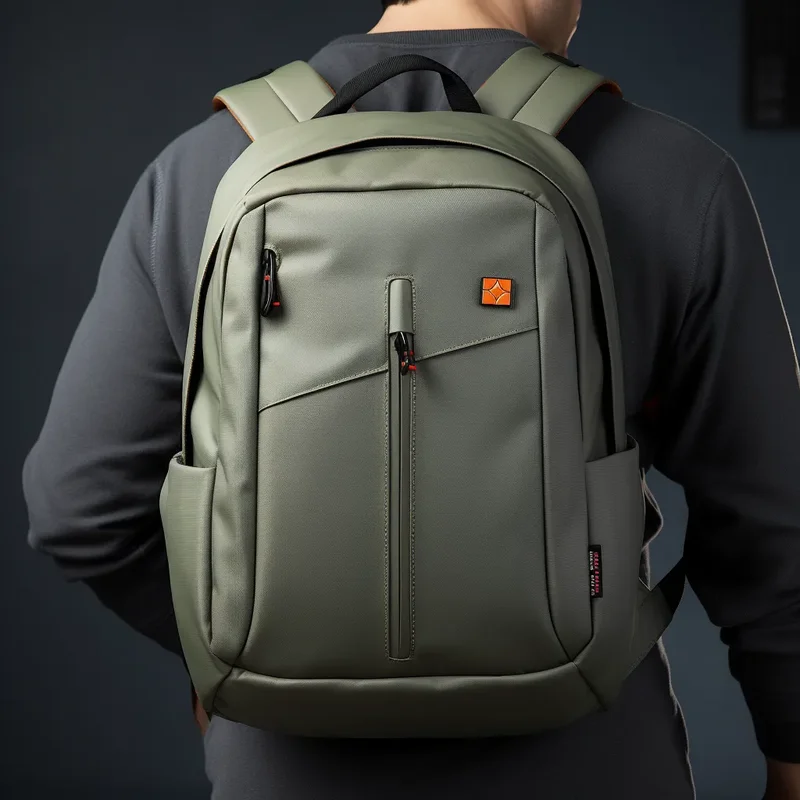 Testing alternative routes at your actual commute time reveals hidden time savings.
Gear Prep Routines
Most commute delays are self-inflicted. You forget your badge, your coffee spills, your backpack zipper breaks, you cannot find your keys. These micro-delays accumulate into significant lost time.
The solution is a standardised preparation routine. Prepare everything the night before. Your backpack should be packed and by the door. Your lunch should be ready. Your clothes should be laid out. Your phone should be charging next to your keys.
The Evening-Before Checklist
- Backpack packed with laptop, charger, notebook, water bottle, and any materials needed tomorrow
- Clothes selected and laid out, including underwear and socks
- Lunch prepared or meal plan decided
- Keys, wallet, badge, and phone placed in a designated spot
- Weather check completed to determine outerwear needs
- Commute app checked for any service disruptions or delays
This routine takes five to seven minutes in the evening and saves 10 to 15 minutes of morning rushing and searching. The return on investment is extraordinary. Over a year, the time saved from this single habit exceeds 40 hours.
Transit vs. Driving: Making the Right Call
The choice between driving and public transport is not static. It should change based on weather, schedule, distance, and even your energy level.
As a general rule: public transport wins for city-centre commutes under 15 miles where parking costs exceed £5 per day. Driving wins for suburban commutes over 15 miles, for days when you need a car during work hours, or for days when transit schedules are unreliable due to strikes or engineering works.
Calculate the true cost of driving: fuel, parking, insurance depreciation per mile, maintenance, and the time spent searching for parking. In most UK cities, the cost per working day of driving exceeds £15 when all factors are included. The same commute by train typically costs £8 to £12 with a season ticket.
Time-Blocking During Your Commute
Your commute is not dead time. It is a protected block of time that can be allocated to specific tasks. The key is to treat it intentionally rather than letting it dissolve into scrolling and distraction.
For Public Transport Commuters
You have a captive audience of yourself. Use this time for deep work tasks that do not require a full desktop setup: reading industry reports, reviewing and responding to emails, planning your day in your task manager, listening to educational podcasts or audiobooks, or practising a language with audio lessons.
For Drivers
Your options are more limited but still valuable. Audiobooks and podcasts transform driving time into learning time. Phone calls (via hands-free) can handle meetings or catch-ups that would otherwise require separate time blocks. Even navigation apps provide a form of mental engagement that keeps you alert and efficient.
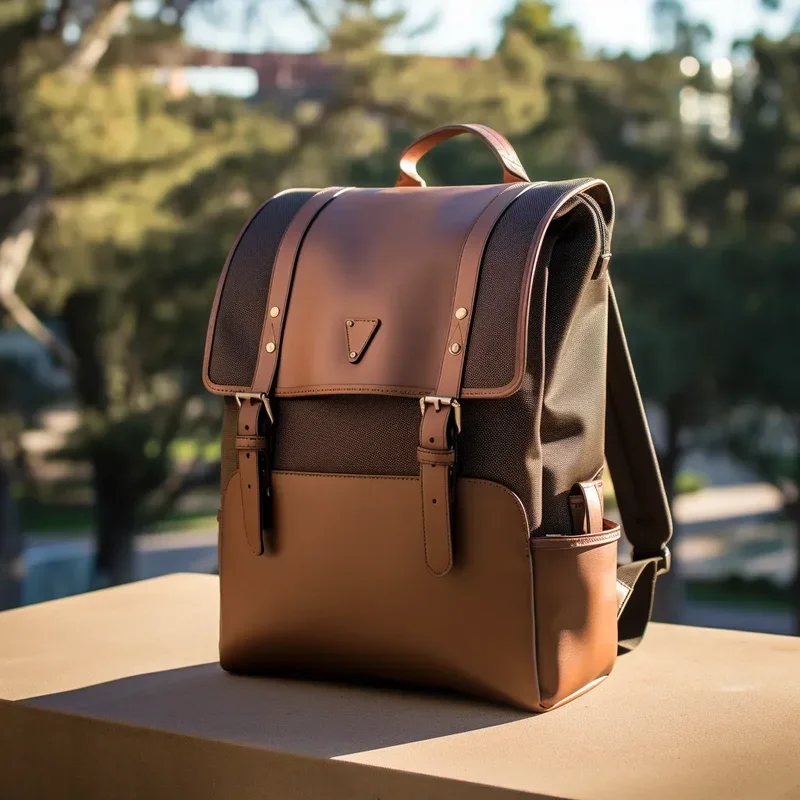 Track what you accomplish during your commute to understand the real value of optimised travel time.
Backpack Organization for Speed
Your backpack organisation directly affects your morning and evening speed. A well-organised bag means you grab and go. A disorganised one means you spend five minutes searching for your transit card.
The principle is simple: every item has a fixed home in your backpack, and it returns to that home every evening. Laptop in the main compartment. Charger in the tech pouch. Notebook in the front organiser. Water bottle in the side pocket. Keys on the internal clip. No exceptions.
Use packing cubes or pouches to group related items. A tech pouch holds all cables and chargers. A document pouch holds your notebook, pen, and any papers. When you need something, you reach for the pouch, not the entire bag. This system reduces retrieval time from 30 seconds to five seconds per item.
| Backpack Zone | Contents | Access Frequency |
|---|---|---|
| Main compartment | Laptop, tablet, notebook | Low (1-2x daily) |
| Tech organiser pouch | Chargers, cables, earbuds | Medium (2-3x daily) |
| Front organiser | Pen, business cards, transit pass | High (5+ times daily) |
| Side pocket | Water bottle, umbrella | Medium (2-4x daily) |
| Quick-access top pocket | Phone, keys, wallet | Very high (10+ times daily) |
Weather Preparedness
Rain is the enemy of commute efficiency. Wet shoes, fogged glasses, and slippery surfaces slow everything down. Being weather-prepared prevents these delays.
Keep a compact umbrella in your backpack at all times. A travel umbrella weighs 200 grams and collapses to 25 centimetres. On days when rain is forecast, add a packable rain jacket or a waterproof backpack cover. Waterproof shoes or shoe covers prevent the misery of soggy feet that ruins an entire workday.
Check the weather each evening as part of your prep routine. If storms are forecast, build in an extra 10 minutes of commute time. Cyclists and pedestrians should have a wet-weather route that prioritises covered walkways and sheltered paths over the shortest distance.
Tech Tools That Help
Modern technology offers powerful commute optimisation tools. Here are the essential apps and devices:
Citymapper: The gold standard for urban transit navigation. Real-time departures, disruption alerts, and multi-modal route planning. Available in all major UK cities.
Waze: Community-powered driving navigation. Alerts for traffic, accidents, speed cameras, and road closures. Often finds routes that Google Maps misses.
Google Calendar time tracking: Log your actual commute times daily for two weeks. The data reveals patterns you can exploit for permanent time savings.
Noise-cancelling earbuds: Not strictly a commute tool, but they transform a crowded train into a productive quiet space. The Sony WF-1000XM5 or Apple AirPods Pro 2 are excellent choices.
Portable power bank: A 10,000 mAh power bank ensures your phone never dies during long commutes. Essential for days when your route takes longer than expected.
Real Time-Saved Calculations
Let us put this all together with realistic numbers. Consider a commuter in Manchester travelling to a city-centre office:
| Optimisation | Minutes Saved Per Day | Hours Saved Per Year |
|---|---|---|
| Route optimisation (alternative route) | 8 | 33 |
| Evening-before prep routine | 10 | 42 |
| Backpack organisation system | 3 | 13 |
| Time-shifting departure by 5 min | 6 | 25 |
| Weather preparedness (no delays) | 4 | 17 |
| Total | 31 | 130 |
One hundred and thirty hours per year. That is five full days. Five days of your life, returned. You could spend that time on a holiday, learning a skill, or simply resting. The point is not to fill every second with productivity; the point is to have the choice.
Ready to Upgrade Your Mobile Setup?
Whether you need a backpack that doubles as a mobile office or a travel companion for your minimalist kit, we have the solution.
Email: service@junyuanbags.com | WhatsApp: +86 17750020688
Get a Quote Chat on WhatsAppBuilding a Commute Optimisation Habit Stack
Individual hacks deliver incremental savings. The real transformation comes from combining multiple hacks into a habit stack that runs automatically. A habit stack is a sequence of behaviours linked together so that completing one triggers the next. Your commute optimisation stack might look like this: evening weather check triggers bag preparation, which triggers outfit selection, which triggers lunch preparation, which triggers alarm setting. Each step flows into the next without conscious decision-making.
The key to building a habit stack is starting small. Choose one new habit, for example checking the weather each evening, and add it to your existing routine. Once it is automatic after two to three weeks, add the next habit like bag preparation. Continue stacking until the entire evening routine runs without conscious effort. Research suggests that complex habit stacks take two to three months to fully automate, but the time savings persist for years once established.
Track your commute times weekly. Use a simple spreadsheet or notes app to record your departure time, arrival time, mode of transport, and any notable delays. After four weeks, patterns emerge. You may discover that Tuesdays are consistently slower due to roadworks, or that the 7:42 train is always more crowded but arrives faster than the 7:55. This data allows you to make evidence-based decisions about routes and timing rather than relying on guesswork and habit.
The Hidden Costs of a Bad Commute
A poorly optimised commute does not just waste time; it degrades your entire day. Research from the University of West England found that commuters with longer journeys report lower job satisfaction, higher stress levels, and worse physical health than those with shorter commutes. Each additional 10 minutes of commute time correlates with measurable reductions in life satisfaction scores.
The morning commute sets your cognitive state for the entire day. A stressful, chaotic commute arrives at work with elevated cortisol levels and depleted willpower. A smooth, predictable commute arrives alert and ready to focus. This is not a minor difference; it represents the gap between productive deep work and scattered, reactive behaviour for the first two hours of your day.
Consider also the evening commute impact on your personal life. A delayed, frustrating commute home depletes the energy you would otherwise spend on exercise, cooking, relationships, or hobbies. Many people attribute their lack of evening energy to long work hours when the real cause is a poorly optimised commute that extends the working day and drains mental reserves before personal time even begins.
Advanced Commute Strategies
Once you have mastered the basics, advanced strategies can unlock additional savings. The first is commute batching: scheduling meetings and appointments to minimise the number of different locations you travel to each week. If you have two meetings in the same area, schedule them on the same day rather than making two separate journeys.
The second strategy is off-peak negotiation. If your employer offers flexible hours, shifting your start time by 30 minutes can eliminate peak congestion entirely. Many professionals discover that starting at 7:30 and finishing at 4:00 provides a faster commute and equal productivity to the traditional 9-to-5 schedule with its associated peak-hour delays.
The third strategy is the commute audit. Once per quarter, spend a full week testing every possible variation of your commute: different routes, different departure times, different modes of transport. Record the results. You will almost always discover at least one improvement that has emerged since your last audit: new cycle lanes, changed train schedules, or road construction that has been completed and opened faster alternatives.
Seasonal Commute Adjustments
Your optimal commute strategy changes with the seasons. Winter mornings require earlier departures due to reduced visibility and road conditions. Summer heat affects train reliability on some routes. Spring and autumn bring rain that slows cycling and walking commutes. Adjust your routes, timing, and mode of transport seasonally rather than rigidly adhering to a single strategy year-round. Flexibility is the hallmark of an optimised commute.
Frequently Asked Questions
What is the single biggest commute time saver?
Route optimisation. Testing alternative routes at your actual departure time often reveals a path that is 10 to 15 minutes faster than your habitual route. This one change alone can transform your daily commute.
How much time does the evening-before routine actually save?
Between 8 and 15 minutes per morning, depending on how disorganised your current routine is. The savings come from eliminating searching for items, deciding what to wear, and preparing food in the morning rush.
Is it worth switching from driving to public transport?
In most UK cities, yes. When you factor in parking costs, fuel, maintenance, and the time spent circling for parking, public transport is both cheaper and often faster for commutes under 15 miles to city centres.
What backpack features help with commute speed?
Quick-access external pockets for phone and transit pass, a wide-opening main compartment for laptop retrieval, internal organiser panels, and a luggage pass-through strap for rolling bags. These features reduce bag-handling time significantly.
How do I handle commute disruptions like strikes or cancellations?
Set up alert notifications in Citymapper or your train operator's app. Have a backup route planned (a different train line, a bus alternative, or a cycling route). Keep a foldable bike helmet in your bag if cycling is a viable backup option.
Can I really be productive during my commute?
Public transport commuters can absolutely be productive. Reading, email, planning, and audio learning all work well. Drivers should focus on audio content and hands-free calls. Even walking commuters can use audiobooks and language learning apps effectively.
What about cycling commuters specifically?
Cycling often beats cars for commutes under five miles in cities. Invest in panniers instead of a backpack to reduce sweat, use dedicated cycle lanes for speed and safety, and keep a change of clothes at the office if possible.
Ready to Upgrade Your Mobile Setup?
Whether you need a backpack that doubles as a mobile office or a travel companion for your minimalist kit, we have the solution.
Email: service@junyuanbags.com | WhatsApp: +86 17750020688
Get a Quote Chat on WhatsApp