Commuter Backpack vs. Messenger Bag: Which Is Better for Your Daily Journey?
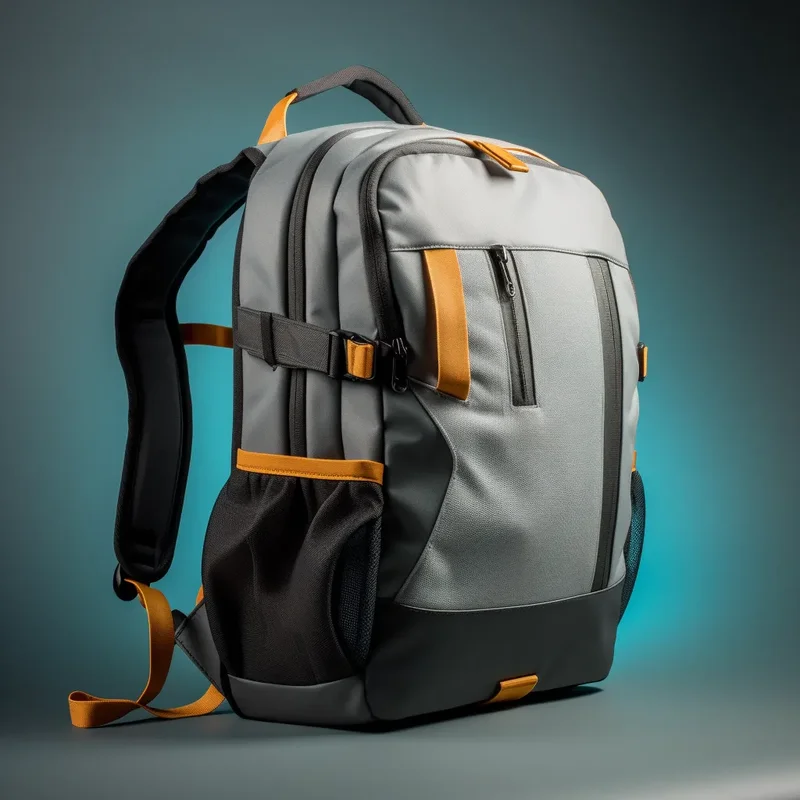
Every morning, millions of people across the United Kingdom face the same question before heading out the door: backpack or messenger bag? It seems like a simple choice, but the reality is that your bag selection directly impacts your comfort, your posture, your productivity, and even your professional image during your daily commute.
Having spent years testing every conceivable commuter carry solution, from traditional leather satchels to cutting-edge urban backpacks, we have compiled the definitive comparison to settle this debate once and for all. Whether you cycle through London traffic, take the Tube, or walk twenty minutes to your office, this guide will help you understand which carry style genuinely serves your needs best.
The Fundamental Difference: Weight Distribution
The most important distinction between a commuter backpack and a messenger bag is how they handle the weight you carry. This single factor influences everything from your energy levels at the end of the day to your long-term spinal health.
A backpack distributes weight across both shoulders and, with a properly designed hip belt, transfers significant load to your hips. This balanced distribution means your muscles work equally on both sides of your body, preventing the chronic asymmetry that leads to postural problems. Think of it as the difference between carrying two shopping bags versus one heavy bag in a single hand.
A messenger bag, by contrast, concentrates all weight on one shoulder. Your body must constantly engage stabilising muscles on the opposite side to prevent you from leaning. Over a full working day, this creates cumulative fatigue in your trapezius, rhomboids, and erector spinae muscles. Research published in the Journal of Physical Therapy Science has consistently demonstrated that single-shoulder carrying leads to measurable asymmetries in muscle activation patterns.
For light loads, this matters less. If you are carrying just a laptop and a few small items, the difference is negligible. But the moment your bag exceeds three or four kilograms, the ergonomic gap between a well-designed backpack and a messenger bag becomes pronounced.
Comfort and Ergonomics: A Deep Dive
Backpack Ergonomics
Modern commuter backpacks have evolved far beyond the canvas rucksacks of previous decades. Premium options from brands like Bellroy, Aer, and Peak Design feature contoured shoulder straps with memory foam padding, sternum straps that prevent strap slippage, and back panels engineered with channels for airflow and weight distribution.
The best commuter backpacks also incorporate a suspended laptop compartment, which holds your device away from your back. This serves a dual purpose: it protects your laptop from bumps and impacts, and it prevents you from feeling the laptop pressing into your spine. Combined with a breathable mesh back panel, this design significantly reduces the dreaded commuter back sweat that can make arriving at the office an uncomfortable experience.
Adjustability is another critical factor. Quality backpacks offer multiple adjustment points including sternum strap height, shoulder strap length, and sometimes even torso length adjustment. This customisation ensures the bag sits correctly on your body regardless of your height and build, which is essential for maintaining proper weight distribution throughout your journey.
Messenger Bag Ergonomics
Messenger bags have their own ergonomic considerations. The cross-body strap design, when properly adjusted with a wide padded section, can distribute some weight across the torso rather than concentrating it entirely on the shoulder. Brands like Timbuk2 have pioneered strap designs that angle the load closer to your body, reducing leverage and making the bag feel lighter than its actual weight.
However, the fundamental limitation remains: all weight ultimately passes through one shoulder joint. No amount of strap engineering can overcome this physics. For shorter commutes of under fifteen minutes, this is manageable. For hour-long journeys with transfers and walking, messenger bag users frequently report shoulder fatigue and lower back discomfort.
Capacity and Organisation
The internal organisation of your daily carry can make or break your productivity. Both backpacks and messenger bags offer varying levels of organisation, but the nature of their designs creates different strengths.
Backpack Organisation
Backpacks typically offer more total volume for their external footprint because they utilise vertical space efficiently. A well-designed 25-litre commuter backpack can hold a 15-inch laptop, a tablet, headphones, a lunch container, a water bottle, a compact umbrella, charging cables, and a light jacket with room to spare.
The downside is accessibility. To reach items at the bottom of a traditional top-loading backpack, you must remove the bag and dig through your belongings. Premium commuter backpacks solve this with clamshell openings that lay flat, side-access zippers for quick laptop retrieval, and dedicated external pockets for frequently needed items like transit passes and keys.
Brands like Cotopaxi and Herschel have embraced this organisational philosophy, creating bags with specific compartments for every category of item you might carry. The Herschel Classic, for instance, features a padded laptop sleeve, internal mesh organiser, and front utility pocket with key clip.
Messenger Bag Organisation
Messenger bags excel at accessible organisation. The flap-over design means you can access the main compartment by simply swinging the bag forward, without removing it entirely. Internal dividers and pockets keep your items separated, and the flat profile means everything is visible at a glance rather than buried in layers.
The trade-off is capacity. Messenger bags generally max out around 20 to 25 litres before they become unwieldy and start hanging awkwardly. The horizontal orientation also means they are better suited to flat items like laptops, documents, and tablets rather than bulky three-dimensional objects like lunch boxes or clothing.
Style and Professional Image
The workplace dress code has relaxed considerably, but your bag still communicates something about your professionalism and attention to detail. Both options have evolved to meet modern style expectations, but in different ways.
Backpacks have overcome their casual reputation through design innovation. Brands like Tumi, Bellroy, and Samsonite now produce backpacks with clean silhouettes, premium materials such as ballistic nylon and leather accents, and minimal external branding. A well-chosen commuter backpack in black, charcoal, or navy pairs seamlessly with business casual attire and even works with suits when the design is refined enough.
Messenger bags occupy an interesting middle ground. Their heritage in cycling culture gives them an inherently urban, creative feel. This makes them an excellent match for design agencies, tech companies, and other environments where creative expression is valued. In more conservative sectors like finance or law, a messenger bag in a rich leather can still work, but the cross-body silhouette may appear less formal than a briefcase or structured backpack.
Commuting Scenarios: Where Each Bag Excels
Cycling Commuters
If you cycle to work, the backpack is the clear winner. Stability is paramount when riding, and a backpack keeps your centre of gravity centred and balanced. Look for models with a sternum strap and a snug fit system to prevent swaying. Many cycling-specific backpacks also feature reflective elements for visibility and attachment points for rear lights.
Messenger bags can work for cycling if you use the stabilising strap properly, but they tend to shift to one side during vigorous pedalling or when navigating uneven roads. The constant micro-adjustments your body makes to compensate for this movement add fatigue over your ride.
Public Transit Commuters
For underground, bus, and train commuters, both options have merit, but the messenger bag gains an advantage here. The ability to quickly access your Oyster card, phone, or earbuds without removing the bag entirely makes the messenger bag incredibly convenient for frequent boarding and alighting. The slim profile also makes navigating crowded carriages easier.
However, if your transit commute involves significant walking at either end, the backpack advantage reasserts itself. The comfort difference over a combined thirty to forty minutes of walking with a fifteen-kilogram bag is substantial.
Walking Commuters
For those who walk to work, the backpack is almost always preferable. Walking is a symmetrical activity, and a balanced load matches this natural symmetry. The ventilation offered by modern backpack back panels also helps manage temperature, which matters when your entire commute involves physical movement.
Weather Protection and Durability
The United Kingdom is not famous for its consistently dry weather, so water resistance is a critical consideration for any commuter bag.
Backpacks typically offer superior weather protection because the opening mechanism is at the top, where rain is least likely to penetrate. Quality commuter backpacks use water-resistant fabrics with sealed seams, water-resistant zippers, and sometimes even include integrated rain covers. The bag sits against your back, which provides an additional shield for the front and sides.
Messenger bags, with their front-opening design, are more vulnerable to rain ingress. The flap-over design provides some protection, but the sides and bottom edges can allow water to seep in during heavy downpours. If you choose a messenger bag for commuting in wet climates, invest in one with a dedicated rain cover or ensure the main compartment has waterproof lining.
Head-to-Head Comparison Table
| Feature | Commuter Backpack | Messenger Bag |
|---|---|---|
| Weight Distribution | Excellent, both shoulders | Limited, single shoulder |
| Total Capacity | 20-40 litres typical | 15-25 litres typical |
| Quick Access | Good with side-access designs | Excellent, swing to front |
| Cycling Suitability | Excellent | Moderate |
| Professional Appearance | Good to Excellent | Moderate to Good |
| Weather Resistance | Excellent | Moderate |
| Transit Convenience | Good | Excellent |
| Back Ventilation | Varies by design | Better airflow |
| Long-Distance Comfort | Excellent | Poor to Moderate |
| Style Versatility | Wide range | Urban, creative focus |
Long-Term Health Implications of Your Bag Choice
While the immediate comfort difference between a backpack and messenger bag is noticeable, the long-term health implications are where the gap becomes truly significant. Physiotherapists and occupational health specialists have been raising concerns about single-shoulder bag use for over a decade, and the clinical evidence continues to mount.
Chronic single-shoulder loading causes a cascade of postural adaptations. Your body develops a habitual lean toward the loaded side, which leads to compensatory curvature in the cervical and lumbar spine. Over months and years, this can contribute to conditions including cervical spondylosis, thoracic outlet syndrome, and chronic tension headaches originating from the trapezius muscles. These are not trivial conditions; they affect quality of life, work productivity, and can require expensive physiotherapy or even surgical intervention in severe cases.
The good news is that the body is remarkably adaptable. Many professionals who switch from a messenger bag to a backpack report noticeable improvements in shoulder tension, neck pain, and overall energy levels within the first two to three weeks. The symmetrical load distribution allows previously overworked muscles to recover and rebalances muscle activation patterns across both sides of the body.
If you have been experiencing unexplained shoulder pain, neck stiffness, or headaches, consider your bag as a potential contributing factor. A simple experiment of switching to a well-fitted backpack for four weeks can provide revealing results. If symptoms improve, the bag was likely playing a significant role in your discomfort.
Material and Build Quality Comparison
Both backpacks and messenger bags are available across a wide range of materials, from budget nylon to premium leather. However, the construction demands of each style differ, and this affects durability outcomes in practice.
Backpacks must withstand stress from multiple load-bearing points: two shoulder straps, a back panel, and potentially a hip belt. Quality backpacks reinforce these attachment points with bar-tack stitching or welded construction. The zippers also face significant stress as the bag expands and contracts with loading. Premium brands address this with reinforced zipper tracks and YKK zippers rated for thousands of cycles.
Messenger bags concentrate stress differently. The single attachment point where the strap connects to the bag body must handle the entire load. High-quality messenger bags from brands like Timbuk2, Chrome Industries, and Mission Workshop use robust reinforcement at these critical junctions. The strap buckle and adjustment hardware also endure constant use, and cheap buckles can crack or fail under heavy loads.
Materials have converged significantly between the two categories. Ballistic nylon, once the exclusive domain of premium backpacks, is now common in messenger bags. Similarly, waxed canvas and full-grain leather, traditionally messenger bag materials, appear in premium backpack collections. The material choice should be driven by your aesthetic preference and intended use rather than the bag style itself.
The Evolution of Commuter Bag Design
The line between backpacks and messenger bags has blurred considerably in recent years. Hybrid designs have emerged that attempt to capture the strengths of both approaches. These include backpacks with convertible strap systems that allow single-shoulder carry, and messenger bags with optional dual-strap configurations.
Peak Design's Everyday backpack line, for instance, features side access points that provide messenger-bag-like accessibility while maintaining the ergonomic benefits of dual-shoulder carry. Similarly, brands like Topo Designs and Bellroy have introduced convertible bags that switch between backpack and messenger modes with simple strap reconfigurations.
These hybrid designs suggest that the industry recognises the limitations of a strict binary choice. For many commuters, the ideal solution lies somewhere between the two extremes, offering backpack comfort with messenger accessibility. If you are genuinely torn between the two styles, a convertible design may warrant consideration, though it is worth noting that purpose-built designs in either category typically outperform hybrids in their primary mode of carry.
Cost of Ownership Over Time
When evaluating your bag purchase, consider the total cost of ownership rather than just the initial price. A premium backpack from brands like Aer or Bellroy typically costs between one hundred and fifty and two hundred and fifty pounds, while a quality messenger bag from Timbuk2 or Chrome Industries falls in a similar range.
The longevity difference can be significant. Well-made backpacks with robust strap systems and reinforced stress points often last five to eight years of daily commuting. Messenger bags, with their concentrated stress points, may show wear sooner, particularly at the strap attachment and buckle mechanisms. This does not make messenger bags a poor choice, but it does mean that budget-conscious buyers should factor potential replacement timing into their decision.
Many premium brands now offer lifetime or extended warranties that cover manufacturing defects and sometimes even normal wear. Bellroy offers a three-year warranty, Aer provides a lifetime guarantee, and Timbuk2 backs their messenger bags with a lifetime warranty. These warranties effectively reduce the long-term cost of ownership and provide peace of mind that your investment is protected.
The Verdict: Matching Bag to Commuter Type
There is no universally superior option. The right choice depends on your specific commuting circumstances. Here is a quick decision framework:
Choose a commuter backpack if: your commute exceeds twenty minutes on foot, you carry more than five kilograms daily, you cycle to work, you walk significant distances in wet weather, or you experience any existing back or shoulder discomfort.
Choose a messenger bag if: your commute is short and flat, you carry light loads, you need frequent access to your belongings, you prefer a more urban aesthetic, or you work in a creative industry where the style is particularly valued.
Some commuters also adopt a hybrid approach, using a backpack for the main journey and carrying a slim sleeve or folio for the office. This gives you the ergonomic benefits during transit and a more professional presentation at your destination.
Final Thoughts on Your Commuter Carry
The commuter backpack vs messenger bag debate ultimately comes down to a trade-off between ergonomic performance and accessibility. Backpacks win on comfort, capacity, and protection. Messenger bags win on quick access and urban style. Understanding these trade-offs in the context of your specific commute will guide you to the right decision.
Remember that your bag is an investment in your daily comfort and long-term health. Spending a little more on a well-designed bag from a reputable brand like Bellroy, Aer, Herschel, or Cotopaxi will pay dividends in comfort and durability over years of daily use.
Ready to Find Your Perfect Commuter Bag?
Explore our curated collection of the best commuter backpacks and city bags designed for modern urban professionals.
Explore Top PicksFrequently Asked Questions
Is a backpack or messenger bag better for commuting?
For most commuters, a backpack is the better choice because it distributes weight evenly across both shoulders, reducing strain on your spine and neck during longer walks or cycling commutes. Messenger bags are preferable if you need quick access to your belongings without removing the bag, or if your commute involves frequent stops where you need to grab items like your phone or transit card.
Are messenger bags bad for your back?
Messenger bags can cause back and shoulder pain when loaded heavily because they place all the weight on one shoulder. This uneven distribution leads to muscle imbalances, spinal curvature over time, and nerve compression. However, for light loads under five kilograms with a well-padded cross-body strap, a messenger bag can be comfortable for shorter commutes.
What size backpack is best for daily commuting?
A daily commuter backpack between 20 and 30 litres offers the ideal balance of capacity and comfort. This size accommodates a laptop up to 16 inches, lunch box, water bottle, jacket, and daily essentials without becoming bulky. Anything above 35 litres tends to encourage overpacking, which negates the ergonomic benefits of wearing a backpack.
Can you wear a backpack with a suit to work?
Yes, many modern commuter backpacks are designed specifically for business environments with clean lines, muted colourways, and premium materials like full-grain leather or ballistic nylon. Brands like Bellroy, Tumi, and Aer produce backpacks that pair well with professional attire. The key is choosing a structured design with minimal branding and avoiding sporty or technical-looking bags.
What is the advantage of a messenger bag over a backpack?
The primary advantage of a messenger bag is accessibility. You can swing the bag to your front and retrieve items without removing it entirely. Messenger bags also tend to have a more professional, urban aesthetic that pairs well with smart casual attire. They are also easier to grab quickly when exiting a bus or train.
Do backpacks cause sweating during commutes?
Traditional backpacks can cause back sweating during warm weather or active commutes because the back panel traps heat against your body. Many modern commuter backpacks address this with suspended mesh back panels that create an air channel between the bag and your back, significantly improving ventilation. Choosing a bag with airflow channels and moisture-wicking materials can largely eliminate this problem.
Which bag type is better for cycling to work?
Backpacks are generally better for cycling to work because they keep your centre of gravity balanced and stable. Messenger bags can shift during cycling, affecting your balance. However, if you prefer a messenger bag, look for one with a stabilising strap across the chest. For serious cyclists, backpacks with ventilation channels and sternum straps offer the best combination of stability and comfort.