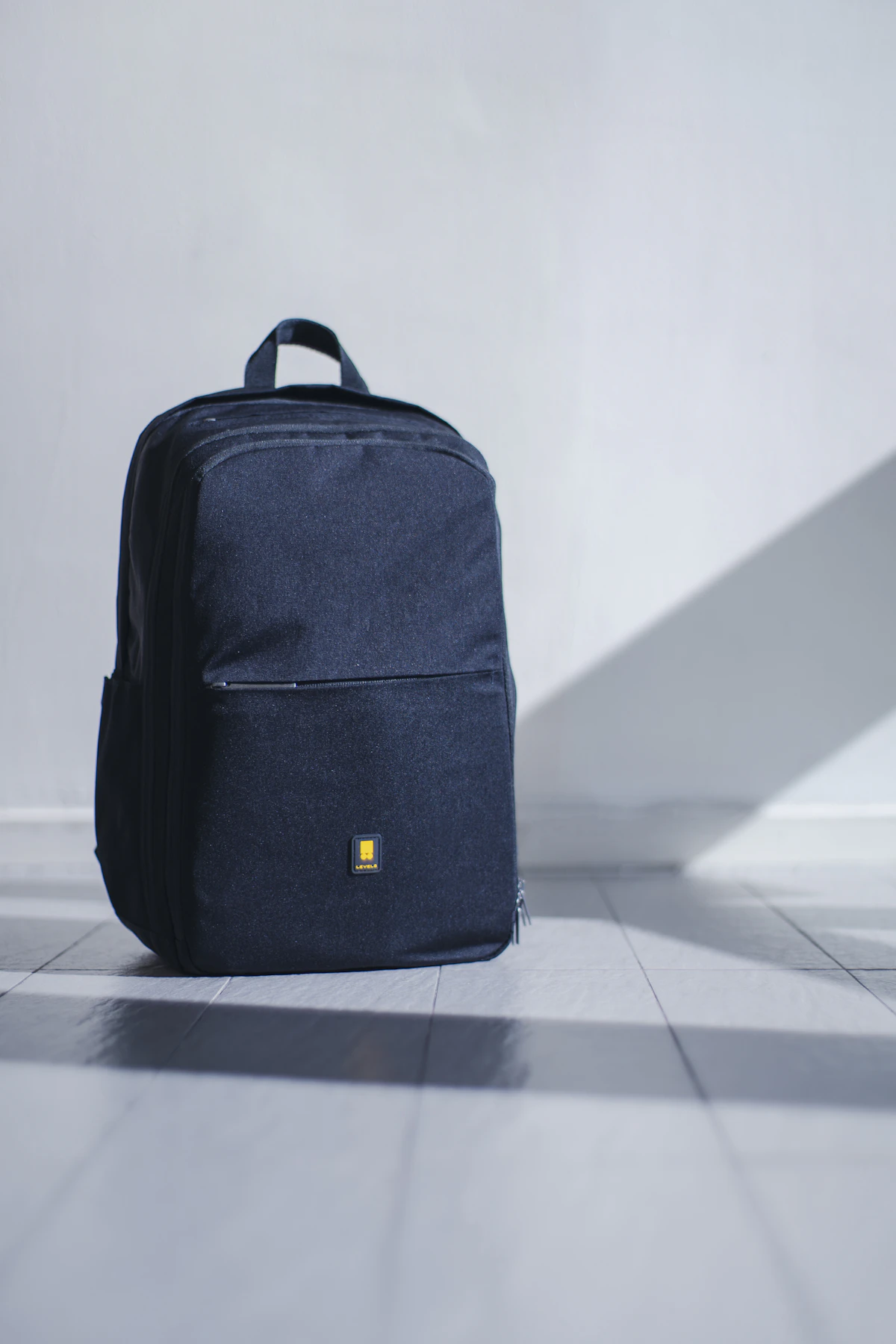
White Label vs Custom Brand Backpacks: Which Manufacturing Strategy Suits Your Business?
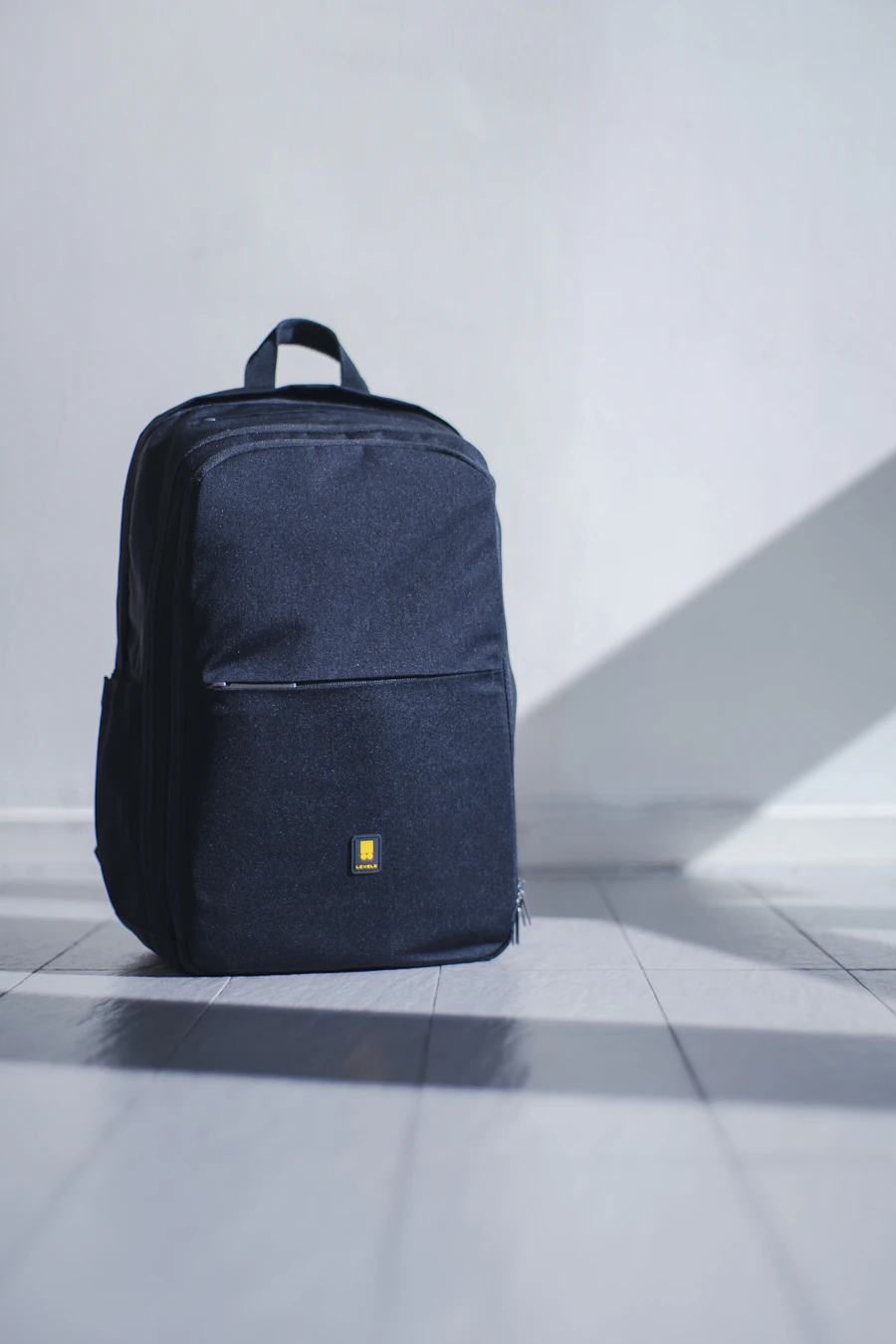
White Label vs Custom Brand Backpacks: Which Manufacturing Strategy Suits Your Business?
Choosing between white label and custom brand manufacturing strategies represents one of the most consequential decisions for backpack entrepreneurs and brand managers. Each approach offers distinct advantages in cost structure, time to market, brand differentiation, and scalability potential. Understanding these differences thoroughly enables informed decisions that align with your business stage, market positioning, budget constraints, and long-term brand ambitions.
At Junyuan Bags, we support both white label and custom brand manufacturing programmes across our eight production lines in our 15,000 square metre Quanzhou factory. Our experience serving clients pursuing both strategies provides unique insight into the trade-offs each approach presents. With annual production exceeding two million units and clients across forty-plus countries since 2004, we help brands select and execute the manufacturing strategy that best serves their specific business objectives.
White Label Manufacturing: Speed and Simplicity
White label manufacturing offers the fastest route to market for backpack brands. Products are designed, patterned, and often partially produced before your order arrives. Your customization is limited to branding elements including logo application, label insertion, colour selection from available options, and packaging design. This constrained but efficient customization model delivers products within weeks rather than months.
The cost advantages of white label manufacturing stem from three sources. First, design development costs that typically range from 500 to 3,000 dollars per custom design are eliminated entirely. Second, established production patterns enable immediate production without sampling iterations, reducing lead time by four to eight weeks. Third, manufacturer material inventory means fabrics and components are already purchased and available, eliminating material sourcing delays and minimum order surcharges.
White label programmes excel for brands testing new market segments, launching seasonal or limited-edition products, or building initial revenue to fund custom development. A brand exploring the outdoor backpack market can test multiple white label designs simultaneously, identifying which styles resonate with target customers before investing in custom development for winning concepts. This market testing approach reduces the risk associated with new product launches while accelerating revenue generation.
Our white label catalogue spans every major backpack category from business backpacks to travel packs and casual daypacks. Each design is available for branding customization with your logo, labels, and packaging while maintaining the quality construction that our ISO 9001:2015 certified systems ensure across all production.
Custom Brand Manufacturing: Exclusivity and Differentiation
Custom brand manufacturing creates products designed exclusively for your brand from the ground up. Every design element from overall silhouette to pocket placement, material selection, hardware specification, and construction technique is determined through collaboration between your team and our design engineers. The result is a product that cannot be purchased by competing brands from the same manufacturer, providing genuine market differentiation.
The investment required for custom brand manufacturing includes design development fees of 500 to 3,000 dollars per design, sample creation costs of 200 to 800 dollars per iteration, and extended development timelines of eight to sixteen weeks before production begins. These upfront investments create intellectual property assets that strengthen brand value and competitive positioning over time. Products developed through custom programmes become distinctive brand assets that competitors cannot replicate through simple rebranding of shared manufacturer designs.
Custom brand manufacturing delivers advantages that compound over time. Unique product features become associated with your brand identity, creating customer loyalty based on specific functional benefits unavailable elsewhere. Patented design elements receive intellectual property protection that prevents competitive imitation. The investment in custom development establishes barriers to competition that white label products cannot provide, protecting market share and supporting premium price positioning.
Our custom mens backpack manufacturing service delivers complete design-to-delivery programmes for brands seeking exclusive products. Our design team works collaboratively with clients through concept development, technical design, sampling, and production, ensuring your brand vision translates into products that exceed expectations.
Cost Comparison: Total Investment Analysis
Comparing white label and custom brand manufacturing requires looking beyond unit costs to total investment requirements and return potential. White label programmes require lower initial investment with typical first orders of 300 units at 8 to 15 dollars per unit totaling 2,400 to 4,500 dollars plus branding costs of 0.50 to 2.00 dollars per unit.
Custom brand programmes require initial investment of 3,000 to 8,000 dollars for design development and sampling before any production order. First production orders at the same 300-unit quantity cost 15 to 35 dollars per unit, totaling 4,500 to 10,500 dollars plus similar branding costs. The additional 3,000 to 10,000 dollars investment in custom development must be justified through superior margins, stronger brand differentiation, or competitive protection that custom products provide.
The margin comparison reveals why custom brand investment pays for itself at scale. White label backpacks purchased at 12 dollars and sold at 45 dollars yield 33 dollars gross margin per unit. Custom brand backpacks purchased at 25 dollars and sold at 85 dollars yield 60 dollars gross margin. The 27 dollar per-unit margin advantage of custom products recovers the development investment within the first 200 to 400 units sold, after which the higher margin generates superior profitability compared to white label alternatives.
Strategic Hybrid Approaches
Many successful backpack brands combine white label and custom manufacturing strategies across their product range. Core products that define brand identity receive custom development investment, while complementary products, seasonal variations, and market testing programmes utilise white label efficiency. This hybrid approach optimizes the cost-benefit equation by concentrating custom investment where it creates maximum brand value.
A typical hybrid programme might feature two to three custom-designed core products alongside five to eight white label products customized with brand logos and packaging. The custom products establish brand identity and justify premium pricing, while white label products expand range breadth, enable seasonal freshness, and maintain revenue flow during custom product development cycles. Junyuan Bags supports this hybrid approach seamlessly, with dedicated production capacity allocated across both programme types on our eight lines.
Material selection across hybrid programmes benefits from coordination. Using consistent waterproof fabrics or premium nylon materials across both custom and white label products creates visual and tactile coherence that unifies the product range under a single brand identity. Our material advisory service helps clients select materials that work across both programme types, optimizing purchasing efficiency while maintaining brand consistency.
Making the Right Choice for Your Business Stage
The optimal manufacturing strategy evolves as your business grows. Startup brands with limited capital benefit from white label efficiency, generating revenue and market knowledge before committing to custom development. Growth-stage brands with established customer bases and market insights invest in custom products for their best-selling categories, building exclusive competitive advantages. Mature brands with proven market positions maintain hybrid programmes that balance innovation investment with operational efficiency.
Junyuan Bags supports brands at every stage with flexible manufacturing options that accommodate growth trajectories. Our 300-piece minimum order quantity makes both white label and custom brand programmes accessible to emerging brands, while our annual capacity exceeding two million units accommodates established brands with substantial volume requirements. Our BSCI certification and defect rate below 0.3 percent ensure that regardless of programme type, product quality remains consistently excellent.
Contact our sales team to discuss which manufacturing strategy best suits your current business stage and growth ambitions. Whether pursuing white label speed, custom brand exclusivity, or hybrid programme optimization, our experienced team provides guidance based on two decades of supporting backpack brands across forty-plus countries. Visit our quote page for comparative pricing across both programme types.
Evaluating Brand Control and Competitive Differentiation
Brand control represents perhaps the most significant strategic difference between white label and custom brand approaches. Custom brand manufacturing provides complete control over every product element from silhouette and proportions to pocket configuration, material hand-feel, zipper quality, and interior finishing. This comprehensive control enables products that express unique brand identity through tangible design decisions that customers perceive and appreciate.
White label manufacturing constrains brand control to surface-level customization. You select from existing designs, modify colours within available palettes, and add your logo and labels. While this produces professionally branded products, the underlying design DNA remains shared with other brands purchasing from the same manufacturer. Competitors may sell visually similar products, creating customer confusion and limiting your ability to claim genuine design innovation.
The competitive differentiation gap widens as markets mature. Early market entrants using white label products succeed because few alternatives exist. As markets saturate with white label products from common manufacturing sources, differentiation requires custom design investment that creates unique product identities defensible against competitive imitation. Junyuan Bags supports this evolution from white label entry through custom brand establishment, providing manufacturing continuity as brands mature their differentiation strategies across business, casual, and outdoor categories.
Supply Chain Considerations and Risk Management
Both white label and custom brand manufacturing require robust supply chain management, but risk profiles differ meaningfully. White label programmes benefit from manufacturer material inventory and established component supply chains, reducing exposure to material shortages and supplier quality issues. If one material batch proves substandard, manufacturers can substitute from existing inventory without delaying your production schedule.
Custom brand programmes create more complex supply chain requirements because materials and components are specified uniquely for your products. Special-order fabrics, custom hardware, and unique components require longer lead times and carry higher minimum order requirements. Supply chain disruption affecting custom materials can delay production more severely than white label programmes where alternative materials are readily available. Our procurement team at Junyuan Bags manages these supply chain complexities proactively, maintaining safety stock for critical custom materials and developing alternative sourcing options that protect production schedules.
Quality risk management also differs between approaches. White label products benefit from manufacturer quality improvements developed across multiple client programmes, incorporating lessons learned from diverse production experiences. Custom products start from new patterns and processes where initial quality refinement requires sampling iterations. Our quality management expertise ensures both programme types meet our sub-0.3-percent defect rate target through systematic inspection protocols regardless of design complexity or customization level.
Long-Term Strategic Value Assessment
Evaluating white label versus custom brand manufacturing requires considering long-term strategic value beyond immediate cost and timeline comparisons. White label programmes generate near-term revenue with minimal investment but create limited lasting brand assets. Custom brand programmes require upfront investment but build intellectual property, design portfolios, and product exclusivity that compound in value over time.
Brand equity built through distinctive custom products creates acquisition value that white label brands struggle to match. Acquirers evaluating backpack brand purchases pay premium multiples for brands with proprietary designs, exclusive manufacturing relationships, and defensible market positions. White label brands face valuation discounts because their product offering can be replicated by competitors simply by engaging the same manufacturer with different branding.
At Junyuan Bags, we view ourselves as partners in our clients long-term brand building success. Whether you begin with white label efficiency or custom brand exclusivity, our commitment to quality, reliability, and collaborative partnership remains constant. Our BSCI certification and ISO 9001:2015 quality management ensure consistent manufacturing excellence that supports your brand reputation regardless of programme type. Contact our team to explore how we can support your manufacturing strategy with professional production services from our Quanzhou facility, and visit our product catalogue to view the breadth of manufacturing capabilities available for your brand.
Frequently Asked Questions
What is the main difference between white label and custom brand backpacks?
White label backpacks are pre-designed products that manufacturers produce in standard form and allow buyers to add their brand through logos and labels. Custom brand backpacks are designed from scratch specifically for your brand with unique shapes, features, and materials. White label offers speed and lower costs while custom brand delivers exclusive products that cannot be replicated by competitors using the same manufacturer.
Which approach is better for a startup backpack brand?
White label manufacturing typically serves startup backpack brands better due to lower initial investment, faster time to market, and reduced development risk. Startups can test market response with multiple designs before committing to expensive custom development. Once successful products are identified, brands can transition those designs to custom production for stronger differentiation. Junyuan Bags supports both approaches, helping startups navigate from white label testing to custom brand establishment.
How do costs compare between white label and custom brand manufacturing?
White label products cost 30 to 50 percent less than custom brand equivalents due to eliminated design development costs, established production patterns, and material inventory efficiencies. A white label backpack may cost 8 to 15 dollars per unit while an equivalent custom design costs 15 to 35 dollars. However, custom brand products typically command 40 to 100 percent higher retail prices due to unique design and brand exclusivity, often delivering superior profit margins despite higher production costs.
Can I transition from white label to custom brand manufacturing?
Yes, transitioning from white label to custom brand is a natural growth path for successful backpack brands. Start with white label products to establish market presence and customer understanding, then invest in custom designs for your best-selling categories. Junyuan Bags supports this transition seamlessly, maintaining supply continuity while upgrading product exclusivity. Many of our long-term clients began with white label selections before developing custom products as their brands matured.
Do white label products hurt my brand credibility?
White label products do not inherently damage brand credibility when branded professionally with quality labels, packaging, and presentation. Customers evaluate products based on visible quality, functionality, and brand experience rather than manufacturing origination. Many successful brands across industries began with white label products before developing custom manufacturing capabilities. The key is selecting quality white label products that meet your brand standards and presenting them through professional branding that builds customer confidence.
Ready to Start Your Custom Backpack Project?
Contact Junyuan Bags for OEM/ODM manufacturing solutions.
📱 WhatsApp: +86 177 5002 0688