Comprehensive Guide to Men's Backpack Manufacturing and B2B Solutions
By MensBackpack.co.uk Team
January 16, 2025
15 min read
Discover the complete landscape of men's backpack manufacturing, from design concepts to B2B partnerships. This comprehensive guide covers everything business buyers need to know about custom production, quality standards, and wholesale opportunities.
Introduction to Men's Backpack Manufacturing
The men's backpack industry has evolved significantly over the past decade, driven by changing lifestyle patterns, professional requirements, and technological advancements. Today's market demands sophisticated manufacturing processes that can deliver both functionality and style while meeting diverse B2B requirements.
Modern men's backpack manufacturing encompasses a wide range of products, from professional business backpacks to rugged outdoor gear, each requiring specialized production techniques and materials. Understanding these manufacturing processes is crucial for businesses looking to source quality products or establish manufacturing partnerships.
Market Overview and Trends
The global men's backpack market continues to expand, with key growth drivers including:
- Remote Work Culture: Increased demand for laptop and tech-friendly designs
- Urban Mobility: Growing need for commuter-friendly backpack solutions
- Outdoor Recreation: Rising popularity of hiking and adventure activities
- Fashion Consciousness: Integration of style with functionality
- Sustainability Focus: Demand for eco-friendly materials and processes

Manufacturing Process and Production Stages
Men's backpack manufacturing involves multiple stages, each critical to the final product quality and functionality.
Design and Development Phase
The manufacturing process begins with comprehensive design and development:
- Market Research: Understanding target demographics and use cases
- Concept Development: Creating initial design concepts and sketches
- Technical Specifications: Defining dimensions, materials, and features
- Prototype Creation: Building initial samples for testing and refinement
- User Testing: Gathering feedback from target users
- Design Finalization: Completing technical drawings and specifications
Material Selection and Sourcing
Material selection is crucial for men's backpack manufacturing:
- Fabric Selection: Choosing appropriate materials for durability and aesthetics
- Hardware Components: Selecting zippers, buckles, and fasteners
- Padding Materials: Choosing foam and cushioning for comfort
- Waterproofing: Selecting appropriate water-resistant treatments
- Sustainability Considerations: Incorporating eco-friendly materials
Production and Assembly
The production phase involves multiple specialized processes:
- Pattern Making: Creating precise cutting patterns
- Fabric Cutting: Precision cutting of all components
- Component Preparation: Preparing hardware and accessories
- Sewing and Assembly: Professional stitching and construction
- Quality Control: Inspection at each production stage
- Finishing: Final assembly and quality checks
B2B Solutions and Partnership Opportunities
The men's backpack manufacturing industry offers numerous B2B opportunities for businesses across various sectors.
Custom Manufacturing Services
Professional manufacturers provide comprehensive custom solutions:
- Private Label Manufacturing: Complete branding and customization
- OEM Services: Original equipment manufacturing partnerships
- ODM Solutions: Original design manufacturing with custom features
- Co-Development: Collaborative product development programs
- Rapid Prototyping: Quick sample development and testing
Wholesale and Distribution
Wholesale opportunities in the men's backpack market include:
- Bulk Orders: Volume pricing for large quantities
- Seasonal Collections: Coordinated product launches
- Exclusive Designs: Limited edition and exclusive products
- Drop Shipping: Direct-to-consumer fulfillment services
- International Distribution: Global shipping and logistics support
Corporate and Institutional Sales
B2B opportunities extend to corporate and institutional markets:
- Corporate Gifts: Branded backpacks for employee programs
- Educational Institutions: School and university partnerships
- Government Contracts: Military and public sector applications
- Event Merchandise: Conference and trade show products
- Promotional Products: Marketing and advertising campaigns
Quality Standards and Certifications
Quality assurance is paramount in men's backpack manufacturing, with various standards and certifications ensuring product reliability and safety.
International Quality Standards
Key quality standards in backpack manufacturing include:
- ISO 9001: Quality management system certification
- CPSIA Compliance: Consumer Product Safety Improvement Act
- REACH Regulation: European chemical safety standards
- OEKO-TEX Standards: Textile safety and environmental criteria
- ANSI/ACCA Standards: American National Standards Institute guidelines
Testing and Validation Procedures
Comprehensive testing ensures product quality and durability:
- Stress Testing: Load capacity and durability assessments
- Weather Resistance: Water and UV resistance testing
- Hardware Testing: Zipper and buckle durability tests
- Material Analysis: Fabric strength and composition verification
- Safety Assessments: Chemical and physical safety evaluations
Customization and Personalization Options
Modern manufacturing capabilities enable extensive customization options for B2B clients seeking unique products.
Design Customization
Comprehensive design customization options include:
- Size Variations: Custom dimensions and capacity options
- Compartment Configuration: Specialized pocket and storage layouts
- Color Schemes: Custom color combinations and patterns
- Material Selection: Choice of fabrics and finishes
- Hardware Options: Custom zippers, buckles, and accessories
Branding and Personalization
Branding options for B2B clients include:
- Logo Embroidery: Professional embroidered branding
- Screen Printing: High-quality printed graphics
- Heat Transfer: Durable heat-applied designs
- Leather Patches: Premium leather branding elements
- Custom Labels: Interior and exterior labeling options
Sustainability and Environmental Considerations
Environmental responsibility has become a critical factor in modern backpack manufacturing, with increasing demand for sustainable practices and materials.
Sustainable Materials
Eco-friendly material options include:
- Recycled Fabrics: Post-consumer recycled polyester and nylon
- Organic Materials: Organic cotton and hemp alternatives
- Bio-based Polymers: Plant-based synthetic materials
- Recycled Hardware: Reclaimed metal components
- Water-based Coatings: Environmentally friendly treatments
Manufacturing Practices
Sustainable manufacturing practices include:
- Energy Efficiency: Renewable energy and efficient processes
- Waste Reduction: Minimizing production waste and byproducts
- Water Conservation: Efficient water use and treatment
- Chemical Management: Safe and responsible chemical handling
- Carbon Footprint: Reducing transportation and production emissions
Market Opportunities and Future Trends
The men's backpack market continues to evolve, presenting new opportunities for manufacturers and B2B partners.
Emerging Market Segments
Growing market segments include:
- Tech Integration: Smart backpacks with charging capabilities
- Modular Systems: Customizable and expandable designs
- Specialized Professional: Industry-specific backpack solutions
- Luxury Segment: Premium materials and craftsmanship
- Sustainable Products: Eco-conscious consumer preferences
Technology Integration
Technological advancements shaping the industry:
- Smart Features: GPS tracking and anti-theft technology
- Advanced Materials: High-performance synthetic fabrics
- Manufacturing Automation: Improved efficiency and consistency
- Digital Design: 3D modeling and virtual prototyping
- Supply Chain Technology: Enhanced tracking and logistics
Conclusion
The men's backpack manufacturing industry offers significant opportunities for businesses seeking quality products and reliable partnerships. Success in this market requires understanding of manufacturing processes, quality standards, and emerging trends.
Whether you're looking for custom manufacturing services, wholesale opportunities, or private label solutions, partnering with experienced manufacturers ensures access to quality products that meet market demands and customer expectations.
As the industry continues to evolve with technological advancements and sustainability requirements, staying informed about best practices and emerging trends is essential for long-term success in the men's backpack market.
Industry Insights: The Evolution of B2B Backpack Manufacturing
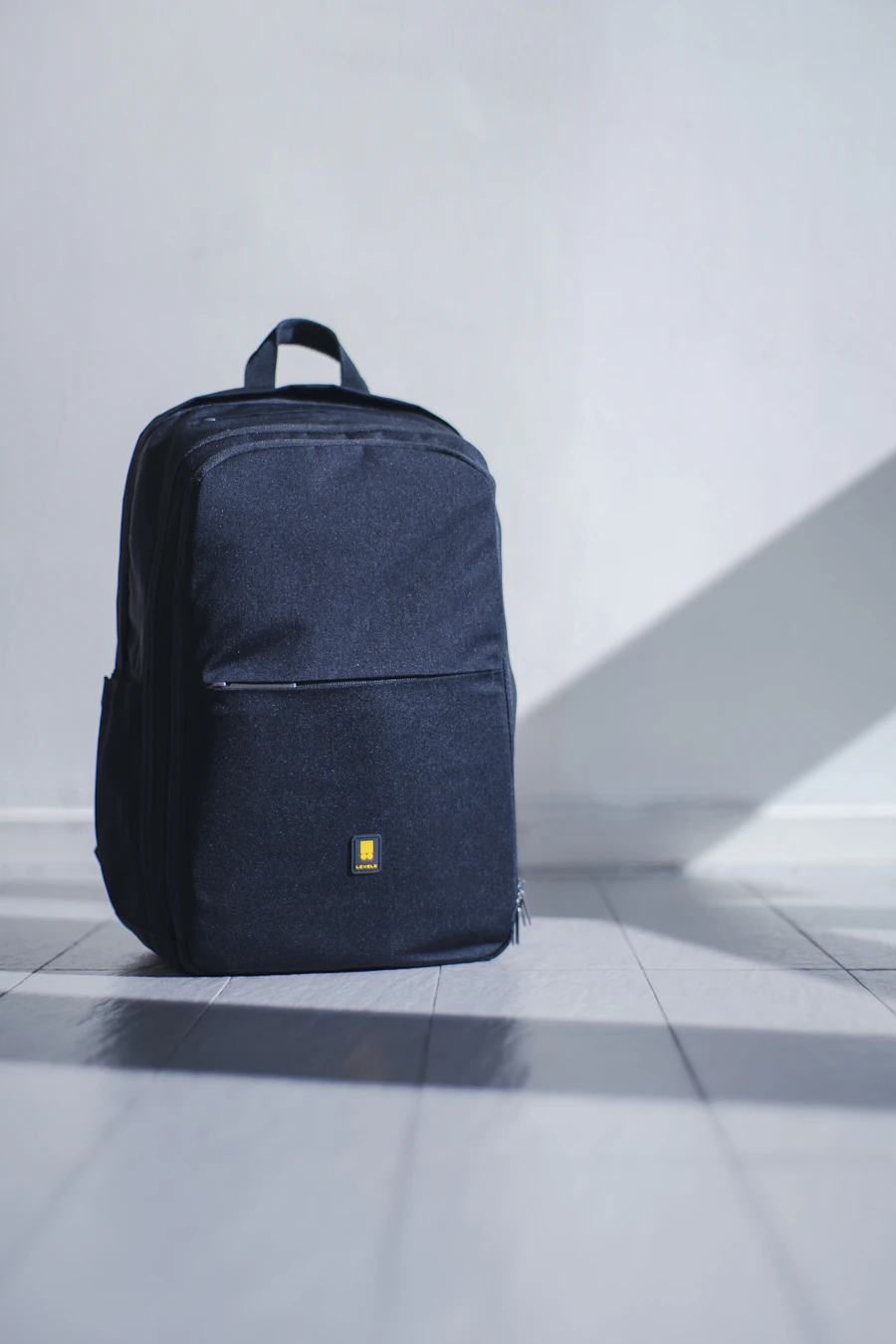
The backpack manufacturing industry has undergone a remarkable transformation over the past two decades. What was once a craft-based operation limited to small workshops has evolved into a sophisticated, technology-driven industry capable of producing millions of units annually while maintaining exceptional quality standards. This evolution has been driven by advances in material science, manufacturing automation, digital design tools, and the growing demand for customized products across global markets.
The Role of Technology in Modern Manufacturing
Modern backpack factories leverage computer-aided design (CAD) systems to create precise patterns that minimize material waste by up to 15%. Automated cutting machines use laser or blade technology guided by digital patterns to ensure every piece is cut with sub-millimeter accuracy. This level of precision was impossible to achieve with manual cutting methods and has fundamentally changed how manufacturers approach production planning.
Quality control has also been revolutionized by technology. Digital inspection systems can now detect stitching irregularities, material defects, and dimensional variances that would be invisible to the human eye. Junyuan Bags has invested heavily in these systems, achieving a defect rate below 0.3% compared to the industry average of 2-3%. This commitment to quality is reflected in our BSCI and ISO 9001:2015 certifications, which require rigorous annual audits and continuous improvement processes.
Market Dynamics and B2B Relationships
The B2B backpack market operates differently from consumer retail. Business relationships are built on trust, consistency, and the ability to scale production to meet fluctuating demand. Successful manufacturers must balance multiple priorities: maintaining competitive pricing while investing in quality improvements, offering flexible customization while achieving production efficiency, and meeting tight deadlines without compromising on the 8-point quality checks that define premium manufacturing.
At Junyuan Bags, we have refined this balance over 20 years of serving international clients. Our 8 production lines allow us to handle diverse orders simultaneously, from small batch custom runs of 300 units to large-scale production orders exceeding 50,000 pieces. This flexibility, combined with our 200+ experienced craftspeople, enables us to serve everyone from emerging DTC brands to established retail chains across 50+ countries.
Sustainability as a Competitive Advantage
Sustainability is no longer optional in the backpack industry. B2B buyers increasingly require manufacturers to demonstrate environmental responsibility through certifications, material sourcing transparency, and waste reduction programs. Manufacturers who embrace sustainability gain access to premium market segments and can command higher prices for verified eco-friendly products.
Our factory has implemented comprehensive sustainability practices including water recycling systems that reduce consumption by 45%, solar panels generating 30% of our electricity needs, and material optimization software that minimizes fabric waste during cutting. We work closely with certified material suppliers to offer recycled polyester (rPET), recycled nylon, organic cotton, and innovative bio-based materials to clients seeking sustainable product lines.
Key Considerations for B2B Buyers
When evaluating backpack manufacturing partners, B2B buyers should focus on several critical factors beyond pricing. Production capacity and scalability ensure the manufacturer can grow with your brand. Quality management systems and certifications provide assurance of consistent output. Communication capabilities and language support facilitate smooth collaboration across time zones. Sample development speed allows rapid iteration on designs. And supply chain transparency ensures ethical sourcing and reliable delivery timelines.
The relationship between brand and manufacturer is most successful when built on mutual understanding of each other's business goals. At Junyuan Bags, we invest time in understanding our clients' target markets, brand positioning, and quality expectations before beginning production. This consultative approach has resulted in long-term partnerships averaging 5+ years, with many clients increasing their order volumes year over year as their brands grow.
Understanding the Complete Manufacturing Workflow
A comprehensive understanding of the manufacturing workflow helps B2B buyers make informed decisions and set realistic expectations. The process begins with design consultation where client requirements are translated into technical specifications including dimensions, materials, colors, hardware, and functional features. This stage typically takes 3-5 days and results in a detailed Tech Pack that serves as the blueprint for production.
Pattern making follows design finalization. Experienced pattern makers create precise templates for each component of the backpack, accounting for seam allowances, material stretch, and assembly sequence. Digital pattern making software optimizes layout to minimize material waste, typically achieving 85-90% fabric utilization compared to 75-80% with manual methods. This optimization alone saves significant material costs across large production runs.
Material procurement and quality inspection runs parallel to pattern making. Raw materials are ordered from approved suppliers, received at the factory, and inspected against specifications before being released to production. This inspection includes verifying material weight, color accuracy, tensile strength, and chemical compliance. Materials that fail inspection are rejected and returned to suppliers, preventing quality issues from entering the production process.
The cutting department uses computer-guided machines to cut fabric pieces according to digital patterns. Each piece is labeled with batch numbers for traceability. Cut pieces move to the sewing department where skilled operators assemble the backpack using industrial sewing machines. A typical business backpack involves 80-120 individual sewing operations across 15-25 fabric pieces, requiring 25-40 minutes of skilled labor per unit.
Post-Production Value-Added Services
Beyond basic manufacturing, Junyuan Bags offers comprehensive post-production services that add value for B2B clients. Custom packaging design and production includes branded boxes, dust bags, hang tags, and care instruction cards. Product photography services provide professional images for e-commerce listings and marketing materials. Barcoding and labeling services ensure products are retail-ready upon arrival at distribution centers. Pre-shipment quality audits provide independent verification that orders meet specifications before shipping.
These value-added services transform Junyuan Bags from a simple manufacturer into a comprehensive supply chain partner. Clients benefit from reduced coordination complexity, faster time-to-market, and consistent quality across all deliverables. Our integrated approach means packaging, labeling, and quality documentation are produced alongside the products themselves, eliminating the delays that occur when these services are outsourced to separate vendors.
Building Long-Term Manufacturing Partnerships
The most successful B2B relationships in backpack manufacturing are built on partnership rather than transactional interactions. Brands that invest in understanding their manufacturer's capabilities, constraints, and strategic direction benefit from better pricing, priority scheduling, collaborative innovation, and proactive problem-solving. Manufacturers reward loyal clients with flexible payment terms, dedicated account management, and early access to new materials and technologies.
At Junyuan Bags, our average client relationship spans over 5 years, with our top clients partnering with us for more than a decade. This longevity reflects our commitment to mutual success. We share market intelligence with clients, alert them to material cost trends that may affect pricing, suggest design improvements based on production experience, and proactively identify opportunities for cost reduction without compromising quality. This partnership approach has helped many of our clients grow from startup brands ordering 500 units to established brands ordering 50,000+ units per season.
Quality Management Systems and Continuous Improvement
ISO 9001:2015 certification is the foundation of our quality management system, but our commitment to quality extends far beyond certification requirements. We employ dedicated quality engineers who conduct 8-point inspections at every critical production stage: incoming material inspection, pattern verification, cutting accuracy check, sub-assembly quality review, final assembly inspection, functional testing (zippers, buckles, straps), dimensional verification, and pre-shipment audit. Each inspection generates detailed reports with photographs that are shared with clients for transparency.
Our defect rate of less than 0.3% is achieved through a culture of quality that permeates every level of the organization. Production workers are trained to identify and report quality issues immediately rather than passing defects down the line. Statistical process control methods monitor production trends to identify potential issues before they generate defects. Root cause analysis is conducted for every quality incident, with corrective actions documented and shared across production teams to prevent recurrence. This systematic approach to quality management ensures that every backpack leaving our factory meets the highest standards, protecting both our reputation and our clients' brand equity.
Our continuous improvement program encourages suggestions from all employees, with a dedicated innovation team evaluating and implementing viable improvements. This bottom-up approach has generated hundreds of process improvements that collectively reduce costs, improve quality, and shorten lead times. Client feedback is systematically collected after every order and fed into our improvement process, ensuring that we continually evolve to meet changing market demands and client expectations.
Cost Optimization Without Compromising Quality
Cost management is a perpetual challenge in B2B backpack manufacturing. Clients want competitive pricing without sacrificing quality, and manufacturers must balance these demands against rising material costs and labor expenses. Successful cost optimization comes from intelligent engineering decisions rather than cutting corners on quality. Value engineering analyzes every component and process to identify cost reduction opportunities that do not affect product performance or durability.
Material optimization is the single largest cost lever. Using appropriate materials for each component rather than uniform premium materials throughout can reduce material costs by 20-30% while maintaining perceived quality. Construction simplification reduces sewing time and complexity without visible impact on the finished product. Standardized components across multiple designs allow bulk purchasing discounts and reduce inventory costs. Production process improvements, from better cutting layouts to optimized assembly sequences, cumulatively reduce per-unit costs by 5-15% annually. Junyuan Bags shares these savings with clients through competitive pricing that improves year over year as processes are refined.
Volume planning also impacts costs significantly. Orders placed 90+ days ahead of delivery benefit from better material pricing, flexible production scheduling, and the ability to consolidate shipments. Rush orders invariably cost more due to expedited material procurement, overtime labor, and premium shipping. Educating clients on optimal ordering timelines is part of our consultative approach, helping them achieve the best possible cost-performance balance for their specific business needs and market conditions.
Partnering with a certified manufacturer like Junyuan Bags ensures that your products meet international quality and social compliance standards. Our BSCI and ISO 9001:2015 certifications are validated through annual third-party audits, providing independent verification of our manufacturing excellence. This commitment to certified quality management gives B2B clients confidence that every order will meet specifications, deadlines, and budget requirements, enabling them to focus on growing their brands while we handle the manufacturing complexities with precision and professionalism.
Frequently Asked Questions
What is the minimum order quantity for custom backpack manufacturing?
Most B2B manufacturers require a minimum order of 300-500 units per design. Junyuan Bags offers flexible MOQ starting from 300 pieces, allowing brands to test markets before committing to larger production runs.
How long does the backpack manufacturing process take?
Standard production lead time is 30-45 days from design approval. This includes 7-10 days for sampling, 3-5 days for revisions, and 20-30 days for bulk production. Rush orders can be completed in 20-25 days with additional charges.
What materials are commonly used in men's backpack manufacturing?
Common materials include 600D-1680D polyester, ballistic nylon, canvas, recycled PET fabrics, and genuine or synthetic leather. The choice depends on the target market, price point, and intended use of the backpack.
What certifications should a backpack manufacturer have?
Key certifications include BSCI (Business Social Compliance Initiative), ISO 9001:2015 for quality management, OEKO-TEX for material safety, and REACH compliance for European markets. These ensure product quality and ethical manufacturing.
How do I ensure quality control in backpack manufacturing?
Implement a multi-stage QC process: raw material inspection, in-line production checks, pre-shipment inspection, and third-party testing. Junyuan Bags maintains a defect rate below 0.3% through rigorous 8-point quality checks at each production stage.