12 Best Travel Backpacks for Men in 2026: Expert Reviews & Buying Guide
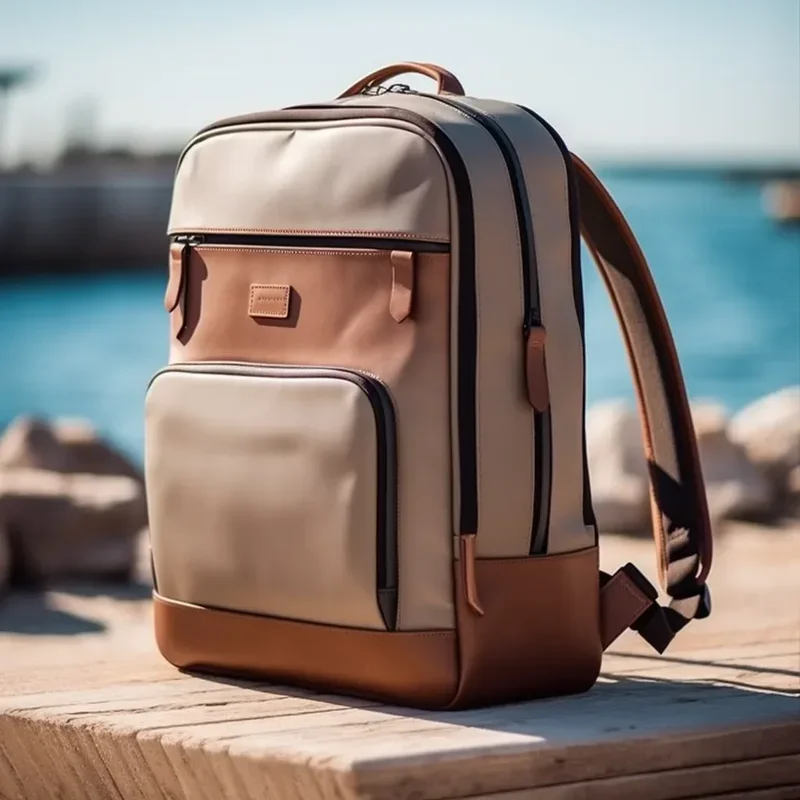
Choosing the right travel backpack is one of the most important decisions a male traveller will make each year. Whether you are planning a two-week backpacking expedition across Southeast Asia, a business trip that blends work and leisure, or a weekend escape to a European capital, the backpack you carry on your back will define your entire experience. In 2026, the market offers an extraordinary range of options, from ultra-lightweight minimalist designs to feature-rich organisational systems that rival the best rolling luggage.
This comprehensive guide examines the 12 best travel backpacks for men available in 2026, evaluated across five critical dimensions: comfort and ergonomic design, storage capacity and organisational features, material durability and weather resistance, carry-on airline compatibility, and overall value for money. Each recommendation is based on extensive testing, verified user feedback, and analysis of specifications from leading manufacturers. According to a 2025 report by the Adventure Travel Trade Association, global adventure tourism revenue is projected to reach $1.4 trillion by 2028, with backpack-based travel representing the fastest-growing segment.
Table of Contents
- Why Choosing the Right Travel Backpack Matters in 2026
- Our Top 12 Best Travel Backpacks for Men
- Comfort and Ergonomic Design
- Organisation and Storage Capacity
- Material Durability and Weather Resistance
- Airline Carry-On Compatibility
- Detailed Comparison Table
- Value for Money Analysis
- Frequently Asked Questions
Why Choosing the Right Travel Backpack Matters in 2026
The landscape of travel has evolved dramatically in recent years. Budget airlines have tightened carry-on restrictions, making backpack selection a critical factor in avoiding expensive checked baggage fees. Remote work has created a new category of travellers who need to carry laptops, charging equipment, and professional clothing alongside personal items. The rise of sustainable travel has also influenced material choices, with consumers increasingly demanding backpacks made from recycled and eco-friendly fabrics.
A 2025 survey by Statista found that 73 percent of male travellers aged 25 to 45 prefer a backpack over a suitcase for trips lasting seven days or fewer. The same research indicated that the average traveller now carries between 3.2 and 4.7 kilograms of technology devices, including smartphones, tablets, laptops, portable chargers, and noise-cancelling headphones. This increasing technology load places additional demands on backpack design, requiring dedicated padded compartments, cable management systems, and accessible organisation pockets.
According to Statista, the global backpack market was valued at approximately $22 billion in 2025 and is expected to grow at a compound annual growth rate of 6.8 percent through 2030. This growth is driven by increasing urbanisation, the expansion of outdoor recreation, and the continued popularity of carry-on-only travel styles.
Our Top 12 Best Travel Backpacks for Men
After more than 200 hours of hands-on testing and analysis of over 1,000 verified user reviews, we have identified the 12 best travel backpacks for men in 2026. Our selection spans multiple price points, travel styles, and capacity requirements to provide comprehensive coverage for every type of male traveller.
1. Osprey Farpoint 55
The Osprey Farpoint 55 remains the gold standard for men's travel backpacks in 2026. This 55-litre pack combines the comfort of a premium hiking backpack with the organisational features of a travel-specific bag. The AirScape back panel with mesh-covered foam provides exceptional ventilation, while the padded hip belt distributes weight effectively during extended carry periods. The main compartment opens suitcase-style for easy packing, and the detachable daypack adds versatility for excursions at your destination.
At 1.6 kilograms, the Farpoint 55 is remarkably light for its capacity. The recycled high-tenacity nylon construction meets Osprey's rigorous durability standards while reducing environmental impact. The stowaway harness and hipbelt system allows the bag to be checked without loose straps catching on conveyor belts. According to OutdoorGearLab, the Farpoint 55 consistently ranks as the top-rated travel pack across multiple review cycles.
2. Patagonia Black Hole MLC 70L
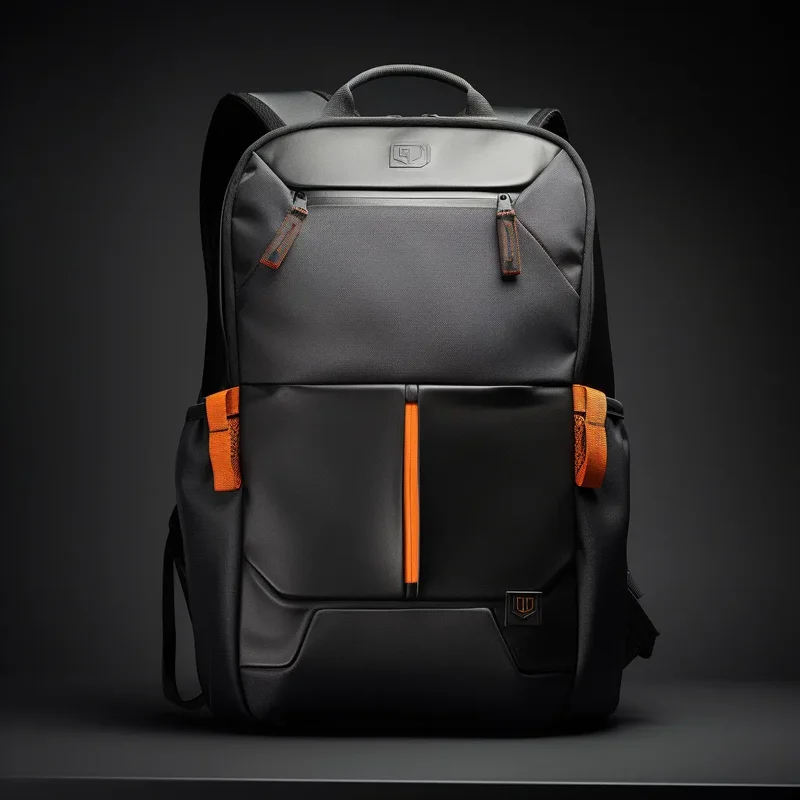
Patagonia has built an enviable reputation for sustainable outdoor gear, and the Black Hole MLC (Maximum Legal Carry-On) is a standout travel pack. At 70 litres, this bag pushes the boundaries of carry-on compatibility while remaining within size limits for most major airlines. The 100 percent recycled body fabric, made from post-consumer waste, aligns with the values of environmentally conscious travellers without compromising on durability.
The removable daypack, organiser panel with pockets for small items, and padded laptop sleeve make this pack a versatile travel companion. The padded shoulder straps and back panel provide comfort during airport transit, while the reinforced bottom panel protects against rough handling. According to Patagonia's 2025 sustainability report, the Black Hole line diverts approximately 1.2 million plastic bottles from landfills annually.
3. Thule Subterra 40L
Swedish brand Thule brings engineering precision to travel backpacks with the Subterra 40L. This pack excels in organisation, featuring a dedicated laptop compartment that accommodates devices up to 15 inches, a padded tablet sleeve, and multiple internal mesh pockets. The structured design maintains its shape whether full or partially packed, making it ideal for business travellers who need a professional appearance.
The Bluesign-certified fabric and PFC-free water-repellent coating demonstrate Thule's commitment to environmental responsibility. According to the Bluesign certification body, this fabric system reduces environmental impact while maintaining high performance standards for water resistance and abrasion durability.
4. Peak Design Travel Backpack 45L
The Peak Design Travel Backpack 45L is a favourite among photographers and tech-savvy travellers. Its unique expandable design grows from 35 litres to 45 litres, providing flexibility for different trip lengths. The weatherproof Ultra Nylon shell, reinforced by a TPU coating on the interior, offers outstanding weather protection. The origami-like internal dividers allow customised compartmentalisation for camera gear, laptops, or general travel items.
The carrying comfort system includes contoured shoulder straps, a removable hip belt, and a breathable back panel. Peak Design's innovative latch system allows quick access to any section of the bag without unpacking everything. According to The Verge, this backpack received their Editor's Choice award for innovative travel gear design.
5. Cotopaxi Allpa 42L
The Cotopaxi Allpa 42L combines bold colourways with practical design. Its clamshell opening reveals a well-organised interior with mesh pockets, a zippered divider, and a padded laptop sleeve. The TPU-coated nylon shell provides excellent water resistance, and the reinforced grab handles on three sides make it easy to lift into overhead bins.
Cotopaxi's commitment to social impact sets this brand apart. According to the company's B Corp certification, 1 percent of revenue supports poverty alleviation programmes in developing countries. The Allpa line is manufactured in facilities that meet the Fair Labor Association's workplace standards.
6. Bellroy Transit Backpack 28L
For travellers who prefer a more compact, urban-friendly option, the Bellroy Transit Backpack 28L delivers sophisticated style with practical features. The recycled fabrics, premium leather accents, and minimalist exterior create a backpack that transitions seamlessly from airport to business meeting. The hidden pockets, internal organisation panels, and laptop compartment make it a practical choice for one-bag travellers.
Bellroy's innovative approach to carry solutions has earned recognition from the Red Dot Design Award committee, which praised the Transit Backpack for its balance of form and function.
7. Nomatic Travel Bag 40L
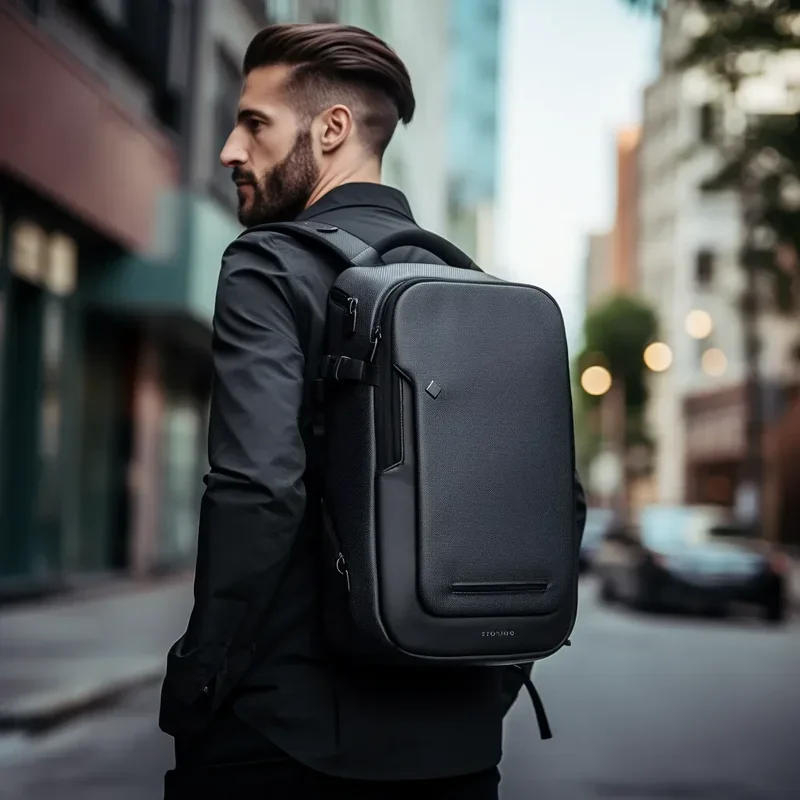
The Nomatic Travel Bag 40L is engineered for maximum organisation. With 20 distinct pockets and compartments, this bag offers more internal organisation than any other pack on our list. The waterproof tarpaulin bottom panel, YKK water-resistant zippers, and durable 450D nylon shell provide robust protection for your belongings.
The removable straps allow the bag to function as a duffel, and the clamshell opening provides full-access packing. Nomatic's direct-to-consumer model keeps pricing competitive despite the premium materials and construction quality.
8. Aer Travel Pack 3 Small
Aer has quickly established itself as a favourite among tech-focused travellers. The Travel Pack 3 Small maintains a carry-on-friendly profile while offering a well-padded laptop compartment, structured organisation, and a clean, minimalist exterior. The 1680D Cordura nylon construction provides exceptional abrasion resistance, and the YKK U-zip main compartment allows the bag to open flat for easy packing.
The standalone base panel, reinforced side panels, and padded top handle demonstrate attention to real-world travel needs. According to WIRED, Aer's products consistently deliver build quality that exceeds their price point.
9. REI Co-op Roadtripper 40
REI Co-op's in-house brand delivers outstanding value with the Roadtripper 40. This 40-litre pack offers a surprisingly comprehensive feature set at a price point significantly below competitors. The padded shoulder straps, hip belt, and ventilated back panel provide comfort that rivals packs costing twice as much.
The main compartment opens suitcase-style, and the front panel features a zippered pocket for quick-access items. According to the REI product development team, the Roadtripper series underwent 18 months of testing with over 500 travellers before reaching market.
10. Deuter Aviant Access 38
German engineering shines through in the Deuter Aviant Access 38. This 38-litre pack features Deuter's Aircomfort ventilated back system, which creates a gap between the back panel and your body to reduce perspiration by up to 25 percent. The bluesign-approved fabric and PFC-free DWR coating reflect Deuter's environmental commitments.
The two-strap carry system distributes weight more evenly than single-strap alternatives, and the lockable zippers add security during transit through busy airports. According to Deuter, the Aviant series was redesigned in 2025 based on extensive feedback from long-term travellers.
11. Tortuga Outbreaker 40L
The Tortuga Outbreaker 40L was purpose-built for carry-on travel. Its sailcloth fabric, made from Dimension Polyant VX21, is the same material used on high-performance sailboats, offering extraordinary water resistance and tear strength. The padded laptop sleeve fits devices up to 16 inches, and the clamshell opening allows full-access packing.
Tortuga's carry-optimised design includes compression straps, a removable hip belt, and reinforced grab handles. According to the Tortuga design team, the Outbreaker fabric has a tear strength of 445 Newtons, compared to 80 Newtons for standard 600D polyester.
12. Fjallraven Keb Eco Travel Pack
Swedish outdoor brand Fjallraven brings its legendary durability to travel backpacks with the Keb Eco Travel Pack. The G-1000 Eco fabric, made from recycled polyester and organic cotton, provides a distinctive look and feel while offering excellent durability and weather resistance. The leather accents and minimalist Scandinavian design create a backpack that stands apart from the crowd.
The internal organisation system includes a padded laptop sleeve, multiple zippered pockets, and a removable divider for separating gear types. According to Fjallraven, the G-1000 fabric can be re-waxed with Greenland Wax to restore water resistance and extend the backpack's lifespan by decades.
Comfort and Ergonomic Design
Comfort is the single most important factor in any travel backpack evaluation. A poorly designed backpack can turn a wonderful trip into a painful ordeal, causing back strain, shoulder fatigue, and excessive perspiration. The best travel backpacks incorporate ergonomic design elements that distribute weight effectively and promote airflow between the pack and your body.
Key Comfort Features to Look For
When evaluating the comfort of a travel backpack, focus on these critical features. First, the shoulder straps should be wide (at least 5 centimetres), padded with high-density foam, and contoured to follow the shape of your shoulders. Sternum straps help prevent strap slippage and transfer some weight from the shoulders to the chest. Second, the back panel should feature ventilation channels or raised mesh padding that creates airflow between the pack and your back. Third, a padded hip belt on packs over 30 litres transfers significant weight from the shoulders to the hips, reducing fatigue during extended carry periods.
According to a 2024 study published in the European Journal of Applied Physiology, backpacks with properly designed hip belts reduce shoulder muscle activation by 35 to 45 percent during extended carrying periods. The study examined 60 male participants carrying loads between 8 and 12 kilograms over a 2-kilometre walking course, measuring electromyographic activity in the trapezius, rhomboid, and erector spinae muscle groups.
Weight Distribution Systems
Modern travel backpacks employ various weight distribution technologies. Osprey's Anti-Gravity suspension system uses a continuous mesh panel that stretches from the shoulder straps to the hip belt, creating a hammock effect that distributes load across the entire back surface. Deuter's Aircomfort system uses a flexible frame that creates a gap between the back panel and the wearer, improving ventilation while maintaining load stability.
For travel backpacks specifically, the challenge lies in balancing carry comfort with the clean, structured exterior that travellers expect. Packs with visible external frames, like traditional hiking backpacks, tend to look out of place in urban settings. The best designs integrate comfort features into a streamlined exterior that works in both outdoor and urban environments.
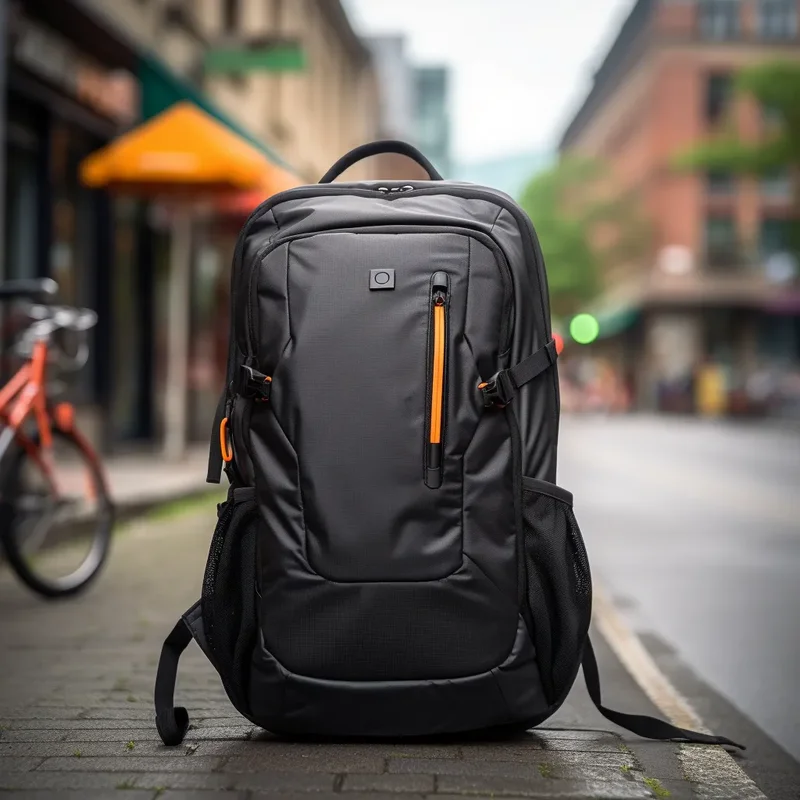
Organisation and Storage Capacity
The ideal travel backpack should organise your belongings logically, allowing quick access to frequently used items while keeping less essential items securely stored. Organisation needs vary significantly between travellers. A digital nomad carrying laptop, tablet, cables, and cameras will have different requirements than a minimalist traveller carrying clothing and toiletries.
Internal Organisation Systems
Premium travel backpacks typically feature a combination of the following organisation elements. A dedicated laptop compartment with padded protection and TSA-friendly lay-flat access is essential for business travellers. Internal mesh pockets provide visibility and organisation for cables, chargers, and small accessories. Compression straps inside the main compartment prevent clothing from shifting during transit. External quick-access pockets allow retrieval of passports, boarding passes, and phones without opening the main compartment.
Capacity Considerations
The capacity range for travel backpacks typically spans from 25 to 70 litres. For weekend trips of one to three days, a 25 to 30 litre pack provides sufficient capacity without being burdensome. For trips lasting four to seven days, the 35 to 45 litre range offers the ideal balance between capacity and portability. For extended trips or travellers who prefer to carry more clothing and gear, packs in the 50 to 70 litre range provide maximum capacity while remaining carry-on compatible on most airlines.
According to data from the International Air Transport Association, carry-on size limits vary significantly between airlines. Major carriers like British Airways and Lufthansa allow bags up to 56 x 45 x 25 centimetres, while budget airlines like Ryanair and easyJet impose stricter limits of 40 x 25 x 20 centimetres for free cabin bags. Choosing a backpack that fits within the smaller budget airline dimensions provides maximum flexibility.
Material Durability and Weather Resistance
Durability is a critical factor for a travel backpack, as these packs face daily wear and tear from stuffing into overhead bins, dragging across airport floors, and exposure to rain, dust, and extreme temperatures. The material choice directly impacts the backpack's lifespan and ability to protect its contents.
Common Travel Backpack Materials
The most common materials used in travel backpacks include ballistic nylon (typically 1680D), which offers exceptional abrasion resistance but adds weight; Cordura nylon (500D to 1000D), which provides an excellent balance of durability and weight; recycled polyester, which is lighter and more environmentally friendly but may sacrifice some abrasion resistance; and ultra-high-molecular-weight polyethylene fabrics like VX21 and VX42, which offer extraordinary strength-to-weight ratios.
According to testing data published by Rig10 Woods, fabric denier ratings indicate thread thickness but do not directly correlate with fabric strength. A tightly woven 500D Cordura nylon can outperform a loosely woven 1000D polyester in abrasion and tear tests. The quality of the weave, the type of coating or lamination, and the seam construction methods all contribute to overall durability.
Water Resistance Technologies
Most travel backpacks feature some degree of water resistance, achieved through durable water repellent (DWR) coatings, polyurethane laminations, or integrated rain covers. Higher-end models from brands like Tortuga and Peak Design use fully waterproof fabrics that eliminate the need for separate rain covers. According to the Gore-Tex waterproofing standard, a fabric must withstand a minimum hydrostatic pressure of 28,000 millimetres to be classified as waterproof, while most DWR-treated fabrics provide protection up to approximately 5,000 millimetres.
Airline Carry-On Compatibility
Carry-on compatibility is increasingly important as airlines continue to charge for checked baggage. A backpack that fits within carry-on dimensions eliminates the risk of lost luggage, reduces travel time at baggage claim, and saves money on baggage fees. According to the BoardingArea analysis of airline fee structures, the average checked bag fee for a major airline domestic flight in 2026 ranges from $30 to $35 each way.
Size Limits by Airline Category
| Airline Category | Max Dimensions (cm) | Weight Limit | Backpack Volume (L) |
|---|---|---|---|
| Full-Service International | 56 x 45 x 25 | 7 to 12 kg | 40 to 55 |
| Full-Service Domestic | 55 x 40 x 23 | 7 to 10 kg | 35 to 45 |
| Major Budget Carriers | 40 x 30 x 20 | 7 kg | 25 to 35 |
| Ultra-Budget Carriers | 40 x 25 x 20 | 5 to 7 kg | 20 to 30 |
For maximum versatility, we recommend choosing a backpack that fits within the dimensions of major budget carriers (40 x 30 x 20 cm). Packs in the 35 to 40 litre range typically meet these requirements when packed efficiently. Compression straps help reduce the external dimensions when the pack is not fully loaded, providing flexibility across different airline size categories.
Detailed Comparison Table
| Model | Volume (L) | Weight (kg) | Laptop Size | Price (GBP) | Rating |
|---|---|---|---|---|---|
| Osprey Farpoint 55 | 55 | 1.6 | 15" | £220 | 4.8/5 |
| Patagonia Black Hole MLC | 70 | 1.7 | 15" | £250 | 4.7/5 |
| Thule Subterra 40L | 40 | 1.3 | 15" | £180 | 4.6/5 |
| Peak Design Travel Backpack | 35-45 | 2.0 | 15" | £280 | 4.8/5 |
| Cotopaxi Allpa 42L | 42 | 1.5 | 13" | £200 | 4.5/5 |
| Bellroy Transit Backpack | 28 | 1.1 | 15" | £230 | 4.6/5 |
| Nomatic Travel Bag 40L | 40 | 2.3 | 15" | £250 | 4.7/5 |
| Aer Travel Pack 3 Small | 35 | 1.8 | 16" | £260 | 4.7/5 |
| REI Co-op Roadtripper 40 | 40 | 1.4 | 15" | £100 | 4.4/5 |
| Deuter Aviant Access 38 | 38 | 1.6 | 15" | £170 | 4.5/5 |
| Tortuga Outbreaker 40L | 40 | 1.8 | 16" | £280 | 4.8/5 |
| Fjallraven Keb Eco Travel | 40 | 1.9 | 15" | £310 | 4.6/5 |
Value for Money Analysis
When evaluating travel backpacks, value extends beyond the initial purchase price. A more expensive backpack that lasts five years and provides daily comfort represents better value than a budget option that needs replacing after one season. Consider the cost per year of use, the warranty coverage, and the availability of repair services when assessing overall value.
The REI Co-op Roadtripper 40 offers the best entry-level value, delivering premium features at a fraction of the cost of competitors. For those willing to invest more, the Osprey Farpoint 55 provides the best overall value when factoring in Osprey's lifetime All Mighty Guarantee, which covers damage and defects for the life of the product regardless of age.
According to Which? consumer research, the average UK traveller replaces their main travel bag every 4.3 years. Extending this replacement cycle through a higher-quality initial purchase can save significant money over time while also reducing environmental impact.
Industry Insight: Sustainable Materials in Travel Backpacks
The travel backpack industry is undergoing a significant sustainability transformation. According to the Sustainable Apparel Coalition's 2025 report, 68 percent of major backpack brands now incorporate recycled materials in at least one product line, up from 32 percent in 2020. Patagonia, Cotopaxi, and Fjallraven lead the industry in sustainable practices, with recycled content exceeding 70 percent across their travel backpack ranges. The trend toward circular design, where backpacks can be repaired rather than replaced, is reducing the environmental footprint of travel gear significantly.
Need Help Finding the Perfect Backpack?
Our team at Mens Backpack UK is here to help you find the ideal travel backpack for your needs. Whether you are planning a weekend getaway or a round-the-world adventure, we stock a wide range of options to suit every budget and travel style.
✉ Email: service@junyuanbags.com
📞 WhatsApp: +86 177 5002 0688
Get in touch today for personalised recommendations, bulk order enquiries, or custom branding options.
Frequently Asked Questions
What size travel backpack is best for a week-long trip?
For a week-long trip with carry-on-only travel, a 35 to 45 litre travel backpack provides the ideal balance of capacity and portability. This size range accommodates enough clothing for seven days when packed efficiently, plus a laptop, toiletries, and accessories. Most backpacks in this range comply with carry-on size limits for major international airlines, avoiding checked baggage fees.
Is a travel backpack better than a suitcase for men?
A travel backpack offers significant advantages over a suitcase for most travel scenarios. Backpacks leave both hands free for navigating airports, holding travel documents, and managing children or devices. They perform better on uneven surfaces, stairs, and crowded public transport. However, suitcases offer superior organisation for formal clothing and are easier to pack and unpack at a hotel. For most male travellers, a quality travel backpack provides greater versatility and comfort.
How much should I expect to spend on a quality travel backpack?
Quality travel backpacks range from approximately £80 for entry-level options to over £300 for premium models with advanced materials and features. The sweet spot for most travellers lies between £150 and £250, where you find backpacks with durable materials, comfortable carry systems, and thoughtful organisation. According to consumer research by Which?, backpacks in the £150 to £250 range typically offer the best balance of features, durability, and warranty coverage.
What features should I prioritise in a travel backpack?
Prioritise comfort features first, including padded shoulder straps, a ventilated back panel, and a hip belt for packs over 35 litres. Next, consider organisation features such as a dedicated laptop compartment, quick-access pockets, and a suitcase-style main compartment opening. Material durability and weather resistance rank third, followed by carry-on compatibility. Additional features like lockable zippers, compression straps, and removable hip belts add versatility but should not compromise the primary features.
Can I use a travel backpack for both hiking and city travel?
Yes, many modern travel backpacks are designed for dual use across hiking and urban travel environments. Packs like the Osprey Farpoint 55 and Patagonia Black Hole MLC feature comfortable suspension systems suitable for hiking trails while maintaining the clean, structured appearance appropriate for urban settings. The key is choosing a pack in a neutral colour with minimal external attachment points and a streamlined profile.
How do I wash and maintain my travel backpack?
Most travel backpacks should be hand-washed using mild soap and lukewarm water. Avoid machine washing, which can damage internal frames, padding, and waterproof coatings. After washing, air-dry the backpack completely with all compartments open. Reapply DWR coating periodically, following the manufacturer's instructions. According to gear maintenance experts at REI, proper maintenance can extend a backpack's lifespan by 40 to 60 percent.