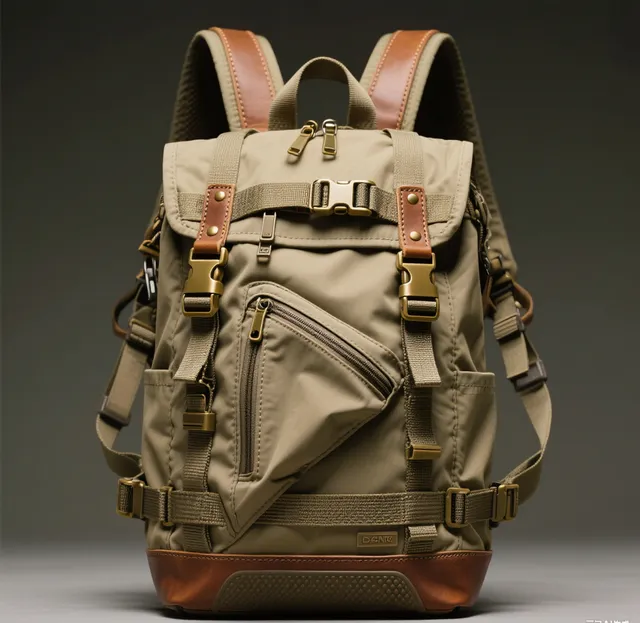
Day hiking should feel effortless, and your backpack should be the last thing on your mind. A well-chosen lightweight day pack disappears on your back, keeping your essentials organized and accessible without adding meaningful weight to your adventure. After testing dozens of packs under 30 litres across trails in the UK, the Alps, and the American Southwest, we have identified six standout performers that nail the weight-to-features balance.
Day hiking presents unique requirements that differ significantly from multi-day backpacking. You need quick access to snacks, layers, and water without the complexity of sleeping bag compartments and food carries. Your pack needs to be light enough that you barely notice it on moderate terrain yet structured enough to keep contents organized and prevent shifting on steeper descents.
The weight spectrum: Day hiking packs under 30L range from 0.9 pounds (barely-there ultralight) to 2.8 pounds (feature-rich). Our testing found that packs between 1.2 and 1.8 pounds offer the best balance: light enough to feel nimble while retaining enough padding and structure for all-day comfort with typical loads of 10-20 pounds.
Day Hiking Pack Requirements: What Matters for Single-Day Trips
Day hiking packs differ from their multi-day counterparts in several important ways. Understanding these differences helps you prioritize features that genuinely improve your hiking experience versus those that add weight without benefit. Unlike backpacking packs that must accommodate bulky sleep systems, cooking equipment, and multi-day food supplies, day packs focus on quick access to frequently needed items while maintaining a low profile that does not interfere with your natural walking stride or balance on technical terrain.
The ideal day pack should feel like an extension of your body rather than a separate burden. When loaded with typical day hiking gear weighing ten to fifteen pounds, the pack should remain stable during dynamic movement including descending steep slopes, crossing stream beds, and scrambling over boulders. Excessive bounce or shift indicates poor fit or inadequate stabilization features. The best lightweight day packs achieve stability through a combination of close-fitting back panels, contoured shoulder straps, and minimal but effective hip belts that prevent vertical movement without adding bulk or weight.
Capacity Sweet Spot
The ideal day hiking pack provides 20-28 litres of usable space. This accommodates your Ten Essentials (water, food, extra clothing, first aid, navigation, sun protection, headlamp, fire starter, repair kit, and emergency shelter) plus a few personal comfort items. Packs under 20 litres work for ultralight fast-hikers who carry minimalist kits; packs over 28 litres risk encouraging overpacking that adds unnecessary weight.
Access and Organization
Day hiking demands frequent access to water, snacks, sunscreen, and layers. Look for hip belt pockets that accommodate a phone, top lid pockets for quick-grab items, and stretchy side pockets for water bottles. Front shove-it pockets excel for storing rain jackets or maps without opening the main compartment. The best day packs let you access anything you need without removing the pack.
Ventilation Priority
Day hiking involves sustained aerobic activity that generates body heat. A well-ventilated back panel prevents the sweat-soaked shirt that plagues hikers with foam-panel designs. Suspended mesh systems create airflow channels that keep your back cooler and drier. For summer hiking and warm climates, ventilation should be a top priority.
1. Osprey Talon 22 — Best Overall Day Hiking Pack
Osprey Talon 22
The Osprey Talon 22 has dominated the lightweight day pack category for years, and the 2026 iteration only strengthens its lead. The AirScape back panel with BioStretch harness provides a suspension system that rivals much larger packs, moving fluidly with your body on technical terrain while maintaining ventilation. At 1.4 pounds, it is light enough for fast hiking yet structured enough for loads up to 20 pounds.
Pros
- Outstanding suspension for the weight
- Excellent ventilation
- Stow-on-the-Go trekking pole attachment
- Zippered hip belt pockets
- LidLock helmet attachment
- Osprey All Mighty Guarantee
Cons
- Not ideal for loads over 22 lbs
- Smaller capacity limits winter use
- Premium price for the category
What makes the Talon 22 exceptional is its ability to feel comfortable across a wide range of activities. We tested it on fast-paced ridge walks, casual nature hikes, and scrambling routes in the Lake District. The BioStretch harness allows the hip belt and shoulder straps to move independently, reducing pressure points when your body twists and bends on uneven ground. The ventilation is among the best in the category, keeping backs noticeably cooler than solid foam designs.
2. Deuter Speed Lite 20 — Best Compact Day Pack
Deuter Speed Lite 20
Deuter's Speed Lite 20 targets hikers who want minimal weight without sacrificing the brand's legendary build quality. At just 1.15 pounds, it is among the lightest packs that still include a proper hip belt and padded shoulder straps. The Airstripes back system uses ridged foam channels to create airflow while maintaining close body contact for stability on scrambles.
Pros
- Extremely light for features offered
- Close-carry stability
- German build quality
- Good ventilation channels
- Removable hip belt
- Helmet attachment
Cons
- Limited capacity for longer day hikes
- Fewer organization pockets
- Narrower hip belt padding
The Speed Lite 20 shines as a fast-and-light day pack for hikers who prioritize speed and agility. Its close-carry design keeps the load stable during dynamic movement, making it ideal for scrambling and exposed terrain. The removable hip belt lets you strip even more weight for summit pushes or via ferrata sections.
3. REI Co-op Trail 25 — Best Value Day Pack
REI Co-op Trail 25
The REI Co-op Trail 25 delivers remarkable features at a price that undercuts established competitors by 30-40 percent. With 25 litres of well-organized space, a ventilated back panel, and a padded hip belt, it provides everything a day hiker needs without the premium brand tax. The build quality exceeds expectations for its price range, with reinforced stress points and quality zippers that hold up to regular use.
Pros
- Excellent price-to-features ratio
- Well-organized pocket layout
- Included rain cover
- Comfortable hip belt
- Good ventilation
- REI warranty support
Cons
- Slightly heavier than premium options
- Back panel not as ventilated as suspended mesh
- Hip belt pockets could be larger
The Trail 25 represents REI's house brand at its best: thoughtful design that addresses real day-hiking needs at prices that make quality accessible. The included rain cover is a practical addition that competitors at higher price points sometimes omit. Organization includes a dedicated hydration sleeve, front stretch pocket, two side water bottle pockets, and a top lid pocket with key clip.

4. Patagonia Ascensionist 25L — Best Alpine Day Pack
Patagonia Ascensionist 25L
Bridging the gap between hiking and alpine climbing, the Ascensionist 25L features technical attachment points for ice tools and helmets that make it ideal for mixed terrain adventures. The 420D nylon ripstop fabric is significantly more abrasion-resistant than most day packs in this weight class, handling contact with rock and ice without concern. At 2.0 pounds, it trades some weight for the durability that alpine environments demand.
Pros
- Exceptional abrasion resistance
- Helmet carry system
- Ice axe attachment points
- Recycled materials throughout
- Durable construction
Cons
- Heavier than hiking-specific packs
- Less ventilation than mesh designs
- Higher price point
5. Gregory Nano 20 — Best Organization Day Pack
Gregory Nano 20
The Gregory Nano 20 earns its reputation as the most organized day pack in the category. With a dedicated laptop sleeve, sunglasses-safe top pocket, angled side water bottle pockets that are actually reachable while wearing the pack, and a front panel organizer for small items, it excels at keeping everything in its place. The CrossFlo ventilation system uses suspended mesh to provide airflow comparable to larger packs.
Pros
- Excellent organization and pockets
- Good ventilation with mesh back
- Reachable water bottle pockets
- Sunglasses-safe fleece-lined top pocket
- Lightweight for features
Cons
- 20L may be tight for winter day hikes
- Hip belt is minimal
- Not ideal for heavy loads
Gregory's attention to pocket design sets the Nano 20 apart. The angled side pockets are positioned so you can reach water bottles without removing the pack, a feature that sounds minor but becomes invaluable over a full day of hiking. The fleece-lined top pocket protects sunglasses and phones from scratches, while the front panel organizer keeps small items like lip balm, snacks, and a compass within easy reach.
6. The North Face Jester — Best Entry-Level Day Pack
The North Face Jester
The Jester occupies the entry point for hikers who want a genuine hiking pack without the investment of premium models. At an accessible price, it provides 28 litres of capacity, a padded hip belt, and flexible shoulder straps that deliver surprising comfort for the category. The design is simple and straightforward, making it ideal for new hikers still learning their preferences.
Pros
- Generous capacity for the price
- Padded hip belt
- Durable 600D fabric
- Good for beginners
- Simple, intuitive design
Cons
- Heavier than premium alternatives
- Basic ventilation
- Less sophisticated suspension
- Bulkier profile
The Jester's strength lies in its generous 28-litre capacity at a weight that remains manageable for day hiking. The 600D polyester fabric is notably more abrasion-resistant than the thinner nylon used in premium packs, making it ideal for hikers who are rough on gear or regularly bushwhack through dense vegetation.
Ultralight vs. Feature-Rich: Choosing Your Day Pack Philosophy
The lightweight day pack market divides into two distinct camps, each with legitimate arguments. Understanding this divide helps you choose the pack philosophy that aligns with your hiking style.
The Ultralight Camp (Under 1.2 lbs)
Ultralight day packs sacrifice padding, organization, and structure to achieve the lowest possible weight. They work beautifully for fast hikers carrying minimalist kits of 8-12 pounds. The trade-off is reduced comfort under heavier loads and fewer pockets for organization. These packs appeal to trail runners, fast-hikers, and gram-counters who view every ounce through the lens of total effort over distance.
The Feature-Rich Camp (1.5-2.5 lbs)
Feature-rich day packs retain padding, ventilation systems, hip belts, and multiple pockets that enhance the hiking experience. They handle loads of 15-20+ pounds comfortably and keep gear organized and accessible. The weight penalty (typically 0.5-1.0 lbs over ultralight options) translates to enhanced comfort and convenience that many hikers consider worthwhile for full-day adventures.
Our Recommendation
For most hikers, we recommend the feature-rich approach in the 1.2-1.8 pound range. The slight weight increase over ultralight options provides meaningfully better comfort, ventilation, and organization. The packs in our selection (Talon 22, Trail 25, Nano 20) all fall in this range and deliver all-day comfort that ultralight alternatives sacrifice. However, if you are committed to maximizing performance on fast hikes under two hours with minimal gear, an ultralight pack under one pound eliminates weight penalty entirely and provides the closest possible carry experience to hiking without a pack at all.
Weight Breakdown: Where Day Pack Grams Come From
| Component | Ultralight Pack | Standard Day Pack | Feature-Rich Pack |
|---|---|---|---|
| Back panel | 1-2 oz (foam sheet) | 4-6 oz (mesh system) | 6-10 oz (suspended mesh) |
| Hip belt | 0-1 oz (webbing) | 3-5 oz (padded) | 5-8 oz (substantial padding) |
| Shoulder straps | 2-3 oz (thin foam) | 4-6 oz (contoured) | 6-8 oz (multi-density) |
| Frame/stays | 0 oz (frameless) | 2-4 oz (framesheet) | 4-8 oz (perimeter frame) |
| Fabric | 3-5 oz (thin ripstop) | 6-8 oz (mid-weight) | 8-12 oz (heavy-duty) |
| Total empty weight | 8-16 oz | 18-24 oz | 24-32 oz |
Essential Day Hiking Gear and How It Fits
Understanding what a day hiking pack must carry helps you choose the right capacity. The Ten Essentials, originally developed by The Mountaineers climbing organization, provide a comprehensive gear list that applies to all hiking conditions. Water ranks as your heaviest consumable at approximately 2.2 pounds per litre. For a four-hour hike in moderate temperatures, two litres (4.4 pounds) provides adequate hydration. In hot weather or high exertion, three litres becomes the minimum. Your pack must accommodate this weight plus food, layers, and safety equipment.
Food requirements vary with hike duration and intensity. A typical day hike burns 2,500-3,500 calories, requiring 500-800 calories per hour of hiking energy-dense snacks like trail mix, energy bars, and dried fruit. This food typically occupies one to two litres of pack space. Extra clothing for changing weather conditions adds another two to three litres: a lightweight rain jacket, an insulating mid-layer, and a hat or buff. Your first aid kit, navigation tools, headlamp, and emergency items collectively occupy approximately one litre. Total gear volume for a standard day hike ranges from eight to fifteen litres, leaving room in a 20-25 litre pack for personal items like a camera, guidebook, or extra snacks.
Day Pack Care and Maintenance
Even lightweight day packs benefit from proper maintenance that extends their useful life. After each hike, empty all pockets and shake out crumbs, dirt, and debris. If your hydration bladder has been used, rinse it with clean water and allow it to dry completely with the mouthpiece open. Mold and bacterial growth in hydration systems is the most common maintenance issue with day packs. For packs with mesh back panels, brush away dirt that accumulates in the mesh weave, as this reduces ventilation effectiveness over time.
Wash your day pack every four to six hikes using mild soap and lukewarm water. Never machine wash a hiking backpack, as the agitation damages frame components and delaminates waterproof coatings. Instead, use a soft sponge or cloth to clean the exterior and interior, paying particular attention to the hip belt and shoulder straps where sweat and body oils accumulate. Rinse thoroughly and air dry away from direct sunlight. Apply DWR treatment to the pack fabric annually to maintain water repellency on packs that do not have waterproof laminates.
Seasonal Considerations for Day Pack Selection
Day hiking requirements shift significantly between seasons, and this affects your pack choice. Summer hiking demands maximum ventilation and sun protection, making mesh back panel packs like the Talon 22 or Nano 20 the optimal choice. Winter hiking adds bulk from extra insulation layers, a larger water capacity (to prevent freezing), and potentially snowshoes or traction devices. For winter use, a 25-30 litre pack provides the necessary additional space. Some hikers solve this by owning two day packs: a 20L for summer and a 28L for winter. However, a 25-litre pack often provides the best compromise for year-round use.
Comparison Table: Lightweight Day Hiking Backpacks
| Pack | Capacity | Weight | Back Panel | Best For | Price Range |
|---|---|---|---|---|---|
| Osprey Talon 22 | 22L | 1.4 lbs | AirScape mesh | Overall day hiking | $130-150 |
| Deuter Speed Lite 20 | 20L | 1.15 lbs | Airstripes foam | Fast and light | $110-130 |
| REI Co-op Trail 25 | 25L | 1.55 lbs | Ventilated mesh | Best value | $80-100 |
| Patagonia Ascensionist 25L | 25L | 2.0 lbs | Foam panel | Alpine day hikes | $140-160 |
| Gregory Nano 20 | 20L | 1.35 lbs | CrossFlo mesh | Organization | $90-110 |
| The North Face Jester | 28L | 1.76 lbs | Foam channels | Entry-level | $70-90 |
FAQ: Lightweight Day Hiking Backpacks
Frequently Asked Questions
What size day hiking backpack do I need?
For most day hikes lasting 4-8 hours, a 20-25 liter backpack provides the ideal balance of capacity and weight. This accommodates water, food, extra layers, first aid kit, rain jacket, and essentials. For longer day hikes or winter hiking, 25-30 liters gives more room.
How light should a day hiking backpack be?
A good lightweight day hiking backpack should weigh between 1 and 2 pounds empty. The practical sweet spot is 1-1.5 pounds, providing adequate padding and organization while keeping the pack nearly imperceptible when loaded.
Do I need a hip belt on a day hiking backpack?
For packs under 25 liters carrying loads under 15 pounds, a hip belt is optional. For packs between 25-30 liters or when carrying loads above 15 pounds, a padded hip belt significantly improves comfort by transferring weight from shoulders to hips.
What should I carry in a day hiking backpack?
Essentials include: 2-3 liters of water, snacks and lunch, rain jacket, extra layer, first aid kit, sun protection, headlamp, navigation tools, multi-tool, and phone. Total weight typically ranges from 8-15 pounds depending on conditions.
Is the Osprey Talon 22 good for day hiking?
The Osprey Talon 22 is an excellent day hiking backpack with its AirScape back panel, BioStretch harness, and 22-liter capacity. At 1.4 pounds, it offers near-ultralight weight with genuine comfort features at a reasonable price point.
Can I use a day hiking backpack for travel?
Day hiking backpacks between 20-30 liters work well as travel day bags or carry-on bags. They feature multiple pockets for organization, comfortable carrying systems, and durable fabrics that handle travel wear effectively.
Should I choose a hydration-compatible day pack?
Hydration-compatible packs offer hands-free water access through a tube, encouraging consistent hydration. Most day packs include hydration sleeves and hose ports. Even if you prefer water bottles, the hydration sleeve can store flat items like maps or laptops.
Need Custom Day Hiking Backpacks for Your Brand?
We manufacture high-quality day hiking packs with custom branding, materials, and features. From ultralight designs to feature-rich models, our team delivers products that meet international quality standards.
Email: service@junyuanbags.com
WhatsApp: +86 17750020688