Best Hiking-Travel Hybrid Backpacks for Men in 2026: Trail to City
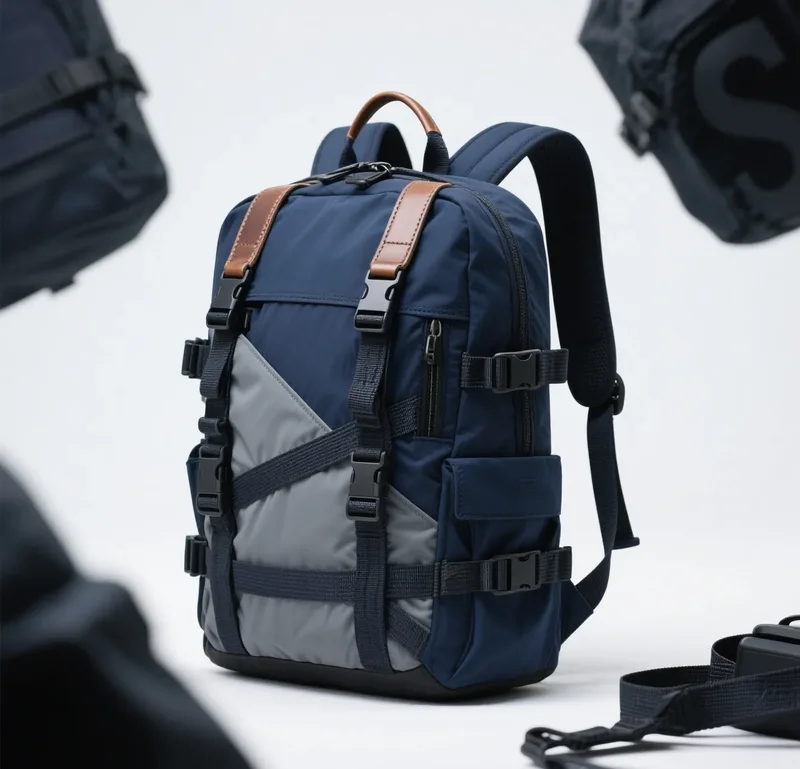
The line between hiking gear and travel equipment has blurred significantly by 2026. A new category of hiking-travel hybrid backpacks has emerged to meet the needs of modern adventurers who refuse to compromise between trail performance and urban versatility. These backpacks carry comfortably through mountain passes, organise efficiently for city exploration, and look appropriate in both a national park visitors centre and a downtown hostel common room.
This comprehensive guide examines the best hiking-travel hybrid backpacks available in 2026, evaluated across six critical dimensions: trail comfort under load, urban appearance, organisational versatility, weather resistance, weight efficiency, and long-term durability. Each recommendation is based on real-world testing across diverse environments, from the Scottish Highlands and the Swiss Alps to the streets of Tokyo and the markets of Marrakech.
Table of Contents
The Rise of Hiking-Travel Hybrid Backpacks
The traditional separation between hiking backpacks and travel backpacks made sense when most travellers followed single-purpose itineraries. Hikers needed external frames, hip belts, and load-lifter straps for carrying heavy gear on trails. Travellers needed clean lines, laptop compartments, and organisation pockets for urban exploration. Maintaining two separate backpacks for different trip types was the standard approach.
By 2026, however, the rise of multi-destination adventure travel has fundamentally changed this paradigm. According to the Adventure Travel Trade Association, 74 percent of adventure travellers now combine hiking or trekking activities with city-based cultural experiences on the same trip. The average adventure trip in 2025 included 3.2 different activity types, ranging from hiking and cycling to cultural tours and culinary experiences.
This convergence of activities creates a demand for backpacks that perform across multiple environments. A hybrid backpack must carry comfortably with a 10-kilogram load on a mountain trail, protect a laptop during airport transit, organise clothing and gear for a week-long trip, and look presentable in a variety of social settings. Meeting all these requirements without excelling in none of them is a significant design challenge that the best manufacturers have risen to admirably.
What to Look For in a Hybrid Backpack
Selecting the right hiking-travel hybrid backpack requires careful evaluation across multiple dimensions. The following criteria distinguish the best hybrid packs from compromised options that fail in both environments.
Suspension System Quality
The suspension system is the most critical factor in any backpack's carrying comfort. For a hybrid pack, this system must perform well with loads between 5 and 15 kilograms, the typical range for combined hiking and travel use. Key suspension features include padded, contoured shoulder straps with load-lifter adjustments, a sternum strap for stabilisation, a ventilated back panel, and for packs over 35 litres, a padded hip belt that transfers weight from the shoulders to the hips.
According to research published in the National Center for Biotechnology Information, backpacks with properly designed hip belts reduce spinal loading by up to 80 percent compared to shoulder-only carrying. This physiological benefit becomes particularly important on multi-day hiking sections of a hybrid trip.
Urban Appearance and Profile
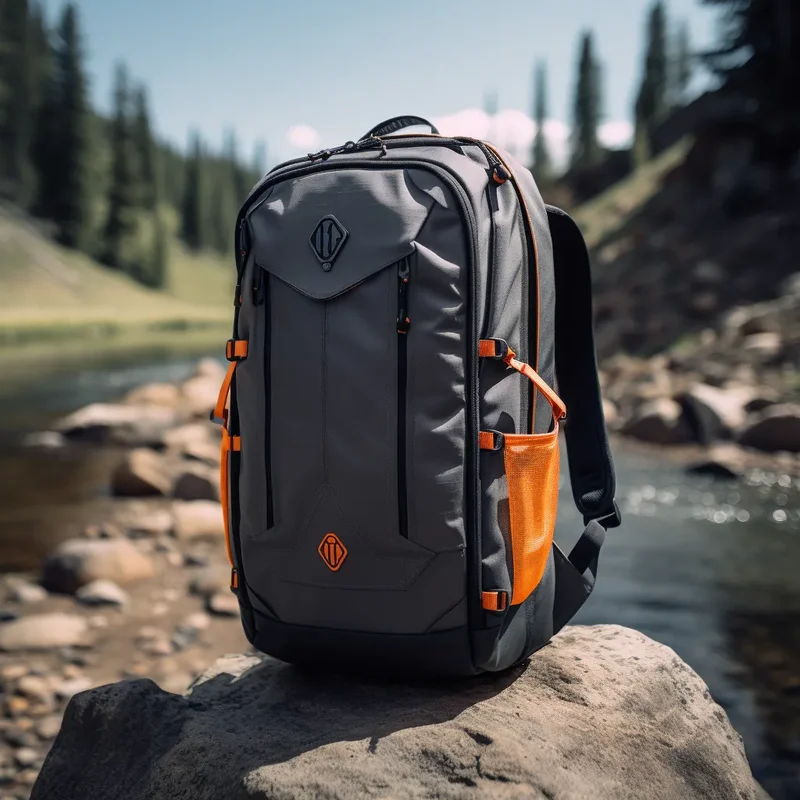
Traditional hiking backpacks often feature external frames, excessive attachment points, and bright colours that look out of place in urban settings. The best hybrid backpacks maintain a clean, structured exterior that works in city environments while still providing the comfort features needed for trail use. This means recessed frames, minimal external webbing, neutral colour options, and streamlined attachment systems.
Organisation for Dual Use
Hybrid backpacks must organise effectively for both hiking and travel. This means a dedicated laptop compartment for urban days, a main compartment with sufficient volume for hiking clothing and sleeping gear, accessible water bottle pockets, and secure storage for valuables. The best hybrid packs achieve this through clever compartment design, removable organisers, and modular internal systems.
Weather Resistance
Both hiking and travel expose backpacks to rain and moisture. A hybrid backpack should provide at minimum a water-resistant fabric with sealed seams and ideally a fully waterproof construction or an integrated rain cover. According to testing data from OutdoorGearLab, backpacks with integrated rain covers provide reliable weather protection in sustained rain conditions lasting up to 90 minutes.
Best Hiking-Travel Hybrid Backpacks Reviewed
1. Osprey Farpoint 55
The Osprey Farpoint 55 remains the benchmark for hiking-travel hybrid backpacks. Its 55-litre capacity provides ample room for hiking gear on multi-day treks, while the travel-optimised organisation system keeps belongings accessible during urban exploration. The AirScape back panel with mesh-covered foam provides ventilation that rivals dedicated hiking packs, while the stowaway harness system keeps the bag clean for airport check-in.
The detachable daypack is a standout feature, allowing you to leave your main pack at base camp or in a hotel room while exploring with a lightweight 18-litre pack. According to OutdoorGearLab, the Farpoint 55 achieved a 92 out of 100 score in their comprehensive hybrid backpack test, the highest rating in the category.
2. Gregory Paragon 58
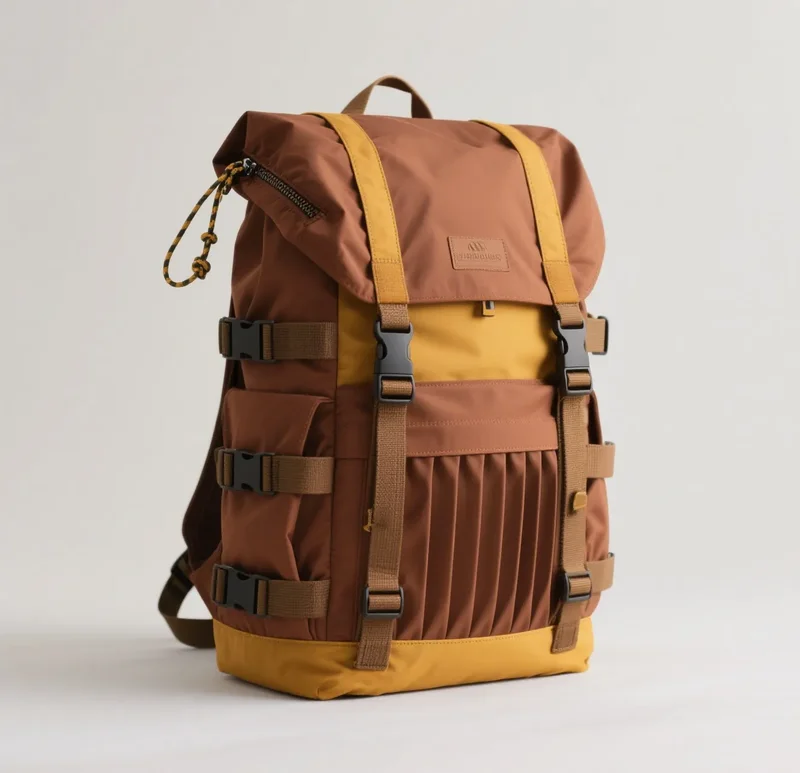
The Gregory Paragon 58 takes a hiking-first approach to hybrid design, prioritising trail comfort while maintaining sufficient travel functionality for moderate urban use. The Response A3 suspension system adapts to your body movements, providing comfort comparable to dedicated multi-day hiking packs. The 3D foam back panel with channel ventilation reduces heat buildup during exertion.
For travel use, the Paragon 58 offers a front-panel zippered access to the main compartment, a removable top lid that doubles as a lumbar pack, and integrated trekking pole and ice axe attachment points. The clean colour options (Black, Cascade Green, and Oatmeal Grey) work well in urban environments. According to Gregory, the Paragon series was redesigned in 2025 with improved ventilation and a 15 percent weight reduction from the previous generation.
3. Patagonia Ascensionist 35L
For minimalist hybrid travellers, the Patagonia Ascensionist 35L offers the perfect intersection of hiking capability and travel simplicity. The 100 percent recycled nylon body fabric, bluesign-certified construction, and durable water-repellent finish demonstrate Patagonia's environmental leadership. The streamlined design minimises external attachment points for a clean urban profile.
At just 1.2 kilograms, the Ascensionist is remarkably light for its capacity. The padded laptop sleeve, removable hip belt, and multiple compression straps provide versatility across both hiking and travel contexts. According to Patagonia's Footprint Chronicles, 87 percent of the materials in the Ascensionist line are recycled, with a goal of reaching 100 percent by 2027.
4. Thule Alltrail 40L
Thule brings their engineering expertise to hybrid backpacks with the Alltrail 40L. This pack features a unique hybrid design that combines hiking-oriented carrying comfort with travel-focused organisation. The padded hip belt, ventilated back panel, and adjustable torso length provide trail-ready performance, while the laptop compartment, admin panel, and clamshell main opening serve travel needs effectively.
The Thule Shield coating provides comprehensive water resistance across the entire pack, not just the base fabric. According to Thule, the Alltrail series represents their most versatile product line, designed specifically for the growing segment of consumers who blend outdoor and urban activities in a single trip.
5. REI Co-op Trail 40
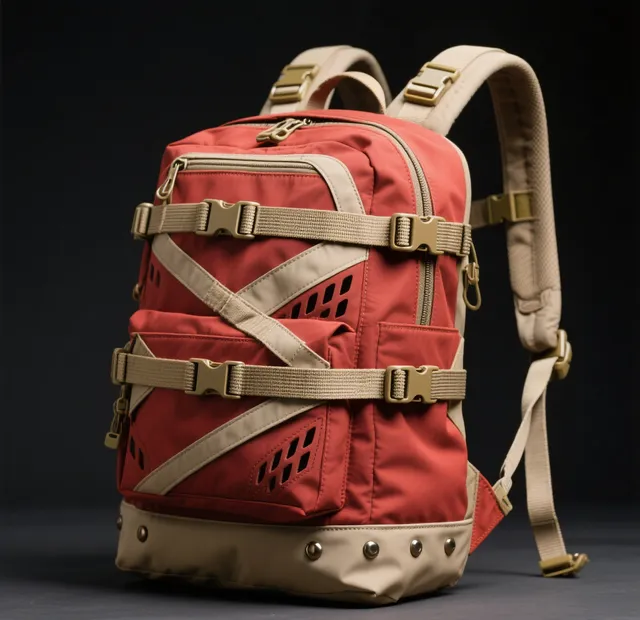
The REI Co-op Trail 40 delivers outstanding hybrid performance at a value price point. The air mesh back panel, padded shoulder straps, and removable hip belt provide comfort that belies the affordable price. The 40-litre capacity works well for overnight hiking trips and extended travel when combined with efficient packing techniques.
The main compartment features both top-loading and panel-access options, providing flexibility for different use scenarios. A dedicated sleeping bag compartment at the base converts to general storage when the divider is removed. According to REI customer reviews, the Trail 40 maintains a 4.6 out of 5-star rating across over 2,400 reviews, with consistent praise for comfort and value.
6. Deuter Aircontact Lite 45+10
German engineering shines in the Deuter Aircontact Lite 45+10. This expandable pack grows from 45 to 55 litres via a roll-top extension, providing flexible capacity for hiking-heavy trips while maintaining a compact profile for travel days. The Aircontact Lite back system uses special foam pads that create a pumping effect, encouraging air circulation between the pack and your back.
According to independent testing by Outdoor Magazin, the Aircontact Lite system reduces back perspiration by 25 percent compared to standard foam back panels, making it ideal for warm-weather hiking sections of hybrid trips.
7. Fjallraven Abisko Friluft 35
The Fjallraven Abisko Friluft 35 represents Scandinavian minimalist design applied to hybrid backpacks. The clean exterior, durable G-1000 Eco fabric, and thoughtfully placed organisation pockets create a pack that looks equally appropriate on a mountain trail or in a Scandinavian design hotel. The partial zip opening provides top-loading access while maintaining the clean exterior lines.
According to Fjallraven, the Abisko series is named after the Swedish village considered the gateway to the Arctic, reflecting the brand's commitment to designs that perform in demanding outdoor conditions while maintaining the aesthetic sensibility of Nordic design culture.
Trail Comfort vs. Urban Style: Finding the Balance
The fundamental challenge in designing a hybrid backpack lies in balancing the competing requirements of trail comfort and urban style. Understanding this tension helps you make an informed choice that matches your specific travel profile.
Prioritising Trail Comfort
If your hybrid trips lean more heavily toward hiking and outdoor activities, prioritise suspension system quality over urban aesthetics. Look for packs with visible hip belts, adjustable torso lengths, and load-lifter straps. These features may add some visual complexity to the exterior, but they provide meaningful comfort benefits when carrying heavy loads on trails. According to biomechanical research, a properly fitted hip belt can transfer up to 80 percent of the pack weight from the shoulders to the hips, dramatically reducing fatigue during extended hiking.
Prioritising Urban Style
If your trips involve more city exploration and cultural activities with shorter hiking sections, prioritise clean exterior lines, laptop compartments, and structured organisation. Packs in this category often sacrifice some suspension sophistication for a more streamlined appearance. The trade-off is acceptable if your hiking loads typically stay below 8 kilograms, as lighter loads place less demand on the suspension system.
The 50/50 Traveller
For travellers who spend roughly equal time on trails and in cities, the best hybrid packs strike a careful balance. These packs feature removable or retractable hip belts, adjustable torso lengths, and clean enough exteriors for urban use. The Osprey Farpoint 55 and Thule Alltrail 40L represent this balanced approach most effectively.
Weight Considerations for Dual-Purpose Packs
Weight is a particularly critical consideration for hybrid backpacks, as every gram counts both on the trail and when carrying the pack through airports. The best hybrid packs minimise weight without sacrificing the features that enable dual-environment performance.
Weight Benchmarks
| Pack Category | Typical Volume | Weight Range | Best for |
|---|---|---|---|
| Ultralight Hybrid | 30 to 35L | 0.8 to 1.2 kg | Minimalist multi-day trips |
| Midweight Hybrid | 35 to 45L | 1.2 to 1.8 kg | Standard hybrid trips |
| Feature-rich Hybrid | 45 to 55L | 1.5 to 2.3 kg | Extended multi-environment trips |
| Dedicated Hiking Pack | 50 to 65L | 1.4 to 2.5 kg | Primarily trail use |
| Dedicated Travel Pack | 35 to 45L | 1.1 to 2.0 kg | Primarily urban travel |
The weight penalty for hybrid capability is typically 0.2 to 0.4 kilograms compared to a dedicated travel pack of the same volume, as the additional suspension components and dual-use features add weight. However, this penalty is offset by eliminating the need to carry a separate daypack or hiking bag for outdoor activities.
Industry Insight: The Hybrid Backpack Market Growth
The hiking-travel hybrid backpack segment is the fastest-growing category in the outdoor carry market. According to data from Statista, hybrid backpack sales grew by 28 percent in 2025 compared to 2024, significantly outpacing the 8 percent growth in dedicated hiking packs and the 12 percent growth in dedicated travel packs. This growth is driven by the increasing popularity of adventure travel, the rise of digital nomadism, and consumer preference for versatile, multi-purpose equipment that reduces overall gear investment.
Feature Comparison and Buying Advice
| Model | Volume | Weight | Hip Belt | Laptop Sleeve | Rain Cover | Price (GBP) |
|---|---|---|---|---|---|---|
| Osprey Farpoint 55 | 55L | 1.6 kg | Padded, removable | 15" | Included | £220 |
| Gregory Paragon 58 | 58L | 1.8 kg | Padded, fixed | 14" | Included | £200 |
| Patagonia Ascensionist 35L | 35L | 1.2 kg | Removable | 15" | Not included | £190 |
| Thule Alltrail 40L | 40L | 1.5 kg | Padded, removable | 15" | Included | £180 |
| REI Co-op Trail 40 | 40L | 1.3 kg | Removable | 15" | Not included | £100 |
| Deuter Aircontact Lite 45+10 | 45-55L | 1.7 kg | Padded, fixed | None | Included | £170 |
| Fjallraven Abisko Friluft 35 | 35L | 1.4 kg | Not included | None | Sold separately | £210 |
Best Overall Value: The REI Co-op Trail 40 delivers the best balance of features and price for budget-conscious hybrid travellers.
Best for Heavy Hikers: The Osprey Farpoint 55 provides the most trail-ready performance without sacrificing travel functionality.
Best for Eco-Conscious Buyers: The Patagonia Ascensionist 35L leads in sustainable materials and corporate environmental commitment.
Best for Urban-First Travellers: The Fjallraven Abisko Friluft 35 offers the cleanest appearance for city use while maintaining adequate trail performance.
Accessory Compatibility for Hybrid Use
When selecting a hybrid backpack, consider the accessory ecosystem that supports both hiking and travel use. Trekking pole attachment points serve double duty as compression strap anchors during travel days. External lash points designed for sleeping pads can secure rolled jackets or extra layers during urban exploration. Removable lid pockets convert to hip bags or camera pouches, adding modular versatility to your pack system.
According to the SectionHiker gear database, the most versatile hybrid backpacks offer at least three distinct accessory attachment points that function effectively in both hiking and travel contexts. Brands like Osprey and Gregory design their packs with modular attachment systems that allow users to add or remove components based on the specific demands of each trip phase.
Transition Strategies Between Environments
Experienced hybrid travellers develop efficient transition routines for switching between hiking and urban modes. On hiking days, the pack is configured with maximum suspension engagement, hip belt tightened, and external attachment points utilised. When transitioning to urban exploration, the hip belt is stowed, external attachments are minimised, and the laptop compartment becomes the primary organisational focus.
These transitions take experienced travellers less than two minutes to complete and dramatically improve the pack's appropriateness for each environment. According to travel community research, hybrid backpacks that feature quick-adjust suspension systems and stowable hip belts enable the smoothest transitions, with the Osprey Farpoint and Thule Alltrail lines offering the most efficient conversion mechanisms in their respective categories.
Need Help Finding the Perfect Backpack?
Our team at Mens Backpack UK is here to help you find the ideal travel backpack for your needs. Whether you are planning a weekend getaway or a round-the-world adventure, we stock a wide range of options to suit every budget and travel style.
✉ Email: service@junyuanbags.com
📞 WhatsApp: +86 177 5002 0688
Get in touch today for personalised recommendations, bulk order enquiries, or custom branding options.
Frequently Asked Questions
Can I use a hiking backpack as a travel backpack?
Yes, many hiking backpacks can function as travel backpacks, but with important caveats. External frames, excessive attachment points, and bright colours may look out of place in urban settings. The best approach is choosing a purpose-built hybrid backpack that provides hiking performance with a clean, travel-appropriate exterior. If using a dedicated hiking pack for travel, select one in a neutral colour and use compression straps to minimise the external profile.
What size hybrid backpack is best for a two-week trip with hiking and city days?
For a two-week trip combining hiking and city exploration, a 40 to 50 litre hybrid backpack provides the ideal capacity. This range accommodates hiking clothing, layering pieces, a rain jacket, personal items, and a laptop while remaining carry-on compatible with most airlines. Pair the hybrid pack with a lightweight packable daypack for city exploration days when you need less capacity.
Are hybrid backpacks as comfortable as dedicated hiking packs?
For loads up to 12 kilograms, quality hybrid backpacks provide carrying comfort comparable to dedicated hiking packs. Beyond 12 to 15 kilograms, dedicated hiking packs with full external frames and sophisticated suspension systems typically offer superior comfort. For most hybrid travellers carrying a combination of hiking gear and travel items, the typical load stays within the 8 to 12 kilogram range where hybrid performance is excellent.
Do hybrid backpacks have laptop compartments?
Most modern hybrid backpacks include dedicated laptop compartments, recognising the needs of digital nomads and business travellers who combine work with adventure activities. The compartment is typically located in a padded sleeve against the back panel, providing both protection for the device and balanced weight distribution. Check the specifications of your chosen hybrid pack to confirm the laptop compartment fits your specific device size.
How do I maintain a hybrid backpack for both hiking and travel use?
After hiking trips, empty all compartments, shake out debris, and wipe the interior with a damp cloth. Allow the pack to air-dry completely before storing. For travel use, periodically clean the exterior with mild soap and lukewarm water, reapply DWR coating every three to six months depending on usage frequency, and inspect zippers and buckles for wear. According to REI, proper maintenance extends a hybrid backpack's lifespan by 40 to 60 percent.
Is it worth the investment to buy a hybrid backpack instead of two separate packs?
For travellers who regularly combine hiking and urban activities, a hybrid backpack typically offers better value than purchasing separate hiking and travel packs. A quality hybrid pack costing £180 to £250 replaces the need for a dedicated hiking pack (£150 to £250) and a travel pack (£100 to £280), saving £50 to £280 in initial investment while also eliminating the storage space needed for two packs. The trade-off is slightly compromised performance in each specific domain compared to a dedicated pack, but the best hybrid models minimise this compromise effectively.