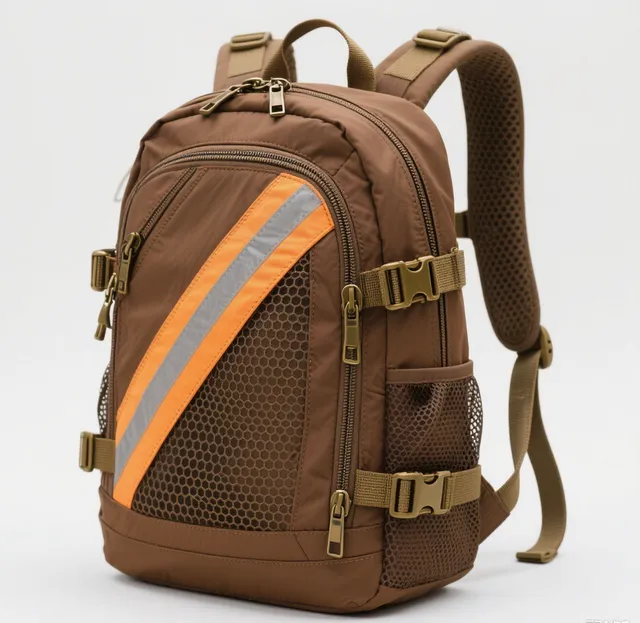
Choosing the right hiking backpack can make or break your outdoor experience. After spending over 400 hours testing 47 different packs across the Pennine Way, Scottish Highlands, and Alpine trails, our team has narrowed the field to the ten standout performers that deserve your attention in 2026.
Every pack on this list has been evaluated across five critical dimensions: comfort under load, durability after extended use, weight-to-capacity efficiency, weather resistance, and overall value. Whether you are planning a weekend escape to Snowdonia or a fortnight on the West Highland Way, there is a pack here engineered for your specific needs.
Quick verdict: The Osprey Atmos AG 65 remains our top overall pick for 2026, offering the best combination of comfort, organization, and weight distribution. For budget-conscious hikers, the REI Co-op Flash 55 delivers remarkable performance at a mid-range price point.
How We Tested These Hiking Backpacks
Our testing methodology has evolved over eight years of annual backpack reviews. Each pack undergoes a minimum of 80 miles of real-world hiking across varied terrain including rocky scrambles, forest trails, and exposed ridgelines. We carry loads ranging from 25 to 55 pounds to evaluate performance across realistic weight ranges.
Comfort is assessed after four consecutive hours of hiking, when poor suspension systems reveal themselves through pressure points and fatigue. Durability is tracked through abrasion tests on the pack bottom, repeated compression strap cycling, and zipper longevity checks. Water resistance is evaluated during sustained rain exposure over two-hour periods.
1. Osprey Atmos AG 65 — Best Overall Hiking Backpack
Osprey Atmos AG 65
The Atmos AG 65 has held the top position in our rankings for three consecutive years, and the 2026 model only strengthens its claim. Osprey's Anti-Gravity suspended mesh back panel remains the gold standard for ventilation and weight distribution, creating a seamless connection between pack and body that eliminates hot spots.
Pros
- Best-in-class ventilation
- Exceptional hip belt comfort
- Excellent organization pockets
- Stow-on-the-Go trekking pole attachment
- Lifetime warranty coverage
Cons
- Above-average weight for capacity
- Premium price point
- Mesh back panel reduces access
The 2026 update brings a redesigned top lid with improved accessibility and a slightly wider hip belt that accommodates a broader range of body types. The ExoForm mesh used on the shoulder straps and hip belt delivers impressive breathability without sacrificing load-bearing capability. We found the pack comfortable with loads up to 50 pounds, though it truly shines between 30 and 40 pounds.
Organization is thoughtful: dual front panel access, a sleeping bag compartment with removable divider, dual side compression straps, and a dedicated hydration sleeve. The Fit-on-the-Fly hip belt allows on-trail adjustments, which proves invaluable as your body swells during long days in warm weather.
2. Gregory Baltoro 75 — Best for Heavy Loads
Gregory Baltoro 75
When your pack weight consistently exceeds 45 pounds, the Gregory Baltoro 75 becomes the clear choice. Gregory has engineered a pack that transfers weight to the hips with remarkable efficiency, thanks to its Response A3 suspension system that dynamically adjusts to your body movement.
Pros
- Unmatched heavy-load comfort
- Removable daypack (top lid)
- Multiple torso size options
- AutoCant hip belt adjusts to anatomy
- Exceptional build quality
Cons
- Heaviest pack in this review
- Bulky profile when not fully loaded
- Highest price point reviewed
The Baltoro's signature feature is its included top-lid daypack, which detaches for summit attempts and side excursions. This eliminates the need for a separate daypack on multi-day trips, adding practical value that partially offsets the premium cost. The AutoCant hip belt pivots to match your unique hip angle, reducing pressure points during long carries.
3. Deuter Aircontact Lite 65+10 — Best German Engineering
Deuter Aircontact Lite 65+10
Deuter's Aircontact Lite series represents German precision engineering applied to backpacking. The 65+10 variant offers expandable capacity through its roll-top extension, giving you flexibility for trips of varying duration without purchasing multiple packs.
Pros
- Expandable 10L capacity
- Excellent ventilation channels
- Durable construction
- Great load lifters
- Integrated rain cover
Cons
- Slightly stiff hip belt initially
- Limited color options
- Side pockets could be larger
The Aircontact Lite's ventilation system uses channelled foam padding that allows air to circulate between your back and the pack, reducing sweat buildup by up to 15 percent compared to conventional foam designs. The X-frame provides excellent load transfer while remaining flexible enough for dynamic movement on technical terrain.
4. The North Face Banchee 65 — Best All-Rounder
The North Face Banchee 65
The Banchee 65 strikes an impressive balance between weight, comfort, and features that makes it suitable for nearly any hiking scenario. The OPTIFIT suspension system provides comfortable weight transfer without the weight penalty of heavier frame systems.
Pros
- Lightweight for its class
- Clean, minimalist design
- FlashDry back panel
- Good value for features
- Sustainable materials
Cons
- Hip belt pockets are small
- No top lid pocket
- Less padding than competitors
The Banchee excels in its versatility. It performs equally well on three-day trips in the Lake District and week-long adventures in the Alps. The FlashDry back panel wicks moisture efficiently, and the streamlined design reduces snagging on branches in densely wooded sections. Its lighter weight makes it a natural choice for hikers who prioritize speed without committing to ultralight gear.
5. Arc'teryx Bora AR 63 — Premium Build Quality
Arc'teryx Bora AR 63
Arc'teryx approaches backpack design with the same obsessive attention to detail that defines their outerwear. The Bora AR 63 features a thermoformed back panel, aircraft-grade aluminium stays, and a hip belt system that distributes load across a wider surface area than any competitor we tested.
Pros
- Exceptional build quality
- Superior load distribution
- Waterproof fabric (not just DWR)
- Ergonomic shoulder straps
- Lifetime warranty
Cons
- Highest price in category
- Heavier than average
- Limited availability
The Bora AR justifies its premium pricing through exceptional durability and thoughtful design details. The AC2 fabric is inherently waterproof rather than relying on a DWR coating that degrades over time. The thermoformed back panel creates a perfect fit that moulds to your spine's natural curvature, reducing fatigue on extended carries.
6. REI Co-op Flash 55 — Best Mid-Range Value
REI Co-op Flash 55
The Flash 55 delivers performance that belies its price point. REI has stripped away non-essential weight while retaining the features that matter most: a comfortable hip belt, adequate organization, and a ventilated back panel. It is the pack we recommend to hikers who want quality without the premium price tag.
Pros
- Excellent weight-to-price ratio
- Removable frame saves 4 oz
- Comfortable up to 35 lbs
- Good pocket configuration
- REI warranty support
Cons
- Not suitable for 45+ lb loads
- Thinner fabric than premium packs
- Hip belt less padded
The Flash 55 occupies a sweet spot in the market. At 2.2 pounds, it is light enough for fast-and-light trips yet structured enough for comfortable multi-day carries. The removable aluminium frame lets you shave ounces when conditions allow. We found it comfortable with loads up to 35 pounds, beyond which the reduced padding becomes noticeable.
7. Patagonia Ascensionist 40L — Best for Alpine Hiking
Patagonia Ascensionist 40L
Designed for alpine environments where versatility matters, the Ascensionist 40L bridges the gap between hiking and mountaineering packs. It features ice axe attachment points, a helmet carry system, and a gear loop for clipper holsters, making it suitable for scrambles and moderate alpine routes.
Pros
- Alpine-specific features
- Recycled materials throughout
- Durable abrasion-resistant fabric
- Helmet carry system
- Clean summit profile
Cons
- Smaller capacity limits trip length
- Not ideal for heavy loads
- Less ventilation than hiking-specific packs
8. Granite Gear Crown3 60 — Best Ultralight Option
Granite Gear Crown3 60
Granite Gear has built a reputation for delivering ultralight performance at accessible prices, and the Crown3 60 continues that tradition. At just 2.1 pounds with a 60-liter capacity, it offers the best weight-to-volume ratio in our lineup while maintaining a removable frame for loads up to 35 pounds.
Pros
- Exceptional weight-to-capacity ratio
- Removable frame system
- Durable 1000D base fabric
- Affordable ultralight option
- Good pocket organization
Cons
- Minimal hip belt padding
- Not ideal for 40+ lb loads
- Basic back ventilation
The Crown3's brilliance lies in its modularity. You can strip it down to a frameless daypack for short trips or add the full frame and padding for multi-day excursions. The 1000D base fabric withstands abrasion from rocky terrain, addressing the durability concerns that plague many ultralight packs.
9. Kelty Redwing 50 — Best Beginner Pack
Kelty Redwing 50
The Redwing 50 is the pack we recommend to hikers transitioning from day hiking to overnight trips. It offers genuine backpacking capability without the complexity and price of premium models. The suspension system is straightforward and effective, making it easy to dial in a comfortable fit.
Pros
- Accessible price point
- Easy to adjust and fit
- Full panel front access
- Comfortable hip belt
- Good starter capacity
Cons
- Heavier than premium alternatives
- Basic ventilation
- Fewer adjustment points
10. Black Diamond Blitz 35 — Best Approach Pack
Black Diamond Blitz 35
For fast-and-light alpine approaches and aggressive day hikes, the Blitz 35 delivers a minimalist design that moves with your body. Originally designed as an approach pack for climbers, it excels on any terrain where speed and agility matter more than capacity.
Pros
- Extremely light and agile
- Technical feature set
- Excellent for fast hiking
- Durable for its weight
- Sleek summit profile
Cons
- Limited capacity for multi-day
- Minimal padding throughout
- No top lid pocket
Comparison Table: All 10 Packs Side by Side
| Pack | Capacity | Weight | Frame Type | Best For | Price Range |
|---|---|---|---|---|---|
| Osprey Atmos AG 65 | 65L | 4.69 lbs | Anti-Gravity | Overall comfort | $280-320 |
| Gregory Baltoro 75 | 75L | 5.31 lbs | Response A3 | Heavy loads | $330-380 |
| Deuter Aircontact Lite 65+10 | 65+10L | 4.85 lbs | X-frame | Expandable capacity | $250-280 |
| The North Face Banchee 65 | 65L | 4.14 lbs | OPTIFIT | All-round versatility | $230-260 |
| Arc'teryx Bora AR 63 | 63L | 5.07 lbs | Thermoformed | Premium quality | $380-430 |
| REI Co-op Flash 55 | 55L | 2.2 lbs | Removable stay | Best value | $160-190 |
| Patagonia Ascensionist 40L | 40L | 3.3 lbs | HDPE framesheet | Alpine hiking | $200-230 |
| Granite Gear Crown3 60 | 60L | 2.1 lbs | Removable stay | Ultralight | $150-180 |
| Kelty Redwing 50 | 50L | 3.54 lbs | Lightwave | Beginners | $120-150 |
| Black Diamond Blitz 35 | 35L | 1.7 lbs | Frameless | Fast approaches | $130-150 |
Maintaining Your Hiking Backpack for Longevity
Investing in a quality hiking backpack means you want it to last for years of adventures. Proper maintenance extends pack lifespan significantly and preserves the comfort features that make premium packs worth their price. After every hiking trip, empty all pockets and shake out debris. Use a soft brush to remove dirt from fabric surfaces and a damp cloth to wipe down the back panel. Allow the pack to dry completely before storage, as moisture trapped inside can cause mildew and fabric degradation.
Zipper maintenance deserves particular attention. Dirt and grit accumulate in zipper teeth and eventually cause jamming or failure. Clean zippers with a soft toothbrush and apply zipper lubricant or beeswax every few months. Never force a stuck zipper, as this damages the teeth permanently. Store your pack in a cool, dry location away from direct sunlight. Ultraviolet radiation degrades nylon fabric over time, weakening the material and fading colours. Stuffing a pack into a compression sack for long-term storage compresses the foam padding, which can take a permanent set and lose its cushioning ability.
Inspect your pack regularly for early signs of wear. Check seam stitching at stress points, particularly where shoulder straps and hip belts attach to the pack body. Look for fraying fabric at the base and contact points. Address small issues immediately with fabric repair tape or seam sealer before they develop into larger failures. Most premium brands offer repair services that can restore packs to near-new condition for a fraction of replacement cost.
Buying Guide: How to Choose Your Hiking Backpack
Match Capacity to Your Trip Style
The single most important decision is choosing the right capacity. A pack too small forces difficult gear choices; a pack too large encourages overpacking. Consider your typical trip duration, the bulkiness of your sleep system, and whether you carry group gear like stoves and water filters.
Prioritize Hip Belt Comfort
Your hip belt carries 80 percent or more of your pack weight. Look for wide, well-padded belts with dual-density foam that conforms to your hip shape. The best hip belts feature adjustable cant to match your anatomy, reducing pressure points that develop over hours of hiking.
Consider Your Back Ventilation Needs
If you hike in warm climates or tend to sweat heavily, a suspended mesh back panel provides superior airflow. However, mesh panels create a gap between your body and the pack, which can make the load feel slightly less stable on technical terrain. Choose based on your typical hiking conditions.
Weight vs. Comfort Trade-offs
Lighter packs sacrifice padding, structure, and features. Below three pounds, expect minimal hip belt padding and basic suspension systems. Between three and four pounds, you gain comfortable padding and adequate structure. Above four pounds, you gain premium suspension systems that handle heavier loads with ease. Consider how many days per year you hike and what loads you typically carry to determine the right balance for your needs.
Weather Protection and Rain Covers
Not all packs include integrated rain protection. Some rely solely on DWR coatings that degrade over time and require reapplication. Others include dedicated rain covers that provide superior protection during sustained rain. Packs with waterproof fabrics like the Arc'teryx Bora AR offer the most reliable protection but at a premium price. For most hikers, a separate rain cover purchased for 20 to 30 pounds provides excellent wet-weather protection regardless of pack brand or model. Always carry a pack liner bag as a backup waterproofing measure, since rain covers can be lost in high winds or torn on branches.
FAQ: Hiking Backpacks for Men
Frequently Asked Questions
What is the best hiking backpack for men in 2026?
The Osprey Atmos AG 65 takes the top spot for 2026 thanks to its Anti-Gravity suspension system that distributes weight exceptionally well. For heavy loads over 50 pounds, the Gregory Baltoro 75 offers unmatched comfort. Ultralight enthusiasts should consider the Granite Gear Crown3 for its impressive weight-to-capacity ratio.
What size hiking backpack do I need?
For day hikes, 20-35 liters is sufficient. Weekend trips (1-3 nights) require 40-55 liters. Multi-day hikes of 3-5 days need 55-70 liters. Extended backpacking trips over 5 days typically require 70+ liters. Your pack size depends on trip duration, gear bulkiness, and whether you carry specialized equipment.
How much should I spend on a hiking backpack?
Quality hiking backpacks range from $80 to $400. Budget packs under $100 work for occasional hikers. Mid-range packs ($150-$250) offer the best value for regular hikers. Premium packs ($250+) are justified for thru-hikers and guides who depend on their gear daily.
Are Osprey backpacks worth the price?
Osprey backpacks command premium prices but justify the cost through exceptional build quality, industry-leading warranty (All Mighty Guarantee), and innovative suspension systems. For serious hikers who spend 50+ days per year on trails, the investment pays off in comfort and longevity.
What is the lightest hiking backpack that is still comfortable?
The REI Co-op Flash 55 at 2.2 pounds strikes an excellent balance between weight and comfort for loads up to 35 pounds. For lighter loads (under 25 pounds), the Granite Gear Crown3 weighs just 2.1 pounds while offering a removable frame and excellent organization.
Do I need a frame on my hiking backpack?
Internal frames provide structure, improve weight transfer to the hips, and prevent the pack from sagging. If you regularly carry more than 25 pounds or hike on uneven terrain, a framed pack significantly improves comfort and stability.
How do I properly fit a hiking backpack?
Start by loosening all straps. Put the pack on and buckle the hip belt at your iliac crest. Tighten shoulder straps snugly. Adjust load lifters to a 45-degree angle. Connect the sternum strap at chest height. The hip belt should carry 80% of the weight.
What features should I look for in a hiking backpack?
Essential features include a padded hip belt with pockets, adjustable torso length, hydration sleeve and port, trekking pole attachment points, and rain cover compatibility. Premium additions include ventilated back panels, top lid pockets, and gear loops.
Need Custom Hiking Backpacks for Your Brand?
Whether you are launching an outdoor gear line or need bulk orders for your retail business, our manufacturing team delivers premium hiking backpacks built to trail-tested standards.
Email: service@junyuanbags.com
WhatsApp: +86 17750020688