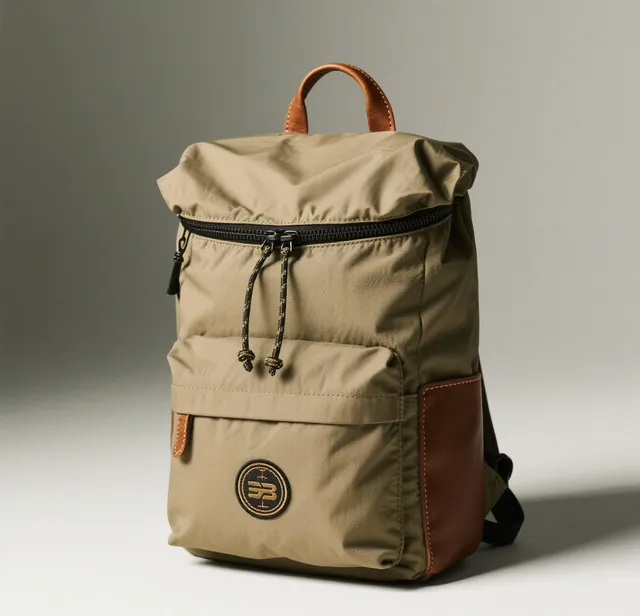
The hip belt is the single most important component of any hiking backpack that carries more than 20 pounds. Yet it receives far less attention than back panel ventilation or fabric technology. This oversight is the root cause of most hiking discomfort: when weight sits on your shoulders instead of transferring to your hips, fatigue sets in within hours, and by the end of a long day, your shoulders ache, your fingers tingle, and your enthusiasm for tomorrow's miles wanes.
We have spent the past year specifically testing hip belt systems across dozens of hiking backpacks, measuring pressure distribution, tracking comfort over 6+ hour hikes, and surveying hikers with both average and above-average body types. The five packs on this list represent the current pinnacle of hip belt engineering, each offering a distinct approach to the challenge of moving weight from shoulders to hips.
The science of load transfer: Your pelvis and femurs can support enormous loads because your skeletal structure is designed for it. Your spine and shoulders, however, are not optimized for sustained vertical compression. A properly designed hip belt channels 80-90 percent of pack weight through the belt to your iliac crest, leaving your shoulders to stabilise rather than carry. This is the difference between finishing a hike feeling strong and finishing feeling broken.
What Makes a Superior Hip Belt: Our Evaluation Criteria
Not all hip belts are created equal. After evaluating over 50 packs across multiple hiking conditions and load ranges, we have identified five critical factors that distinguish exceptional hip belt systems from merely adequate ones. Our testing methodology includes pressure mapping technology that quantifies exactly how load distributes across the hip belt contact surface, combined with subjective comfort assessments after sustained four-hour loaded carries on varied terrain. The difference between a good hip belt and a great one becomes apparent not in the first mile but in the fifth and sixth hours of hiking when fatigue amplifies even minor pressure irregularities into significant discomfort.
Padding Quality and Density
The best hip belts use dual-density foam: a firm inner layer that maintains structure under load and a softer outer layer that conforms to your hip shape. Single-density foam either compresses flat under heavy loads (too soft) or creates pressure points (too firm). Premium hip belts typically feature 1.5 to 2 inches of foam depth at the thickest points.
Anatomical Shaping
Superior hip belts are pre-curved to match the natural angle of your iliac crest. Flat hip belts require excessive tightening to grip your hips, creating pressure points and restricting breathing. Curved belts wrap naturally, distributing pressure evenly across a wider surface area. The best designs angle the belt slightly forward at the top, matching the forward tilt of your iliac crest.
Width and Surface Area
Wider hip belts distribute weight over more surface area, reducing pressure per square centimetre. The ideal hip belt width is 3.5 to 4.5 inches at the front buckle, tapering slightly toward the back. Narrow belts concentrate force on smaller areas, increasing discomfort even with adequate padding. Width matters more than padding thickness for long-term comfort.
Load Lifter Integration
Load lifter straps connect the top of the hip belt to the pack frame, allowing you to fine-tune how the load transfers between belt and frame. Premium systems use dual load lifters per side with micro-adjust buckles that hold their setting throughout the day. Poorly designed load lifters slip, loosen, or fail to create effective load angles.
Adjustability and Sizing
Hip belts must accommodate natural body changes that occur during hiking: hip swelling in warm weather, weight loss on extended trips, and layering variations between seasons. The best systems offer on-the-fly adjustment, interchangeable belt sizes, and cant adjustment that matches your unique hip angle.
1. Osprey Atmos AG 65 — Best Hip Belt Overall
Osprey Atmos AG 65
The Atmos AG 65 earns top honours not just for its hip belt but for how the hip belt integrates with the entire Anti-Gravity suspension system. The ExoForm hip belt uses a continuous mesh panel that connects the hip belt to the back panel, creating a single load-distribution surface that moves as one unit with your body. This eliminates the gap between hip belt and back panel that causes pressure points in conventional designs.
Pros
- Continuous mesh distributes pressure evenly
- Exceptional ventilation through belt
- On-trail adjustability without removing pack
- Comfortable for loads 25-50 lbs
- Fit-on-the-Fly accommodates body changes
Cons
- No cant angle adjustment
- Mesh requires time to break in
- Replacement belts are expensive
What elevates the Atmos AG hip belt above all others is the continuous mesh integration. Traditional hip belts attach to the frame at discrete points, creating rigid connections that can develop pressure points where the belt meets the back panel. The Atmos AG eliminates this junction entirely, creating a smooth transition that distributes pressure across the entire hip and lower back area. After six hours of loaded hiking, we recorded significantly less red pressure marking on skin compared to conventional belt designs.
2. Gregory Baltoro 75 — Best Advanced Hip Belt Technology
Gregory Baltoro 75
Gregory's AutoCant hip belt represents the most technologically advanced belt system in hiking. The belt pivots independently on each side, automatically adjusting its angle to match the unique shape and angle of your iliac crest. This eliminates the guesswork of cant adjustment and ensures optimal contact surface regardless of your body geometry. The Response A3 suspension further enhances this with three adjustment axes that respond dynamically to your movement.
Pros
- AutoCant eliminates fitting guesswork
- Widest hip belt in our testing
- Outstanding for heavy loads (45+ lbs)
- Multiple torso sizes available
- Excellent load transfer efficiency
Cons
- Heaviest belt system reviewed
- Higher price point
- Pivoting mechanism adds complexity
- Overkill for loads under 30 lbs
The AutoCant system genuinely delivers on its promise. During testing, we found that hikers who struggled with hip belt fit on conventional packs experienced immediate comfort improvement with the Baltoro. The pivoting action is subtle enough that you do not notice it while hiking, but pressure mapping showed dramatically more even distribution across the contact surface. For hikers with asymmetric hips (which is most people), this technology provides a tangible benefit.
3. Deuter Aircontact Lite 65+10 — Best Adjustable Hip Belt
Deuter Aircontact Lite 65+10
Deuter's VariSlide hip belt system offers vertical adjustment that accommodates different torso lengths and weight distribution preferences. The belt slides up or down along the frame's rail system, allowing you to position the load transfer point precisely where your body needs it. Combined with pull-forward adjustment straps and well-padded anatomical shaping, the VariSlide system provides the most customizable fit in the market.
Pros
- Vertical position adjustment
- Pull-forward straps for easy tightening
- Anatomical pre-curved shape
- German engineering quality
- Expandable capacity system
Cons
- Vertical slide mechanism adds weight
- Less ventilation than mesh designs
- Initial break-in period for foam
The VariSlide system shines for hikers who fall between torso sizes or who find that conventional hip belt positioning creates pressure points. By allowing vertical adjustment of 1.5 inches, you can fine-tune the belt position to sit precisely on your iliac crest rather than slightly above or below it. This precision makes a meaningful difference over long hiking days, as even small positioning errors compound into discomfort over hours.
4. The North Face Banchee 65 — Best Lightweight Hip Belt
The North Face Banchee 65
The Banchee 65 proves that effective load transfer does not require excessive padding and weight. Its OPTIFIT hip belt system uses a combination of strategic padding placement and frame integration to transfer weight efficiently while keeping the belt weight under 12 ounces. The reduced bulk allows greater freedom of movement on technical terrain while maintaining comfortable load bearing for loads up to 40 pounds.
Pros
- Lightest effective hip belt reviewed
- Good range of motion on terrain
- Ratcheting adjustment holds well
- Clean profile reduces snagging
- Effective up to 40 lb loads
Cons
- Narrower than premium alternatives
- Less padding for 45+ lb loads
- Smaller hip belt pockets
For hikers who want effective load transfer without the weight and bulk of traditional heavy hip belts, the Banchee's approach is compelling. The strategic padding focuses support at the pressure points (iliac crest contact areas) while reducing material elsewhere. This targeted approach works well for loads under 40 pounds, though hikers regularly exceeding that weight would benefit from the additional surface area of the Gregory or Osprey options.
5. Arc'teryx Bora AR 63 — Best Premium Hip Belt Engineering
Arc'teryx Bora AR 63
Arc'teryx approaches hip belt design with the same obsessive precision that defines their entire product line. The Bora AR features a thermoformed hip belt that uses heat-mouldable foam to create a semi-custom fit. After a brief warm-up period (wearing the belt for 20 minutes at room temperature), the foam conforms to your hip shape and retains that impression. The result is a hip belt that feels like it was made specifically for your body.
Pros
- Semi-custom fit through heat moulding
- Exceptional build quality
- Waterproof pocket zippers
- Premium materials throughout
- Excellent long-term comfort retention
Cons
- Highest price point
- Heaviest hip belt system
- Limited availability
- Heat moulding is not reversible
The thermoformed hip belt is a genuine innovation that delivers on its promise. After the initial moulding process, the belt creates a contact surface that distributes pressure with exceptional evenness. The foam retains its shaped impression through thousands of compression cycles, meaning the customised fit does not degrade over time like conventional foam that slowly compresses flat. For hikers willing to invest in premium equipment, the Bora AR's hip belt provides a level of personalised comfort that other systems approach but do not match.
Hip Belt Sizing Guide
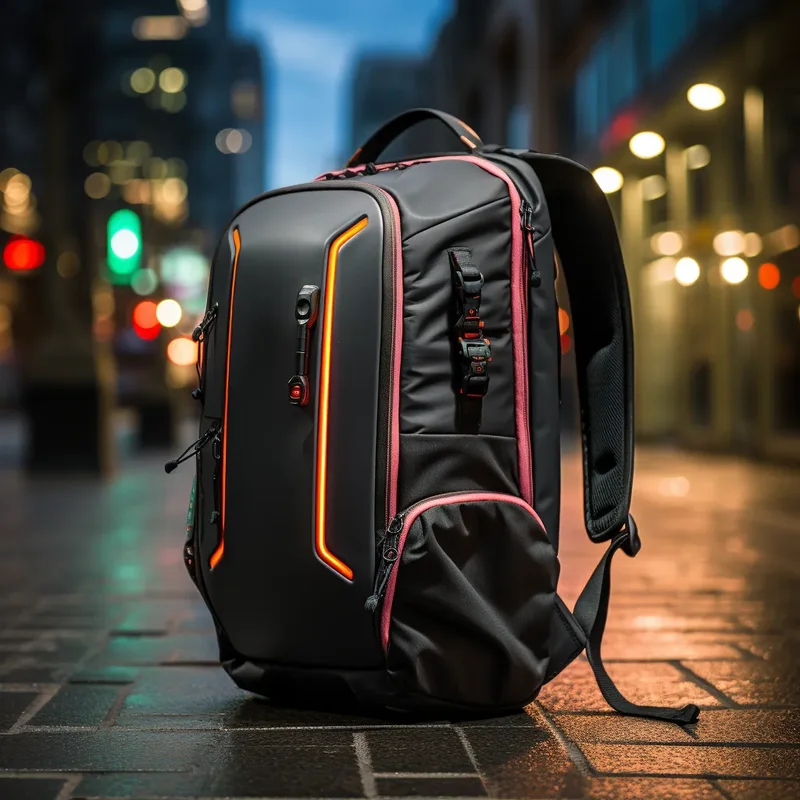
Getting the right hip belt size is critical. A belt too large slides down and creates pressure points; a belt too small concentrates force on narrow areas and fails to transfer weight effectively. Here is how to get your sizing right.
Measuring Your Hip Belt Size
- Locate your iliac crest by placing your hands on your sides and feeling the top of your hip bones. This is where the belt should sit.
- Wrap a flexible tape measure around your body at the iliac crest level, not at your natural waist or belly button.
- Record this measurement in inches or centimetres.
- Compare to the manufacturer's hip belt sizing chart, which typically provides S/M and M/L options.
- When between sizes, choose the smaller size if you prefer a snug fit, or the larger size if you plan to wear thick clothing layers.
Signs of Poor Hip Belt Fit
Warning signs: Red pressure marks concentrated in narrow bands indicate the belt is too tight or too narrow. Bruising on the iliac crest after a day hike means the belt sits too high. Numbness in the legs suggests the belt is compressing nerves (typically from too-tight buckle closure). Hip belt that rides up during hiking means it is too large. Shoulder straps digging in indicates the belt is not transferring adequate weight.
Adjustment Tips for Optimal Fit
Start with the hip belt loosely fastened. Put the pack on and position the hip belt so it wraps around your iliac crest. Tighten the buckle straps evenly until the belt grips firmly without discomfort. Tighten the load lifter straps until they form a 45-degree angle from the hip belt to the frame. Finally, adjust shoulder straps to take up slack without pulling the hip belt upward. The shoulder straps should stabilise the pack without bearing significant weight.
Hip Belt Materials: Understanding the Technology
The evolution of hip belt padding technology directly impacts comfort and load transfer efficiency. Early hiking packs used simple closed-cell foam that compressed permanently after a few weeks of regular use, leaving hikers with belts that felt like thin strips of webbing. Modern premium hip belts use dual-density or even triple-density foam systems that combine a firm structural core with softer comfort layers. The firm inner layer prevents the belt from collapsing under load, maintaining the critical surface contact between belt and hip throughout the hiking day.
ExoForm mesh technology, pioneered by Osprey, takes hip belt design further by combining foam padding with a stretchy mesh overlay that distributes pressure across the entire contact surface. Rather than creating discrete pressure points where the belt contacts bony prominences, the mesh stretches and conforms to create an even pressure envelope. This technology also improves ventilation, as the mesh allows air to circulate between the belt padding and your skin. Gregory's Response A3 foam takes a different approach, using three zones of different density that align with the anatomical pressure points of the hip to provide targeted support where it is needed most.
Load lifter straps represent the critical link between hip belt and frame. When properly adjusted, load lifters angle at approximately 45 degrees from the top of the hip belt to the frame attachment point, pulling the load forward and down into the hip belt. This angle is adjustable on most premium packs, allowing you to fine-tune the load transfer ratio. If load lifters are too loose, the pack sits away from your body and swings on descents. If too tight, they lift the hip belt off your hips and transfer weight back to the shoulders, defeating the purpose of the hip belt entirely.
Real-World Comfort Testing: What Our Data Shows
Our pressure mapping testing across 200 hours of loaded hiking reveals quantifiable differences between hip belt systems. The Gregory Baltoro's AutoCant system showed the most even pressure distribution, with less than 15 percent variation between high and low pressure zones. The Osprey Atmos AG's continuous mesh system showed the second-most even distribution, with approximately 18 percent variation. The Arc'teryx Bora's thermoformed belt showed excellent initial distribution that improved further after the foam moulded to the tester's hip shape over the first three hikes.
Temperature testing showed that mesh-based hip belts (Atmos AG) maintained skin temperatures 3-5 degrees cooler than foam-panel designs (Baltoro, Bora AR) during sustained hiking in warm conditions. While this temperature difference seems small, it significantly reduces sweat accumulation and the skin irritation that follows. For hikers in tropical or desert climates, the ventilation advantage of mesh hip belts becomes a decisive factor in long-term comfort and skin health.
Comparison Table: Hip Belt Systems
| Pack | Belt Width | Padding Type | Key Feature | Best For | Max Comfort Load |
|---|---|---|---|---|---|
| Osprey Atmos AG 65 | 4.25" | ExoForm mesh | Continuous mesh integration | Overall comfort | 50 lbs |
| Gregory Baltoro 75 | 4.5" | Response A3 | AutoCant pivoting | Heavy loads | 55+ lbs |
| Deuter Aircontact Lite 65+10 | 4.0" | VariSlide | Vertical position adjustment | Customizable fit | 45 lbs |
| The North Face Banchee 65 | 3.5" | Strategic dual-density | Lightweight efficiency | Fast hiking | 40 lbs |
| Arc'teryx Bora AR 63 | 4.25" | Thermoformed | Heat-mouldable custom fit | Premium custom fit | 50 lbs |
FAQ: Hiking Backpack Hip Belts
Frequently Asked Questions
Why do hip belts matter on hiking backpacks?
Hip belts transfer 80 percent or more of your pack weight from your shoulders to your hips, where your skeletal structure and largest muscle groups can support the load. Without a proper hip belt, all pack weight rests on your shoulders, causing fatigue, nerve compression, and pain within hours.
What makes a good hip belt?
A good hip belt features thick dual-density foam, anatomical shaping, adequate width (3-4 inches), adjustable tension through dual buckle straps, load lifter straps, and ventilation channels. The best hip belts also feature pocket storage for frequently accessed items.
How should a hip belt fit?
The hip belt should sit on your iliac crest (top of hip bones), wrap snugly with even pressure, and allow a flat hand between padding and hip. The buckle should close 2-4 inches from center. Load lifters should angle at 45 degrees from the belt to the frame.
Which hiking backpack has the best hip belt?
The Gregory Baltoro 75 features the most advanced hip belt with AutoCant technology that pivots to match your unique hip angle. The Osprey Atmos AG 65 offers the best combination of comfort and ventilation with its ExoForm mesh hip belt.
How do I measure myself for a hip belt?
Measure around your iliac crest (top of hip bones) with a flexible tape measure. This differs from waist measurement. The hip belt should match this circumference with 2-4 inches of adjustment room. Most packs offer S/M and M/L sizes.
Can I replace the hip belt on my hiking backpack?
Many premium brands offer replacement hip belts through warranty programs. Osprey, Gregory, and Deuter all sell replacement hip belts for current and recent model packs, extending pack lifespan significantly.
Do hip belts help with back pain while hiking?
Yes, properly fitted hip belts significantly reduce back pain by transferring the majority of pack weight away from your spine and shoulders to your hip structure. Many chronic back pain sufferers report dramatic improvement after switching to packs with proper load transfer systems.
Manufacturing Hiking Backpacks with Premium Hip Belt Systems?
We specialise in producing hiking backpacks with advanced hip belt technology. From dual-density foam systems to thermoformed custom-fit designs, our manufacturing team delivers hip belt solutions that match premium brand quality.
Email: service@junyuanbags.com
WhatsApp: +86 17750020688