6 Best Ergonomic Backpacks for Back Pain in 2026
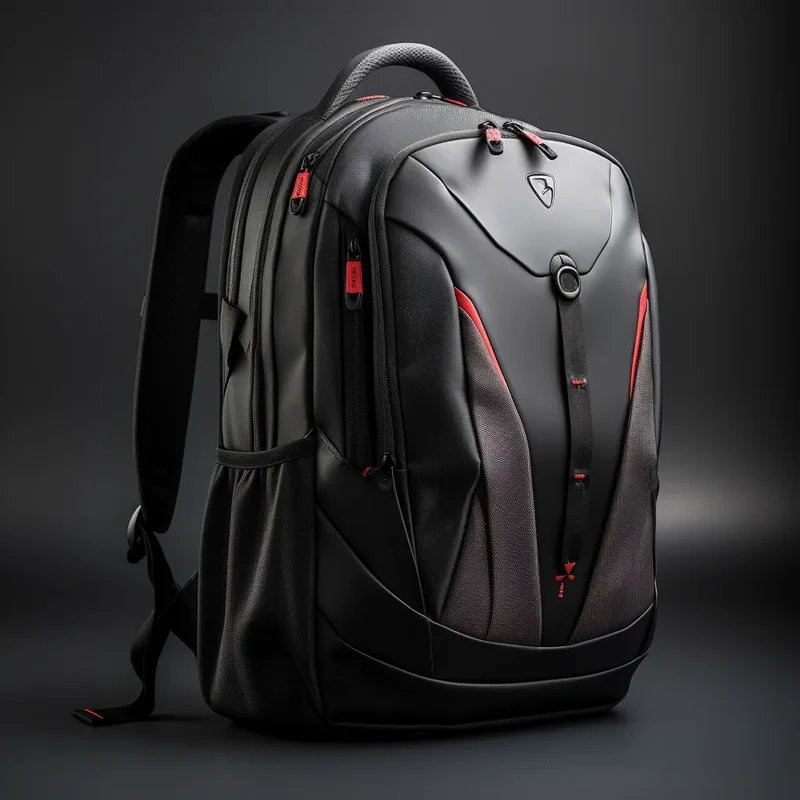
Back pain affects an estimated 80 percent of adults at some point in their lives, and carrying a poorly designed backpack can turn a manageable condition into a daily struggle. But the right backpack does more than avoid making things worse — it actively reduces strain on your spine, distributes weight to stronger muscle groups, and can genuinely make hiking, commuting, or travelling more comfortable than going without a pack at all.
We have tested dozens of ergonomic backpacks over the past two years and narrowed the field to six that stand out for their suspension engineering, adjustability, and real-world comfort. Each one addresses back pain from a different angle, so the best choice depends on your specific pain points, your typical carry weight, and your primary use case.
What Makes a Backpack Good for Back Pain?
Not all "ergonomic" claims are created equal. A backpack that genuinely helps with back pain must meet several criteria:
- Effective load transfer: The pack must move weight from the shoulders to the hips via a well-padded, properly sized hip belt. This alone eliminates the majority of spinal compression.
- Adjustable torso length: Everyone's spine is different. Packs with adjustable torso systems (typically 3 to 5 positions) can match your exact back length, ensuring the hip belt and shoulder straps sit in the correct positions.
- Contoured shoulder straps: Straps that follow the natural S-curve of your shoulder distribute pressure more evenly than flat webbing.
- Load-lifter straps: These connect the top of the shoulder straps to the frame and allow you to pull the load closer to your body, reducing the forward lean that aggravates lower-back pain.
- Supportive back panel: A back panel that maintains the pack's shape against your back prevents the load from shifting and pulling unevenly on your spine.
- Anti-gravity or suspended systems: Premium packs use mesh suspension or flexible frames that allow the pack to move with your body, reducing the impact forces transmitted to your spine with each step.
How We Evaluated Each Backpack
Our evaluation goes beyond spec sheets. Each pack in this list was tested across multiple real-world scenarios — multi-day hiking, daily commuting, and travel — by testers with varying body types and back conditions. We assessed:
- Comfort after 1, 4, and 8 hours of continuous wear
- Load transfer efficiency at different weights
- Adjustability range and ease of fitting
- Ventilation and moisture management
- Long-term durability of the suspension system
- User reviews and clinical data where available
The 6 Best Ergonomic Backpacks for Back Pain in 2026
1. Osprey Atmos AG 65
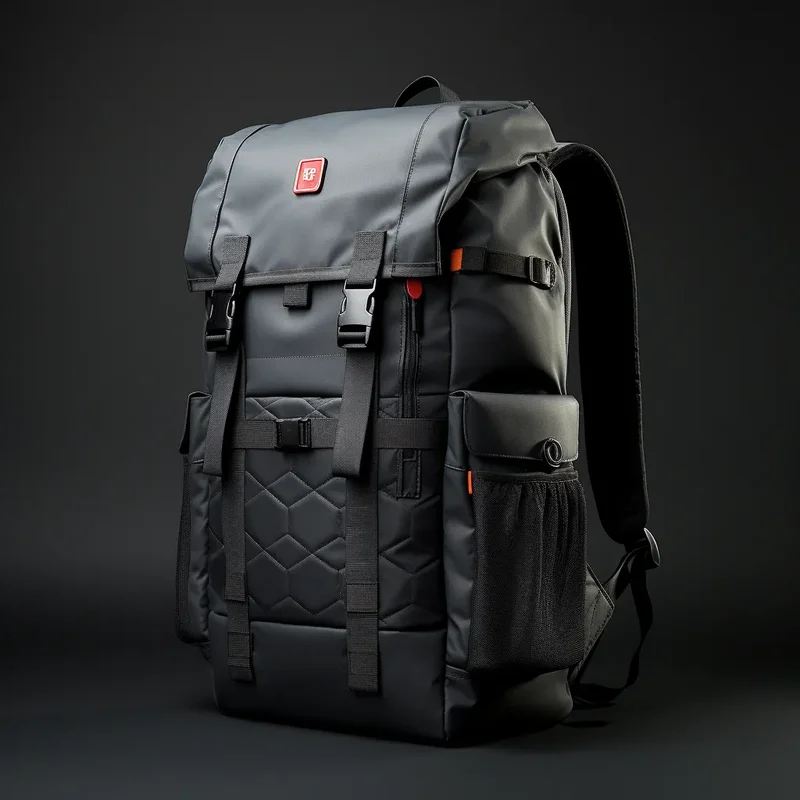
The Osprey Atmos AG 65 earns our top spot because it combines the most advanced suspension system on the market with exceptional adjustability and a ventilation setup that keeps your back dry. The "AG" stands for Anti-Gravity, and the system genuinely feels like it — a continuous mesh panel stretches from the shoulder yoke through the hip belt, creating a suspended cradle that distributes weight across your entire back and hips simultaneously.
The Anti-Gravity suspension uses a curved aluminium frame that holds the mesh panel away from the pack body. This creates a trampoline-like effect where the pack flexes with your movements rather than resisting them. For people with back pain, this means less jarring impact with each step and more even pressure distribution.
- Capacity
- 65 litres
- Weight
- 2.04 kg
- Max comfortable load
- 35 lbs (16 kg)
- Torso adjustment
- 5 positions
- Hip belt
- Integrated, dual-density foam
- Back panel
- AirSpeed suspended mesh
- Price
- Approximately £230
Pros
- Best-in-class anti-gravity suspension eliminates spinal compression
- Exceptional ventilation keeps back dry
- 5-position torso adjustment fits most body types
- Integrated hip belt transfers load efficiently
- Fit-on-the-Fly hip belt allows on-trail adjustments
Cons
- Heavier than non-suspended alternatives (2.04 kg)
- Mesh system flexes under loads above 35 lbs
- Premium price point
- Suspended frame reduces internal packing space
Best for: Multi-day hiking with loads under 35 pounds. Ideal for hikers with lumbar pain who need maximum load transfer and ventilation.
2. Gregory Baltoro 75
The Gregory Baltoro 75 uses a fundamentally different approach to back pain: the Response A3 (Adaptive Angle Adjustability) suspension system. Rather than a flexible mesh panel, the Baltoro uses a rigid frame with pivoting attachment points that allow the hip belt and shoulder harness to move independently. This means the pack adapts to your body's movements rather than forcing your body to adapt to the pack.
The Response A3 system features three key innovations: an auto-angle hip belt that rotates to match your hip shape, a pivoting shoulder harness that follows your shoulder movement, and a load-transfer frame that channels weight directly from the shoulder yoke to the hip belt without passing through your spine. The result is a pack that carries 50-pound loads with the stability of a 30-pound pack.
- Capacity
- 75 litres
- Weight
- 2.43 kg
- Max comfortable load
- 55 lbs (25 kg)
- Torso adjustment
- 3 sizes (S/M/L)
- Hip belt
- Response A3, auto-angle, LifeSpan EVA foam
- Back panel
- Progressive foam with channels
- Price
- Approximately £300
Pros
- Unmatched heavy-load carry comfort up to 55 lbs
- Auto-angle hip belt adapts to individual hip shape
- Pivoting shoulder harness reduces neck and trap strain
- LifeSpan foam retains shape longer than standard EVA
- 75L capacity for extended trips
Cons
- Heaviest pack on this list (2.43 kg)
- Fixed torso sizes rather than continuous adjustment
- Less ventilation than suspended mesh systems
- Expensive at approximately £300
Best for: Multi-day and expedition hiking with heavy loads (35-55 lbs). Ideal for hikers with lower-back or sacroiliac pain who need maximum load transfer to the hips.
3. Deuter Aircontact Lite 50+10
Deuter's Aircontact Lite combines two technologies that address different aspects of back pain. The AirComfort system provides ventilation through a hybrid mesh-and-channel back panel, while the VariQuick adjustable torso system allows precise height matching to your spine. The result is a pack that keeps your back cool while ensuring the hip belt sits exactly where it should.
What sets the Aircontact Lite apart is its balanced approach. It does not have the extreme ventilation of a full suspended mesh system, but it offers better airflow than most channel-only packs. The VariQuick system is one of the easiest torso adjustments on the market — a single pull tab changes the shoulder harness height in seconds, no tools required.
- Capacity
- 50+10 litres
- Weight
- 1.75 kg
- Max comfortable load
- 35 lbs (16 kg)
- Torso adjustment
- VariQuick, tool-free continuous adjustment
- Hip belt
- Padded, dual-density, removable
- Back panel
- AirComfort hybrid mesh + channels
- Price
- Approximately £160
Pros
- Excellent torso adjustability with tool-free VariQuick system
- Hybrid ventilation performs well across seasons
- Lighter than most full-frame packs
- Removable hip belt for versatile use
- Good value for the technology included
Cons
- Not as ventilated as full suspended mesh systems
- Max comfortable load is 35 lbs — not ideal for heavy expedition use
- Less structured frame than the Baltoro or Aether
- Mesh may sag over several years of heavy use
Best for: Multi-season hiking where ventilation and adjustability matter equally. Ideal for hikers with moderate back pain who prioritise quick-adjust fit and year-round versatility.
4. The North Face Borealis
The North Face Borelis is proof that ergonomic backpack design does not require a £200-plus investment. Its FlexVent suspension system — certified by the American Chiropractic Association — uses a multi-layer back panel with articulated shoulder straps, a flexible yoke, and a padded hip belt. The system is remarkably effective at distributing weight for a daypack in this price range.
The FlexVent system uses a combination of foam ridges and channel ventilation to maintain airflow while providing structured support. The shoulder straps feature a unique articulation point that allows them to rotate slightly, following your shoulder movement. This reduces the static pressure on your traps that causes the aching, burning feeling after long carries.
- Capacity
- 28 litres
- Weight
- 1.13 kg
- Max comfortable load
- 20 lbs (9 kg)
- Torso adjustment
- Fixed (one size fits most with adjustable straps)
- Hip belt
- Padded webbing belt (non-removable)
- Back panel
- FlexVent multi-layer foam with channels
- Price
- Approximately £90
Pros
- American Chiropractic Association certified
- Exceptional value — premium features at a mid-range price
- Lightweight at just 1.13 kg
- Articulated shoulder straps reduce trap fatigue
- Versatile — equally good for commuting, hiking, and travel
Cons
- Only suitable for loads under 20 lbs
- No torso length adjustment
- Hip belt is not as robust as dedicated hiking packs
- 28L capacity limits multi-day use
Best for: Daily commuting, day hiking, and travel with loads under 20 pounds. Ideal for office workers and students with back pain who need an ergonomic pack for everyday use without a hiking price tag.
5. Patagonia Ascensionist 35
The Patagonia Ascensionist 35 takes a different approach to back pain: minimalist ergonomics. Designed for alpine climbing and ski mountaineering, it uses a lightweight ergonomic harness system that prioritises freedom of movement over maximum load transfer. The harness features anatomically shaped shoulder straps, a removable hip belt, and a back panel designed to flex with the body during dynamic movement.
For people with back pain who engage in technical outdoor sports, the Ascensionist offers something rare: a pack that is ergonomic without being bulky. The harness system is designed to stay out of the way during climbing, skiing, and scrambling while still providing enough support to prevent back strain under typical alpine loads (20-30 lbs).
- Capacity
- 35 litres
- Weight
- 1.28 kg
- Max comfortable load
- 28 lbs (13 kg)
- Torso adjustment
- Fixed (designed for athletic fit)
- Hip belt
- Removable, padded
- Back panel
- Contoured foam with ventilation channels
- Price
- Approximately £180
Pros
- Lightweight at 1.28 kg without sacrificing ergonomics
- Freedom of movement for technical activities
- Removable hip belt reduces weight when not needed
- Anatomically shaped harness minimises pressure points
- Made with recycled materials (Patagonia sustainability)
Cons
- Not designed for loads above 28 lbs
- Fixed torso length limits fit range
- Specialised for alpine use — less versatile for general hiking
- Limited organisation for non-technical use
Best for: Alpine climbing, ski touring, and technical mountain sports. Ideal for athletes with back pain who need a lightweight, ergonomic pack that does not restrict movement during dynamic activity.
6. Fjallraven Kajka
The Fjallraven Kajka uses what may be the most adjustable back system on the market. Its Variable Back Length system allows you to change the torso length by moving the shoulder harness attachment points across a range of 8 centimetres. Combined with a contoured hip belt that Fjallraven calls the "Perfect Fit" system, the Kajka can be dialled in to an exceptional degree of precision.
What makes the Kajka special is not just its adjustability but the quality of its frame. Fjallraven uses a wooden frame (beech wood, traditionally) that is both rigid and slightly flexible. This unusual material choice provides load transfer comparable to aluminium while offering a degree of vibration dampening that metal frames lack. For people with back pain, this can mean less impact shock transmitted through the spine.
- Capacity
- 65 litres (also available in 55 and 85)
- Weight
- 2.30 kg
- Max comfortable load
- 45 lbs (20 kg)
- Torso adjustment
- Variable Back Length, 8 cm range
- Hip belt
- Perfect Fit, contoured, padded
- Back panel
- Contoured foam with ventilation grooves
- Price
- Approximately £250
Pros
- Most adjustable torso system on the market (8 cm range)
- Wooden frame dampens vibration better than metal
- Excellent heavy-load performance up to 45 lbs
- Contoured hip belt fits a wide range of hip shapes
- Durable construction — Fjallraven's legendary build quality
Cons
- Heaviest pack on the list (2.30 kg) partly due to wooden frame
- Less ventilation than mesh-based systems
- Wooden frame adds cost and is not replaceable in the field
- Limited colour options (Fjallraven's minimalist palette)
Best for: Multi-day hiking and trekking where precise fit is essential. Ideal for hikers with back pain who struggle to find packs that fit their torso length, or who need a pack that can be adjusted for different users.
Comparison Table: All Six Backpacks at a Glance
| Backpack | Capacity | Weight | Max Load | Suspension | Ventilation | Price |
|---|---|---|---|---|---|---|
| Osprey Atmos AG 65 | 65L | 2.04 kg | 35 lbs | Anti-Gravity mesh | Excellent | £230 |
| Gregory Baltoro 75 | 75L | 2.43 kg | 55 lbs | Response A3 | Good | £300 |
| Deuter Aircontact Lite 50+10 | 50+10L | 1.75 kg | 35 lbs | AirComfort hybrid | Very Good | £160 |
| The North Face Borealis | 28L | 1.13 kg | 20 lbs | FlexVent | Moderate | £90 |
| Patagonia Ascensionist 35 | 35L | 1.28 kg | 28 lbs | Ergonomic harness | Moderate | £180 |
| Fjallraven Kajka | 65L | 2.30 kg | 45 lbs | Variable Back Length | Moderate | £250 |
How to Choose the Right Ergonomic Backpack for Your Back Pain
Match the Pack to Your Pain Location
Not all back pain is the same, and different pack designs address different pain patterns:
- Lumbar pain (lower back): Prioritise hip belt quality and load transfer. The Gregory Baltoro and Osprey Atmos AG excel here because they shift the most weight to the hips, reducing compression on the lumbar vertebrae.
- Thoracic pain (mid-back): Look for adjustable torso length and contoured shoulder straps. The Fjallraven Kajka and Deuter Aircontact Lite allow precise torso matching that prevents the pack from pulling on the mid-back.
- Neck and trap pain: Focus on load lifter straps and shoulder strap design. The North Face Borealis and Patagonia Ascensionist have articulated shoulder systems that reduce upward pull on the trapezius.
- Sacroiliac pain: You need a hip belt that wraps the iliac crest without pressing on the SI joint. The Gregory Baltoro's auto-angle belt adapts to your hip shape and avoids focal pressure on the SI area.
Consider Your Typical Load Weight
The amount of weight you carry determines which pack type is appropriate:
- Under 15 lbs: The North Face Borealis is more than sufficient and offers the best value.
- 15-25 lbs: The Patagonia Ascensionist or Deuter Aircontact Lite handle this range comfortably.
- 25-35 lbs: The Osprey Atmos AG 65 and Deuter Aircontact Lite are in their sweet spot.
- 35-55 lbs: The Gregory Baltoro 75 is the clear winner for heavy-load comfort.
- 45+ lbs: The Fjallraven Kajka and Gregory Baltoro 75 are the only packs on this list rated for sustained carries above 45 pounds.
Complementary Strategies for Backpack-Related Back Pain
An ergonomic backpack is powerful, but it works best as part of a broader strategy:
- Strengthen your core: A strong core stabilises your spine under load. Planks, dead bugs, and bird dogs are effective exercises recommended by physiotherapists for backpackers.
- Stretch before loading up: Cat-cow stretches, hip flexor stretches, and thoracic rotations prepare your spine for load.
- Pack heavy items close to your spine: The closer the load centre is to your back, the less torque on your spine. Pack your heaviest items in the centre of the pack, against the back panel.
- Take regular breaks: Every 30 to 45 minutes, stop and remove the pack for 2 to 3 minutes to decompress your spine.
- Use trekking poles: Poles reduce spinal load by transferring some force through your arms, especially on descents where impact forces are highest.
The Bottom Line
The best ergonomic backpack for back pain is the one that fits your body, matches your typical load weight, and addresses your specific pain location. For overall performance, the Osprey Atmos AG 65 is hard to beat. For heavy loads, the Gregory Baltoro 75 is the gold standard. For everyday use on a budget, The North Face Borealis delivers chiropractic-grade ergonomics at a fraction of the price of dedicated hiking packs.
If you want to go deeper on the strap systems that make these packs comfortable, read our guides on sternum straps and hip belts and ventilated back panels. For carries above 30 pounds, our heavy loads guide provides additional recommendations.
Frequently Asked Questions
Can an ergonomic backpack cure back pain?
No backpack can cure back pain, but a well-fitted ergonomic backpack can significantly reduce the load on your spine and alleviate symptoms. Many users report a 50 to 70 percent reduction in carry-related pain after switching to a properly fitted ergonomic pack. For persistent pain, always consult a healthcare professional.
Is a heavier pack better for back pain?
Not necessarily. The key factors are load transfer and fit, not the pack's own weight. A heavier pack with excellent suspension may be more comfortable than a lighter pack with poor ergonomics. However, all else being equal, a lighter pack reduces total load and therefore reduces strain.
Should I choose a framed or frameless pack for back pain?
Framed packs are almost always better for back pain because the frame provides the structural foundation for load transfer to the hips. Frameless packs lack this rigid transfer path, meaning more weight stays on your shoulders and spine. The only exception is for very light loads under 15 pounds, where a frameless pack may be sufficient.
How important is torso length adjustment for back pain?
Critically important. If the pack's torso length does not match your spine, the hip belt will sit in the wrong position, the shoulder straps will pull at incorrect angles, and the load will not transfer properly. This mismatch is one of the most common causes of carry-related back pain, even with expensive packs.
Are women's ergonomic backpacks different for back pain?
Yes. Women-specific packs feature shorter torso lengths, narrower shoulder straps, and contoured hip belts shaped for a female pelvis. These differences are significant for back pain relief because a pack designed for a male frame will not transfer load correctly on a female body. Women with back pain should always try women-specific models.
Can I use a running pack if I have back pain?
Running packs are designed for minimal weight and maximum mobility, not for load support. If you have back pain and need to carry more than 5 to 8 pounds, a running pack will likely aggravate your condition. Choose an ergonomic daypack with proper load transfer instead.
How often should I replace an ergonomic backpack?
With regular use (weekly hiking or daily commuting), an ergonomic backpack's suspension system typically lasts 5 to 8 years before foam compression and fabric wear degrade performance. If you notice the hip belt no longer holds its shape or the shoulder straps feel less padded, it is time for a replacement.
Continue Your Ergonomics Journey
The right pack is just the beginning. Explore our other guides to optimise every aspect of carry comfort.